

I remembered this story yesterday while flying from Tbilisi to Amsterdam, flipping through the catalogue in the seat pocket in front of me. Something about being suspended between places often opens old drawers in my mind, and this one came back with surprising clarity.
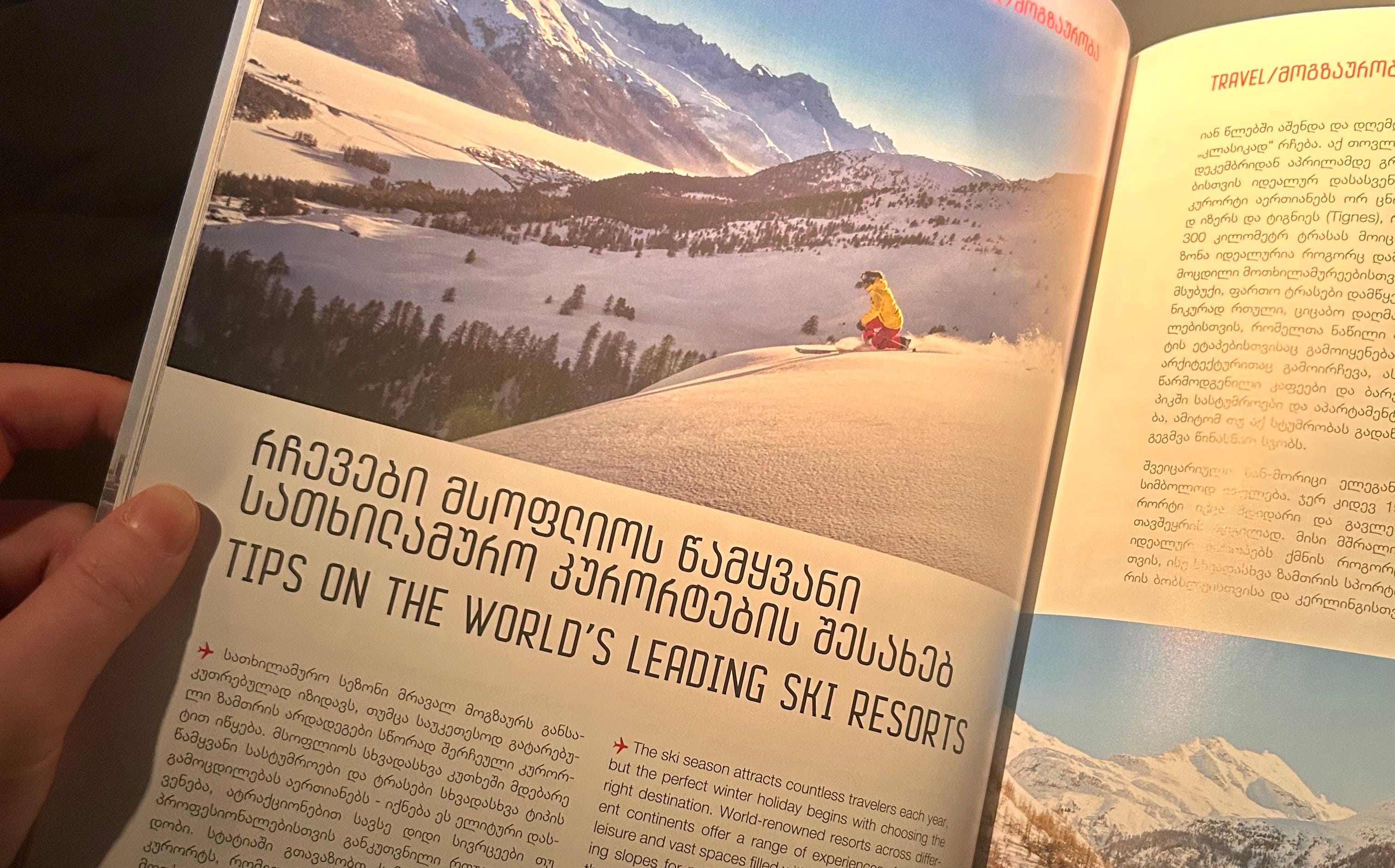
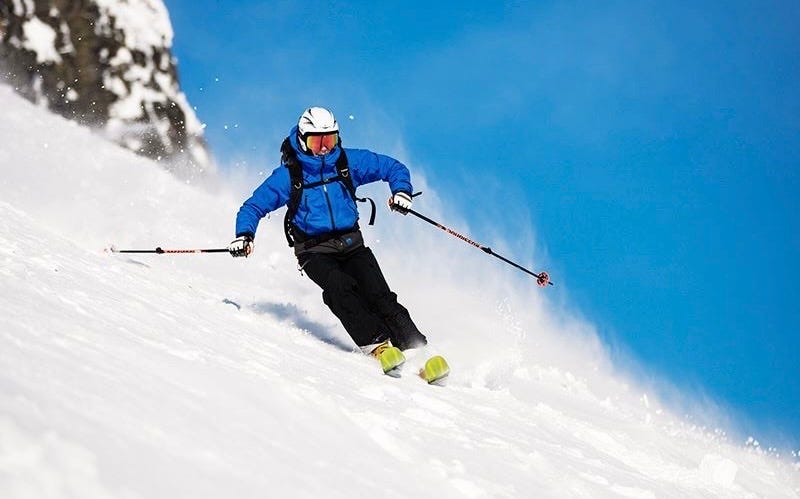
In 2017, I went skiing with my ex-boyfriend. I had actually stopped skiing years earlier, but slalom was his great passion. He really wanted me to be able to join him on trips, and his family had a cabin in Trysil that we visited often. Trysil is one of Norway’s most popular ski resorts.

I grew up with both a summer cabin by the water and a winter cabin in the mountains. My family and siblings all skied slalom, but I hated it even then. I hated the old button lift in the slope near our cabin, and I hated skiing down. As a child, I simply refused to join. Slalom was never something I enjoyed.
Still, as an adult, I decided to try again, because it meant so much to him.
That was nine years ago. We went to the slopes in Trysil with brand new skis and boots for me. We took the lift up, ready to ski down. What followed was one of the most brutal and torturous experiences I have ever had, for someone severely affected by lipedema fat in the calves. Having something that tight wrapped around legs that were already full of inflamed, painful swelling was unbearable. The pain was so intense that the moment I reached the bottom, I started crying. I simply could not take it anymore. My calves felt as if they had been violently beaten. I loosened the buckles immediately to restore circulation and relieve the pressure, but the pain lingered for a long time. That single run was enough. I have not skied slalom since.
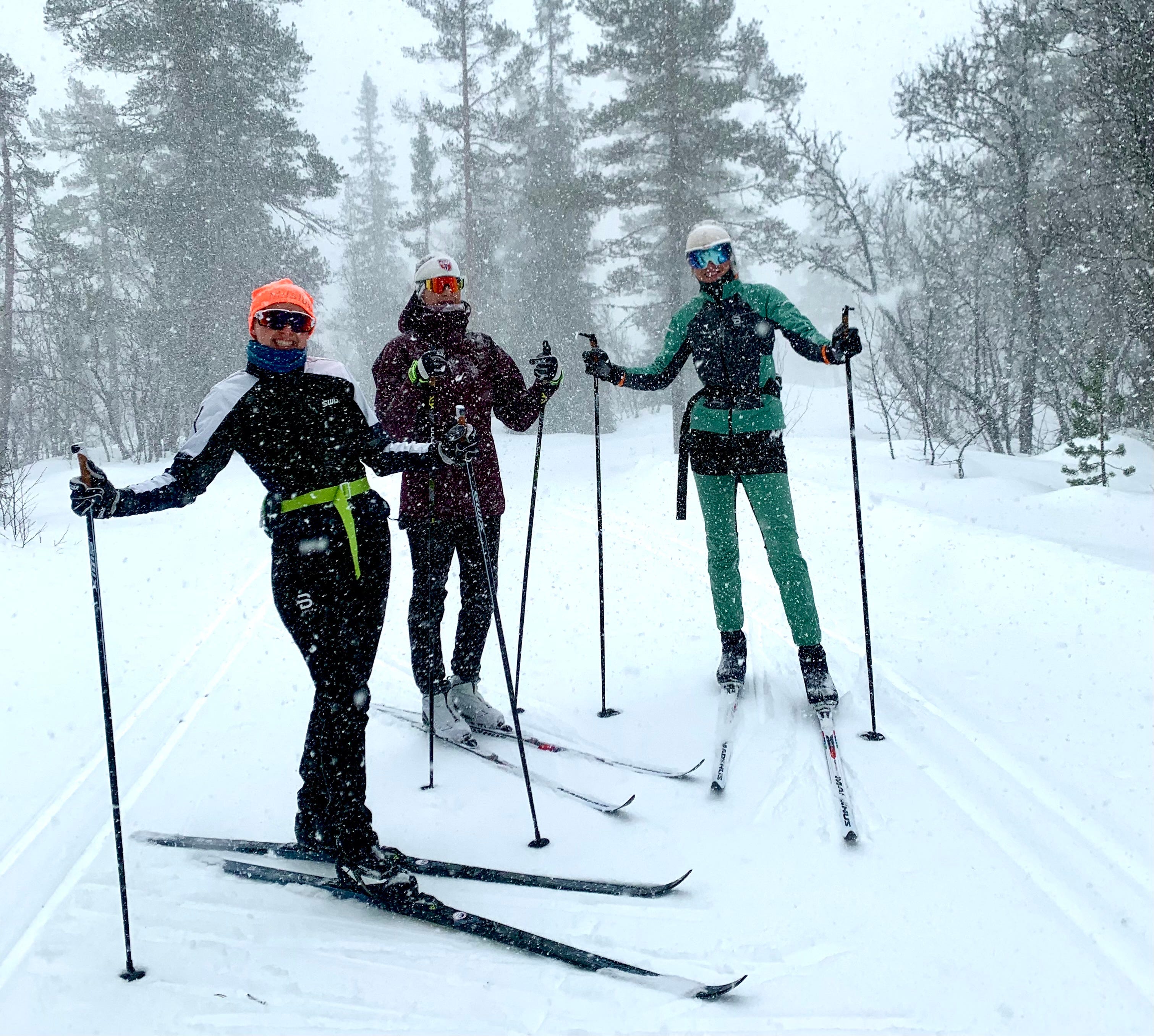
I had surgery on my calves in 2021, and I am quite sure it would have gone fine today. Still, I have made peace with the fact that slalom is not for me. I now stick to cross-country skiing, which is very common in Norway.
Looking back, it is not surprising at all that it hurt the way it did, now that I understand more about what lipedema actually is. When I talk about lipedema today, I no longer call it a fat disease, but a complex disorder of adipose tissue, driven by several underlying mechanisms that can vary from person to person. There are also different types of lipedema.
A close friend of mine has extremely painful fat in her thighs. I have felt it myself. She has clear nodules on the inner thighs, and touching the tissue causes real pain. The same applies to her upper arms and abdomen. Lipedema runs in her family, and she was the one who guided me on how I could get my surgeries covered through my employer’s health insurance. Still, she is convinced she does not have lipedema, because she has the most beautifully slim calves. She compares them to mine, and my calves have always been severely affected. Because of that, she believes she cannot have it.
I also have another very close friend with lipedema who still lives in denial, even though she has asked me a few times whether I think she might have it. When I touch her calves, she twists in pain. They are inflamed and extremely tender. She also struggles severely with irritable bowel symptoms, intestinal candida, and strong food reactions. Her problems began a few years ago after using strong vitamin A–based acid medications for acne. I have been her main sparring partner through all of this. No doctors took her seriously or managed to understand what was wrong, and we tried to navigate possible explanations together.
Last summer, she underwent an extensive testing panel at a Norwegian clinic. It was very expensive, but the most valuable thing she has ever done. They tested a wide range of immune reactions, and her body showed temporary reactions to many foods. She also learned that she had a major imbalance in her gut microbiota and an enormous candida overgrowth. She had to follow a very strict diet for many months. I went with her to the clinic when the doctor explained the results, because she needed support to understand everything. I have worked with bacterial research at the molecular and DNA level, including cell experiments on intestinal cells, so she needed someone who could help her ask the right questions and retain the information.
What fascinated me most was how powerful herbs and garlic can be for gut health. She was prescribed extremely high doses of oregano and garlic in capsule form. At one point, she was taking the equivalent of 160 garlic cloves per day. Truly astonishing. Seeing how food, herbs, and plant compounds can influence the body sparked a deep curiosity in me about herbs and lipedema. Since then, I eat far more herbs and garlic than I ever did before. That, however, deserves its own post another time.
This was an interesting digression, and that is often how my writing goes when one thought leads to another. But let me return to the experience of slalom boots and lipedema.
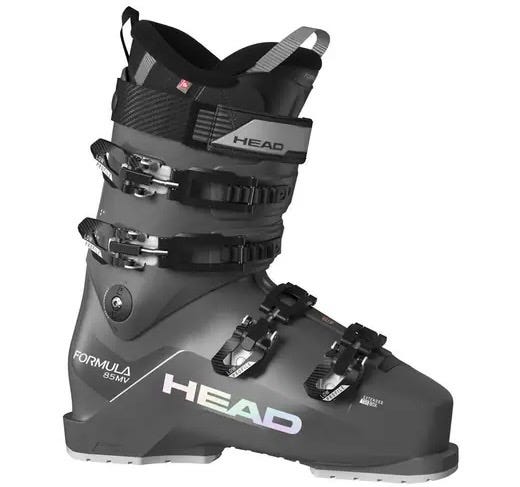
It really is not surprising that it hurt so badly. When a person with lipedema in the calves puts on a slalom boot that tightens around the lower leg, you are compressing adipose tissue that is already diseased, swollen, stiff, and densely packed with pain-sensitive nerves. What is merely uncomfortable for others can feel like pure torture.
Inside lipedema fat, the fat cells are abnormally large and numerous. Between them, there is excess fluid, inflammatory cells, and a dense, stiff connective tissue compared to normal fat. The tissue is already under constant internal pressure, like an overinflated balloon. When a hard plastic ski boot is tightened around the calf, the pressure inside this compartment increases dramatically. Small blood vessels and lymphatic vessels are compressed, drainage of fluid and waste products becomes even poorer, and swelling and chemical irritation around the nerves intensify.
Pain-sensing nerve endings are densely present in the skin and fat tissue in people with lipedema, and studies show increased sensitivity to mechanical pressure and signs of neurogenic inflammation. When the boot compresses, bends, and pulls on this tissue, the nerve endings are bombarded with danger signals. The brain does not interpret this as pressure, but as burning, cutting pain. For many, it feels as if the calves are being crushed, even though the boot is only tightened to a level others tolerate easily.
In addition, the connective tissue surrounding the fat cells is often fibrotic and inelastic, almost like scar tissue. When the leg is forced into a rigid slalom boot, the calf has to change shape, but lipedema tissue cannot adapt normally. The pressure is not distributed evenly. Instead, it concentrates in narrow zones, often exactly where there are nodules and irregularities in the fat. Each small fat nodule becomes like a bruise pressed directly against hard plastic. Many people also have microscopic vessel leakage and inflammation in the area, making every additional millimeter of pressure feel like pressing on an already swollen, bruised surface. That is why it can feel as if the calves are being stabbed with a thousand knives long before the boot is objectively tight.
When lipedema fat is effectively removed through surgery, much of this diseased, painful tissue is reduced. The volume under constant pressure decreases, inflammation lessens, and the stiff connective tissue no longer cuts into the surrounding structures in the same way. Blood and lymphatic vessels can function better, and the remaining nerves have more space and less ongoing irritation. For someone who previously experienced acute, intense pain from anything tight around the calves, this often means they can suddenly tolerate socks, boots, and even slalom ski boots without feeling assaulted by their own body. The pain does not necessarily disappear completely for everyone, but the extreme, torturous pressure pain often does when the source of the hypersensitive tissue is reduced.
Today, I only ski cross-country, and I have accepted that slalom will never be my hobby. There are plenty of other activities in life.
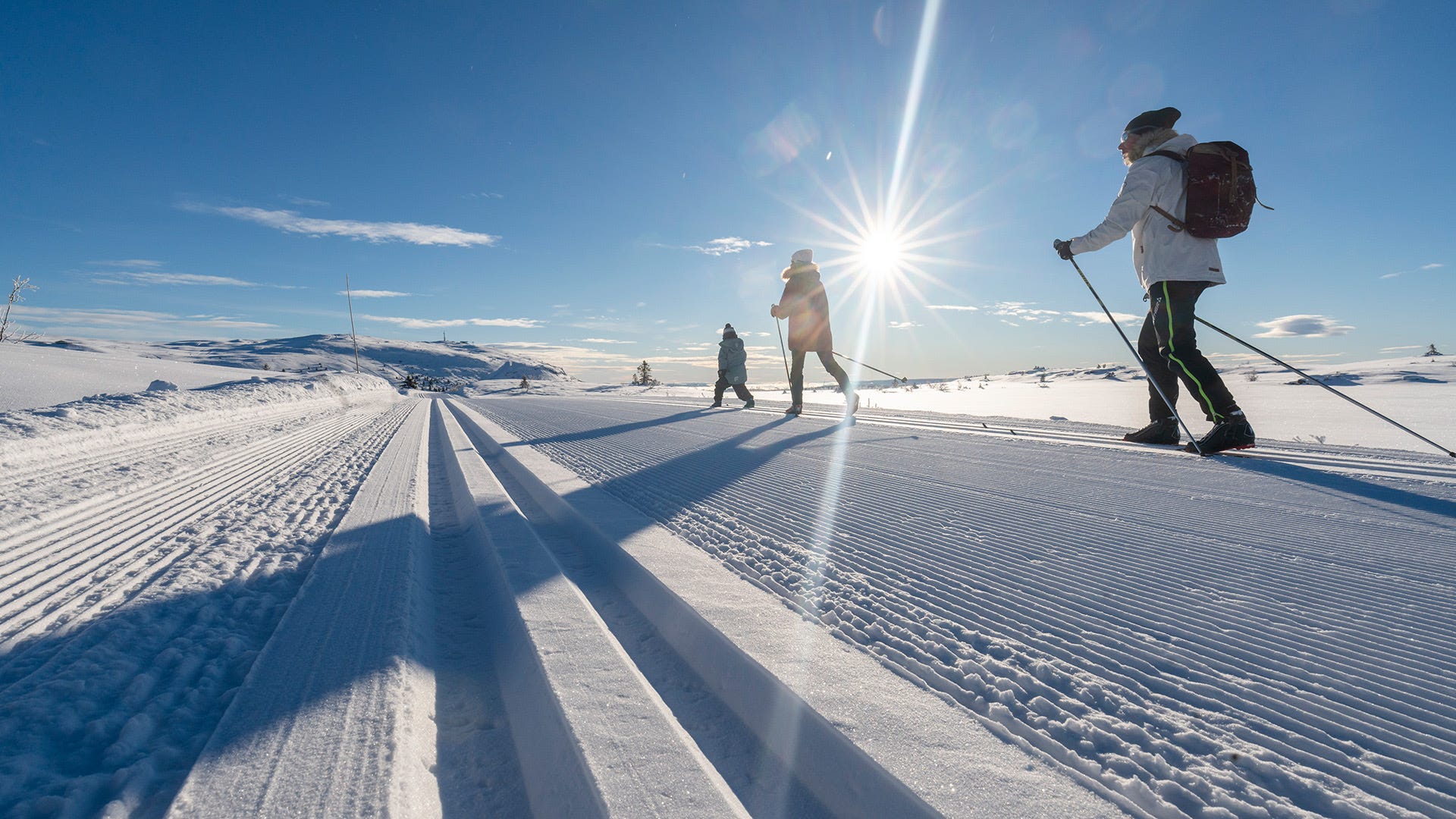
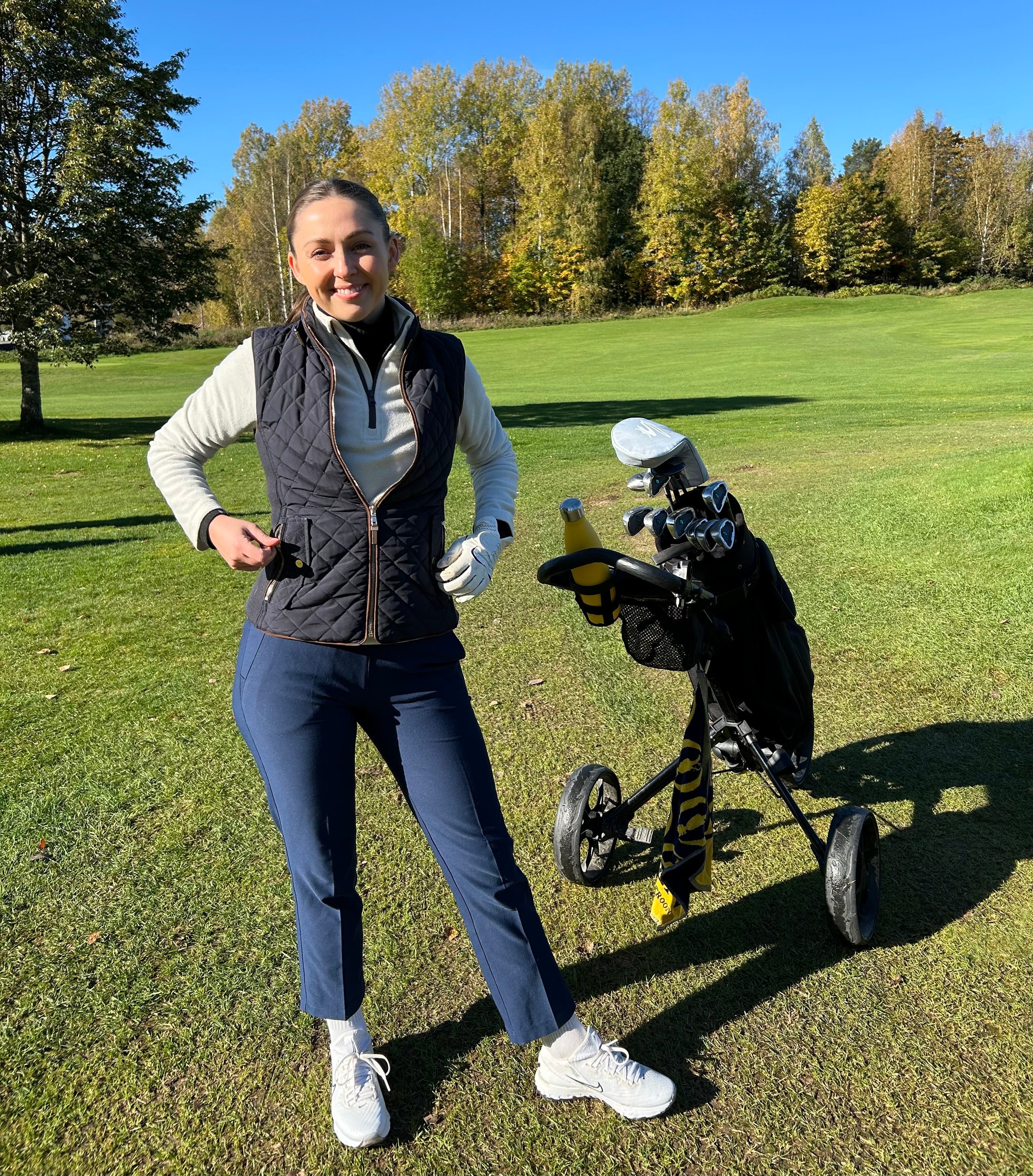
Most of you reading my posts are from countries like Australia, Canada, the UK, Turkey, and the US, and some of you may never have heard of cross-country skiing. In Norway, however, it is a deeply rooted national sport, and we often say that Norwegians are born with skis on their feet. So in winter, I ski cross-country. I also cold-dip in the sea and use sauna as contrast therapy. In summer, I play golf with my partner, my family, and friends, and I run with a group in a park. That is more than enough for me.
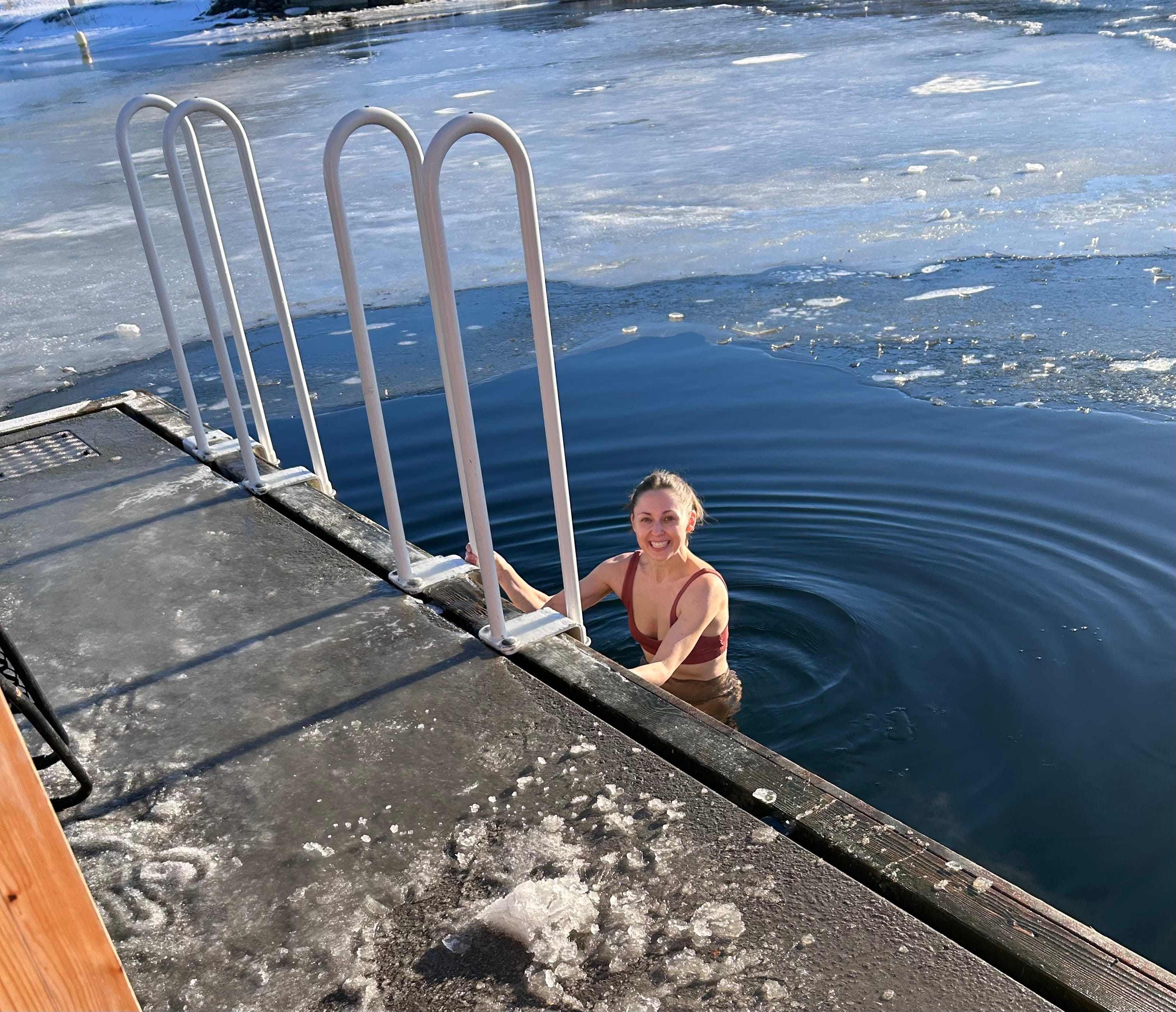
I have tried many things. Now I know what I like.
I stopped skiing as a teenager for the same reason. All my friends loved skiing. We'd go after school till the evening at 10pm when we'd take the last bus back in to town. I was about 16 or 17 the last time I went. I couldn't close the ski boots. Yet, I was a top athlete, playing handball, basketball, football/soccer etc.