

Julianne Lundanes is a Norwegian researcher with a background in movement science and clinical health science from NTNU. Her academic interests have long centered on metabolic health, obesity, physical activity, and diet. During her master’s work on nutrition after bariatric surgery, she became connected to Siren, who was then planning a project on lipedema and diet. Lundanes joined that work in a 40 percent position for one year. What began as a time limited role gradually developed into a doctoral project, and she has now worked with lipedema research since 2021.
The starting point was not a settled scientific consensus, but repeated clinical observations and patient experiences. A physiotherapist at St Olavs Hospital who worked closely with women with lipedema had noticed that several reported less pain when eating a low carbohydrate diet. At the time, this was not well documented in research, but the consistency of the reports was strong enough to justify a structured study. For Lundanes, the gap between what women described and what the literature could explain became the reason lipedema moved to the center of her research. She describes her approach as curious, humble and careful, with a strong emphasis on listening to patients while being explicit about what evidence can and cannot support.
When this research started, the knowledge base on lipedema and diet was limited. There was little systematic work examining how diet might influence pain, inflammation, or metabolic factors in women with lipedema. The team leaned on a small pilot study conducted by Vilde Sørlie and Siren, clinical experience from women with lipedema and physiotherapists, and a theoretical paper by Keith that outlined why a ketogenic diet could plausibly have beneficial effects in lipedema. In other words, the evidence base was thin, and major gaps remained.
One of the most persistent assumptions in clinical conversations is that lipedema is mainly about weight, and that weight loss should reduce symptoms. Lundanes encountered this idea early. She also saw how directly it clashed with what many women reported, namely that pain and lipedema specific symptoms often persist even after weight loss. While working on an article section about why weight loss has been treated as important in lipedema, she found no strong studies documenting that weight loss on its own reduces pain or other lipedema specific symptoms. The evidence supports preventing further weight gain, and weight loss can still be valuable for general health when obesity is present, but that does not mean weight loss addresses the mechanisms driving lipedema pain. This tension between experience and documentation shaped much of her work and highlights why the field needs research that separates effects on general health from effects on lipedema symptoms.
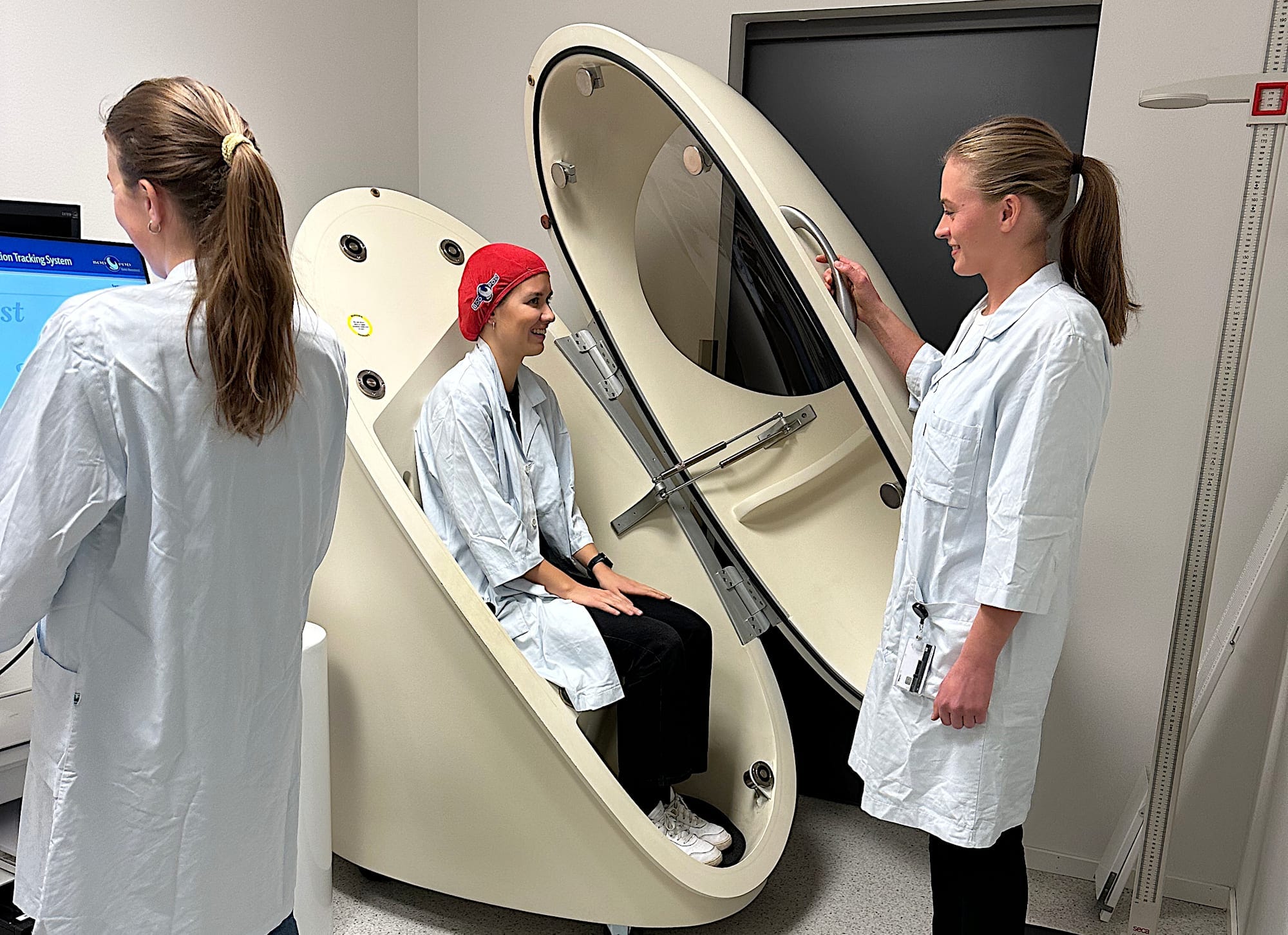
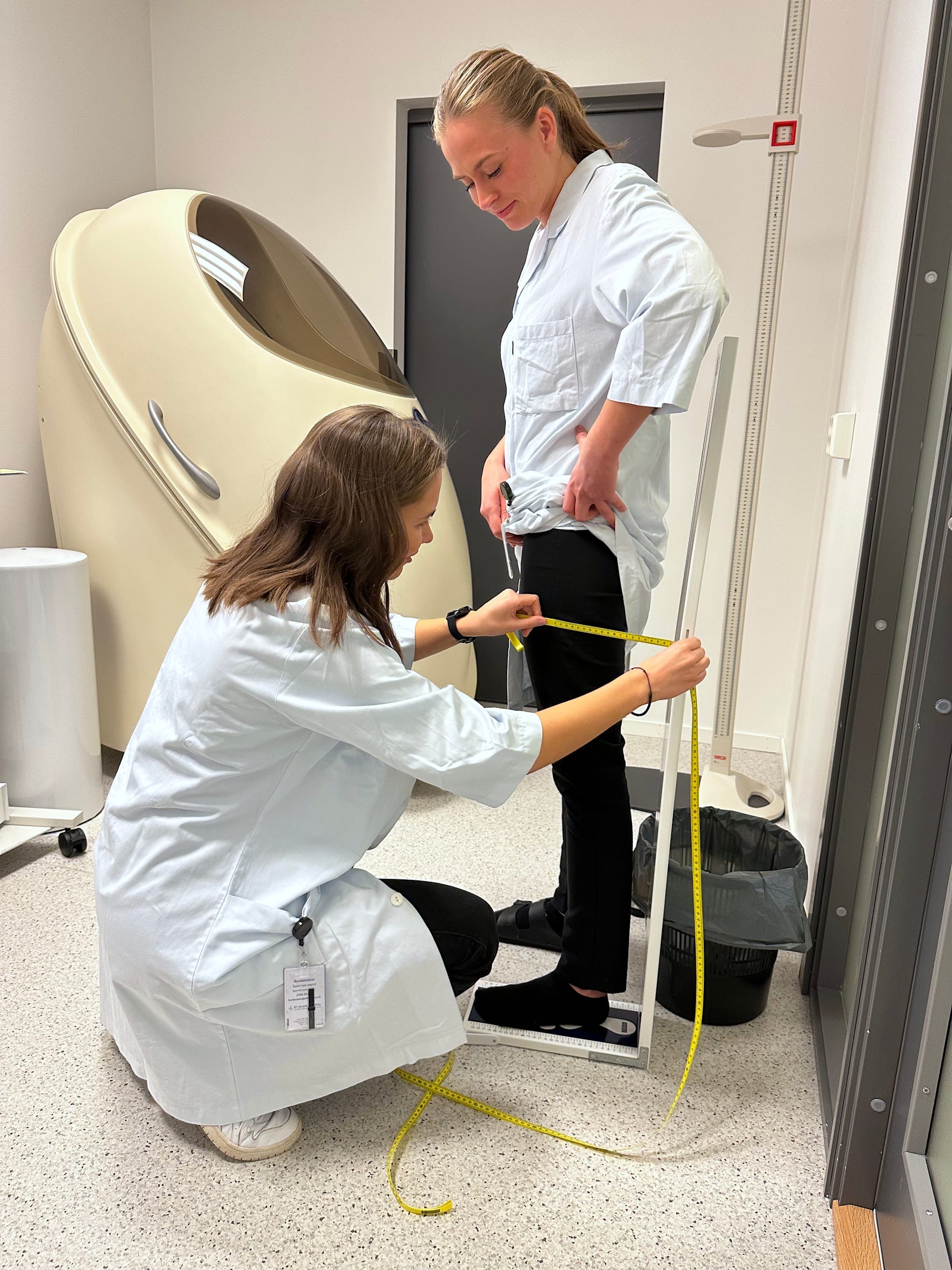
The Lipodiet study was designed to test whether different dietary strategies influence pain in women with lipedema and obesity. Participants had both lipedema and obesity, defined as a body mass index above 35. They were randomized to eight weeks of either a low carbohydrate diet or a low fat diet. Before and after the intervention, the researchers assessed pain, quality of life, and appetite, along with body composition measures such as weight, fat mass, and body water. They also measured inflammatory markers in blood. The main question was whether pain changed and what factors, if any, were linked to that change. The team was particularly interested in whether inflammation, changes in body composition, or ketosis could help explain any effects.
Pain was intentionally chosen as the primary outcome. Lundanes emphasizes that pain is often the most burdensome symptom in lipedema, affecting daily function, work capacity, and quality of life. Pain was measured using the Brief Pain Inventory, a validated questionnaire where participants rate pain on a scale from zero to ten across multiple dimensions, including strongest pain,weakest pain, average pain, and pain at the moment. Some questioned why a self reported measure was used as the main endpoint rather than biological markers. Her position is straightforward. Pain is inherently subjective, and patient reported measurement is widely regarded as the gold standard in pain research. If the goal is to identify interventions that matter to patients, pain must be measured as patients experience it.
A key finding was that the low carbohydrate diet reduced pain, and that this reduction did not depend on weight loss. This matters because both groups lost weight. The low fat group, for example, lost about seven percent of body weight on average, yet did not experience pain reduction. If pain were primarily driven by mechanical load or body weight, weight loss should have been linked to reduced pain across groups. It was not. These results support the idea, also consistent with Lundanes’ broader thesis findings, that weight loss alone does not reliably reduce lipedema pain, even though weight management can remain important for overall health in people with obesity.
The study also examined systemic inflammatory markers. In the low carbohydrate group, some markers decreased, including TNF alpha, hsCRP, and MIP one beta. This aligns with the broader hypothesis that diets inducing ketosis can have anti inflammatory effects. At the same time, the study did not show clear between group differences when changes were compared directly, and several relevant cytokines were outside the measurable range in their assays, including IL 6 and VEGF. Most importantly, changes in systemic inflammation did not correlate with changes in pain, weight, or ketone levels. These findings can suggest that diet may influence certain systemic markers, but they do not demonstrate that inflammation is the primary driver of lipedema pain. They also do not tell us what is happening locally in adipose tissue, which may be more relevant than blood markers.
The absence of a clear relationship between inflammation and pain points to complexity. In this study, pain reduction did not track with systemic inflammatory markers, ketone levels, body water, fat mass changes, or weight loss. That pattern suggests a multifactorial pain picture where several mechanisms may contribute at once, and where the relevant biology may sit at a tissue level that blood tests do not capture.
Body composition changed in both dietary groups, with more pronounced improvements in the low carbohydrate group. Notably, the study saw changes in lower limb measures, particularly the calves, which are often heavily affected in lipedema. Lundanes notes that one plausible explanation involves hormonal regulation, especially lower insulin levels that may facilitate fat mobilization. The low carbohydrate group also showed more favorable appetite regulation, which may support adherence, even when reported energy intake looked similar across groups. Regarding body water, they did not find clear differences in total body water, but the measurement method has limitations in this patient group, so the findings do not allow strong conclusions about edema or lymphatic factors.
Quality of life improved in both groups, especially in physical function and body image. Lundanes highlights function as the most clinically meaningful dimension from a patient perspective, meaning the ability to work, move, participate socially, and feel less constrained in daily life. When lipedema specific quality of life was assessed using LYMQOL, clearer improvements appeared in the low carbohydrate group. After the intervention, women in that group moved closer to reference levels seen in women without lipedema on general quality of life measures, including pain and general health scores. She also underlines that support itself matters. This patient group often reports long periods of not being taken seriously. Being seen, monitored, and supported can influence quality of life in ways that purely biological measures may not capture.
Appetite and satiety were central themes in her work because adherence is often the deciding factor for whether any diet can be sustained. Traditional low energy diets frequently increase hunger and reduce satiety, which helps explain why many people struggle to stay with them. In contrast, diets that induce ketosis did not produce the same increase in hunger. Lundanes notes that prior research often used very low energy diets around 800 kcal per day. In their study, the diet was about 1200 kcal per day, and they still observed stable hunger levels, which she sees as a promising signal for feasibility.
This connects directly to stigma. Many women carry shame around food and self control. Lundanes emphasizes that within obesity research, the field has largely moved beyond willpower based explanations. Hunger and appetite are regulated by biology, and traditional low energy diets can drive hunger up, making adherence harder regardless of motivation. Their findings support a biology based framing. She also points to the broader shift driven by GLP one analog medications, which visibly change appetite regulation through physiological pathways. Together, these developments help move the conversation from moral judgment to biology.
So what can a woman with lipedema and obesity be told today. Lundanes says that low carbohydrate diets may be worth trying for some, and that their study suggests potential benefits on pain, function, and quality of life at a group level. At the same time, response varies, and it is not appropriate to promise that everyone will improve, or that effects will persist long term, since long term evidence in lipedema is limited. She recommends discussing any major dietary change with a clinician, particularly to assess kidney function, lipid profile, medications, and other contraindications. She also suggests that a moderate low carbohydrate approach may be more appropriate than a very strict ketogenic approach for many.
Some people are not ideal candidates. Women with an unfavorable lipid profile, particularly high LDL cholesterol, should be cautious because low carbohydrate diets often involve higher fat intake. Those with kidney disease may also require special consideration. A history of eating disorders is particularly important, since restrictive patterns can trigger harmful dynamics. Pregnancy, breastfeeding, and medication use also require individual assessment. She also clarifies that the carbohydrate level in their study was higher than what is often defined as ketogenic, which may reduce some risks compared with stricter versions

On the healthcare side in Norway, Lundanes’ impression is that structural limitations shape what is offered. Physicians and physiotherapists may do strong work on diagnosis, pain management, and function, while nutrition counseling is typically the role of clinical dietitians, which can limit access to concrete dietary guidance. She acknowledges that some women still experience variable quality and insufficient treatment, pointing to a need for better organization, knowledge sharing, and coordinated care.
If she could change one thing in the patient pathway, it would be a structured, multidisciplinary service that is equal across regions. Women should not receive fundamentally different care depending on where they live. Compression, function, diet, and pain should be handled together through a predictable pathway, not through fragmented referrals. She also believes all regions should ensure equal access to compression therapy and properly fitted garments as a baseline intervention, along with access to a clinical dietitian so nutrition guidance does not fall between specialties.
After completing her doctoral work, Lundanes says she is left with more questions than answers, particularly about what happens in lipedema adipose tissue at a cellular level and how that biology connects to pain and metabolism. Her view of the field is that mechanistic work is still urgently needed, including deeper tissue analyses and more sophisticated pain physiology research.

If she were to design the next major diet study in lipedema, the ideal would be a long term comparison of multiple dietary patterns over years. More realistically, she argues that at least one year is necessary. The study should include women across disease stages and body mass index categories. In women with obesity, weight loss effects should be studied explicitly. In normal weight women, energy balanced diets would help isolate the effect of diet composition independent of weight change. She would also want to follow women through early and hormonally sensitive periods such as puberty, pregnancy, and perimenopause to understand progression and hormonal factors. Mechanistic depth should include adipose tissue analyses and objective pain physiology testing alongside validated patient reported outcomes. She also sees value in combining diet with other interventions such as compression and training to reflect real world care.
Her closing hope is that women with lipedema feel taken seriously and see that their pain is real and biologically grounded, not a failure of willpower. Diet may be one useful tool for some, but lack of response should never be framed as personal blame. For clinicians, she hopes the takeaway is that lipedema is complex, that pain cannot be explained by weight or a single blood marker, and that care requires nuance, individualization, and respect for both patient experience and biological uncertainty.
This is super interesting but continues to point to exactly what is happening at a cellular level in our bodies. It seems like the affected tissues are themselves creating pain and tension by their fibrotic nature- which on some level makes complete sense. Lower inflammation from carbs can cause some relief but really that doesn’t affect the root cause.
My take away here is more that we just need MORE science. Being seen and these studies are so validating and to the point of your summary here- that alone is healing in a way.
Appreciate all the work your doing to start these conversations ❤️
Dette er så spennende! Etter nesten 4 år på strengt ketogent kosthold har eg no starta å legge til litt karbohydrater. Det er kjempeskummelt! Eg har starta bake surdeigsbrød og håper det kan vere lettere å inkludere i kostholdet. Eg hadde ett stort vekttap og betydelig redusert smerter på ketogent kosthold ❤️❤️👌