

There is a recurring misconception in nutrition that two meals with the same calorie content are roughly equivalent. In practice, that assumption breaks down quickly. Especially in conditions like lipedema, where inflammation, tissue characteristics, and metabolic responses play a central role, what you eat matters just as much as how much.
I have a background in nutrition and food science, and I have worked in the food industry. That shapes how I look at food. I still enjoy things like chips, but I rarely eat them. Not because I am restrictive, but because I understand what they represent metabolically. For me, those choices are deliberate. They happen occasionally, often in a social or experiential context, not as a default.
That balance is important. But so is the foundation. And this is where structure becomes more important than willpower.
A Structured Lunch With a Clear Metabolic Direction
This was my lunch:
2 tablespoons butter
250 ml egg whites
70 g tuna
1 avocado
2 tablespoons olive oil
2 tablespoons cod liver oil
Broccoli and paprika
Q10 supplement
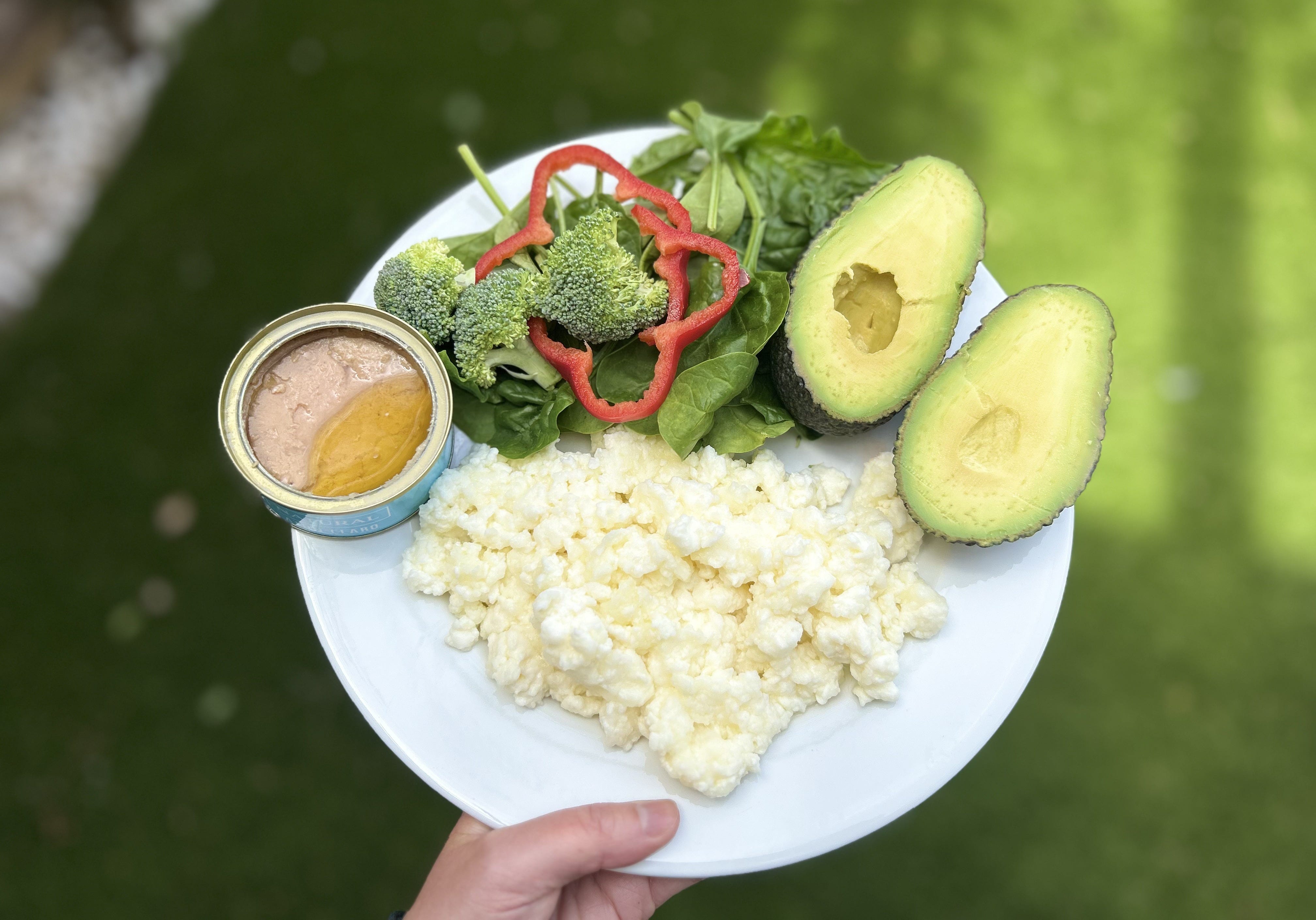
Energy-wise, this lands around 1,150–1,200 kcal. On paper, that is not far from what you get from a large portion of chips. But metabolically, the difference is substantial.
This meal is high in fat, moderate in protein, and very low in carbohydrates. That combination typically results in a lower postprandial glucose response and a more stable energy profile compared to high-glycemic, ultra-processed foods.
In practical terms, that often means fewer energy fluctuations, better satiety, and less need for constant decision-making around food later in the day.
For many women with lipedema, this matters. Not as a “treatment,” but as part of a broader strategy to support metabolic stability and reduce overall physiological stress.
Nutrient Density vs Energy Density
The key distinction here is not calories, but nutrient density.
This meal delivers:
Omega-3 fatty acids from cod liver oil
Monounsaturated fats from olive oil and avocado
High-quality protein from tuna and egg whites
Micronutrients from vegetables
Co-factors like Q10 that support mitochondrial function
In contrast, chips are primarily energy-dense and nutrient-poor. They are typically high in refined fats and starch, low in protein, and contribute minimally to micronutrient intake.
This is not a moral argument about “good” and “bad” food. It is a physiological one. One option supports cellular processes, satiety, and metabolic stability. The other primarily delivers energy and is designed to be easy to overconsume.
Understanding that difference removes a lot of unnecessary self-blame. The response you get from ultra-processed food is often predictable, not personal.
The Lipedema Context
Lipedema is associated with altered adipose tissue, increased sensitivity, and signs of chronic low-grade inflammation. While nutrition is not a cure, it can influence several relevant pathways.
A dietary pattern characterized by lower glycemic load, higher intake of anti-inflammatory fatty acids, and reduced intake of ultra-processed foods may support a more favorable metabolic environment.
That does not mean that one specific meal “reduces inflammation” in a direct or measurable way. The evidence is still developing. But the overall pattern is consistent with what we know about metabolic health.
Why I Rarely Eat Chips
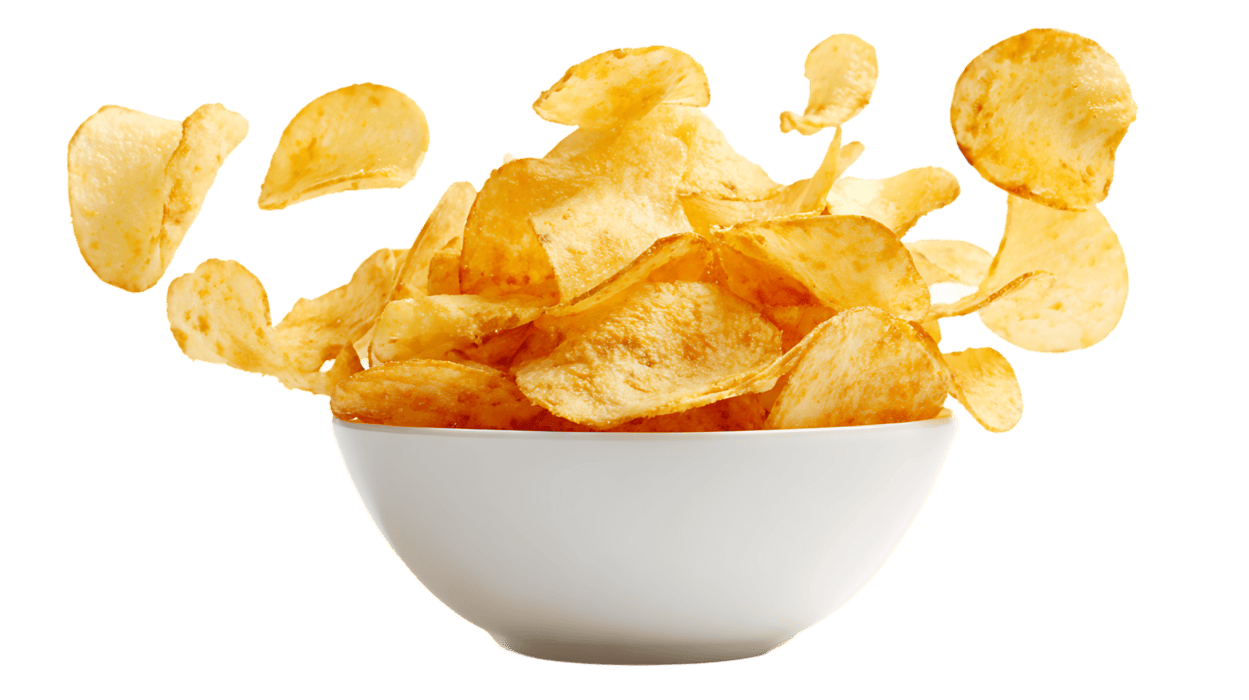
I like chips. That has not changed. What has changed is my threshold for when it is worth it. Because once you understand the difference between energy and function, between fullness and nourishment, it becomes harder to ignore. Chips do not provide what my body needs on a daily basis. They fit occasionally, not structurally.
Lipedema, in a way, reinforces that boundary. It makes prolonged imbalance less sustainable. And over time, that leads to more consistent choices, not through restriction, but through awareness.
A more useful way to think about it is not elimination, but placement.
Chips can fit. But they work best when they are:
part of a social setting
part of a defined meal
a conscious, limited choice
What tends to create problems is when they become unstructured and frequent.
If you are interested in the intersection between lipedema, metabolism, and nutrition grounded in both science and real-life application, you can subscribe to my Substack.
A More Useful Way to Think About Food
Instead of asking: “How many calories is this?”
A more useful question is: “What does this meal do in my body?”
Does it support satiety?
Does it provide building blocks?
Does it create stability, or fluctuation?
When you start thinking like this, food becomes less about control and more about function. And when meals are structured in a way that supports satiety and stability, you rely less on willpower. The biology is doing more of the work for you.
How to Apply This in Real Life
If you want to make this practical, start simple.
Focus on structuring one meal per day with:
a stable fat source
a clear protein source
low-glycemic vegetables
Keep ultra-processed foods as an intentional part of your diet rather than a default.
You do not need to change everything at once. Consistency in one meal is enough to start shifting the overall pattern.
Closing Perspective
Two meals can contain the same amount of energy and still have completely different effects on the body. One primarily fuels. The other both fuels and supports. For women living with lipedema, that distinction is often felt, not just measured.
Further Reading
If you are following this work, you are already engaging with a topic that still lacks clear answers and practical guidance.
Below you will find a selection of articles within the same area that expand on nutrition, metabolism, and lipedema. These go deeper into the mechanisms, patterns, and practical implications discussed here.
If you are not yet part of LipedemaScience, this might be a good place to start. All support for this work contributes to making research-based knowledge more accessible and applicable for women living with lipedema.


