

As a food scientist who also lives with lipedema, I think this is one of the most important things to understand when you live with this condition: anti-inflammatory food is not a biological yes-or-no category. It is a shorthand we use to describe foods or dietary patterns that, on average across populations, are associated with a more favourable inflammatory profile.
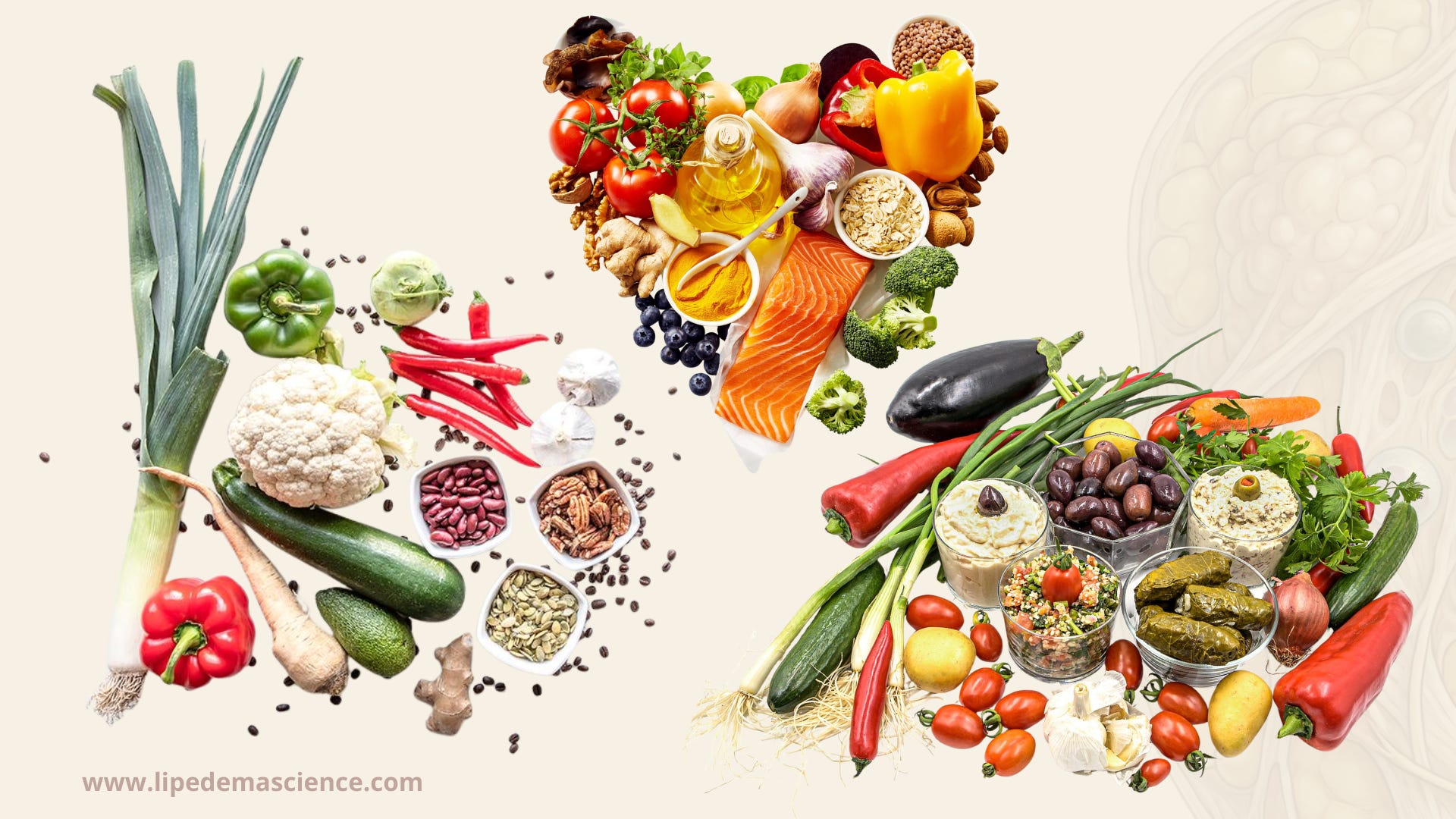
The evidence is strongest when we look at dietary patterns rather than isolated foods. Mediterranean-style dietary patterns, for example, have been shown in randomised trials to influence inflammatory markers including CRP, TNF-α and several interleukins. These are different substances we can measure in the body that can tell researchers something about inflammatory activity. Tools such as the Dietary Inflammatory Index also attempt to estimate the inflammatory potential of an overall diet based on research linking nutrients and foods with inflammatory biomarkers. But even the DII is a population-level research tool; it is not a test telling us whether broccoli, tomatoes, dairy or almonds are inflammatory for you. The same dietary inflammatory score does not necessarily translate into the same inflammatory state in every individual.
That is why I dislike the idea of an “anti-inflammatory food list” when it is presented as universal truth. Foods commonly placed on those lists tend to contain components that could contribute to a lower-inflammatory dietary pattern - fibre, polyphenols, carotenoids, unsaturated fats, omega-3 fatty acids and so on. That is useful nutritional information. But your body does not read the list.
Two people can eat the same meal and have quite different physiological responses. In PREDICT 1, more than 1,000 adults showed substantial person-to-person variation in glucose, insulin and triglyceride responses after identical meals. Earlier work involving 800 people similarly found large differences in glucose responses to the same foods. That does not mean every different glucose response equals a different inflammatory response, but it demonstrates an important principle: food interacts with a biological system, and our biological systems are not identical.
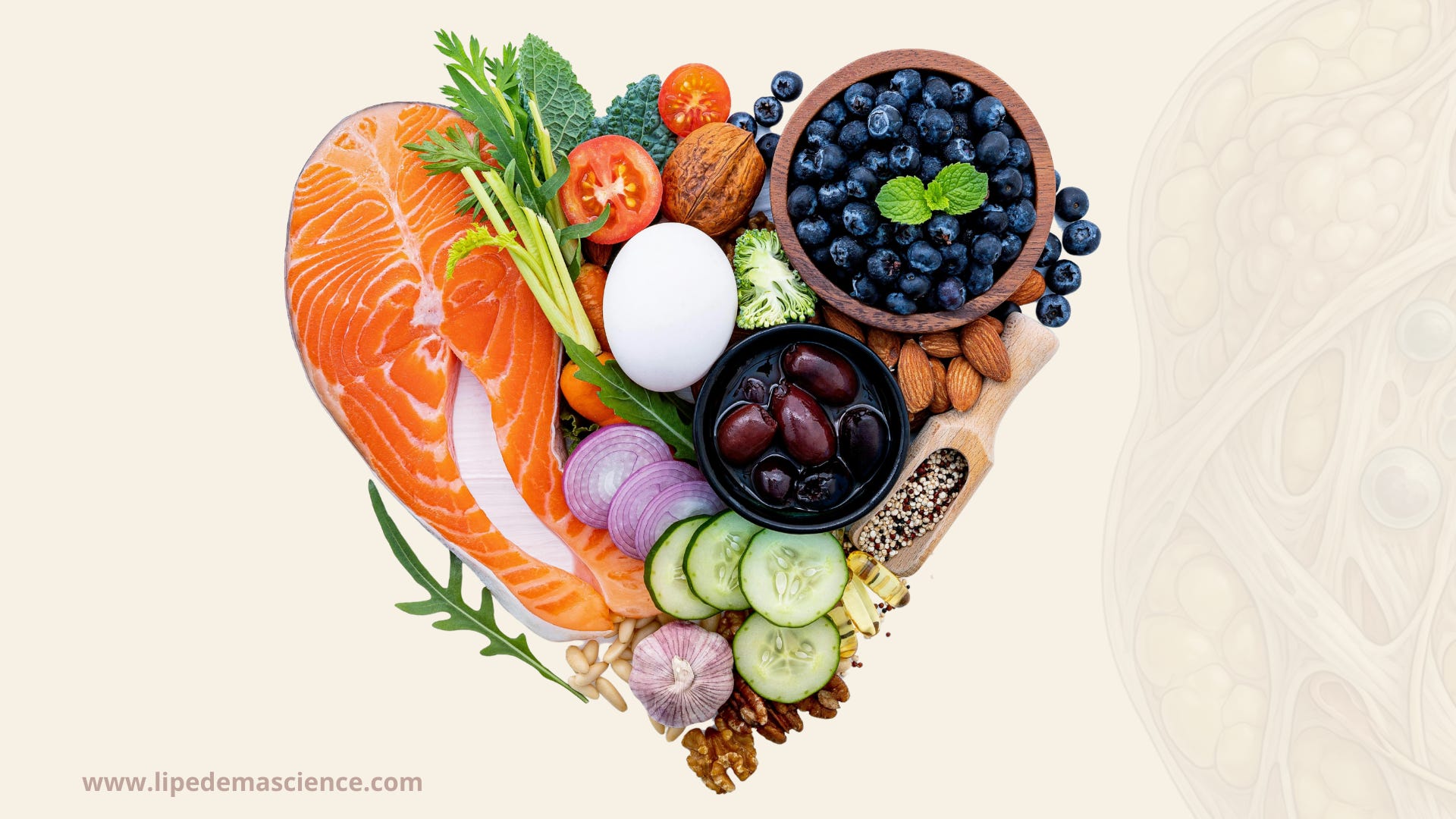
There are also much clearer examples where an otherwise nutritious food can produce an undesirable immune response in a particular person. Someone with a genuine food allergy can mount an immune response to a food that would be perfectly healthy for most people. Gluten is another obvious example in someone with coeliac disease. Conversely, feeling bloated after eating a food does not automatically mean that food has caused inflammation. Intolerance, fermentation and gastrointestinal symptoms are frequently confused with inflammation online.
There is no magical group of foods that enters the body and switches inflammation off.
When scientists describe a food or diet as “anti-inflammatory,” we are usually talking about what has been observed across groups of people: certain dietary patterns are associated with lower concentrations of particular inflammatory biomarkers or a lower risk of inflammation-related disease.
That is very different from saying, “This food is anti-inflammatory for everyone.”
Your response depends on the whole biological context - your health, metabolism, immune system, gut microbiome, allergies, medications, activity, the amount you eat, what you eat it with, how it is prepared and what the rest of your diet looks like.
This is why, as a food scientist, I would much rather teach you how an anti-inflammatory dietary pattern is constructed than hand you a green list and a red list. A blueberry does not become medicine because it appears on an infographic, and a food does not automatically become “inflammatory” because you experience a symptom after eating it.
Nutrition is much more interesting - and much more complex - than that.
There is another part of this that I think is particularly important: personalisation should not turn into nutritional chaos either. Individual variation does not mean that nutrition science has no generalisable findings. We absolutely do have useful evidence about dietary patterns and health. It simply means that we can have strong population-level principles and acknowledge that applying those principles to an individual requires context.
This matters particularly when you have lipedema because “inflammation” has become one of the main explanations used to justify dietary advice in our community, even though the science is much more nuanced.
There is evidence that inflammatory processes are involved in lipedema biology, and newer studies have found associations between more pro-inflammatory dietary patterns, higher inflammatory markers and, in some studies, greater pain. But this does not yet establish that a particular food causes inflammation in lipedema tissue, or that eliminating foods from an “inflammatory foods” list treats lipedema. A 2025 systematic review found only nine dietary intervention studies in lipedema, involving 269 women, with substantial differences between the studies and mostly moderate-to-high risk of bias. A 2026 review likewise concluded that there is currently no established evidence-based nutritional treatment for lipedema.
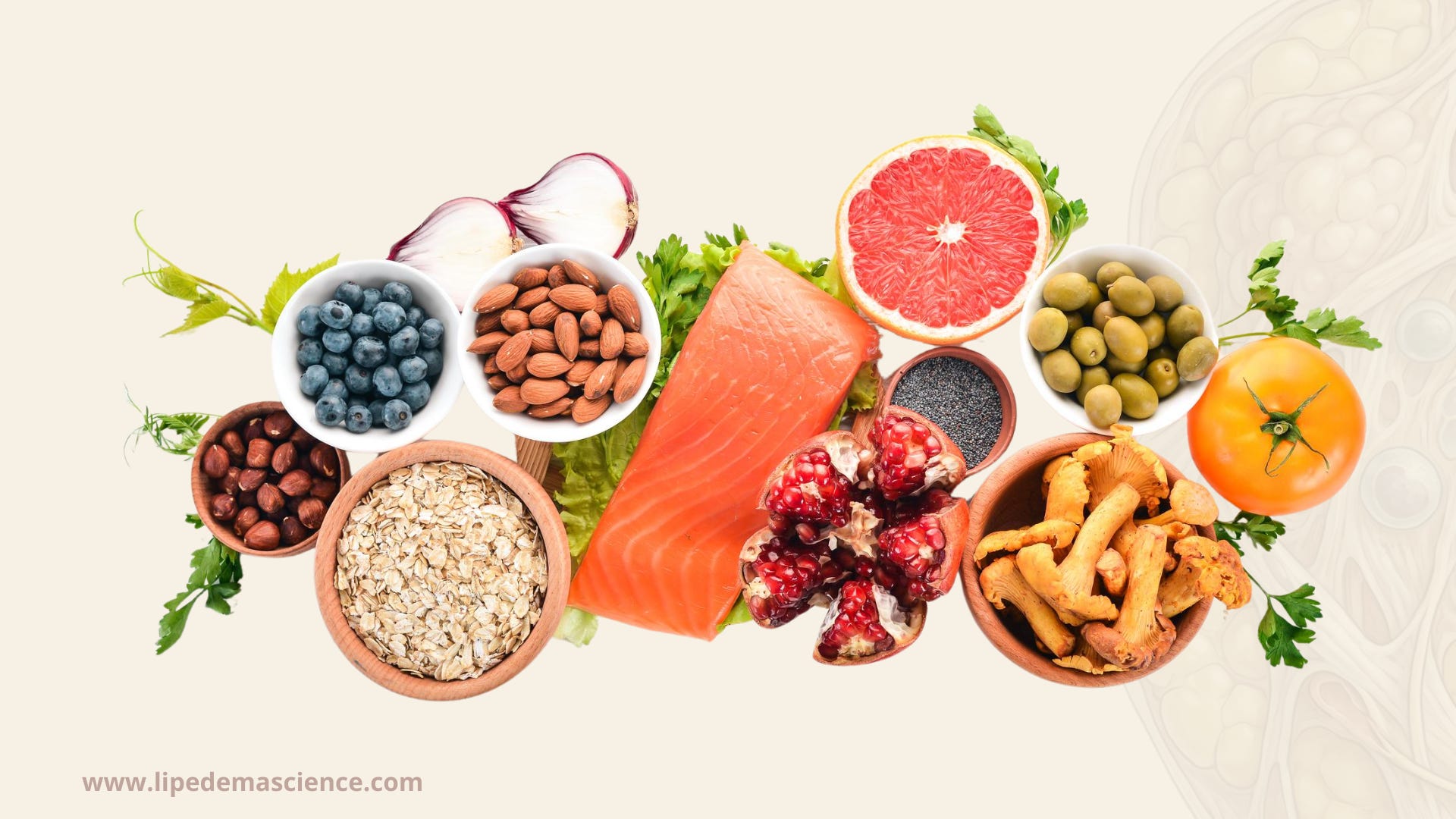
This distinction matters because when you live with lipedema, it is very easy to be told:
“Don’t eat dairy.”
“Don’t eat gluten.”
“Don’t eat tomatoes.”
“Don’t eat carbohydrates.”
“Don’t eat seed oils.”
“Don’t eat this because it causes inflammation.”
Eventually, trying to eat “anti-inflammatory” can become an increasingly restrictive way of eating without good evidence that those individual foods are actually worsening your lipedema.
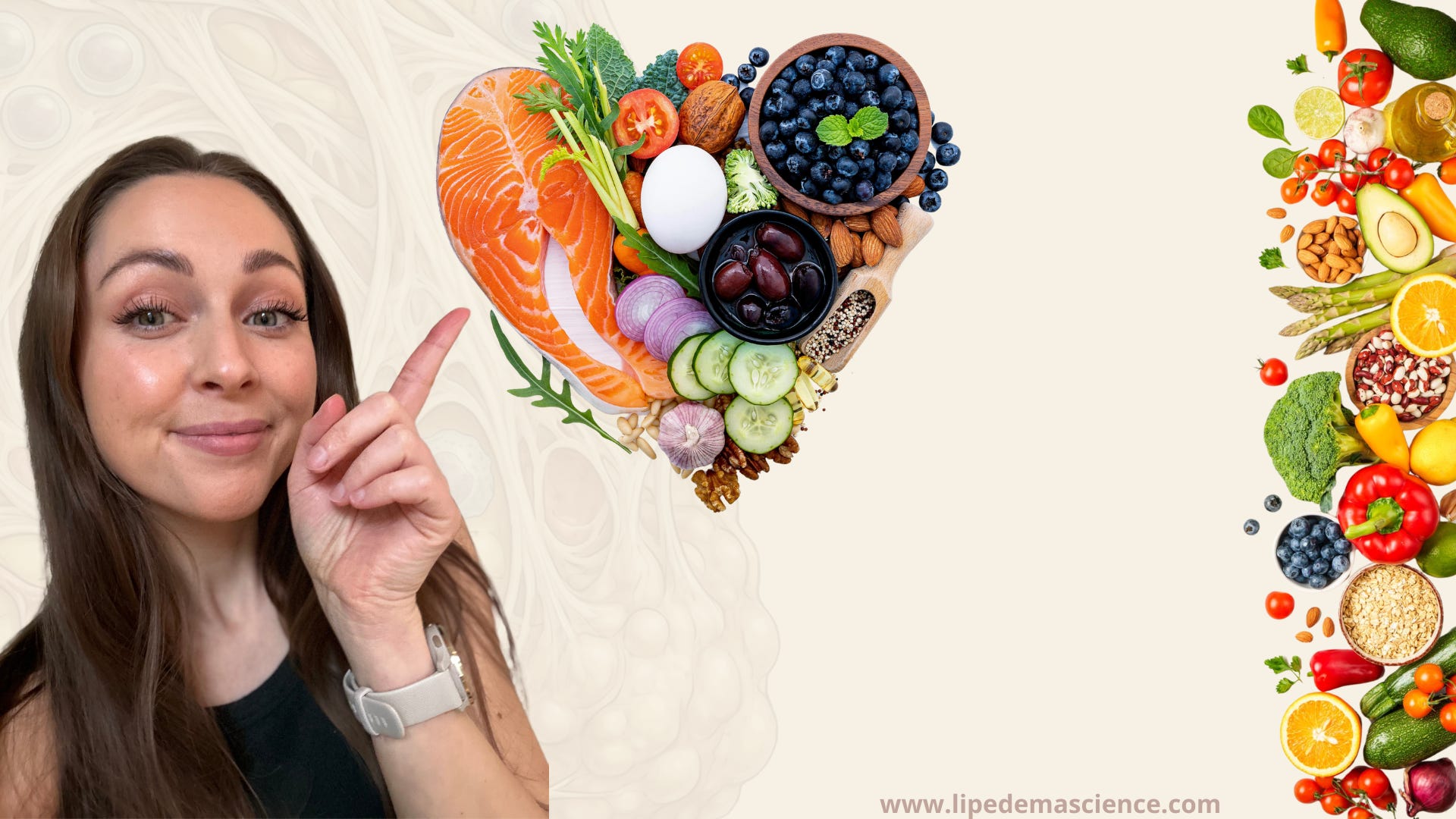
At the same time, I do not think we should swing too far in the other direction. Dietary pattern probably does matter. A 2026 study of women with lipedema found that a higher Dietary Inflammatory Index was associated with higher TNF-α and IL-6, while greater adherence to a Mediterranean diet was associated with lower concentrations. Importantly, the study was cross-sectional - meaning it looked at relationships at one point in time rather than proving cause and effect - and included only 60 women with stage 2–3 lipedema and BMI 30–40. It therefore cannot demonstrate that particular foods caused their inflammation or that the same relationship applies to every person with lipedema.
That is where the distinction between population evidence and your individual body becomes useful.
Something can be part of a generally health-promoting, lower-inflammatory dietary pattern while still being unsuitable for one particular person because of an allergy, coeliac disease, intolerance or another medical reason. Conversely, feeling pain, swelling or bloating after eating something does not automatically demonstrate that the food has produced systemic inflammation or aggravated your lipedema tissue. Your symptoms are important information, but symptoms are not themselves an inflammatory biomarker.
For those of us living with lipedema, I therefore think the more useful question is not:
“Is this food inflammatory?”
It is:
“What does my overall way of eating look like, what evidence do we have for it, how does my body respond to it, and can I eat this way sustainably while meeting my nutritional needs?”
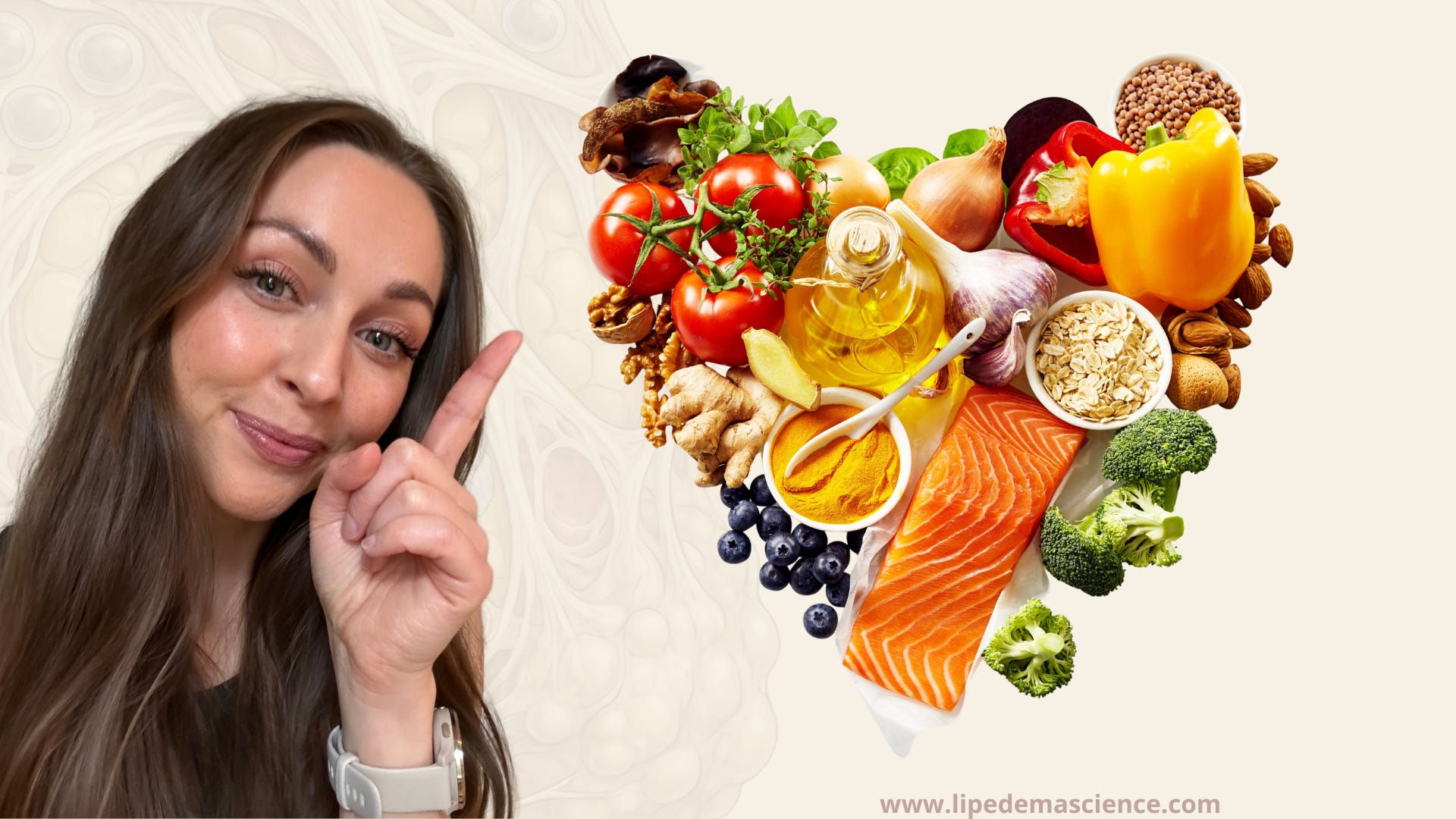
That changes the whole conversation. Instead of hunting for the perfect anti-inflammatory food list, we can build a dietary pattern around vegetables, fruit, legumes, whole grains where tolerated, nuts and seeds, fish and other appropriate protein sources, unsaturated fats and minimally processed foods - while adjusting it for the individual rather than treating the list as a prescription.
And this is particularly relevant to lipedema because when you live with a chronic condition, you can very quickly accumulate more and more rules in the name of controlling inflammation. The current evidence does not justify making food frightening.
There is also an interesting scientific tension here. Recent lipedema studies are beginning to show relationships between diet quality and inflammatory biomarkers, but we are still a long way from being able to say, “eat X and your lipedema inflammation will decrease” or “avoid Y because it is inflammatory for lipedema.”
Foods commonly called “anti-inflammatory” that may not work for everyone
Here are some examples that show why a universal list becomes problematic.
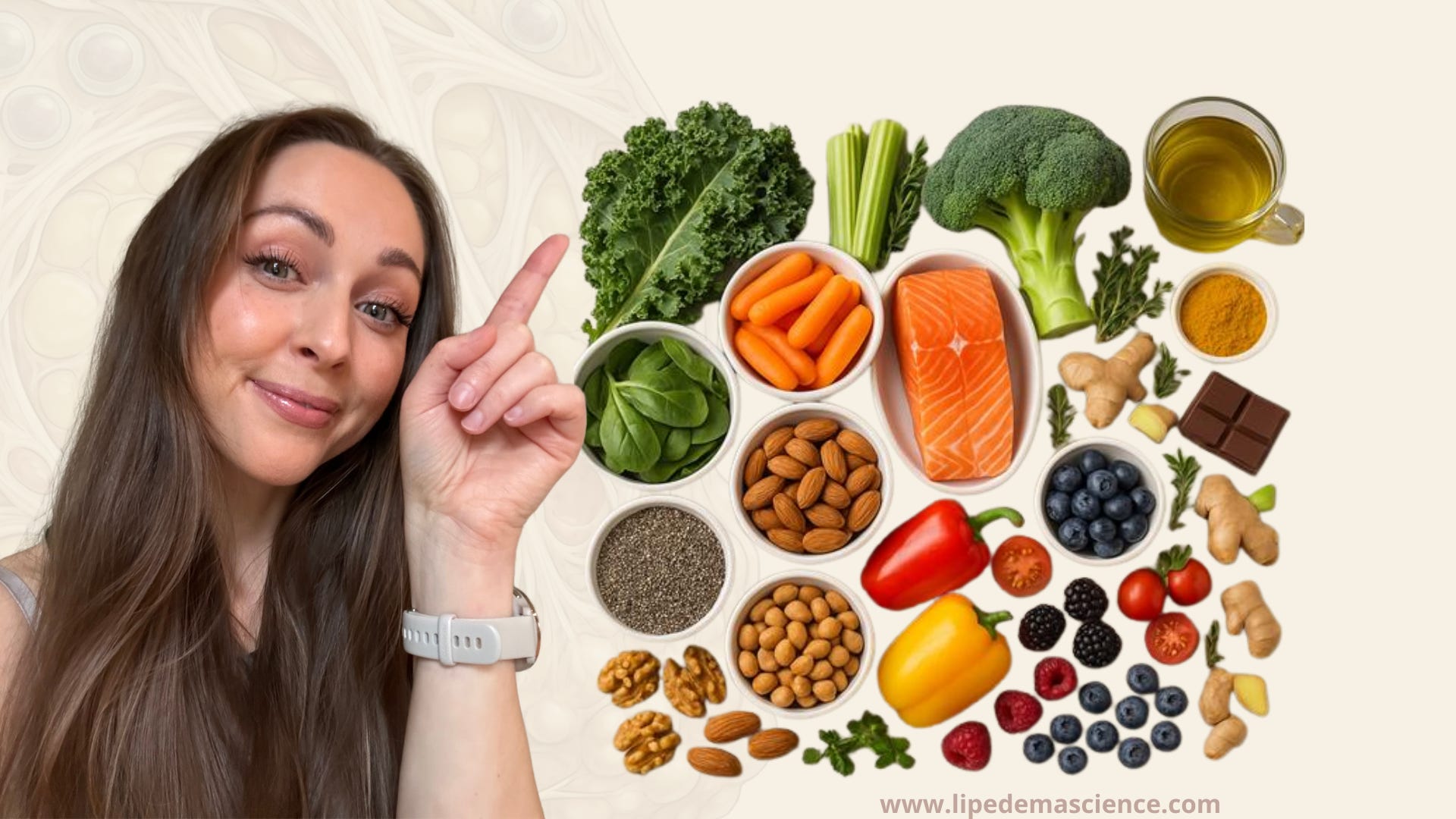
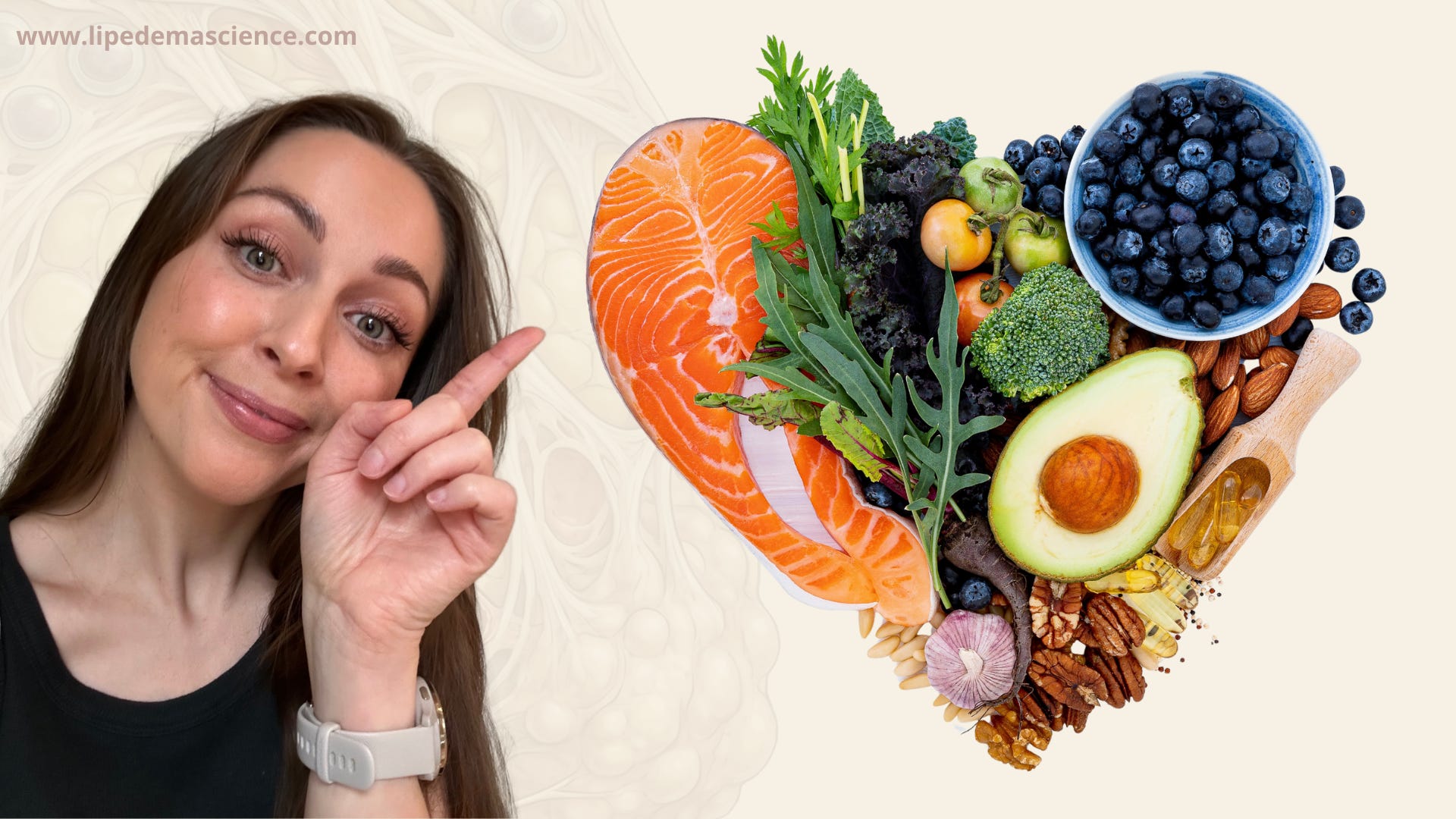
Fatty fish such as salmon, sardines and mackerel
These are commonly labelled anti-inflammatory because EPA and DHA omega-3 fatty acids can influence inflammatory pathways. But fish is also a major food allergen. In someone with a fish allergy, proteins in that same salmon can activate the immune system and cause a genuine inflammatory allergic response.Nuts such as walnuts and almonds
Nuts provide unsaturated fats, fibre, polyphenols and micronutrients and are commonly included in anti-inflammatory dietary patterns. But tree-nut allergy can produce an immune response, sometimes from very small amounts. The food can therefore be nutritionally beneficial at population level while being completely inappropriate for a particular individual.Sesame and seeds
Seeds are often recommended because of their unsaturated fats, fibre and phytochemicals. However, sesame is a recognised major allergen. For someone allergic to it, sesame is certainly not “anti-inflammatory” in any meaningful practical sense, because the immune system identifies sesame proteins as a threat.Whole-grain wheat, barley and rye
Whole grains are generally associated with beneficial dietary patterns because they provide fibre, minerals and phytochemicals. But for someone with coeliac disease, gluten in wheat, barley and rye triggers an abnormal immune reaction that damages the small intestine. This is one of the clearest examples of why we cannot classify a food solely according to a universal anti-inflammatory list.Yoghurt and kefir
Fermented dairy foods are frequently promoted for their protein, micronutrients and potential effects on the gut microbiome. But someone with a cow’s-milk protein allergy can have an immune reaction to them. Importantly, this is different from lactose intolerance. Lactose intolerance can cause bloating, pain, gas and diarrhoea, but it is not an allergic inflammatory reaction.Soy foods such as tofu, edamame and tempeh
Soy provides protein, unsaturated fat and isoflavones and can fit very well within a Mediterranean-style or plant-rich dietary pattern. At the same time, soy is one of the major food allergens, so an individual with soy allergy can mount an immune response to exactly the same food.Legumes such as chickpeas, lentils and beans
These are rich in fibre, resistant carbohydrate, minerals and phytochemicals and are normally an excellent component of a health-promoting diet. Yet many legumes contain fermentable carbohydrates such as GOS, which can cause substantial bloating, pain and bowel symptoms in some people with IBS. That does not automatically mean the legumes are causing inflammation. Fermentation, movement of water into the bowel and increased sensitivity in the gut can explain symptoms without us needing to label the food “pro-inflammatory.”Garlic and onions
These frequently appear on anti-inflammatory food lists because they contain various organosulfur compounds and phytochemicals. They are also extremely high in fructans, a type of fermentable carbohydrate or FODMAP. For someone with IBS, a meal containing lots of onion or garlic can cause pronounced pain, bloating and distension. Again, the symptoms are real, but they should not automatically be interpreted as evidence that garlic has caused systemic inflammation.Fruit such as apples, cherries, mangoes and pears
Fruit is one of the foundations of many dietary patterns described as anti-inflammatory because it provides fibre, vitamins and thousands of different phytochemicals. But several fruits contain larger amounts of fructose, sorbitol or both, which may produce gastrointestinal symptoms in susceptible people. You can therefore feel significantly worse after a perfectly nutritious fruit without that proving that the fruit is “inflammatory” for your body.Cashews and pistachios
Nuts as a category are usually placed firmly on the anti-inflammatory side of food pyramids. Yet cashews and pistachios are relatively high in GOS and fructans, so they can cause gastrointestinal symptoms in some people with IBS. They can also cause true nut allergy in susceptible individuals. Two completely different mechanisms can therefore make the same supposedly “anti-inflammatory” food unsuitable for two different people.
The important lesson
This is why I would be careful with the sentence “this food becomes pro-inflammatory in my body.” Sometimes that is biologically defensible — for example, gluten in someone with coeliac disease or an allergen in someone with a genuine food allergy.
But sometimes what you are experiencing is fermentation, intolerance, altered digestion, increased sensitivity in the gut or another physiological response that is not the same thing as systemic inflammation.
So when I hear someone with lipedema say:
“Tomatoes make me inflamed.”
“Dairy causes inflammation in my body.”
“I become inflamed when I eat carbohydrates.”
My next question as a food scientist is:
What exactly do you mean by inflammation?
Pain? Swelling? Bloating? Diarrhoea? Headache? Fatigue? An allergic reaction? A diagnosed autoimmune response? Or has inflammation actually been measured? Those are very different things.
And that is precisely why an anti-inflammatory food list can never tell the whole story. It tells us something about nutritional patterns and average effects across populations. It cannot tell us exactly how your individual body will respond to every food.
So what actually is inflammation?
Inflammation is part of your body’s immune defence and repair system. It is a coordinated biological response that your body activates when it detects something potentially harmful, such as an infection, tissue injury or an immune trigger.
Immune cells release signalling molecules called cytokines and chemokines - essentially chemical messages that allow cells to communicate with one another. Blood vessels change, and additional immune cells are recruited to the affected tissue. This can increase blood flow and fluid movement and produce familiar signs such as heat, redness, swelling and pain. The purpose of this response is to contain the problem, remove damaged material and help the tissue repair itself.
In acute inflammation, this response is normally temporary and settles once the problem has been dealt with. In chronic inflammation, inflammatory signalling remains active for longer periods and can contribute to tissue dysfunction and disease.
This is also why “feeling inflamed” is not necessarily the same as having inflammation. Bloating, heaviness, pain or fatigue can have many different causes. Inflammation is a specific biological process involving immune cells, signalling molecules, blood vessels and changes within tissues.
For me, this is one of the most important things to understand about nutrition when you live with lipedema. We should absolutely be interested in inflammation, diet quality and how food may influence our health. But we also need to be precise about what the science can and cannot tell us.
Food should be something we learn to understand, not something we learn to fear.
Cytokines and Lipedema

Cytokines are tiny messenger proteins your immune cells use to talk to each other. In lipedema, this “conversation” becomes unbalanced. Signals that should help with healing linger too long or shout too loudly. The result is familiar: tenderness to touch, easy bruising, swelling, a heavy or burning feeling in the limbs, and fatigue. Understanding cytokines won’t turn you into a scientist—but it can help you choose daily habits and treatments that calm the noise.
Can Cytokines Be Detected in a Blood Test?

Karen asked a very good question after my post about inflammation:
Anti-Inflammatory Food Is Not One Recipe. Especially Not for Lipedema.

I come to this topic with two perspectives that are difficult for me to separate. I live in a body with lipedema, but I have also studied food and the human body from the inside out. My background is in Human Nutrition and Food Science, and part of my research experience involved working with cells in the laboratory, looking at bioactive peptides, intes…
Can Diet Quiet Inflammation in Lipedema? A Study on Mediterranean-Style Keto

For many people with lipedema, diet is a complicated subject. Not because food is unimportant, but because the conversation has often been too simplistic. Women with lipedema have been told for decades to eat less, lose weight, try harder, or follow the same dietary advice given to anyone with ordinary weight gain. Yet lipedema does not behave like ordinary weight gain. The affected fat tissue is painful, disproportionate, often resistant to conventional weight-loss strategies, and increasingly understood as biologically altered tissue involving inflammation, vascular changes, fibrosis, pain signaling, and possibly hormone-related mechanisms.
Mediterranean Style Ketogenic Diet and Lipedema Inflammation

Yesterday, I shared a November 2025 study of 60 women with lipedema. It linked a more inflammatory diet pattern to higher IL 6 and TNF alpha, and a Mediterranean style pattern to lower levels. You can read that one in the link below. The study we are diving into now was published in Nutrients on September 20, 2025, by a research team in Wroclaw, Poland. It is also highly relevant because it looks closely at inflammation. Let’s go through it together and see what we can learn.