

For many people with lipedema, diet is a complicated subject. Not because food is unimportant, but because the conversation has often been too simplistic. Women with lipedema have been told for decades to eat less, lose weight, try harder, or follow the same dietary advice given to anyone with ordinary weight gain. Yet lipedema does not behave like ordinary weight gain. The affected fat tissue is painful, disproportionate, often resistant to conventional weight-loss strategies, and increasingly understood as biologically altered tissue involving inflammation, vascular changes, fibrosis, pain signaling, and possibly hormone-related mechanisms.


That is why studies on diet and lipedema need to be read with nuance. The central question is not simply whether a diet causes weight loss. The more interesting question is whether a dietary intervention can influence some of the biological processes that appear to be involved in lipedema itself.
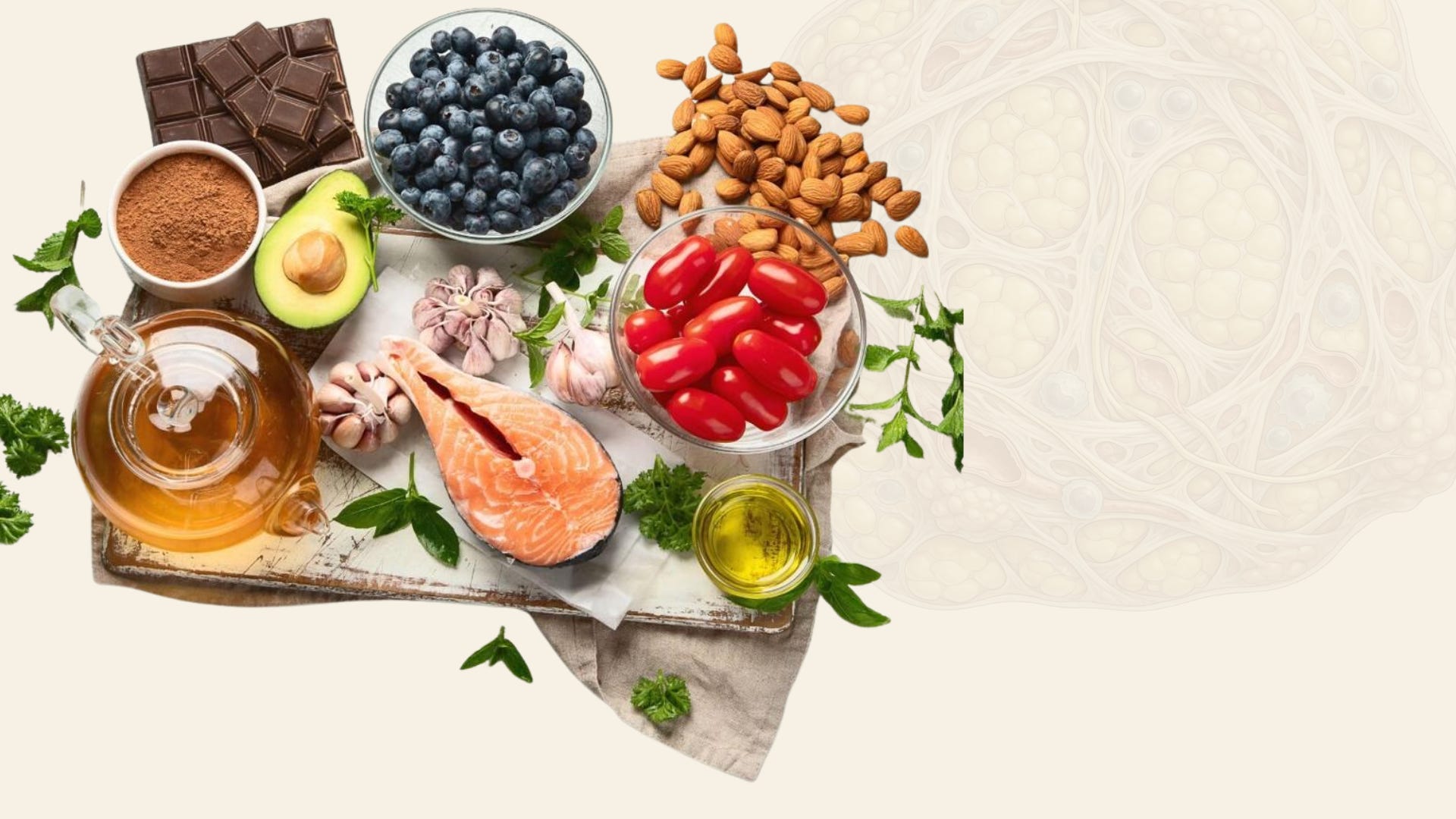
A 2025 study published in Nutrients explored exactly that question.
The researchers investigated whether a Mediterranean-style ketogenic diet could reduce the inflammatory potential of the diet and lower systemic inflammatory markers in women with lipedema.
Not all ketogenic diets are the same, and I’ll explain the difference in the article.
