

If you have followed LipedemaScience for a while, you already know the tone here is a little different. I do not try to give you one perfect answer. I try to give you a wider map.
That can feel confusing at times. You might read one story and think this is it, this is what I should do. Then you read another story and feel pulled in the opposite direction. My goal is not to make you uncertain. My goal is to make you informed enough to recognize what fits your body, your life, and your reality.
Because with lipedema, there is no one size fits all.
Our bodies are different. Our lives are different. Our chosen journeys are different. Our unchosen journeys are different.
You will meet the whole range of real experiences
On this platform you will read personal stories from women who feel better on a ketogenic diet or even carnivore. You will also read stories from women who felt worse on the same approach and found more stability with a carbohydrate rich way of eating.
Both can be true.
You will read about women who chose lipedema reduction surgery and feel deep relief and gratitude. You will also read about women who regret doing surgery.
Both can be true.
You will read about women who cannot afford surgery but wish they could. You will read about women who only want conservative treatment and feel at peace with that choice.
Both can be true.
You will read about women who feel that running and strength training reduce pain, swelling, or heaviness. You will also read about women who flare after workouts and need a gentler approach.
Both can be true.
You will read about those who struggle with weight gain or obesity alongside lipedema, and those who have a normal BMI and still live with significant symptoms.
Both can be true.
You will read about women who manage to build a good life with lipedema and even find something meaningful inside the experience. You will also read about women who feel ashamed, depressed, or isolated.
Both can be true.
Science is still finding its footing
You will also read research that points in one direction, and other research that leans toward a different conclusion. That is not because anyone is trying to mislead you. It is because there is still no consensus on many parts of lipedema.
So we do what wise people do when certainty is not available. We navigate.
We learn. We test gently. We observe patterns over time. We hold conclusions lightly. We adjust without shame. We keep curiosity alive, because curiosity is what allows growth without panic.
My own story will also be dynamic
You will see me write about strength and optimism, because I do have those. You will also see vulnerability, because I am human. Most of us do not choose one path and walk it perfectly every day for the rest of our lives.
Life happens.
Some seasons feel light. You feel like you are flowing and your routines work. Then everything can shift. Stress, grief, hormones, travel, injury, relationships, work, sleep, finances. Suddenly what felt easy feels far away.
If you only allow one version of yourself, you will always feel like you are failing when life changes.
I would rather offer you the full truth. The power is not in perfection. The power is in nuance combined with a growth mindset and a steady wish to improve, step by step, in a way you can actually sustain.
No finger pointing, no policing
I do not want LipedemaScience to be a place where people point fingers.
I have seen how social media can turn into confident statements that pretend to fit everyone. As if someone can know the best approach for every lipedema body in every country, culture, and life situation.
Who am I to decide what is best for a woman living in a completely different culture than mine, with different family expectations, different food traditions, different access to care, different finances, different stressors, different support systems?
Who am I to tell someone they are not doing enough, or that they can blame themselves for pain or progression?
And another question that matters. Is life supposed to become only about lipedema, to the point where you avoid dinners, celebrations, and community, and end up isolated?
The 80 20 approach and the cultural reality of food
This is why I often come back to a simple principle. The 80 20 approach.
Build daily habits that support you most of the time. Then leave room for life. Room for connection. Room for joy. Room for the people who matter. If you try to carry every possible intervention every single day, you will almost always end up feeling like you are failing.
Food is a clear example.
Many cultural meals and holiday traditions are rich in carbohydrates. Some people do better when they reduce those, and it is often possible to choose more protein, healthy fats, and plant compounds at the table. But for many people it becomes exhausting and socially isolating if every gathering requires saying no, bringing separate food, or constantly explaining yourself.
For some, that strict approach works well for a period. For others, it slowly erodes quality of life.
And food is never only about macros. Allergies. intolerances. IBS. other conditions that make eating complicated. Preferences. energy. time. money. access to ingredients. mental load.
These things matter. They change what is realistic, and what is worth it.
A personal example from my own life
I have studied food for years through human nutrition and food science, so some choices feel natural to me that may not feel natural to others.
My partner jokes about my snacks and says it is like eating a snack with the paper still on. He is not wrong. Many people would call it healthy. For me, it is simply familiar.
I also learned early that white refined sugar was a trigger for my lipedema symptoms. In my case it connected to inflammation, pain, and swelling, and I noticed that already back in 2012 when I was diagnosed. So I reduced refined sugar, and that became part of my normal.
That does not mean it is your first step. It means it was one of mine.
What I hope you take from all this
On LipedemaScience you will get nuance. You will get stories, research, reflections, and the messy reality that often sits between the headlines.
But I also hope you will take an active part.
Share your experience when you feel ready. Add your pattern to the bigger picture. Help us see what helps, what hurts, what surprises, what changes with time.
And please, do it without judging other women.
We come with different bodies, different histories, different sources of information, and different ways of learning. We all remember different details based on what our own lives have taught us to notice.
So let us learn together with humility, curiosity, and a steady commitment to staying kind.
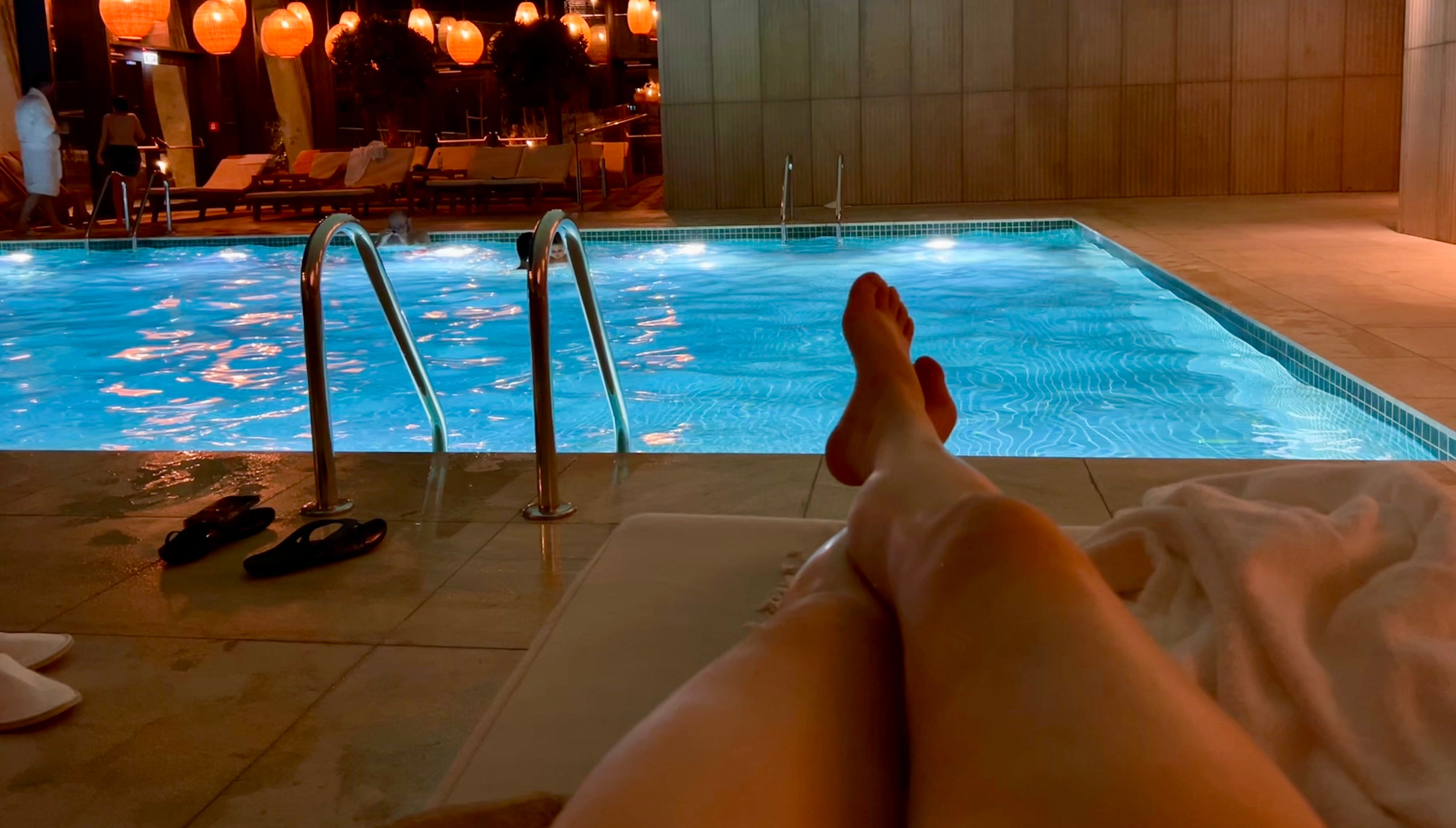
This note is me, writing from a spa, reflecting and letting my thoughts land. And if you are reading this, I hope it lands with you too.
Questions for you
What is one area of lipedema where you have felt pulled between different advice?
Have you ever tried something that worked well for others but did not work for you?
What do you wish the lipedema community talked about more openly?
I am so grateful to have found this Substack after being diagnosed with lipedema in April 2025 but having dealt with this disease for at least 23 years. (Thank you to those who share on social media since they unlocked the answers I so desperately needed after two decades!)
Something I’ve been doing that feels a bit controversial in the lippy world is heavy lifting. I can bench press my weight, leg press 500 lbs, and do 12 wide grip pull-ups. You’d never know how much muscle is in my legs since it is coated in fibrous lippy tissue. 😞