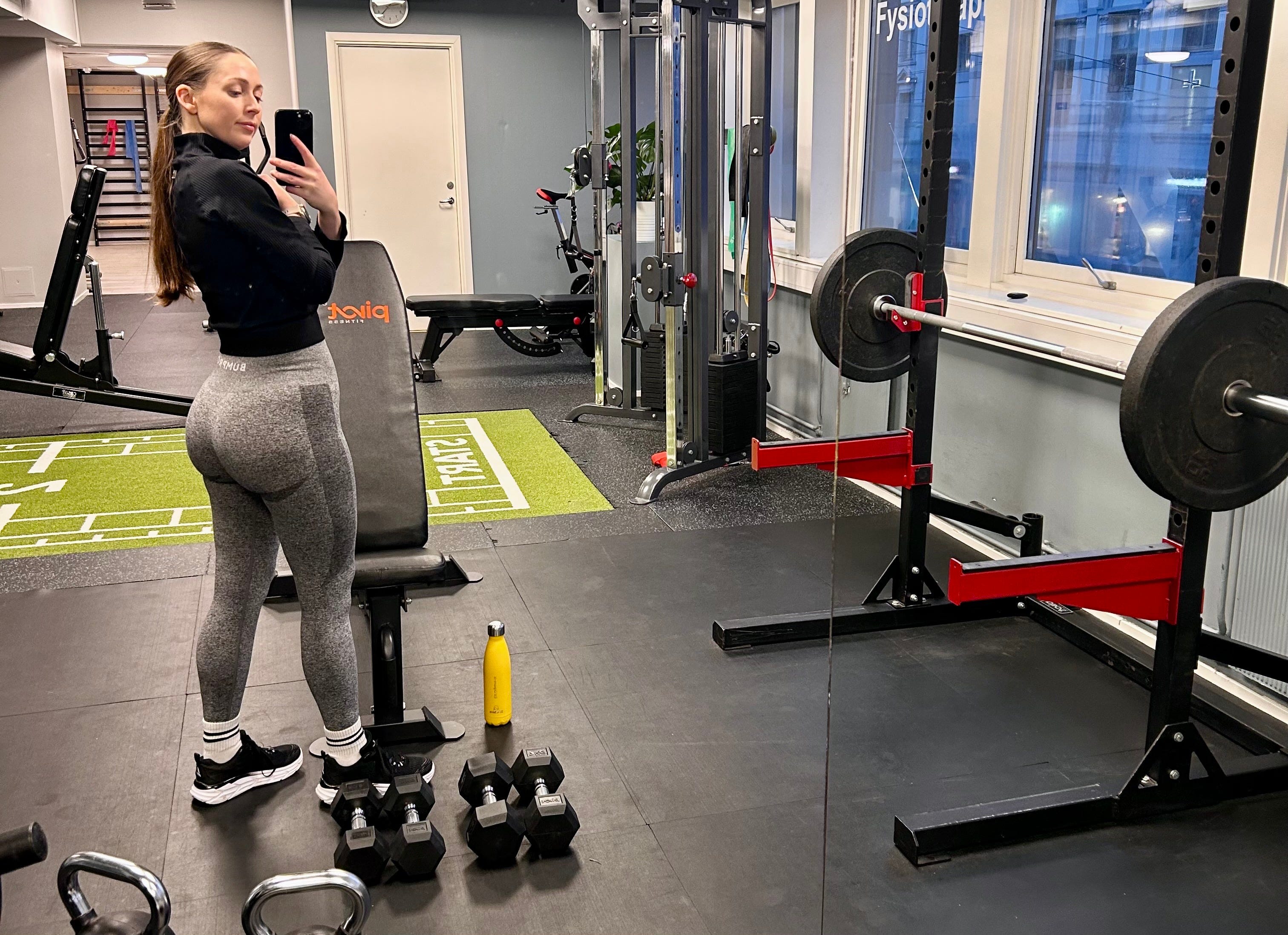
We have a lot of new followers here on LipedemaScience, so I thought it might be a good time to tell you a little more about what LipedemaScience actually is, why I started it, and what I want this platform to become.
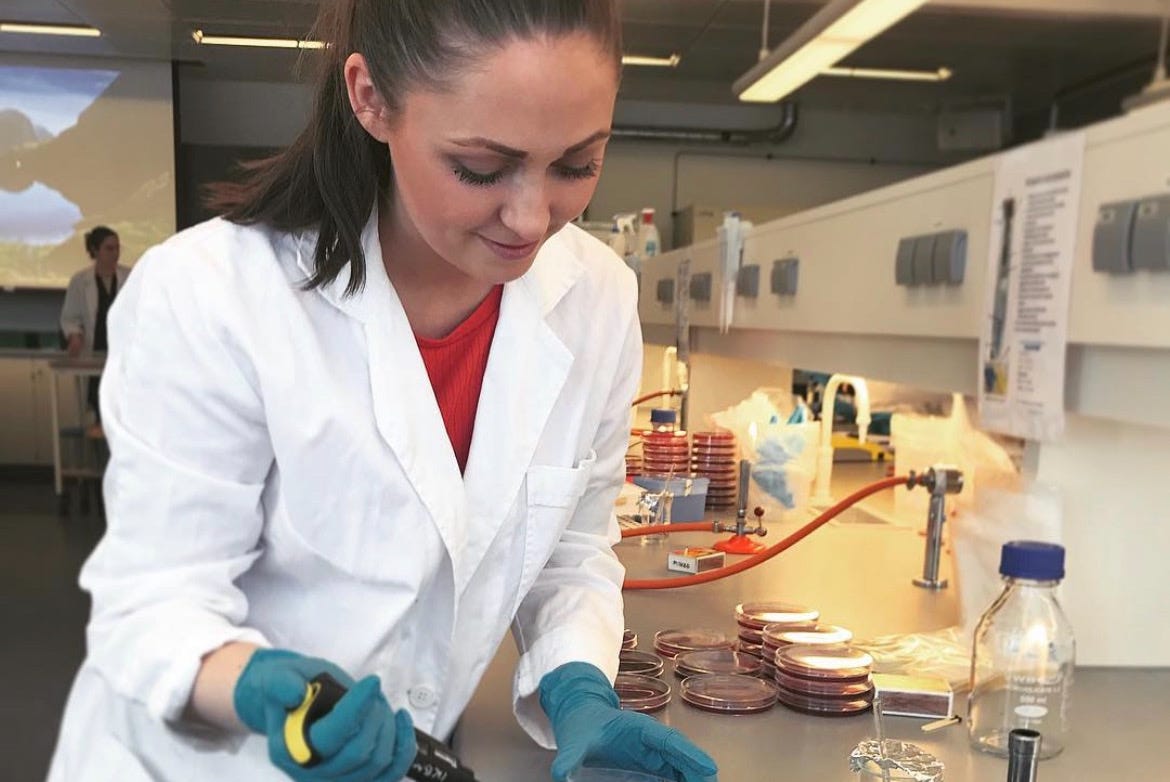
I learned that I had lipedema back in 2012, after years of severe pain. The best way I can describe it is like having a toothache inside the fat tissue. Sometimes the pain was so intense that I couldn’t sleep. I would lie in bed massaging my thighs and legs because the pressure from my hands gave me some relief.
But this was 2012.
There wasn’t much information about lipedema available to me. I didn’t find communities like the ones we have today. I didn’t know anyone else with the disease. I was completely alone with this diagnosis.
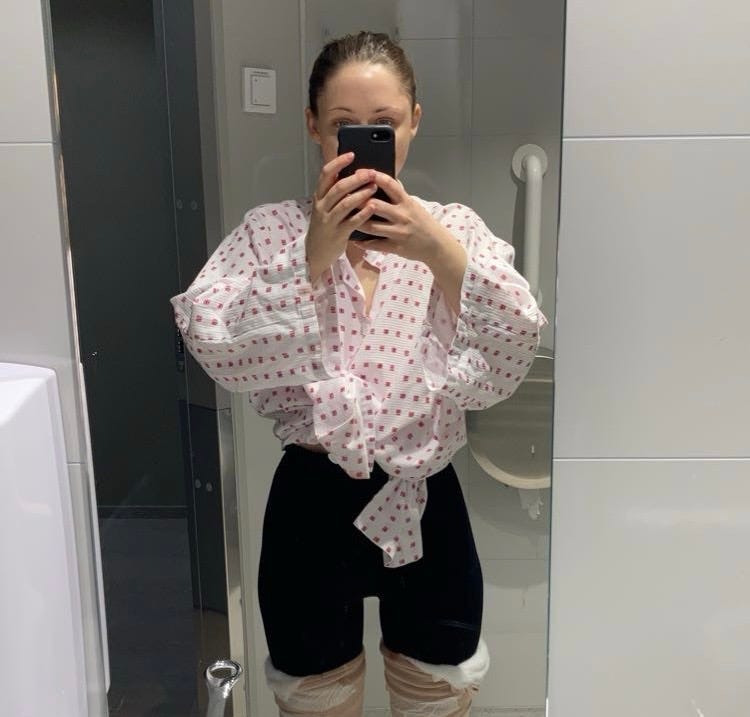
It actually took four years before I heard about another woman with lipedema. She appeared on a television programme in Norway, and I remember what a relief that was. For the first time, there was something I could send to my family and friends and say: this is what I have. There was finally another person I could relate to.
And then several more years passed.
It wasn’t until around 2020 that I started hearing about more women with lipedema. A cousin of a friend had lipedema and had undergone surgery. That became an important turning point for me. I started researching surgery myself, and before New Year’s 2021, I made a promise to myself that I would finally start that journey.
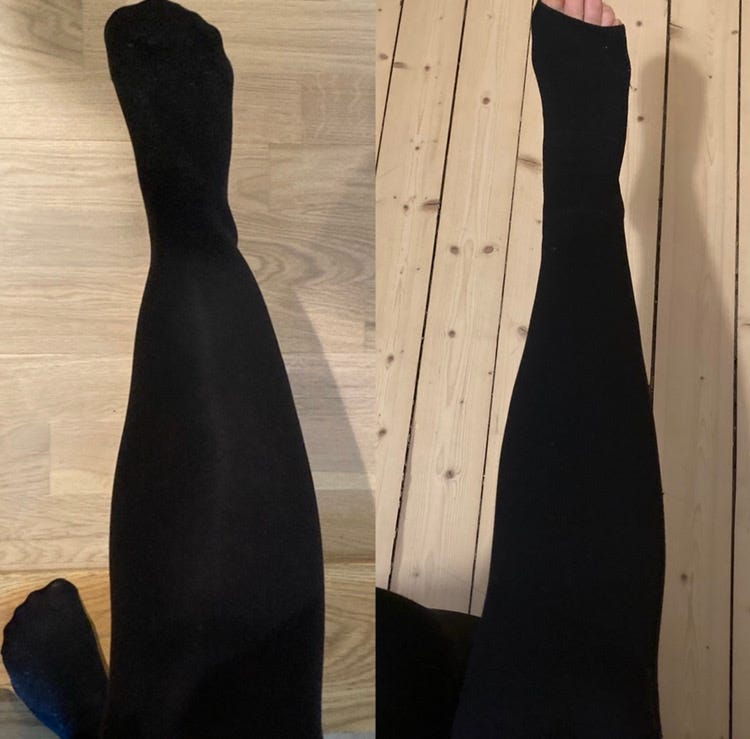
My first lipedema surgery was in September 2021. My last was in October 2022. During that period, I had four surgeries.
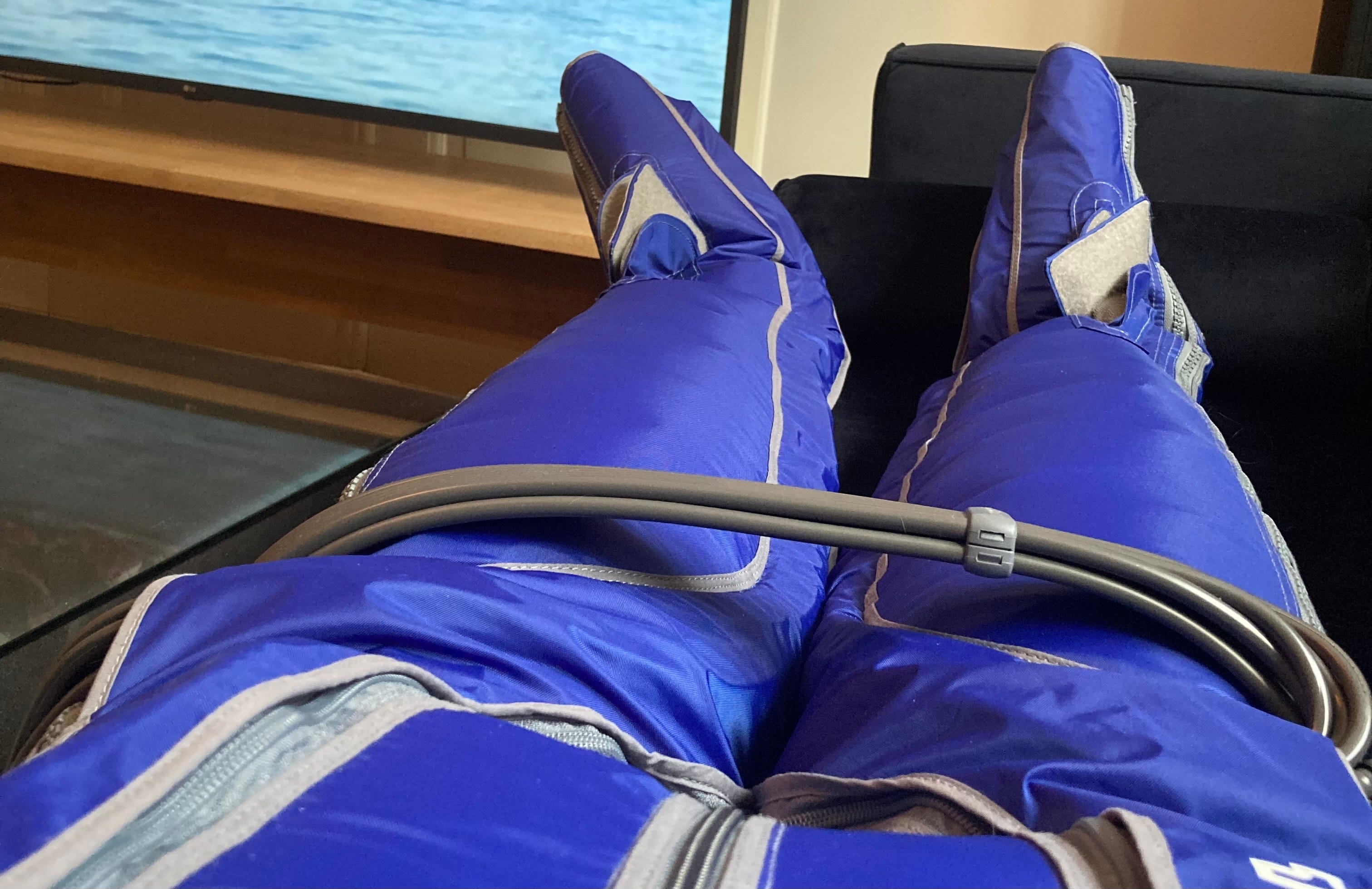
Interestingly, it was my surgeon who encouraged me to start sharing my knowledge about lipedema, particularly when it came to food, nutrition, lifestyle and food science. She met so many women who had received a diagnosis or undergone surgery but were still trying to figure out how to live with lipedema afterwards.
That eventually became the beginning of what I am doing today.
At first, I shared mainly with a Norwegian audience. Then, in November 2025, I decided to take LipedemaScience international.
One of the reasons was that I kept seeing how much interesting work was happening in different parts of the world. Lipedema doesn’t belong to one country, one healthcare system or one community. A study from Turkey can be relevant to a woman in Canada. Research from Germany, Poland, the US, Australia or France can teach all of us something.
I also think we can learn a lot from each other beyond research.
Women with lipedema live in completely different cultures, climates and food environments. We have different traditions, different resources, different healthcare systems and very different access to food.
I travel a lot myself, and my diet changes depending on where I am. If I am somewhere where beetroot is everywhere and tastes amazing, I eat more beetroot. If I am somewhere with beautiful avocados, I eat more avocado. I adapt to the food culture around me, and I actually see that flexibility as a strength.
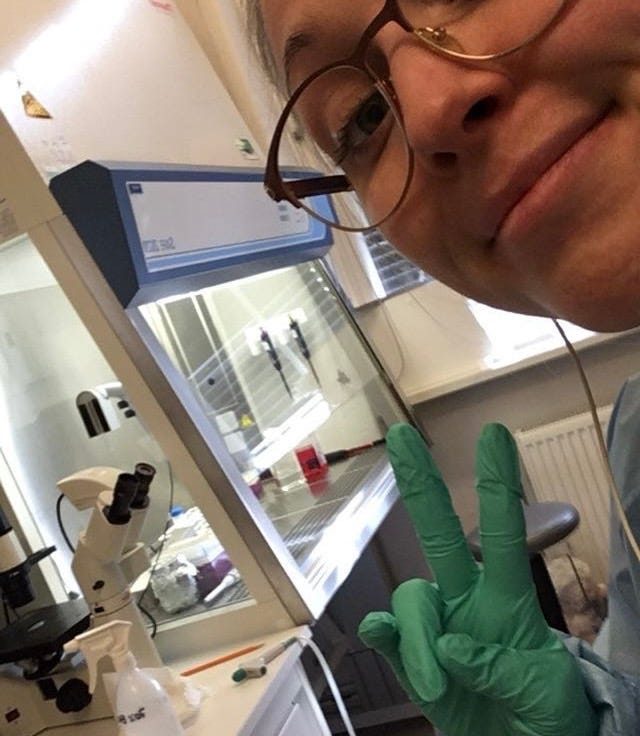
I love food. I want variety. I want to experience different cuisines and learn from the way people eat around the world.
That doesn’t mean everyone with lipedema should eat the same way I do.
Some people have very clear food triggers. Some have allergies, intolerances or other diseases that need to be considered. For some people, a more restrictive diet may genuinely make sense. And I think learning to understand your own body is incredibly important.
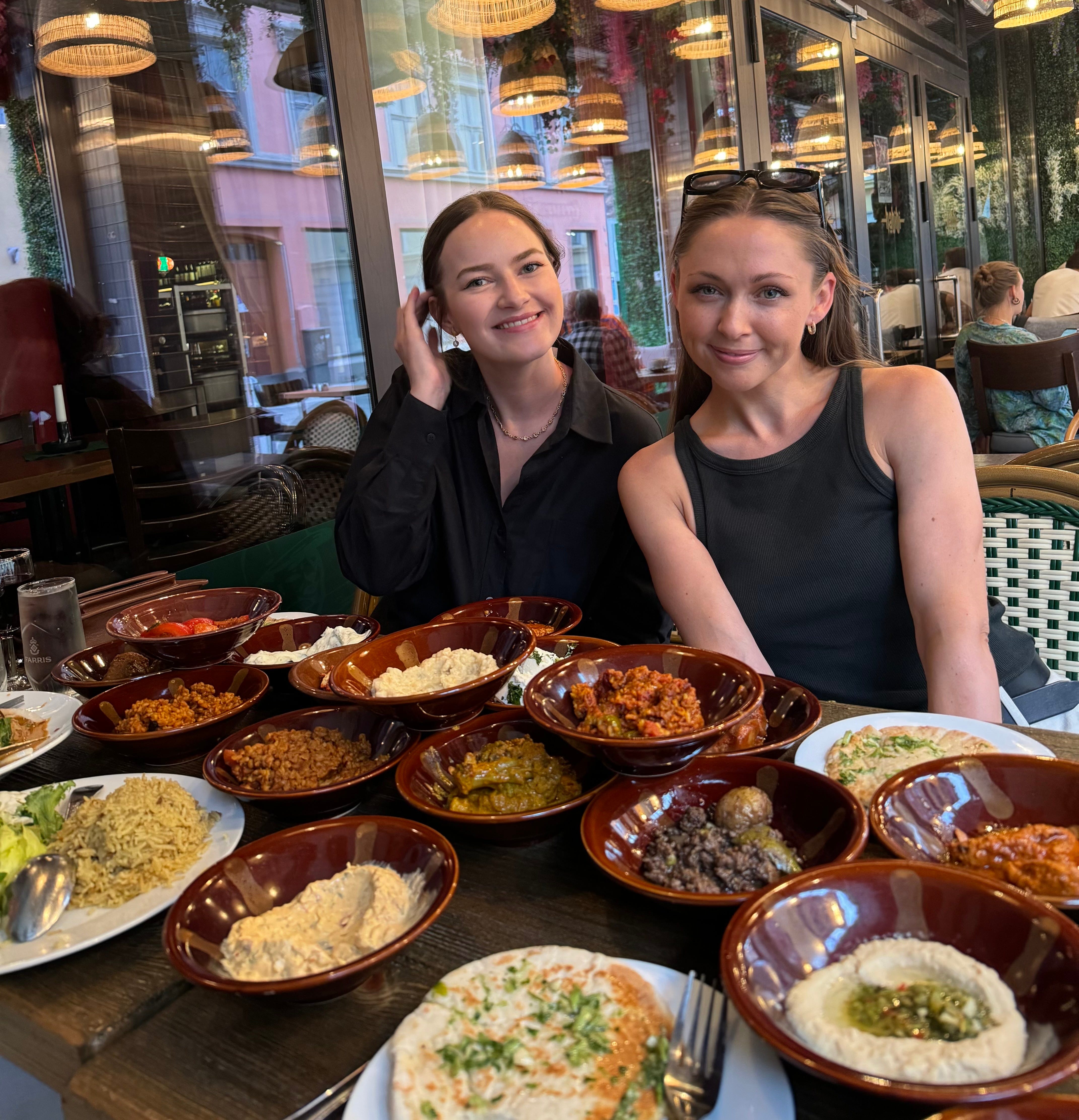
But your solution is not automatically everyone else’s solution.
That is something I want LipedemaScience to communicate much more clearly.
When we are talking about millions of women across the world, we cannot build one extremely narrow definition of the “correct” lipedema lifestyle. Even recommendations that sound simple can look very different depending on where you live. I personally like eating organic food when I can, for example. In countries such as Germany, organic food can be relatively easy to find. Somewhere else, the same products may be difficult to access or far too expensive.
I never want this platform to become a place where women are made to feel that they are managing their lipedema incorrectly because they cannot afford a certain food, follow a particular diet, buy a supplement or live in a particular way.
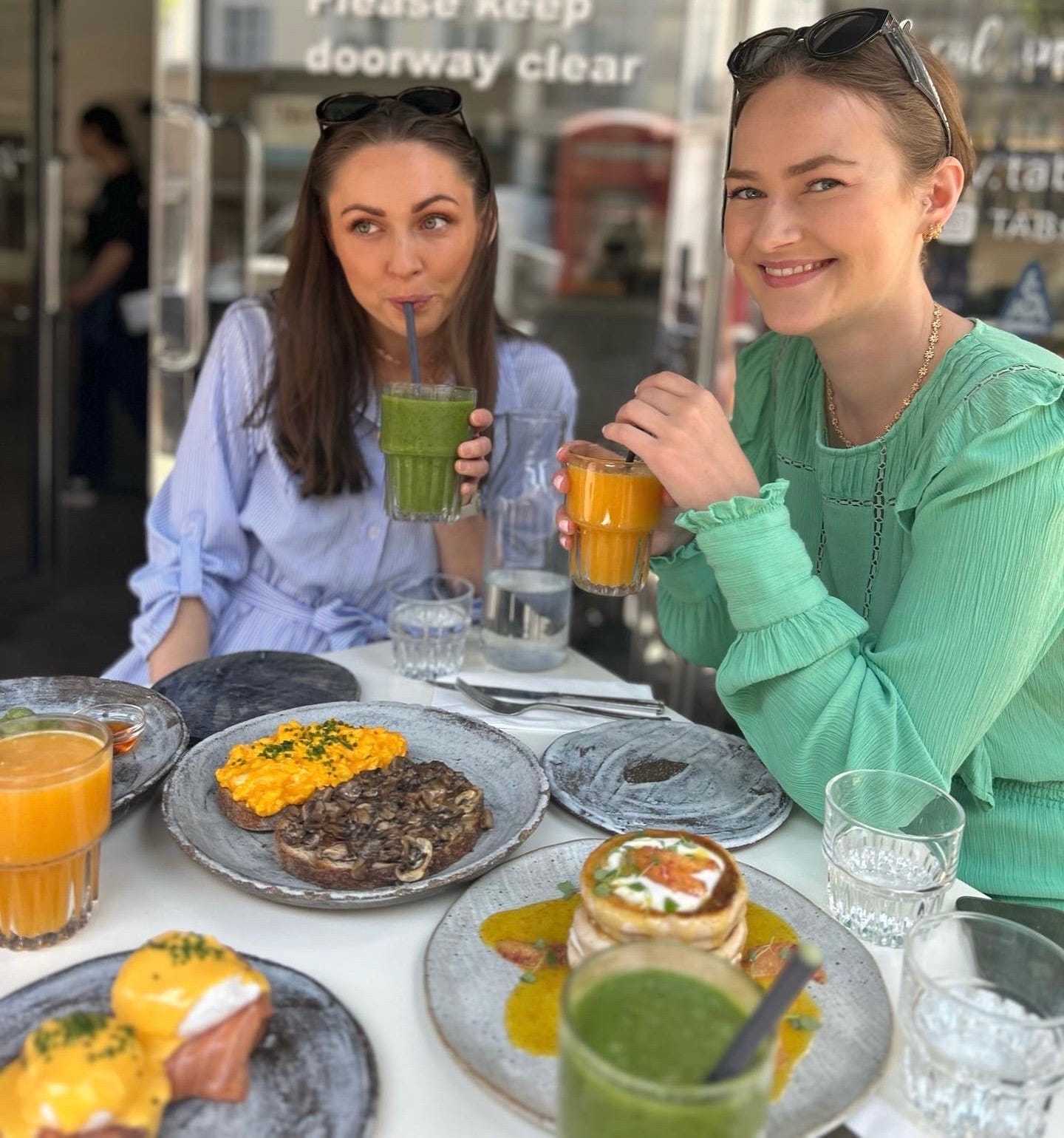
We can share knowledge. We can discuss evidence. We can share experiences. We can ask difficult questions.
But we should also remain curious about each other.
That is probably the best description of what I want LipedemaScience to be.
I want to be curious. I want to stay open-minded. I want to be active. I want to see the world. I want to understand the science better. I want to learn from women with lipedema living completely different lives from mine.
And yes, I also want to eat everything the world has to offer.