

I have spent years moving between two worlds that many people assume are the same. Human Nutrition and Food Science both deal with food, yet they are fundamentally different disciplines with different questions, methods, and professional cultures.
In Human Nutrition, the center of gravity is chronic disease prevention and public health. The training is steeped in epidemiology, lifestyle related conditions, and how dietary patterns might influence outcomes like cardiovascular disease, type 2 diabetes, cancer, and metabolic syndrome. You learn how to read research at scale, how to interpret statistics, how to judge journals, and how to build literature reviews that connect evidence to population level recommendations.
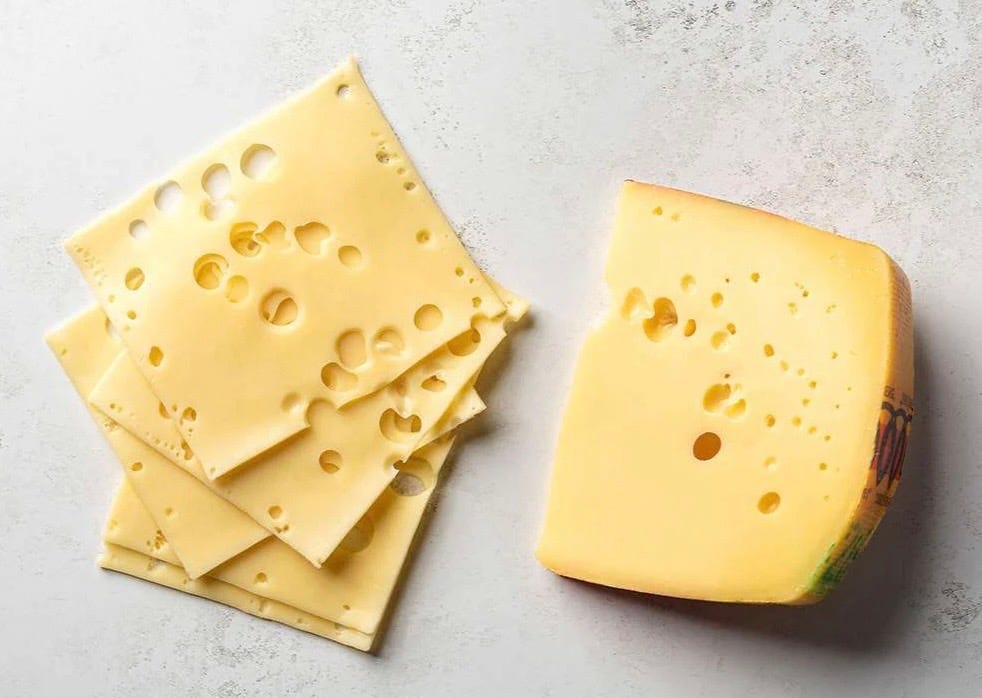
Food Science is a different universe. It is far less concerned with lifestyle diseases and far more concerned with what food is, how it behaves, how it can be processed safely, and how quality can be engineered. It is lab heavy and precision driven. You need strong math skills, careful molecular level technique, and a working toolbox of laboratory methods. You learn how to make different types of cheese, how fat percentage and bacterial cultures shape flavor, texture, and even the hole structure that makes one cheese resemble Gouda and another resemble Swiss. You learn how to design a full production chain, for example a fish factory from live transport to packaged distribution. You study hazards across the value chain, including pathogenic bacteria and antimicrobial resistance, and you learn how to test for them in the lab. You learn about food fraud, food waste, and what it takes to build systems that deliver safe products at scale.
That education changed how I see what I eat. It also changed how I think about the microbiome. Bacteria are no longer an abstract concept to me. They are a living layer of biology that matters deeply, and supporting gut health has become one of my personal priorities in how I approach food.
In Norway, moving from a bachelor in Human Nutrition to a master in Food Science is no longer straightforward. The overlap between the fields is limited, and the pathway was only open for a short period. I had to complete an additional year with lab courses and math to qualify, and every grade across all years had to meet a minimum threshold. That combination of training is not common, and it has given me a particular lens. I can appreciate public health nutrition without forgetting the biochemical and industrial realities of food.
During my Human Nutrition years, the messaging was clear. Choose low fat dairy, whole grains, lean meats, and plenty of vegetables. The goal was risk reduction for major chronic diseases. In Food Science, I was making cheese and thinking about quality and sensory outcomes. The conversation was about what the product needs to work, not what it should signal in a public health guideline. Over time, I have personally moved away from an automatic preference for low fat dairy, even though I can still feel how deeply the nutrition training shaped my instincts.
I try to stay humble toward both fields. I also have a long horizon in mind. I want a life that is healthy now and still healthy when I am very old.
This became personal for me this year. My grandmother died at the age of 102. She was remarkably clear minded until the end. Her diet was ordinary Norwegian home cooking. Whole grain bread, cheese, meatballs, potatoes, and the kinds of foods that some modern diet tribes label as unacceptable. Her life forces a question that I think we should treat with more respect than we often do. What is a health promoting diet, really. For me, it is the way of eating that keeps me well, supports good function, and lowers disease risk across decades, not just weeks.
Living with lipedema also shapes my choices. It helps me avoid foods that I know do not work for me, especially frequent snacks and high sugar intake. I love ice cream. If I did not have lipedema, I would probably eat far more of it. I worked at one of Norway’s largest ice cream factories for four years, including as a laboratory manager responsible for quality control of products going to market. That environment was not kind to my lipedema. I went through lipedema surgeries during that period and had to get an exemption from routine tasting because the swelling in my legs became intense. I could feel the inflammatory response so clearly it was as if my calves were under pressure. My pant legs would tighten shortly after sugar.
All of that is the backdrop for why a newly published study immediately caught my attention. I likely have many decades ahead. I want to reduce my risk of dementia, and I know that choices made today may matter later. That makes it especially interesting when new data challenges the simplistic story many of us grew up with about fat, dairy, and health.
The study that sparked the conversation
A Swedish prospective cohort study from the Malmö Diet and Cancer cohort followed 27,670 participants for about 25 years. Dietary intake was assessed at baseline using a comprehensive approach that combined a seven day food diary, a food frequency questionnaire, and a dietary interview. Dementia outcomes were identified through national registers through the end of 2020, with additional validation for earlier cases.
Over a median follow up of 25 years, 3,208 incident dementia cases occurred. Higher intake of high fat cheese and high fat cream was associated with a lower risk of all cause dementia. Specifically, consuming at least 50 grams per day of high fat cheese was associated with a modestly lower dementia risk compared with very low intake, and the association appeared stronger for vascular dementia. High fat cream intake also showed an inverse association with dementia risk. Many other dairy products, including milk, fermented milk, butter, and low fat versions of cheese and cream, showed no clear association.
The authors are appropriately cautious. This is observational epidemiology, which means we cannot conclude cause and effect. A lower risk signal does not automatically mean that high fat dairy prevents dementia. It could reflect confounding factors, dietary pattern differences, socioeconomic effects, or lifestyle variables that are difficult to fully capture, even with strong statistical methods. Still, the findings are interesting, and they are exactly the kind of result that should move us away from rigid food moralism and toward better questions.
Where this lands for me, and for anyone navigating diet with lipedema
I know many people with lipedema avoid dairy, and that is completely fine. Dietary strategies are personal, symptom driven, and often shaped by trial and error. For me, dairy is part of both joy and sustainability. I love dairy products, and I plan to keep them in my diet regardless of which broader dietary framework I use.
What I want to encourage is a calmer stance. Diet can become almost religious, and that rarely helps anyone long term. There is no single correct template for every body. The goal is not to win an argument online. The goal is to find a way of eating you can live with across good days and hard days, across seasons, across decades. And when new research arrives, the most productive response is not outrage. It is curiosity, careful interpretation, and a willingness to update our models without swinging to extremes.
Key takeaways
Human Nutrition and Food Science ask different questions, use different tools, and produce different kinds of certainty. Mixing them up often leads to oversimplified conclusions.
A new long term Swedish cohort study found an inverse association between higher intake of high fat cheese and high fat cream and dementia risk, while many other dairy products showed no clear association.
Observational findings cannot prove causality, but they can highlight where our assumptions are too rigid and where better research questions should be asked.
If you live with lipedema, dietary choices should prioritize your real world symptoms and long term sustainability, not ideology.
A health promoting diet is the one that supports function, resilience, and quality of life over decades, not just compliance with a single rule set.

Veldig spennende! Eg trur på rein mat og prøver å velge det oftest mulig. 😊