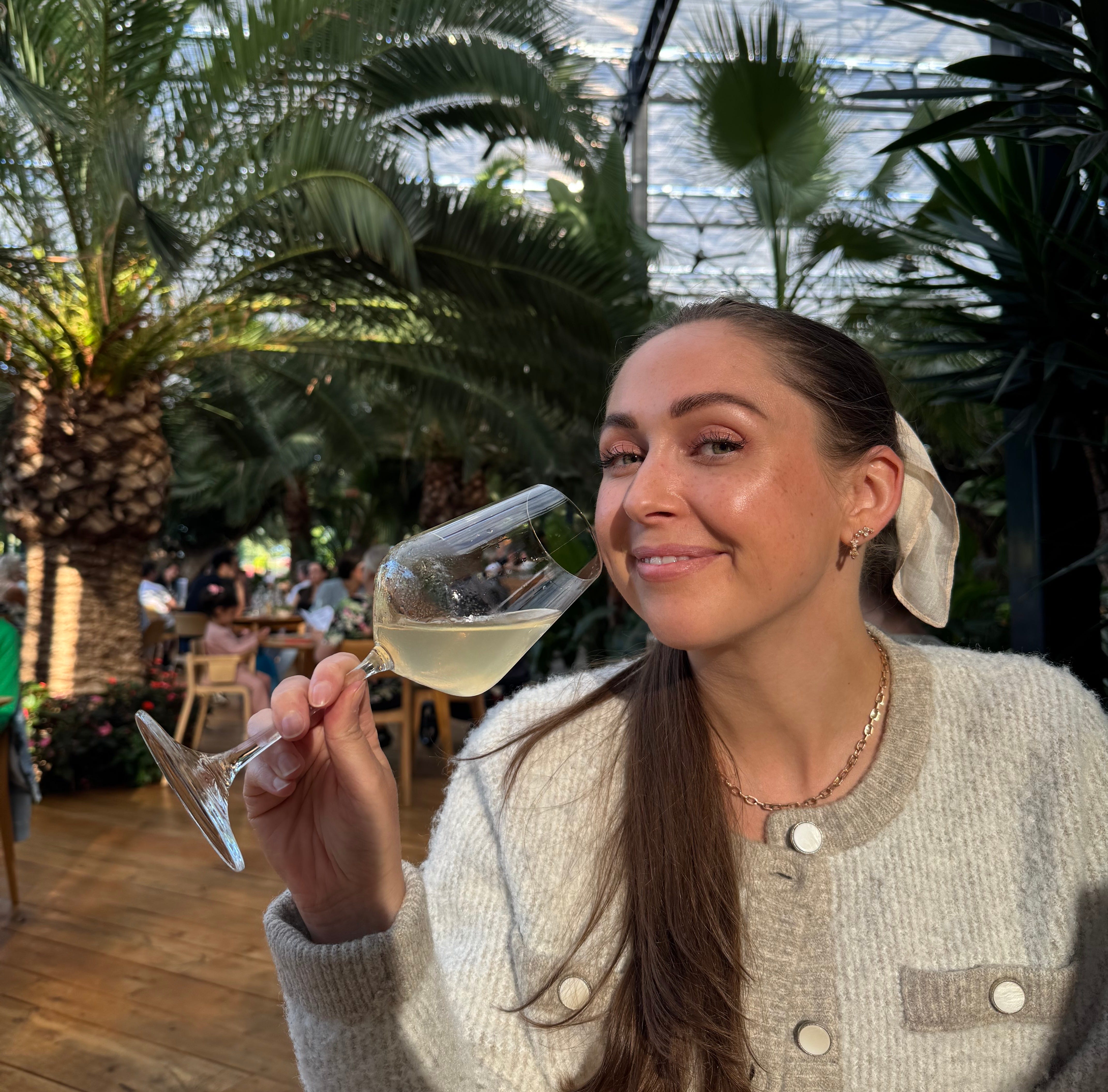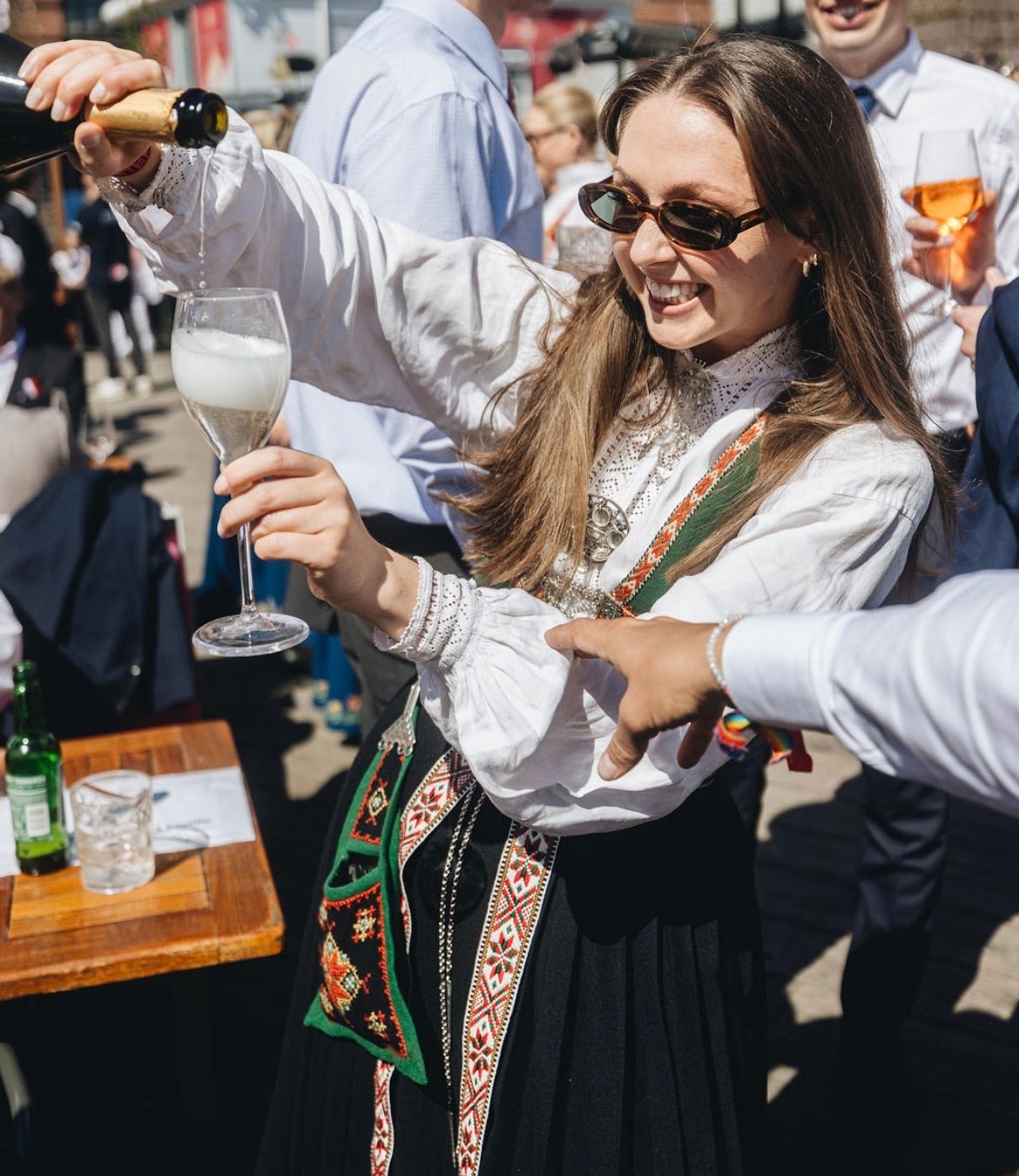
A few years ago, I started wearing my Garmin watch at night. Not because I felt I slept badly, but because I was curious. I wanted to understand my sleep patterns over time, not just how I felt in the morning, but what was actually happening in my body while I slept. I had no idea that this quiet habit would fundamentally change my relationship with alcohol.
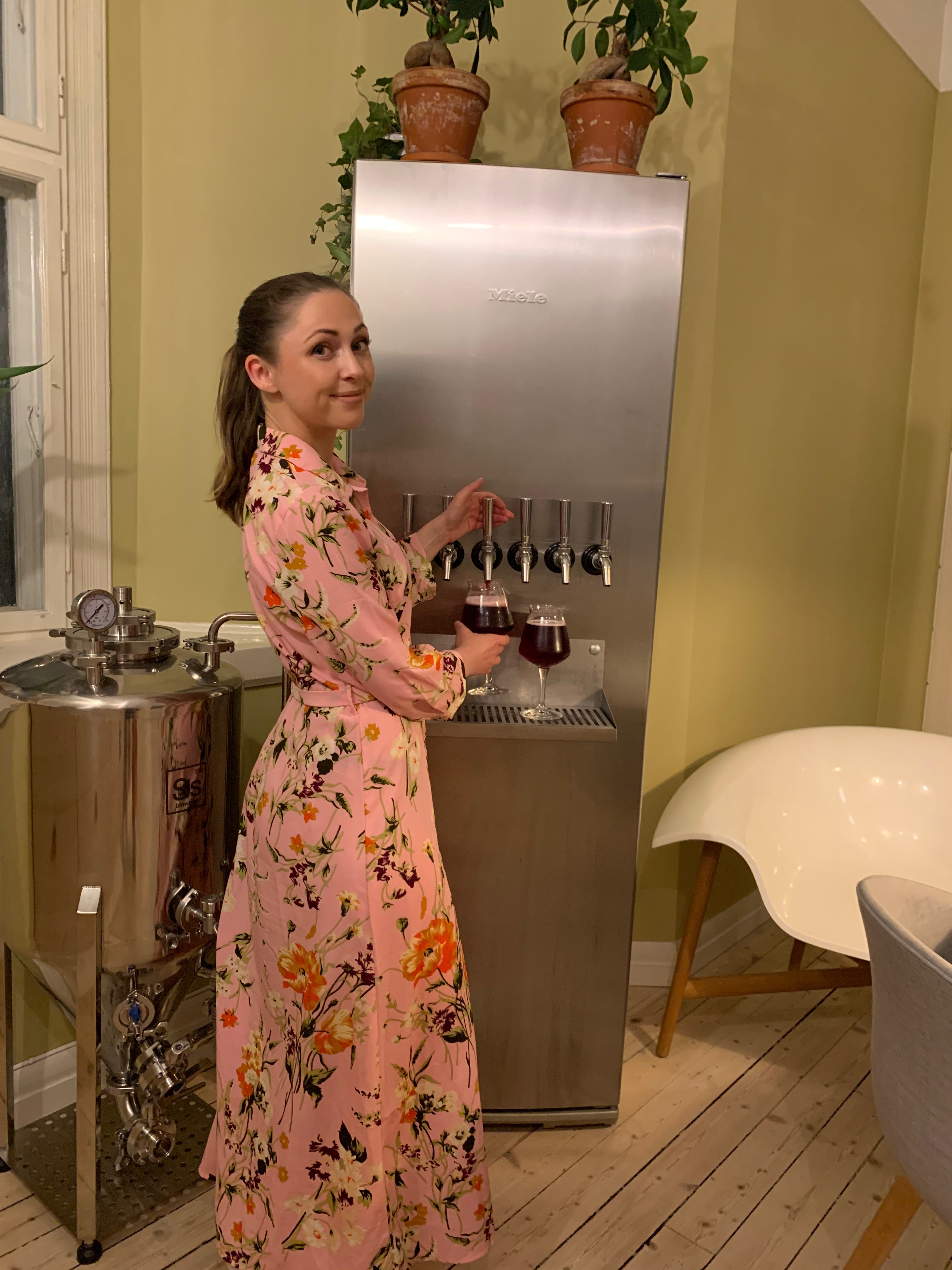
Back then, alcohol was a normal and meaningful part of my life. When I first met my partner, he brewed beer. When we moved into our apartment five years ago, we installed a full beer fridge with a tap. This was during the pandemic, when bars were closed and social life moved into living rooms. We hosted small gatherings, tasted different beers with friends, and alcohol felt woven into connection, enjoyment, and identity. We were still in our late twenties, and drinking felt uncomplicated.
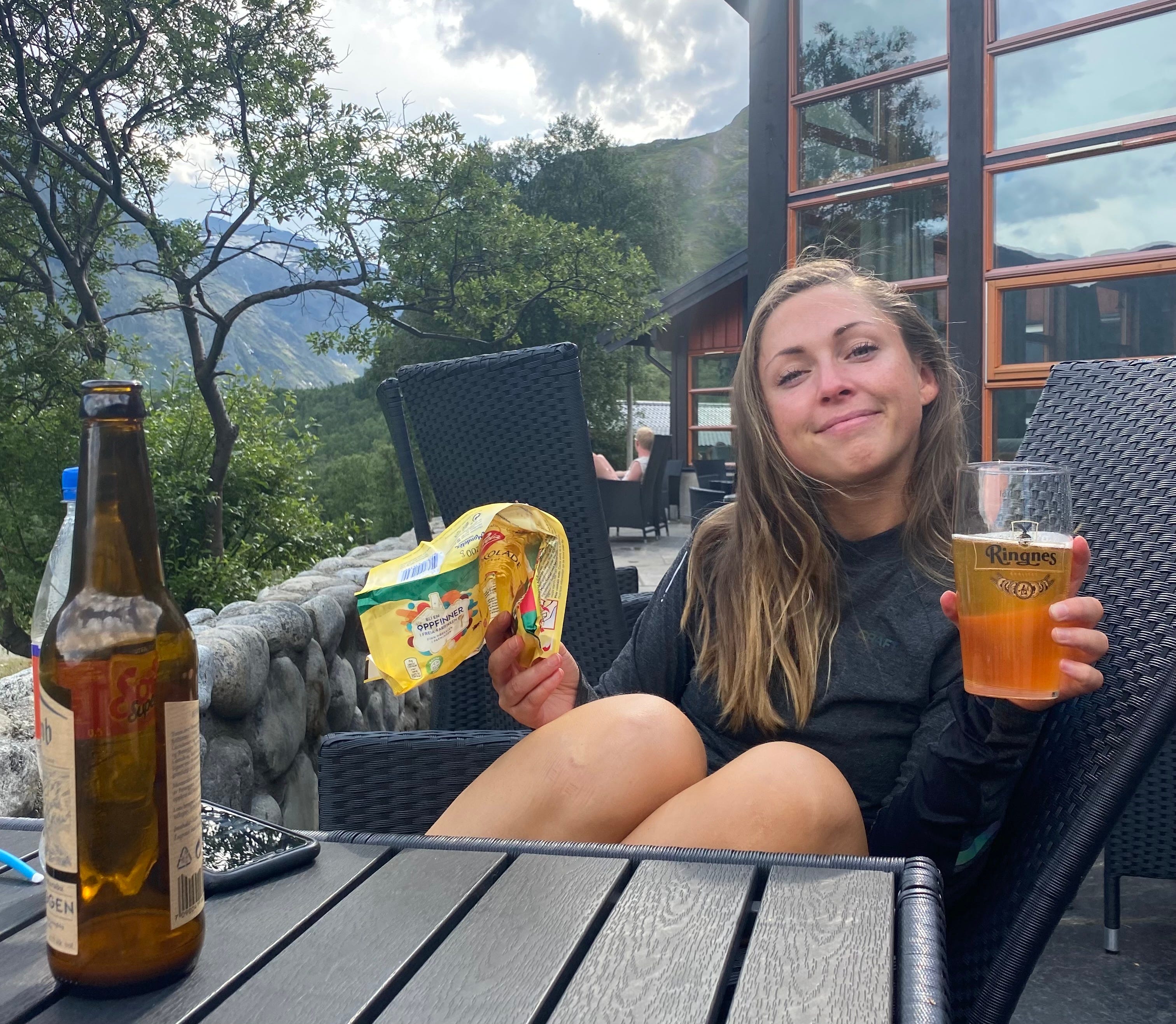
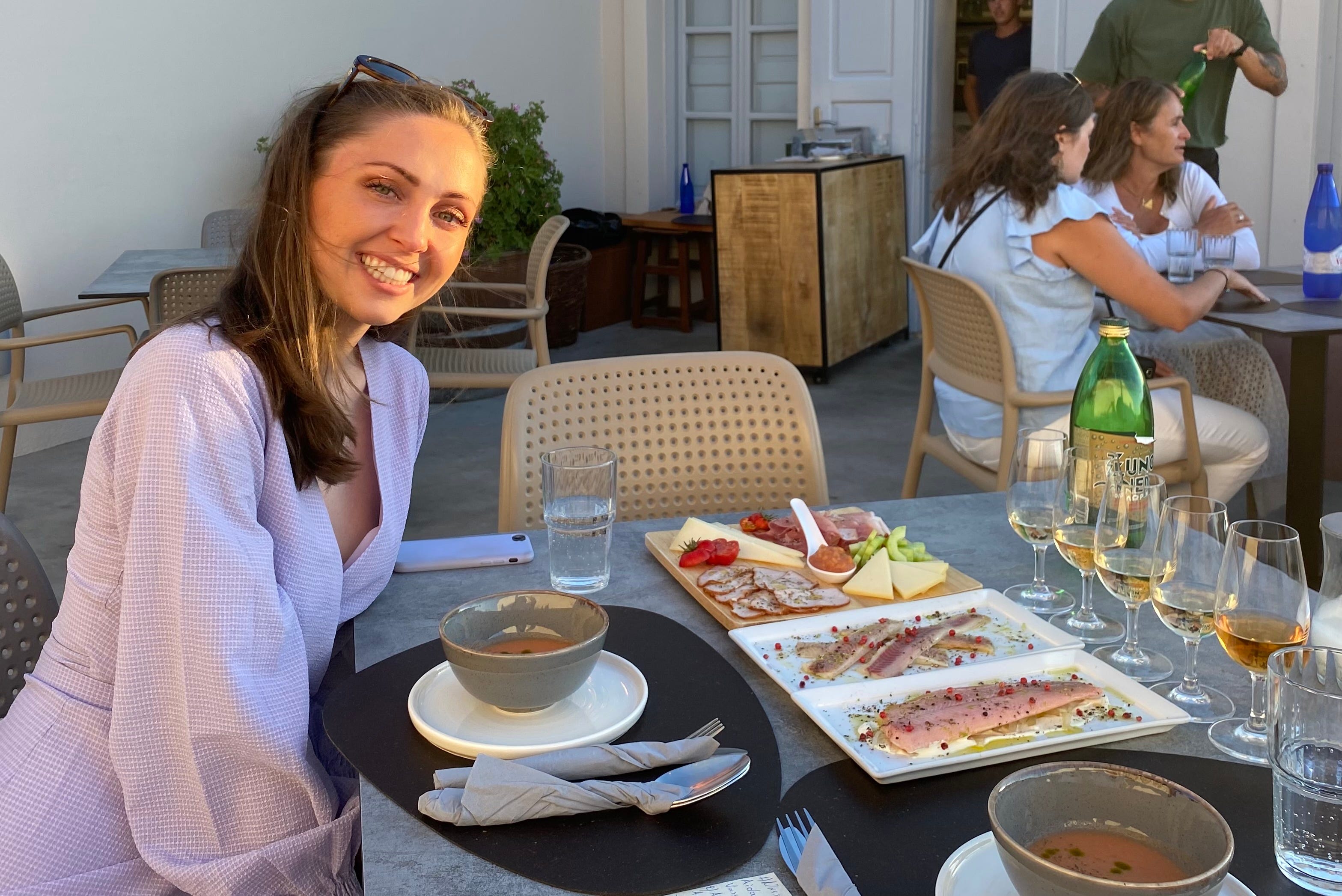
When we turned thirty, our focus shifted from beer to wine. We traveled through Santorini, Rome, Sirmione, Naples, Venice, the Amalfi Coast. We visited vineyards, invested in proper glasses, learned to taste, to pair, to appreciate. We loved it. Wine felt sophisticated, cultural, almost nourishing in its own way.
Then something changed..
After my partner turned thirty, his body stopped tolerating alcohol. The day after drinking, he felt deeply unwell. Not just hungover, but sick. In the autumn of 2023, he stopped drinking entirely for months. I remember traveling through the Philippines that December and feeling irritated that he would not join me for a beer. Eventually, he did drink with me again, but I saw the hesitation. I heard the question he kept asking himself quietly. Is this worth it?
That question stayed with me.
Gradually, I started drinking less too. Not because I had decided to quit, but because alcohol no longer felt neutral. And then I began tracking my sleep seriously.
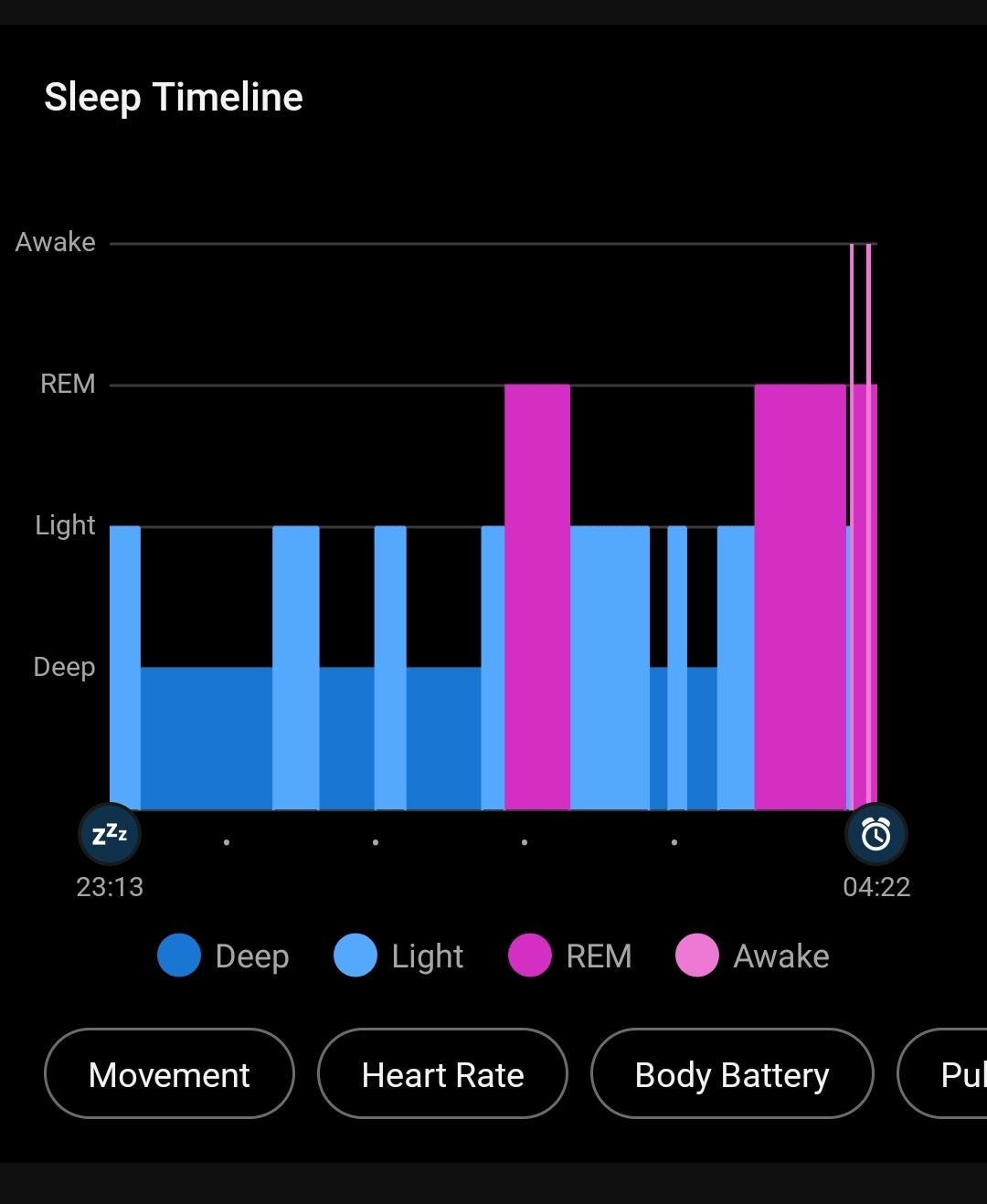
What I saw surprised me. Even a single glass of alcohol with dinner changed my sleep in a way I could not feel subjectively. I fell asleep easily. I slept through the night. I woke up thinking I had slept well. But the data told another story. Lower sleep quality scores. Reduced time in restorative sleep phases. Higher nighttime heart rate. Clear signs of physiological stress. My watch consistently picked up something my conscious mind did not. My body was working harder all night.
Over time, the pattern became undeniable. Nights without alcohol were calmer. Deeper. More stable. Nights with alcohol, even in small amounts, were fragmented beneath the surface. It was not dramatic. It was subtle. But it was consistent.
Today, I drink fewer than ten times a year. Weddings. A Christmas dinner with close friends. Occasional trips like this past weekend in Amsterdam, where my partner and I shared a bottle of wine with a long tasting menu, followed by a couple of beers, something we almost never do anymore. The next morning, my sleep data reminded me why.
Sleep quality is not just about how long you sleep. It is about how easily you fall asleep, how continuous your sleep is, how much time you spend in deep and REM sleep, how often you wake up, and how restored you feel the next day. Good sleep supports brain function, emotional regulation, hormone balance, immune health, metabolism, and pain processing. Poor sleep quietly undermines all of it.
For someone living with lipedema, sleep quality matters even more. Lipedema is associated with pain, heaviness, swelling, fatigue, and likely a chronic low-grade inflammatory state in the adipose tissue. Poor sleep increases pain sensitivity, worsens fatigue, and dysregulates stress hormones and inflammatory signaling. Over time, this can create a feedback loop where pain disrupts sleep, and disrupted sleep amplifies pain and inflammation further.
Alcohol interacts with this system in a way that is often misunderstood. It can make you feel sleepy initially, but it disrupts sleep architecture later in the night. REM sleep is reduced. Micro-awakenings increase. Heart rate rises as alcohol is metabolized. The sleep becomes lighter and less restorative, even if you do not remember waking up. For sensitive individuals, or when alcohol is consumed close to bedtime, even small amounts can have measurable effects.
This is where wearables can be powerful. They are not perfect. They do not diagnose sleep disorders. But over weeks and months, they reveal patterns. They show how alcohol, late meals, stress, exercise timing, light exposure, and bedtime routines affect your sleep from night to night. They turn vague impressions into visible trends.
For me, seeing that data changed my behavior more than any recommendation ever could. It was no longer about rules or restriction. It was about alignment. I could see that alcohol came with a cost I no longer wanted to pay, especially when the benefit was fleeting and the impact on my recovery was real.
If you care about wellness, sleep is the foundation everything else rests on. Nutrition, movement, hormone balance, emotional resilience, immune function, and pain regulation all depend on it. When sleep suffers, every other health effort becomes harder.
Supporting good sleep over time means respecting your circadian rhythm, keeping regular bed and wake times, getting daylight early in the day, winding down gently in the evening, limiting caffeine late, avoiding intense workouts right before bed, keeping the bedroom cool and dark, and being mindful with alcohol. For those with ongoing sleep problems, proper evaluation can be life-changing.
For people with lipedema, prioritizing sleep does not cure the condition. But it can reduce daily pain, improve energy, ease brain fog, stabilize stress hormones, and make it easier to engage in movement and supportive routines. Over months and years, this can profoundly improve quality of life.
My watch did not tell me to stop drinking. It simply showed me the truth of what was happening in my body. Once I saw it, I could not unsee it. And slowly, without force, my habits changed.
My best tip is to often choose alcohol free alternatives like mocktails, alcohol free beer, and alcohol free wine, which is what I mostly do now.