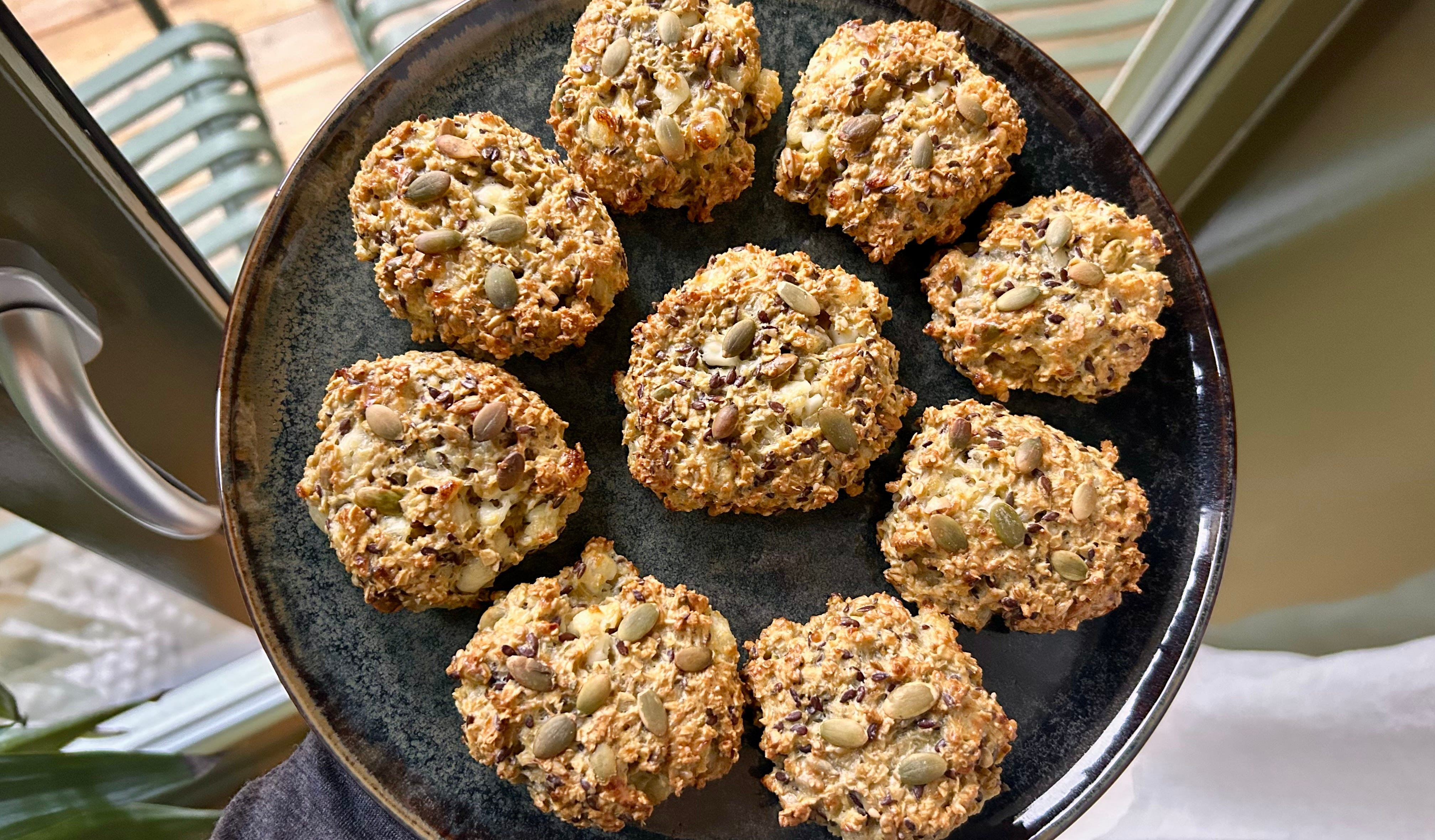
People often ask me what I actually think about food, and the answer is that I rarely think about a single nutrient in isolation. As a food scientist, nutritionist, former lab researcher, and someone living with lipedema, I think about food as a system where many small factors interact. All these interactions will vary between different people, and probably for some people, they will also vary throughout the day, week, month, or life.
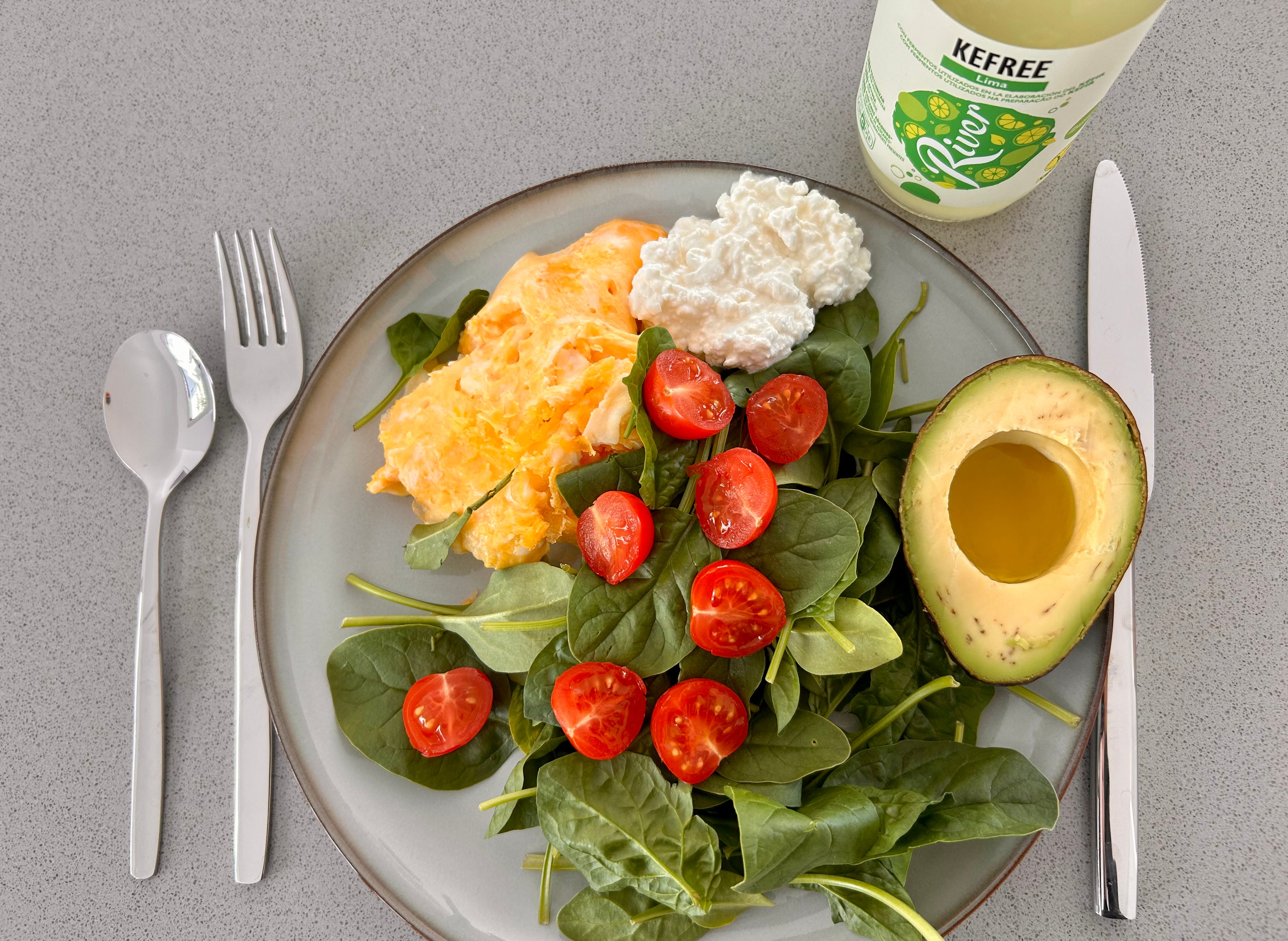
When I eat carbohydrates, I often think about what else is on my plate or what I combine them with. Is there enough protein? Healthy fats? Fibre? How will this meal affect satiety, blood glucose, and the overall nutritional quality of the meal rather than just one ingredient?
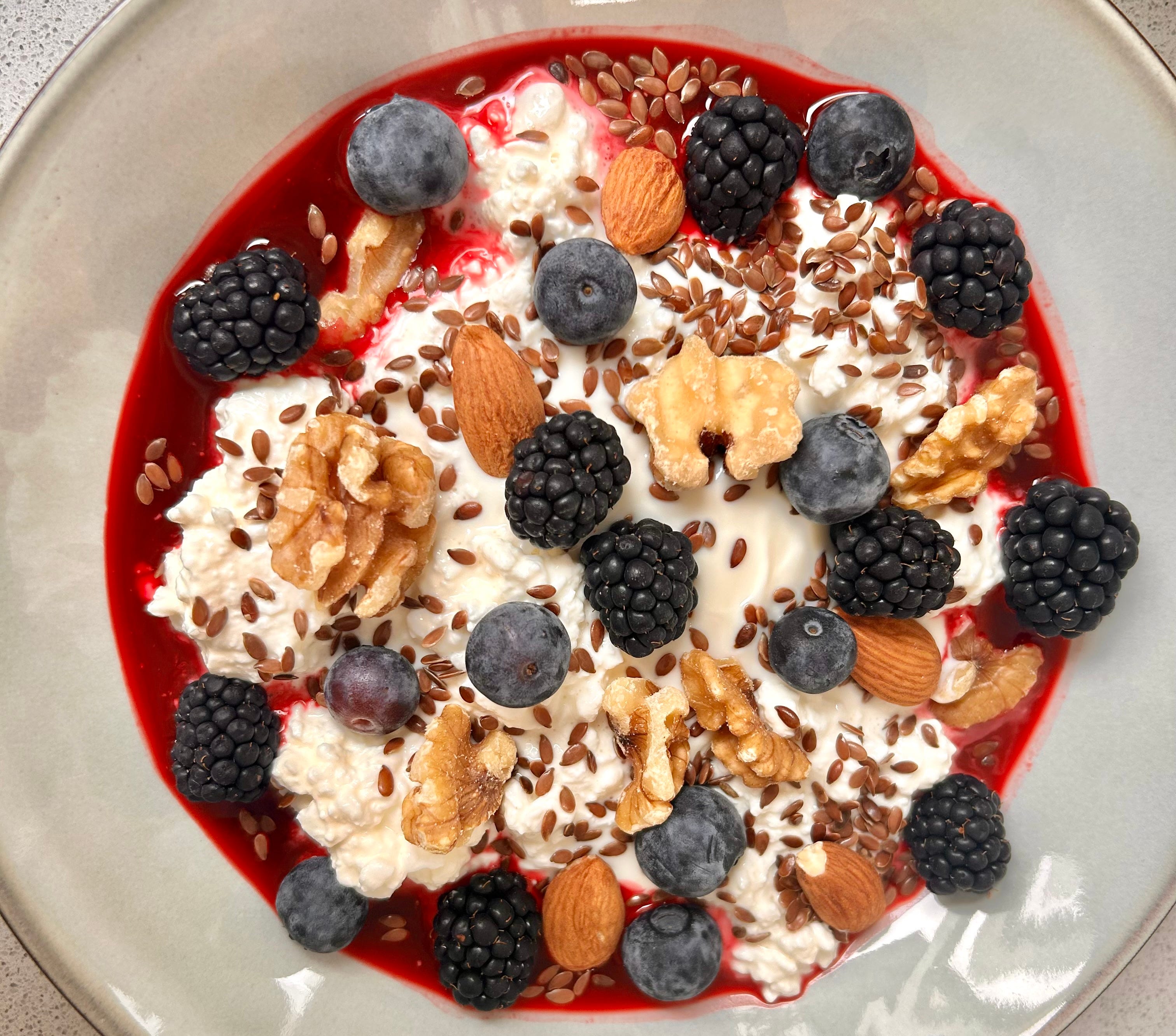
I think about food quality. Not only calories or macronutrients, but the quality of the raw ingredients, how the food has been processed, the soil they have grown in or the environment around them, and whether the food provides vitamins, minerals, fibre, and bioactive compounds alongside energy. And energy is often the one thing I think the least about, because I get enough protein, healthy fats, and carbohydrates anyway.
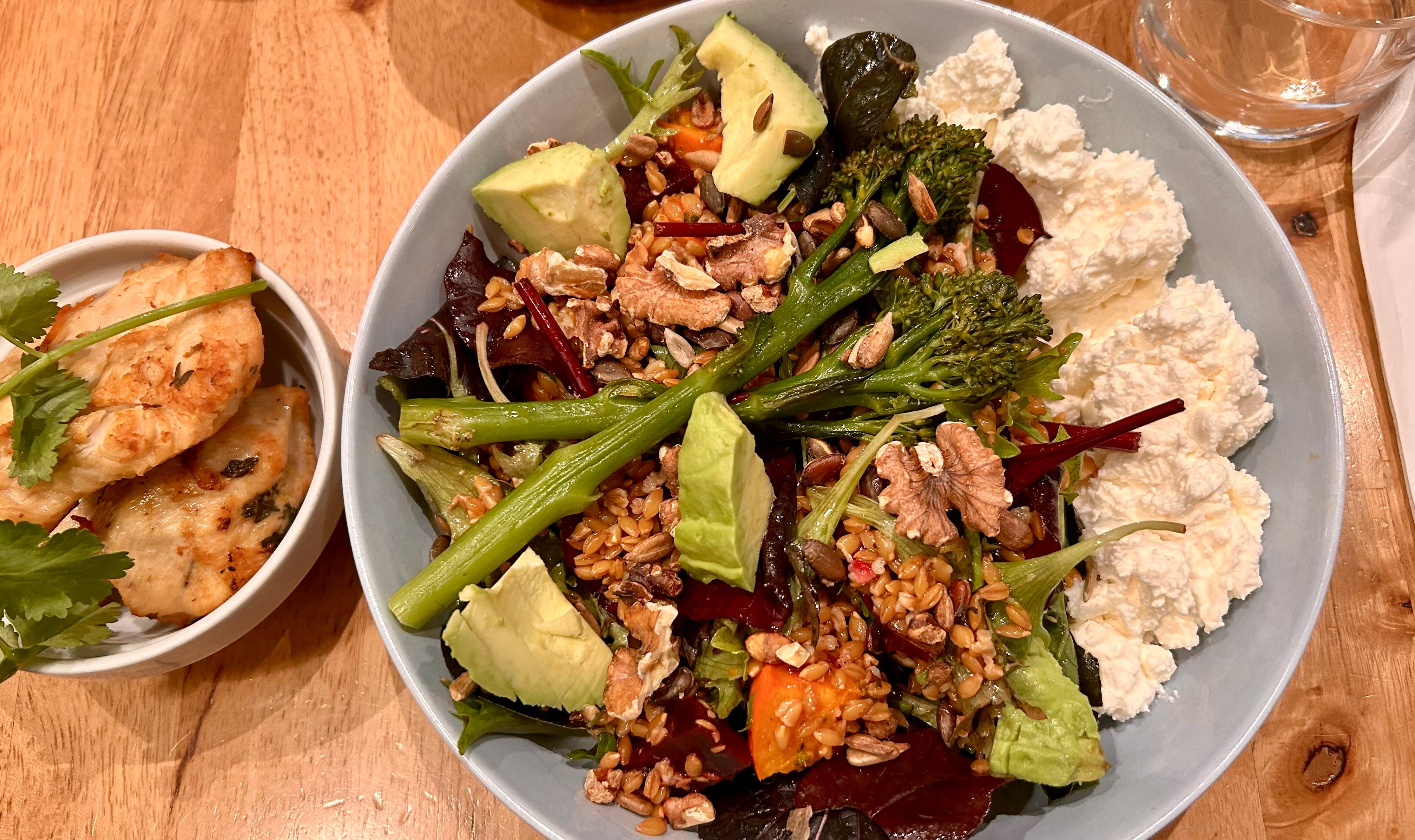
I also think about nutrient interactions. Like, I take fat-soluble supplements such as vitamin D and omega-3 with meals that contain fat because absorption depends on it. I try to eat vitamin C-rich foods such as kiwi, oranges, or bell peppers separately from coffee when possible, since coffee can reduce iron absorption. When I think about my bone health, I don’t think about calcium alone. I also think about vitamin D, vitamin K, physical activity like lifting weights, and the many factors that work together.
I think a lot about my gut microbiome. I don’t avoid antibiotics when I genuinely need them, but I don’t want to use them unnecessarily either. I enjoy eating fermented foods, fibre-rich vegetables, legumes, and other foods that nourish beneficial bacteria.
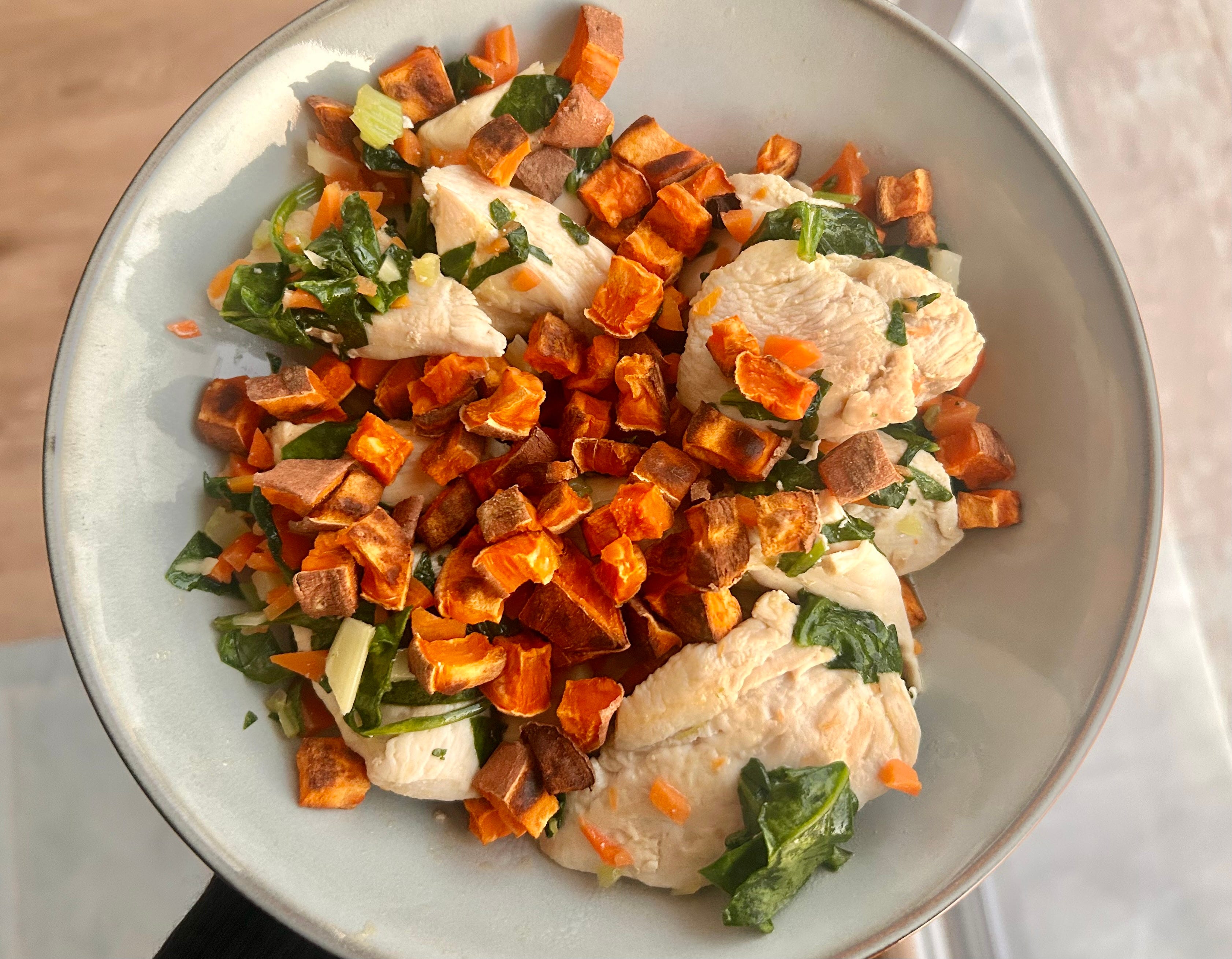
I think about phytochemicals. I find it fascinating that cooking tomatoes actually increases the bioavailability of lycopene, or that different colours of fruits and vegetables contain different families of protective plant compounds.
I generally try to minimise highly refined foods, large amounts of added sugar, refined flour, alcohol, and products with long ingredient lists when there are simpler alternatives. Not because I believe every ingredient is harmful, but because my overall dietary pattern matters more than individual foods.
I also find intermittent fasting interesting. I usually eat two or sometimes three meals per day because it suits my lifestyle, and I appreciate the emerging research on fasting, including its potential effects on metabolic health and autophagy. At the same time, I recognise that fasting is not appropriate for everyone.
Perhaps most importantly, I think about balance. I live by an 80/20 rule, where those 20 percent make me able to eat everything I want.
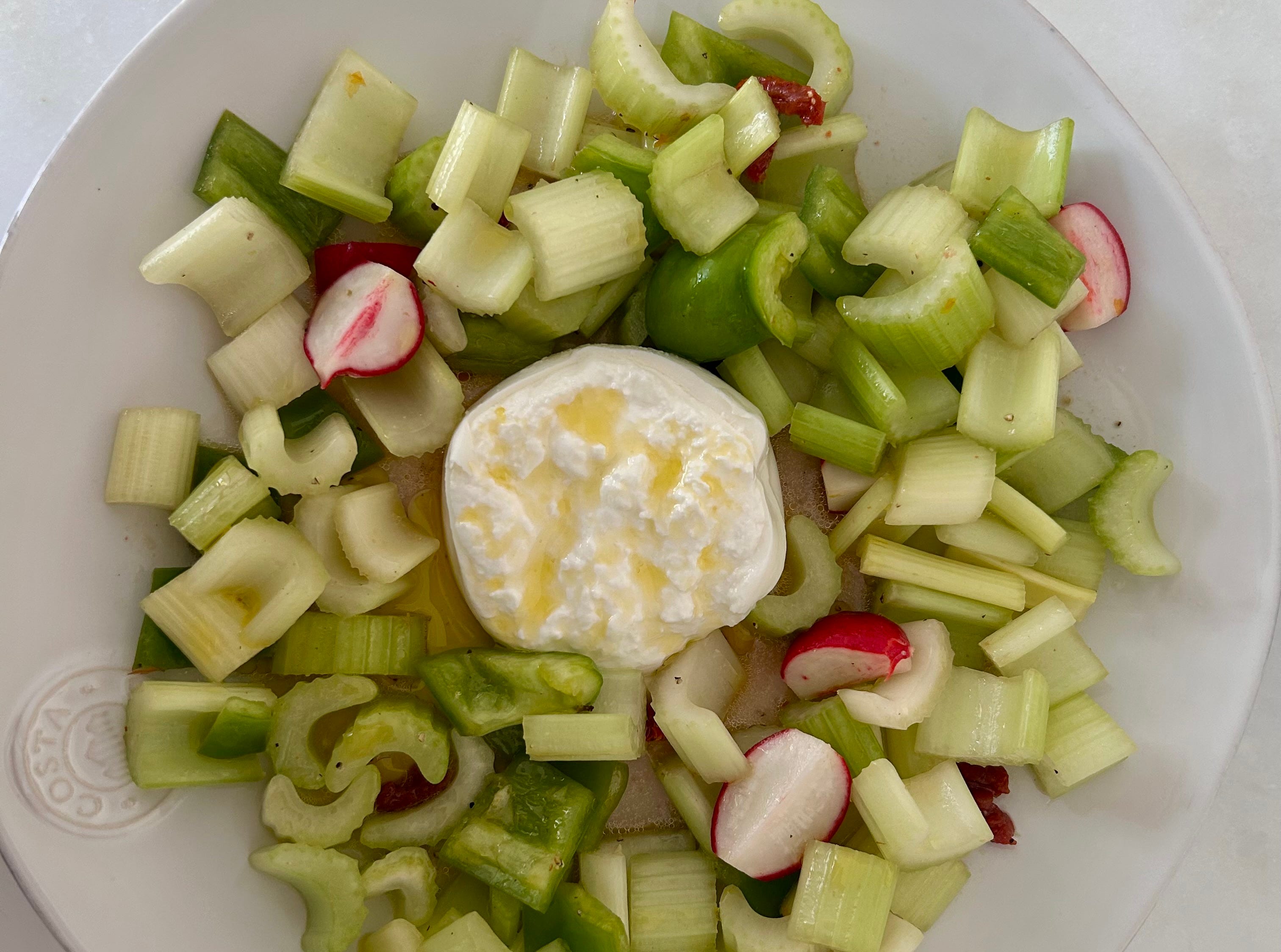
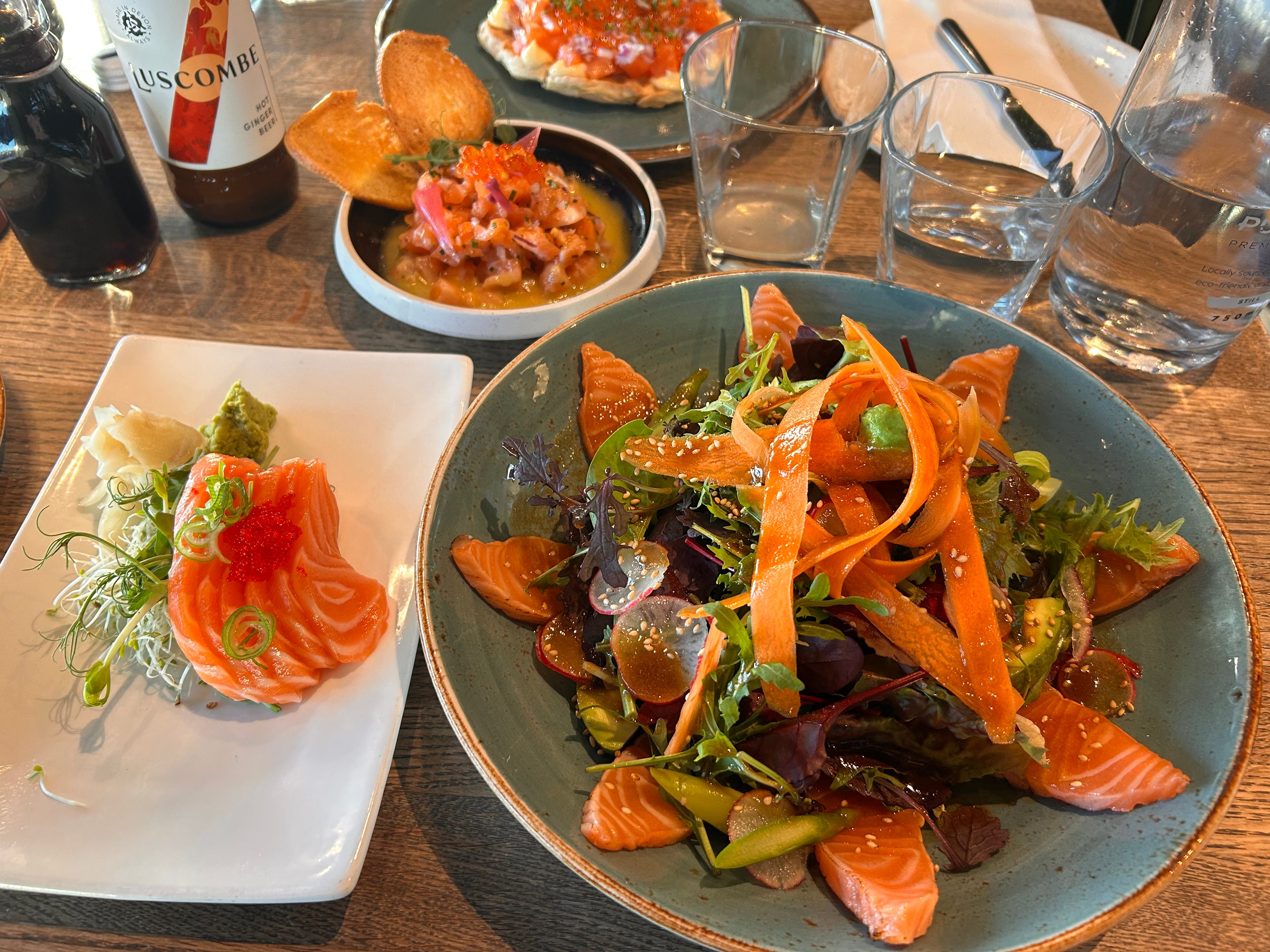
I genuinely love food. I love cooking. I love restaurants. I love discovering local markets when I travel. I went to a very nice one in France today, in a very nice small town called Senlis. And my partner wanted us to have a full French experience since we have had scrambled eggs for lunch and chicken with salad every day now, so we bought a lot at the market. The food was amazing, but to be honest, I felt full very fast and hungry not long after, so my daily routines are often the best.

But I never want nutrition to become a source of fear or unnecessary restriction. Some of my favourite memories have been created around meals in places like Italy, Portugal, France, and Spain. I have no interest in giving that up, ever. My goal has never been to eat a perfect diet.
My goal is to eat a nutrient-dense diet most of the time, while leaving plenty of room for joy, curiosity, culture, and flexibility.
Living with lipedema has taught me that every body is different, and my body is what I need to focus on. Not everybody else’s. Some people have clear food triggers. Others do not. Some thrive on one dietary pattern, while others feel better with another. I don’t think there is one universal way to eat with lipedema.
What I hope to demonstrate through LipedemaScience is that it is possible to care deeply about nutrition without becoming trapped by food rules. We can appreciate scientific evidence, remain curious about new research, pay attention to our own bodies, and still enjoy eating.
For me, that is what a healthy relationship with food looks like.