

Living with a hormone sensitive condition like lipedema changes how you relate to uncertainty. In a perfect world, we would have large, long term human studies answering every practical question about chemicals, cosmetics, plastics, meal timing, stress, and symptom flares. In the real world, research moves slowly, exposures are complex, and your body is living the experiment today.
That is why many people with lipedema end up adopting a precautionary mindset. Not because they are fearful. Because the cost of small, sensible changes is often low, while the potential upside in symptom stability and hormonal load can be meaningful.
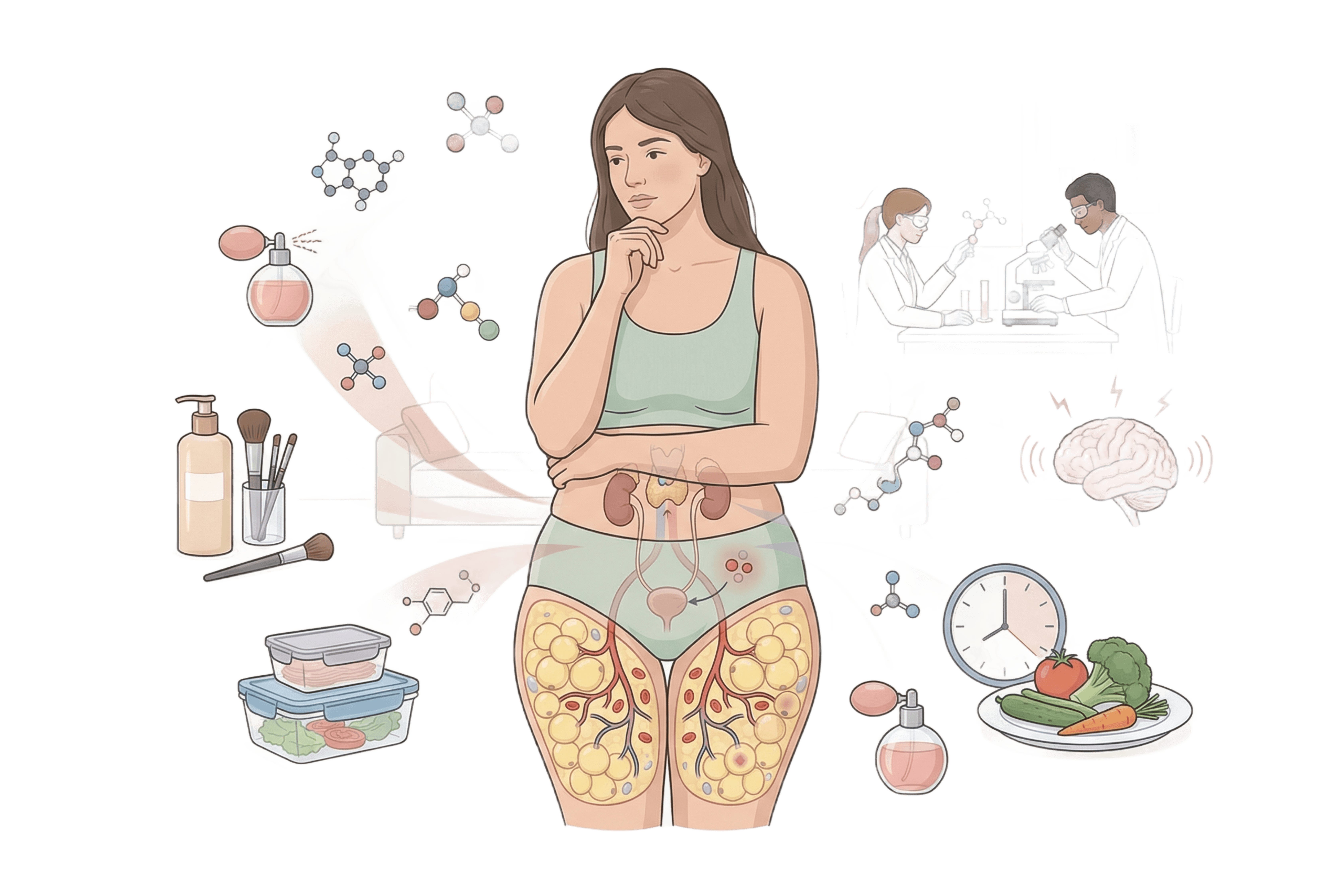
Why precaution can be rational rather than dramatic
Scientific studies are essential, but they are also constrained. They often examine one chemical at a time, over limited time spans, in average populations, while real life exposure is cumulative and mixed. We do not encounter single compounds in isolation. We encounter mixtures across decades.
In endocrine disruptor science, this is not a fringe idea. Additive and mixture effects are a well established concern in risk assessment discussions, especially for hormone active compounds, where low dose combinations can produce effects that are not obvious when each substance is assessed alone. The World Health Organization and UNEP have described mixture and additive effects as a core challenge in endocrine disruptor science. Research on low dose mixture effects has also highlighted how combined exposures can matter even when each individual exposure seems small.
Precaution in this context is simply a decision framework. If a cleaner alternative exists and the downside is minor, it can be reasonable to choose it even before the literature is fully settled. This is especially true when the body in question already appears to be sensitive to hormonal shifts, inflammation, and immune signaling.
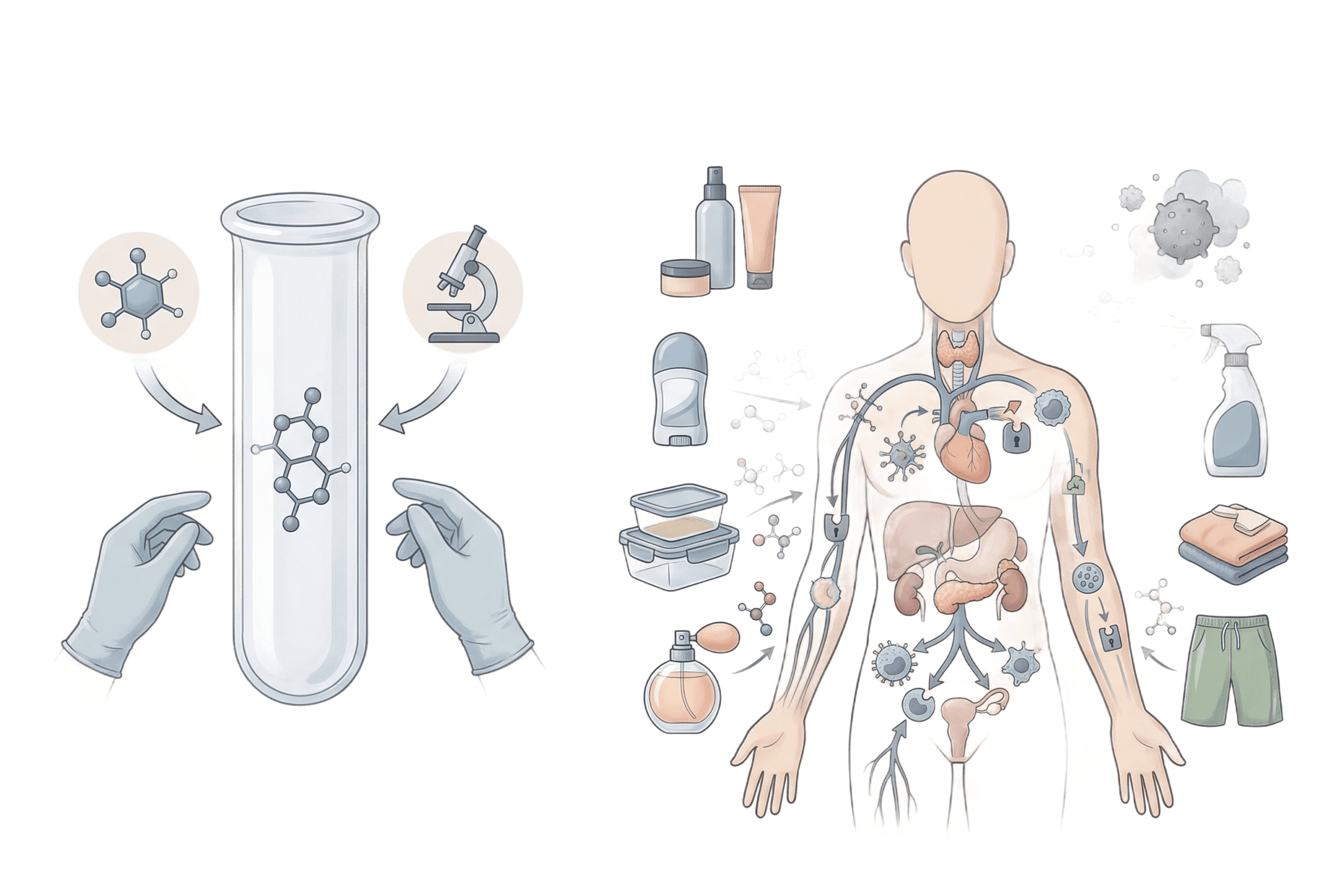
Lipedema is increasingly described as a disorder of adipose tissue biology involving microvascular changes, inflammatory remodeling, fibrosis patterns, and pain mechanisms. Many people also report gastrointestinal symptoms, food sensitivities, and flares that feel inflammatory rather than purely mechanical.
We are not there yet in terms of direct clinical evidence. What we do have is biological plausibility and an expanding understanding that adipose tissue is immune active and responsive to systemic signals.
The body does not separate inside from outside
We tend to compartmentalize exposures. Food is one category. Skincare is another. Air is another. Stress is another. Your physiology does not work that way.
Everything that enters your system, through food, skin, inhalation, or chronic stress, ultimately interacts with the same immune networks, detoxification pathways, endocrine signaling, and inflammatory tone. This is one reason the precautionary principle makes intuitive sense for lipedema. When the system already feels close to a threshold, the question becomes less about any single product and more about cumulative load.
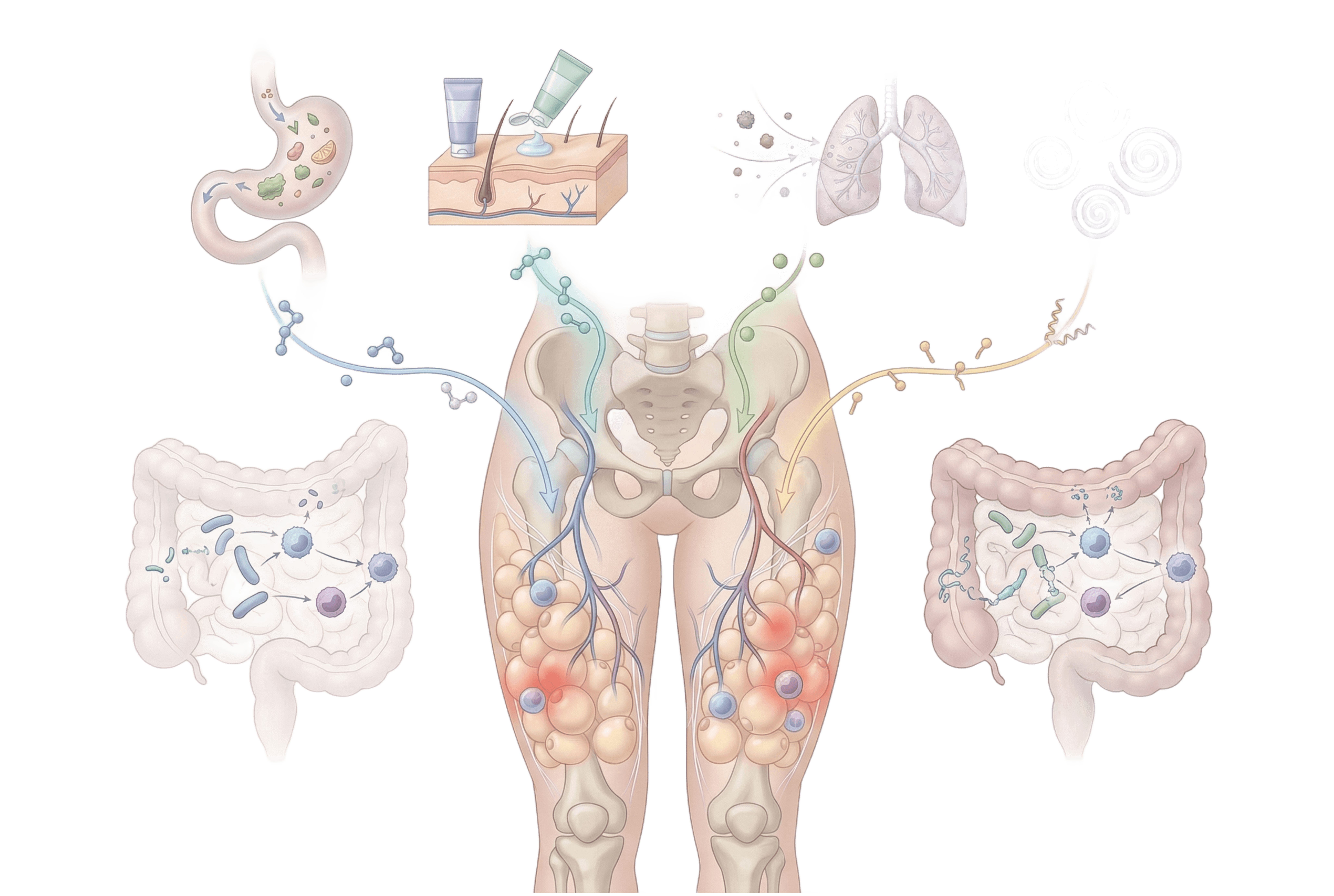
Cocktail effects and the reality of cumulative exposure
A common limitation in traditional chemical risk assessment is the focus on one compound at a time. Real exposure is multi source. Cosmetics, fragrances, cleaning products, plastics, textiles, indoor dust, food contact materials, and environmental pollution can all contribute to a background mixture of hormone active compounds.
This matters because mixture effects are a serious and ongoing topic in endocrine disruptor research and policy discussions. The practical takeaway is not panic. It is prioritization. You do not need to eliminate everything. You reduce what is easy to reduce first.
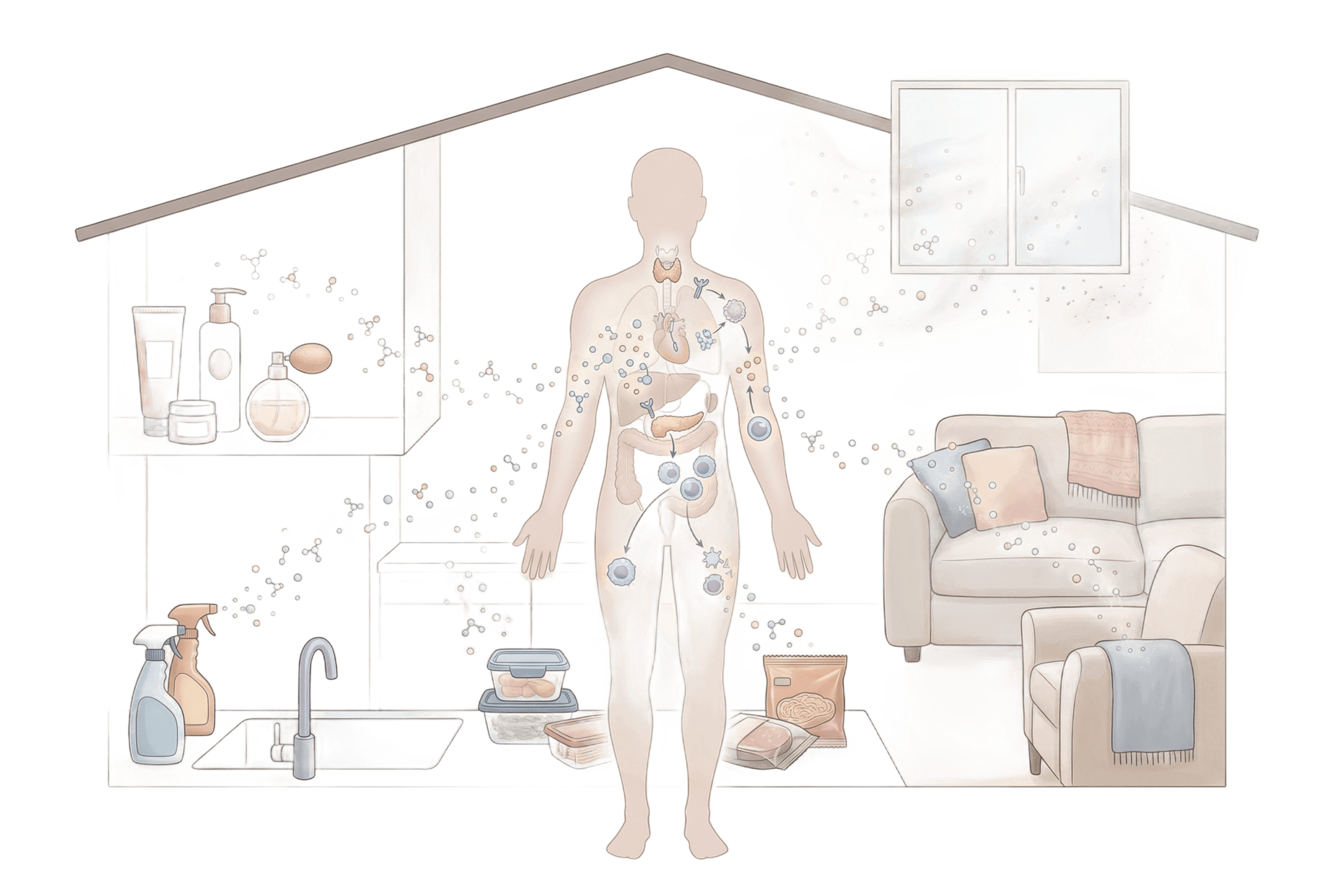
Small changes can measurably reduce internal exposure
One of the most empowering findings in this field is that exposure is not only theoretical. It is measurable, and it can move quickly with behavior.
A well known intervention study showed that when adolescents switched to personal care products marketed as free of certain endocrine disrupting chemicals such as specific phthalates, parabens, triclosan, and oxybenzone, urinary biomarkers of these compounds dropped within days. This does not prove disease prevention. But it demonstrates two important points. Personal care products can be a meaningful exposure source, and reductions are often feasible without extreme measures.
Why this may be especially relevant in hormone sensitive states
In lipedema, many people notice symptom shifts around puberty, pregnancy, fertility treatment, postpartum transitions, and menopause. This does not automatically mean that external hormone mimics drive disease progression. But it does justify a cautious lens toward exposures that plausibly interact with endocrine signaling or immune tone.
If you combine that with emerging research on chemical mixtures and the fact that many exposures occur daily for years, a precautionary strategy becomes less a lifestyle trend and more a risk management choice.
A note on plastics and food contact materials
Food contact exposures are one of the most studied pathways for certain endocrine active compounds, such as bisphenols. In Europe, concerns about bisphenol A exposure have been highlighted in biomonitoring and risk assessments, and EFSA substantially lowered its tolerable daily intake for BPA in 2023 based on immune related endpoints. You do not need to memorize the numbers to understand the direction of travel. The scientific and regulatory landscape is moving toward greater caution for some compounds, particularly when low dose effects and immune outcomes are considered.
Epigenetics, stress, and why waiting can be a luxury
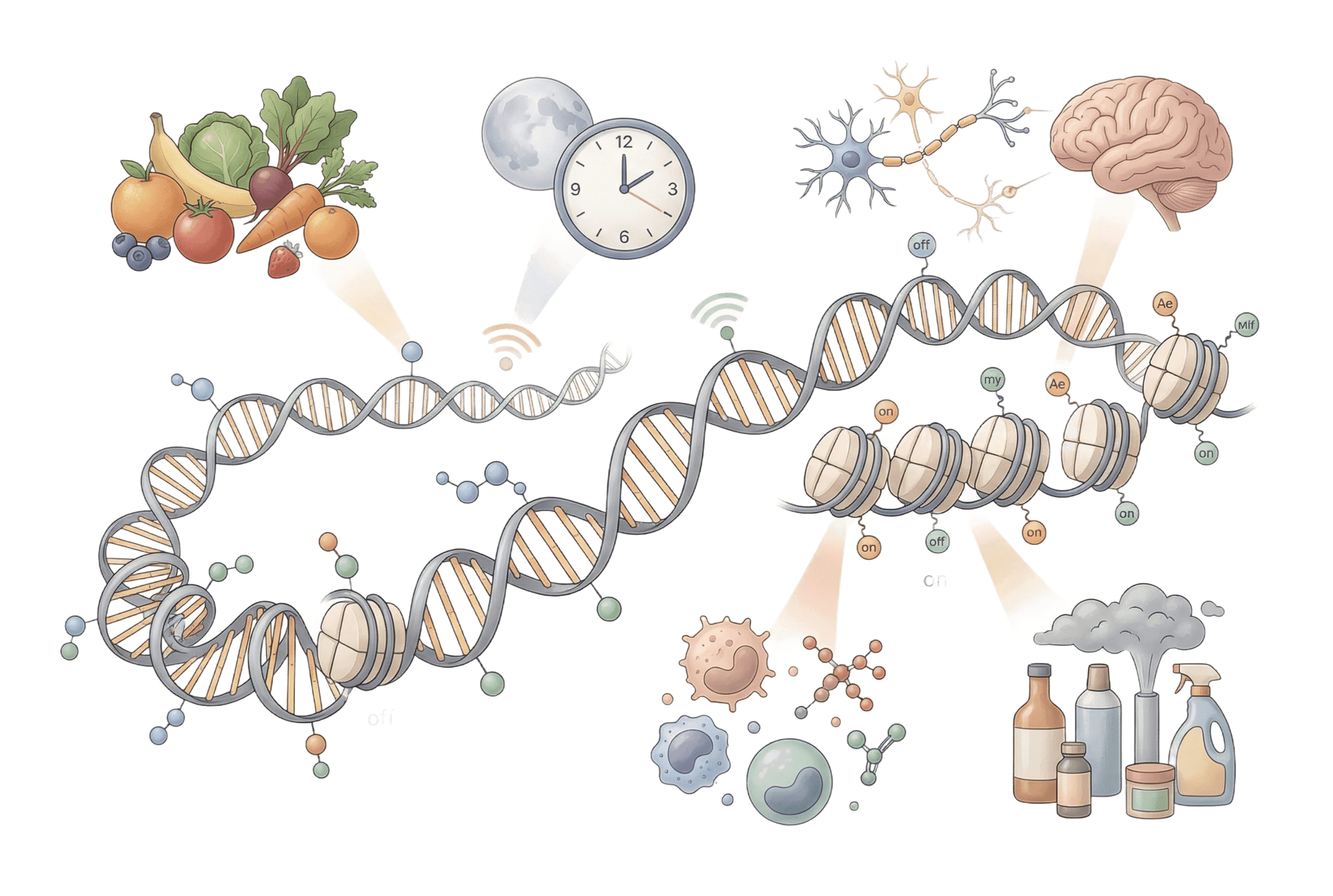
Epigenetics is not a buzzword. It is the mechanism by which environment and lifestyle influence gene expression through reversible biological switches on DNA and chromatin. Diet quality, chronic stress physiology, inflammation, sleep, and chemical exposures can all intersect with epigenetic regulation.
In a condition where genetic vulnerability is suspected and environmental triggers are plausible, it is not irrational to address the environmental side, even if not every pathway has been proven down to the last molecular detail.
This is what it means to be ahead of the curve. You act on plausible risk when the cost is low and the potential benefit is meaningful.
What precaution looks like in real life
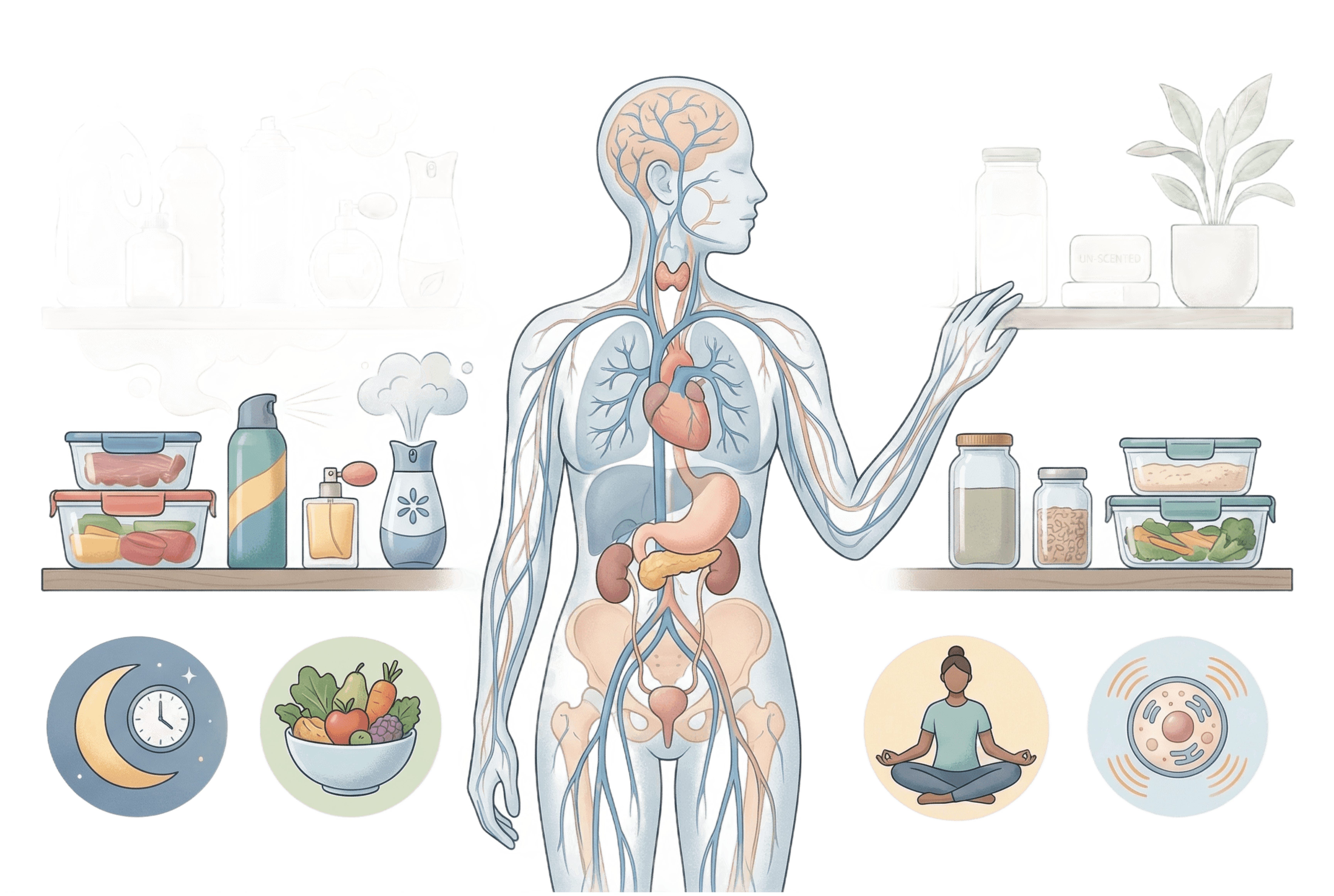
Precaution does not mean living perfectly. It means making the easiest high impact swaps first, then stopping when the tradeoff becomes unreasonable.
It can mean choosing fragrance free products when you have a choice, simplifying the number of daily products, reducing heavily perfumed cleaners and air fresheners, being mindful with plastics around hot food, and focusing on the large drivers you can control such as sleep, stress regulation, metabolic health, and nutrition quality.
The goal is not purity. The goal is lowering total load in a system that may already be running hot.
What we still need to study
If we want to treat this topic with scientific integrity, we also need to state what is missing.
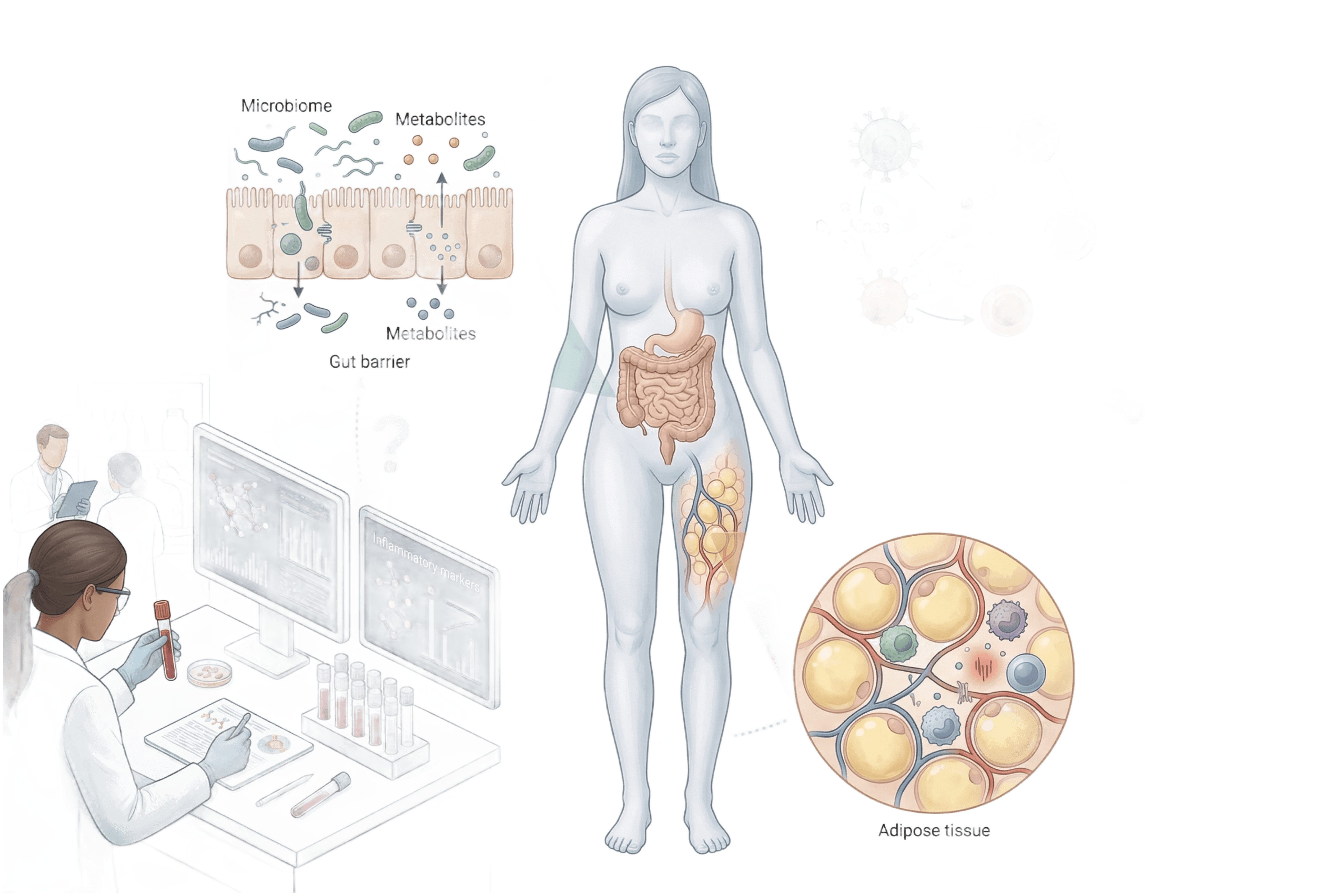
We need studies that measure endocrine disruptor biomarkers in lipedema populations and relate them to symptom clusters, pain sensitivity, inflammation markers, and disease severity. We need mechanistic work linking gut barrier function, microbial metabolites, and immune signaling to adipose tissue remodeling in lipedema relevant models. We need trials that test whether reducing avoidable exposures or changing meal timing affects inflammatory markers, pain, swelling patterns, or flare frequency in well defined subgroups.
Right now, we mostly have plausibility and overlap, not proof. But plausibility is often where prevention begins.
I want to hear how you think about this.
Do you notice flares related to fragrances, certain skincare products, indoor air, plastics, or meal timing? Have you ever simplified your product load, switched to fragrance free, or reduced plastics around food, and noticed anything in pain, swelling, bruising, or inflammation?
Share your experience in the comments. Not as proof, but as signals. This is often how the next research questions become visible.