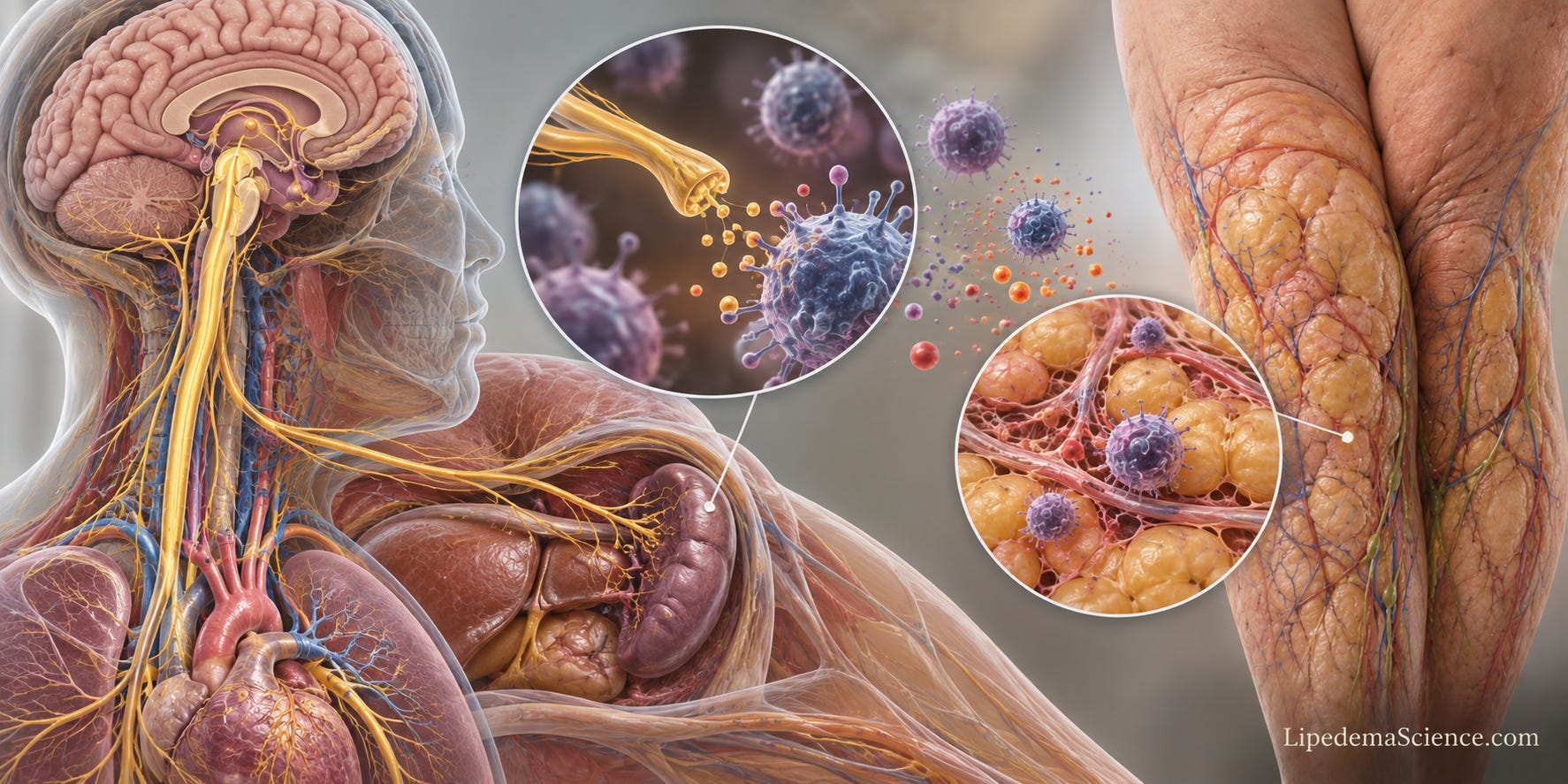
I was diagnosed with lipedema in 2012, when I was 20 years old. In many ways, I was lucky to get the diagnosis that early. We know that many women spend years trying to understand why their legs hurt, why they bruise so easily, or why their body seems to change differently from the people around them. I had a diagnosis relatively early, but I did not have much information about what to do with it.
The lipedema landscape was completely different then. I did not know anyone else with the condition, and social media was not filled with lipedema accounts telling me what to eat, which supplements to take, how to exercise, or which symptoms were supposedly caused by which mechanism. That was isolating, but looking back, I think there was also an advantage to it. I had to pay attention to my own body rather than learning what I was supposed to experience from other people.
I started recognizing patterns quite quickly. Hormones were already considered relevant to lipedema, and my GP changed my contraception to one without estrogen. I also noticed that refined sugar seemed to trigger my symptoms. I still have old messages to family and friends where I described these reactions, long before I knew whether anyone else with lipedema experienced the same thing. I did not have a theory about glucose, insulin, inflammation or adipose tissue. I simply knew that when I ate certain foods, my body sometimes felt different afterward.
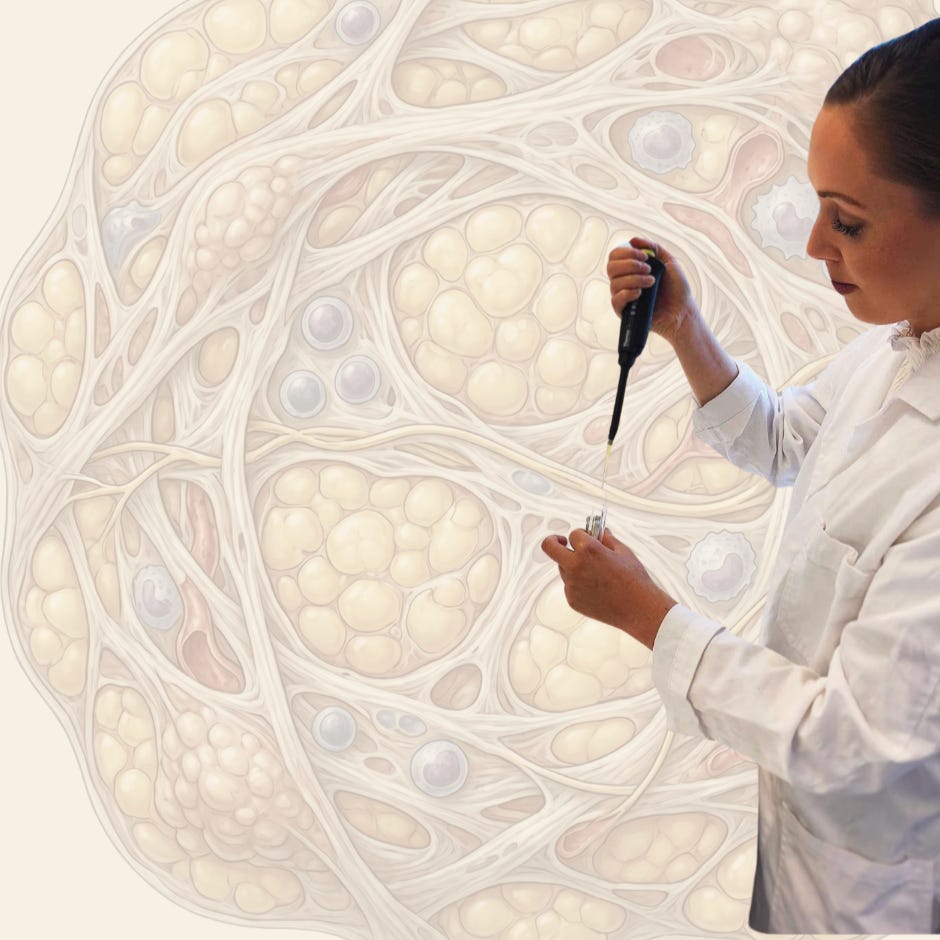
Over the following years, stress became another pattern that was difficult for me to ignore. Some of the periods when my lipedema seemed to progress, and some of the periods when I experienced more symptoms, were also periods of considerable psychological stress. At other times, when I was sleeping well and life felt relatively calm, my body seemed less reactive. I could tolerate more, including some of the things I otherwise regarded as triggers.