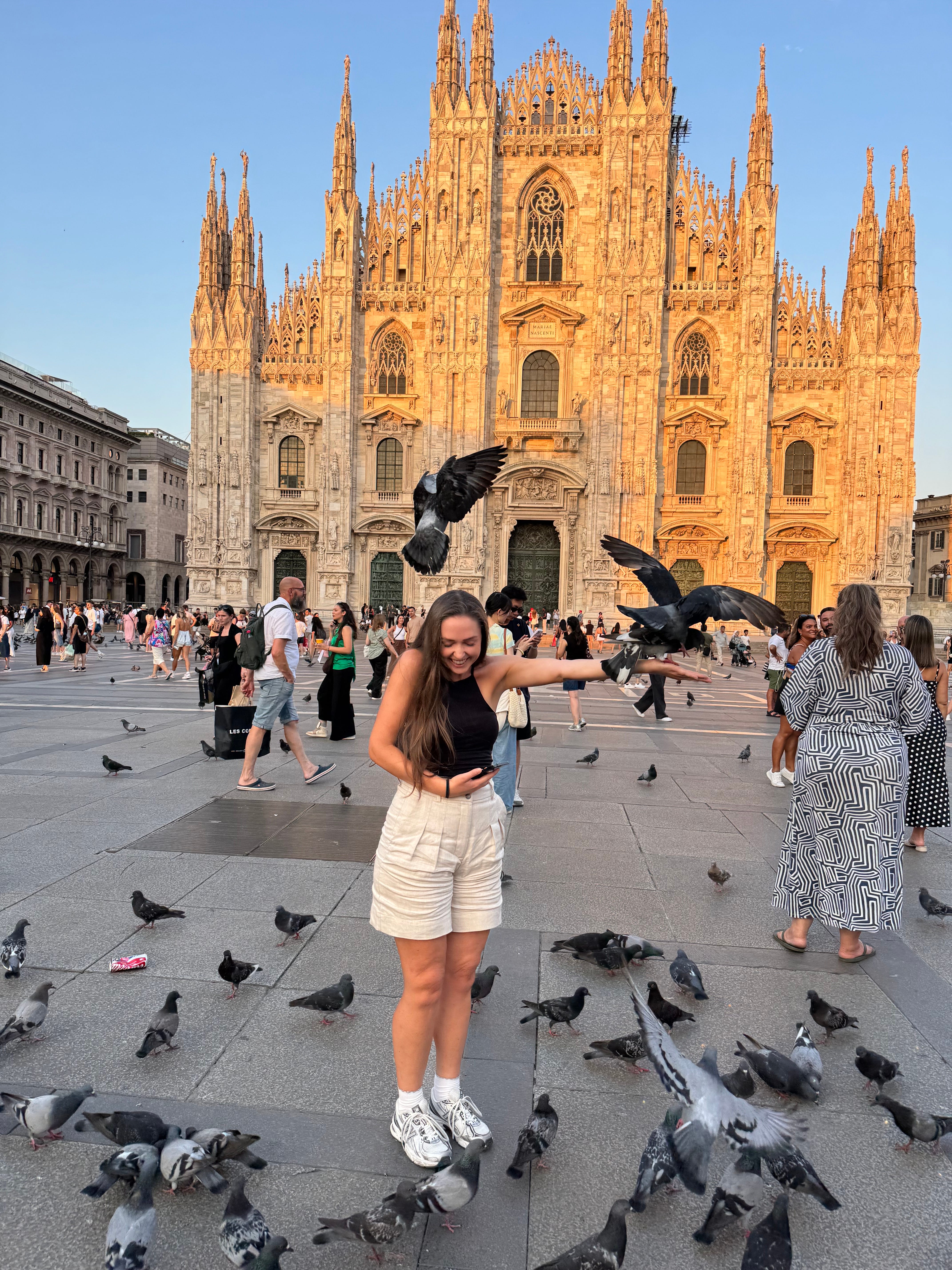
Somewhere between a perfect carbonara in Rome’s northern cousin, a long walk from Portofino to Santa Margherita, and another evening that somehow ended at a wine bar talking long after midnight, I started laughing about a new word.
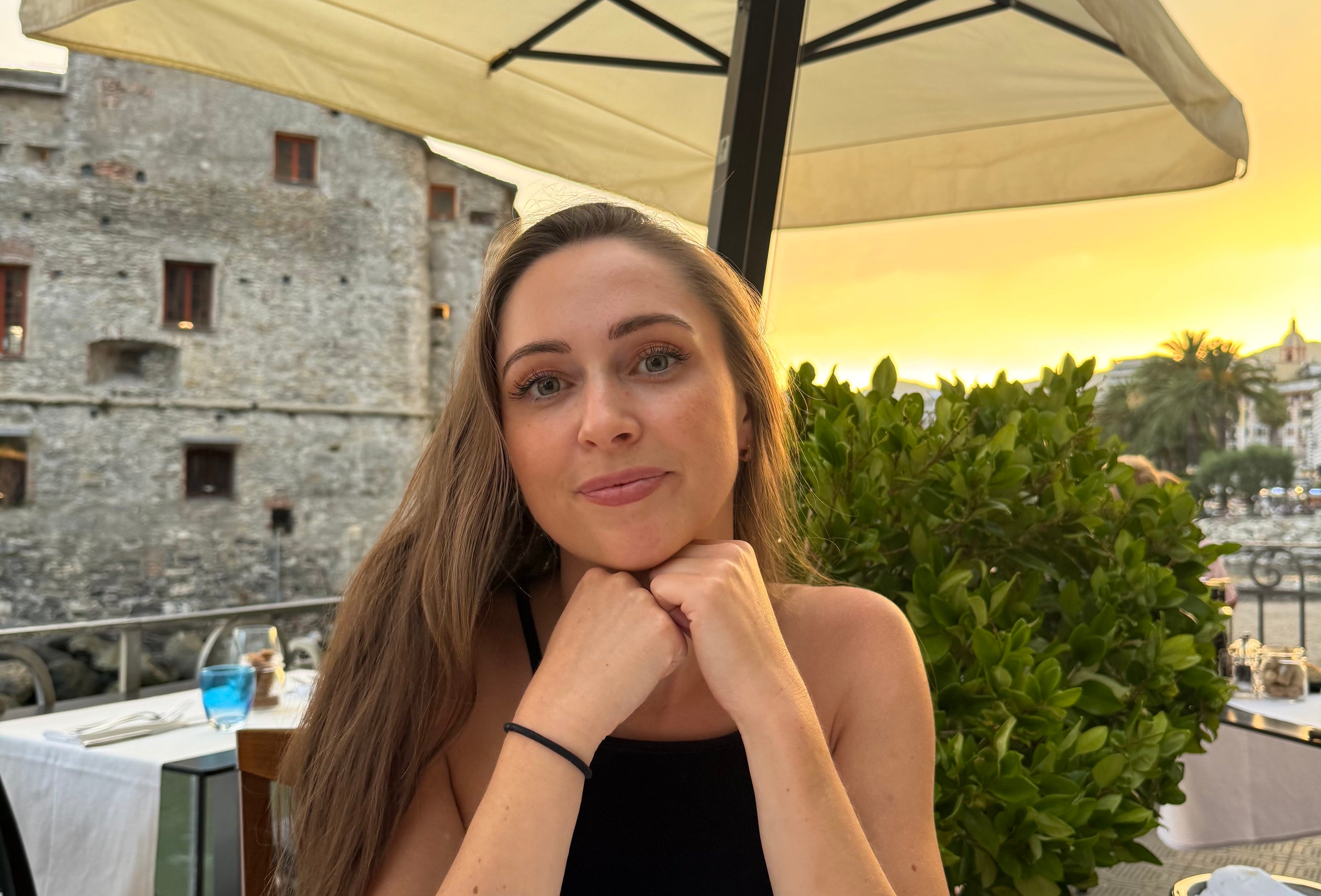
ReCARB. Not rehab. ReCARB.
That strange feeling when you come home from holiday and suddenly crave vegetables, water, your running shoes, and a normal bedtime more than another pizza.
I am writing this on the flight from Milan to Lisbon, already looking forward to getting back into my usual routine. Not because I feel guilty. Not because I think I have “ruined” anything. Simply because my body is asking for something different now. And I have learned that it is worth listening.
Holidays are part of a healthy life too
This has honestly been one of the best weeks I have had in a long time.
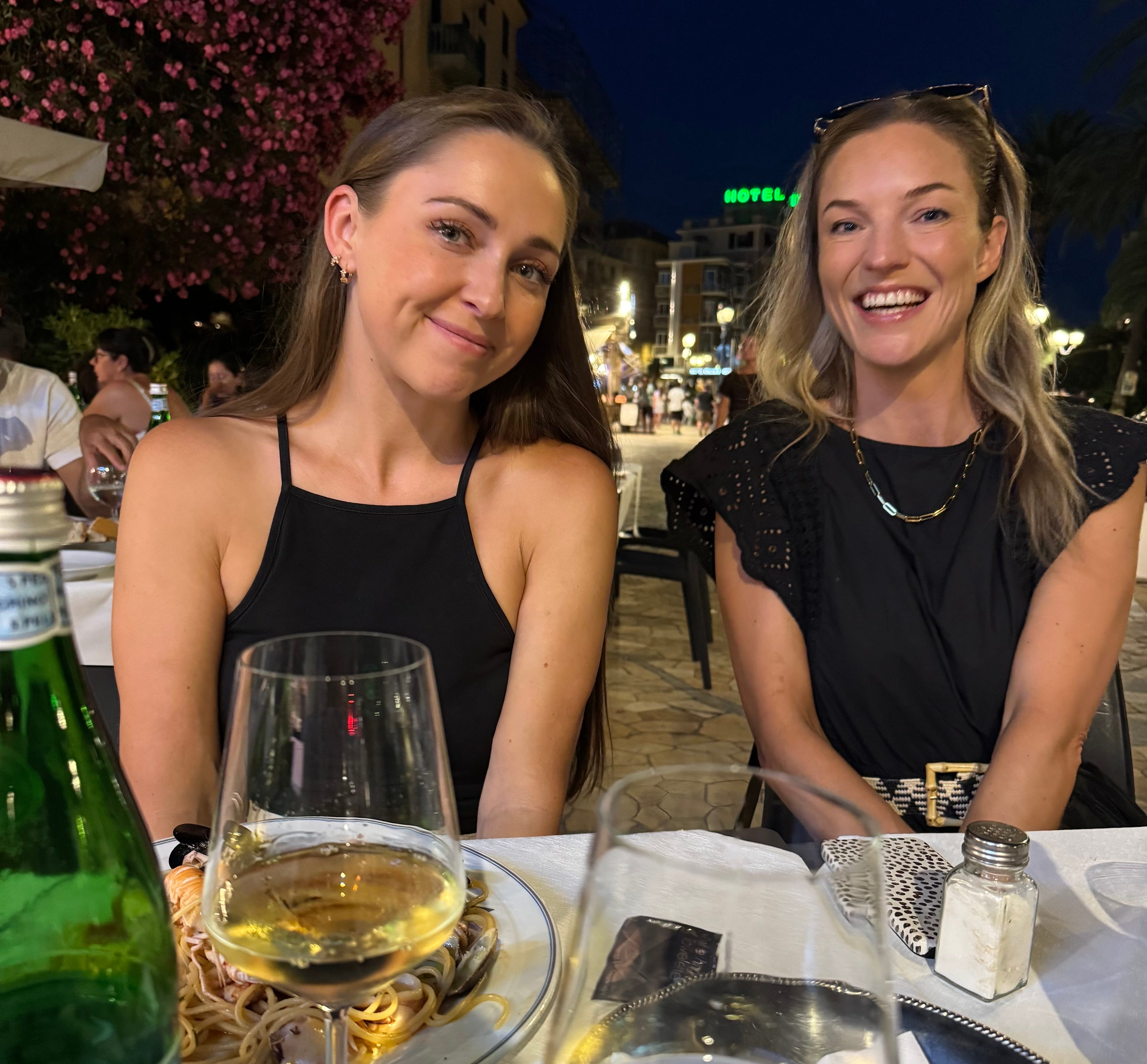
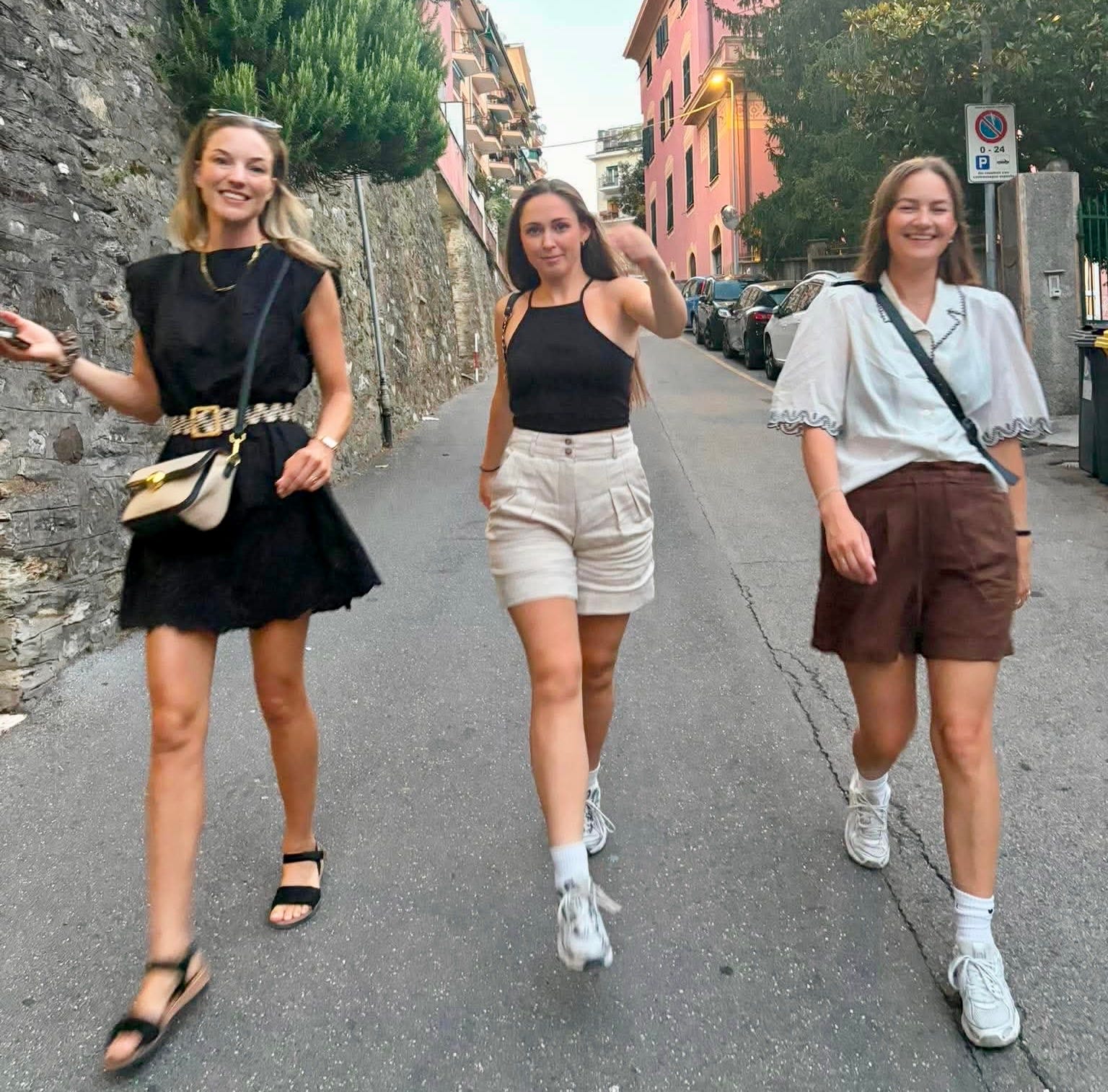
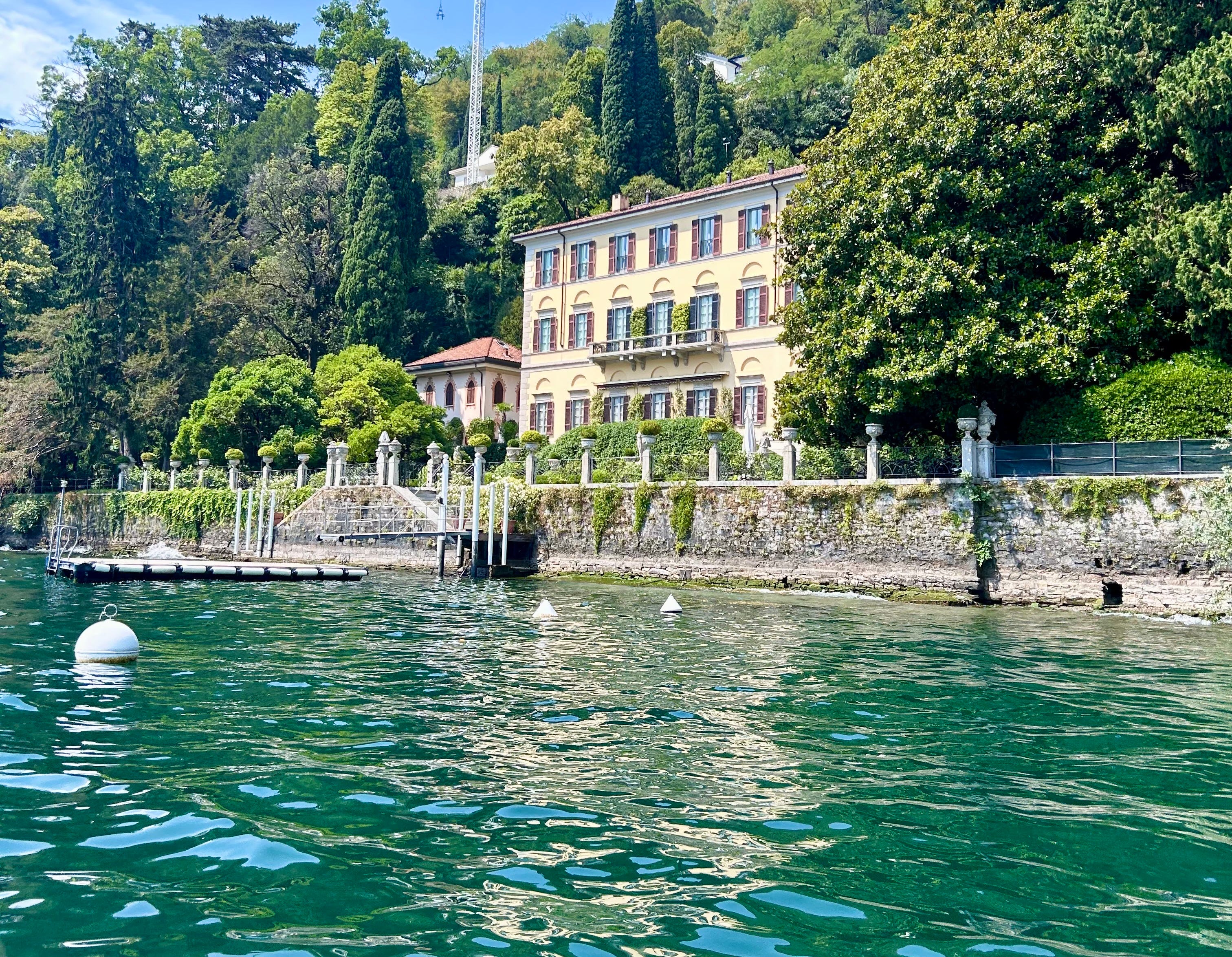
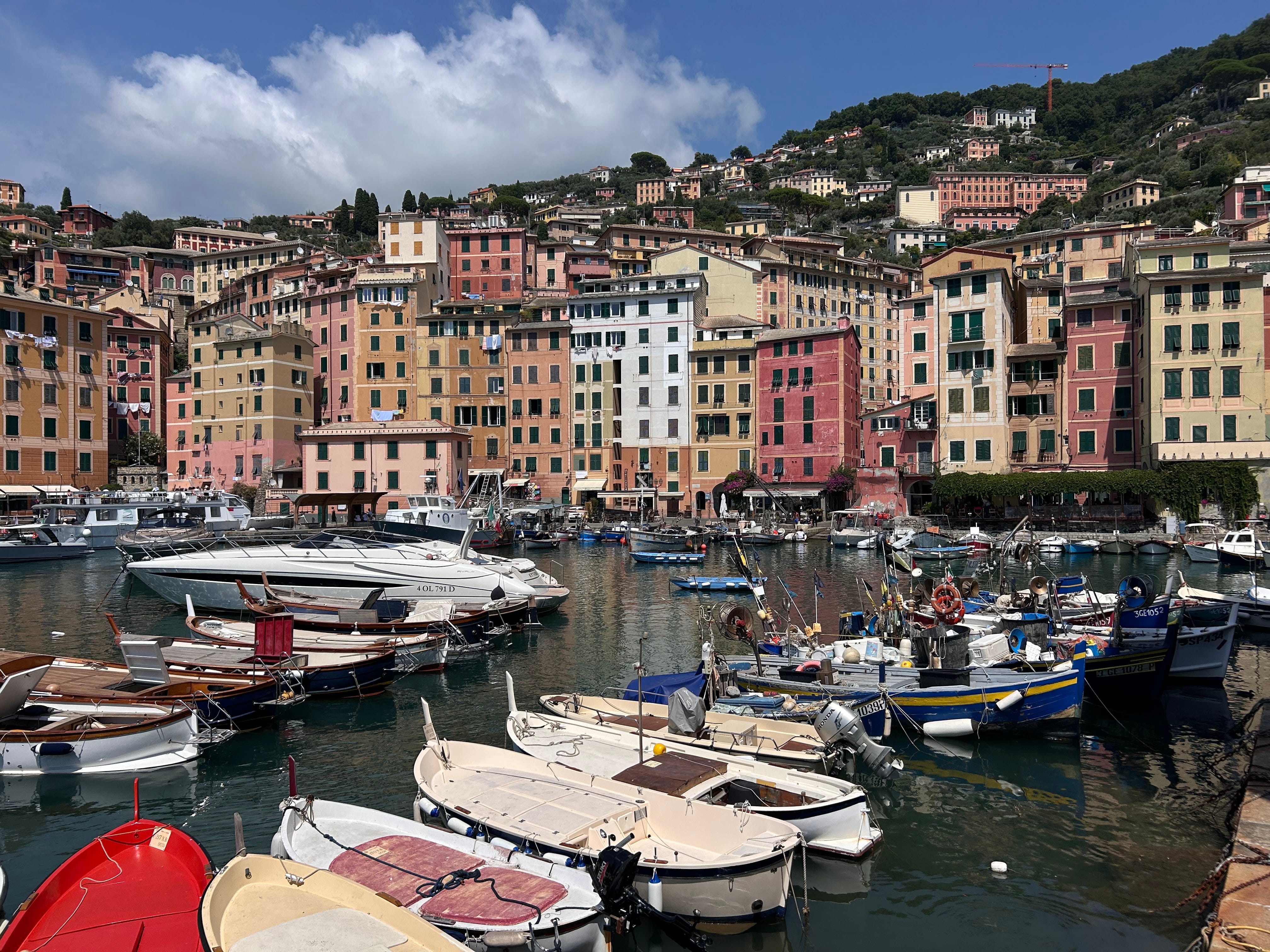
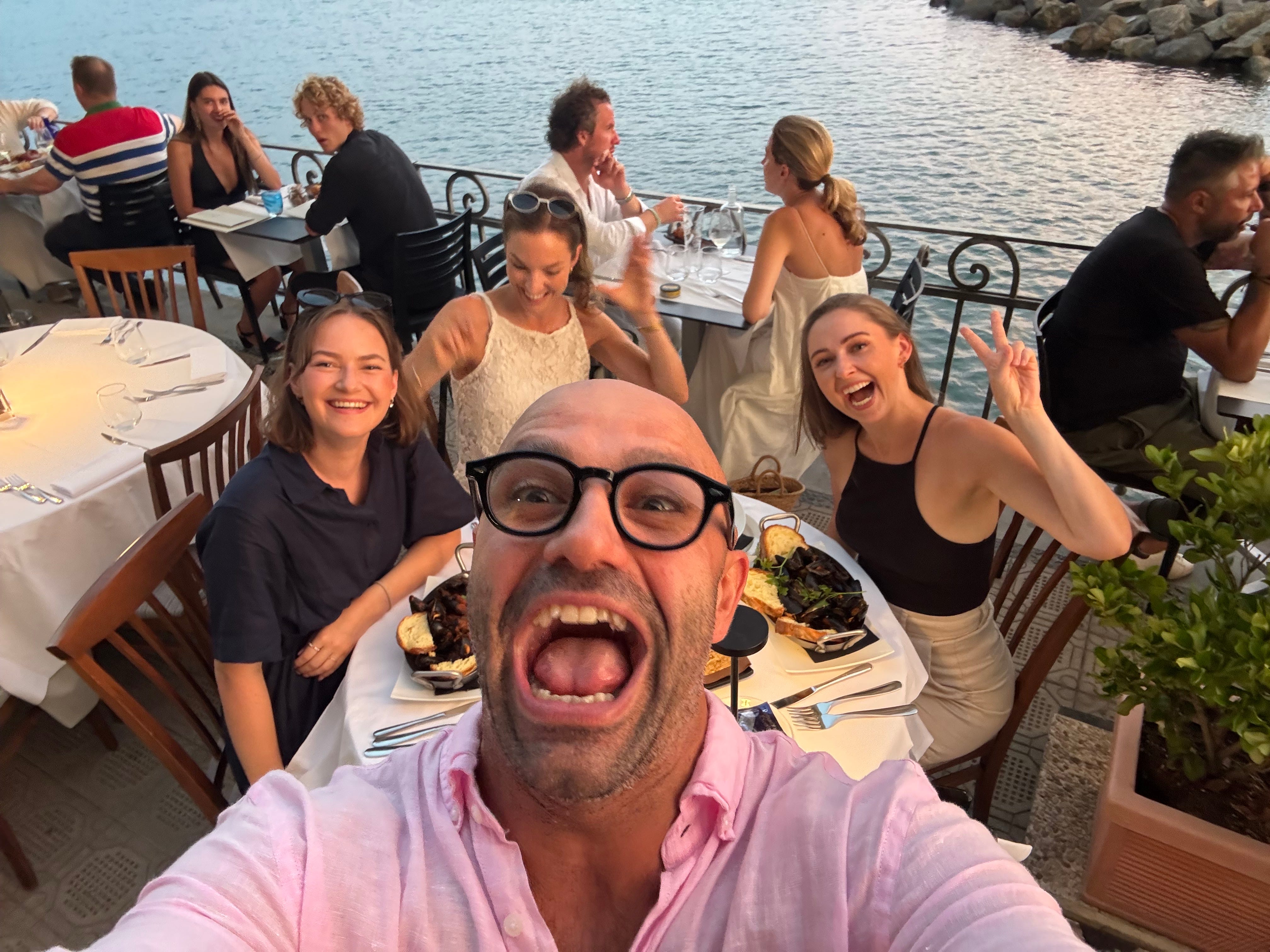
We travelled through Lake Como, Milan, Rapallo, Camogli, Portofino, and Santa Margherita. We laughed until late at night, had conversations that only happen when nobody is checking the clock, ate incredible food, and created memories that will probably become stories we tell for years.
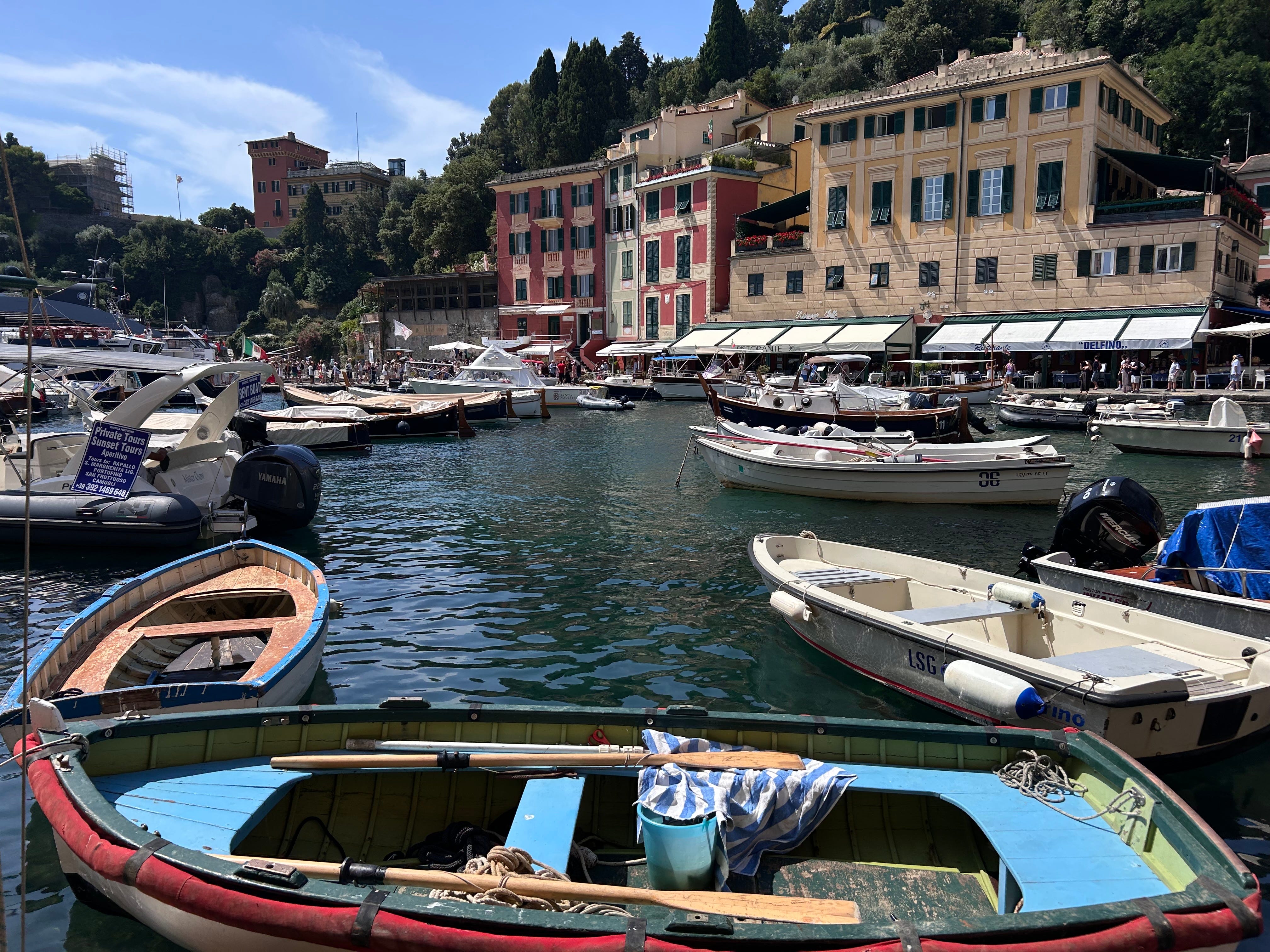
That is not a distraction from health. That is health.
Sometimes we forget that when we live with a chronic condition. We become so focused on managing symptoms that the management itself quietly becomes the centre of our lives. I never want that to happen.
Lipedema deserves attention. It does not deserve to become my entire identity.
Italy is not just pizza
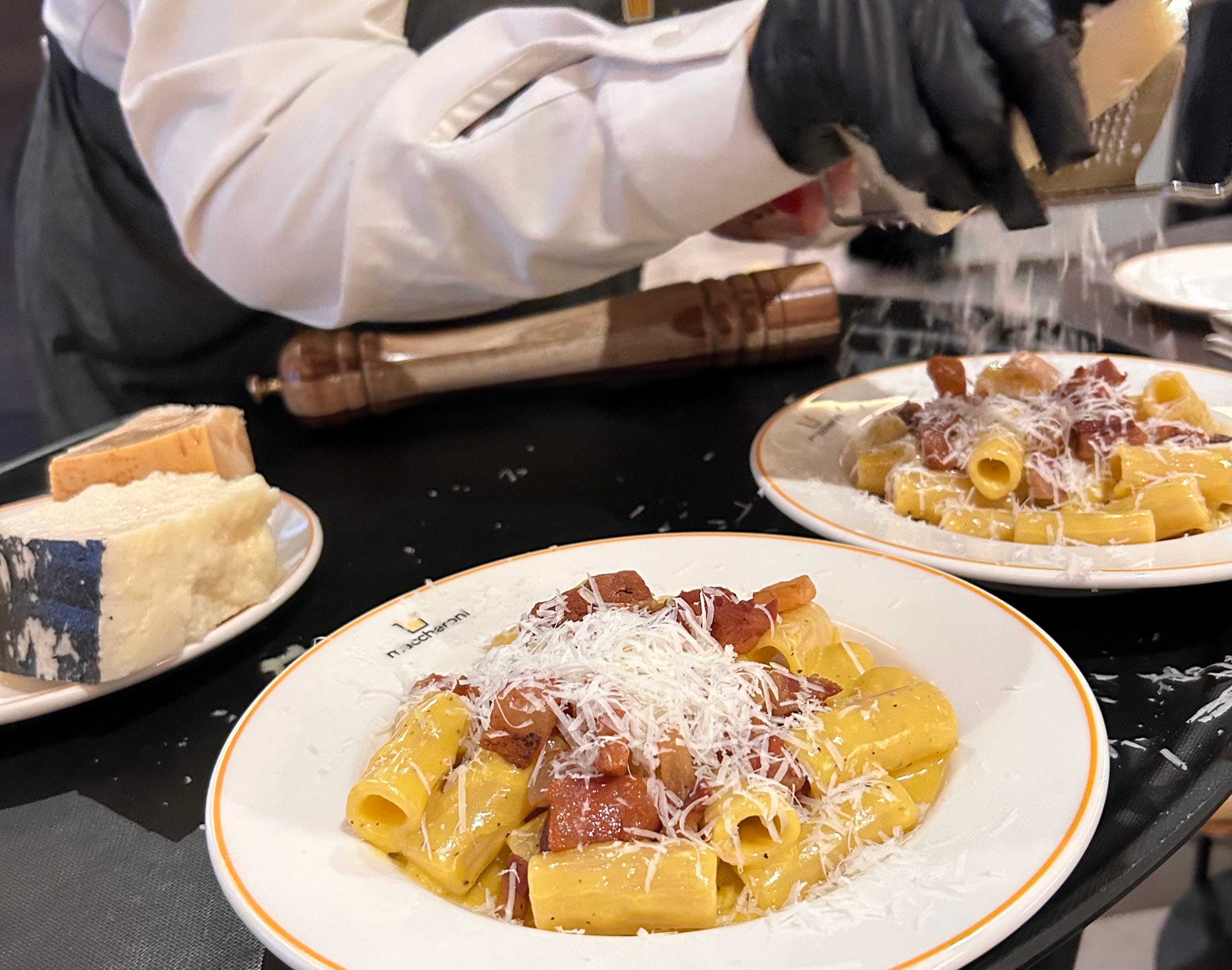
Of course we enjoyed pizza. And yes, I may have eaten the best carbonara I have ever tasted.
But something interesting happens when people imagine an Italian holiday. They picture endless pasta and wine. The reality is much more varied. We also walked for hours every day.
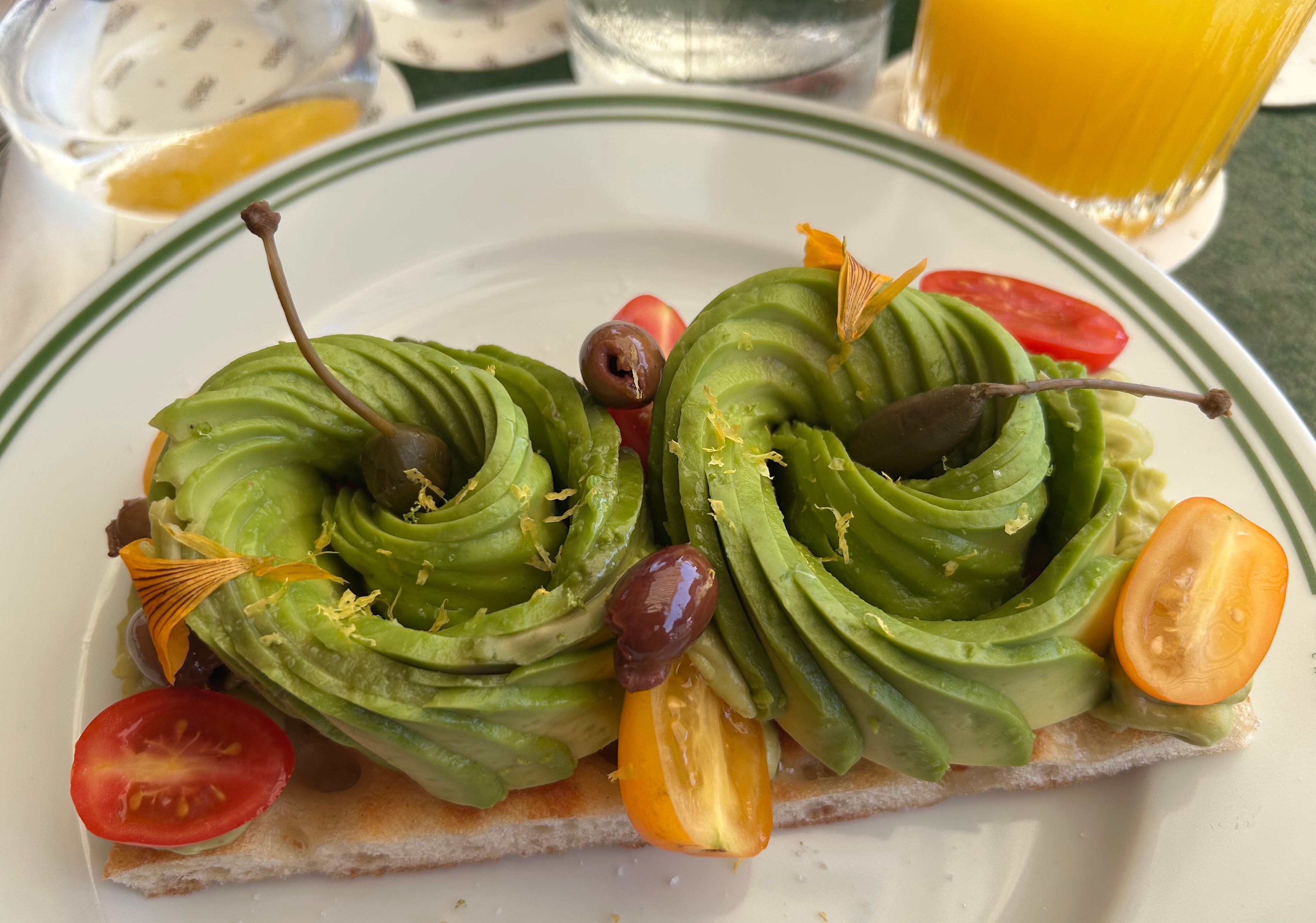
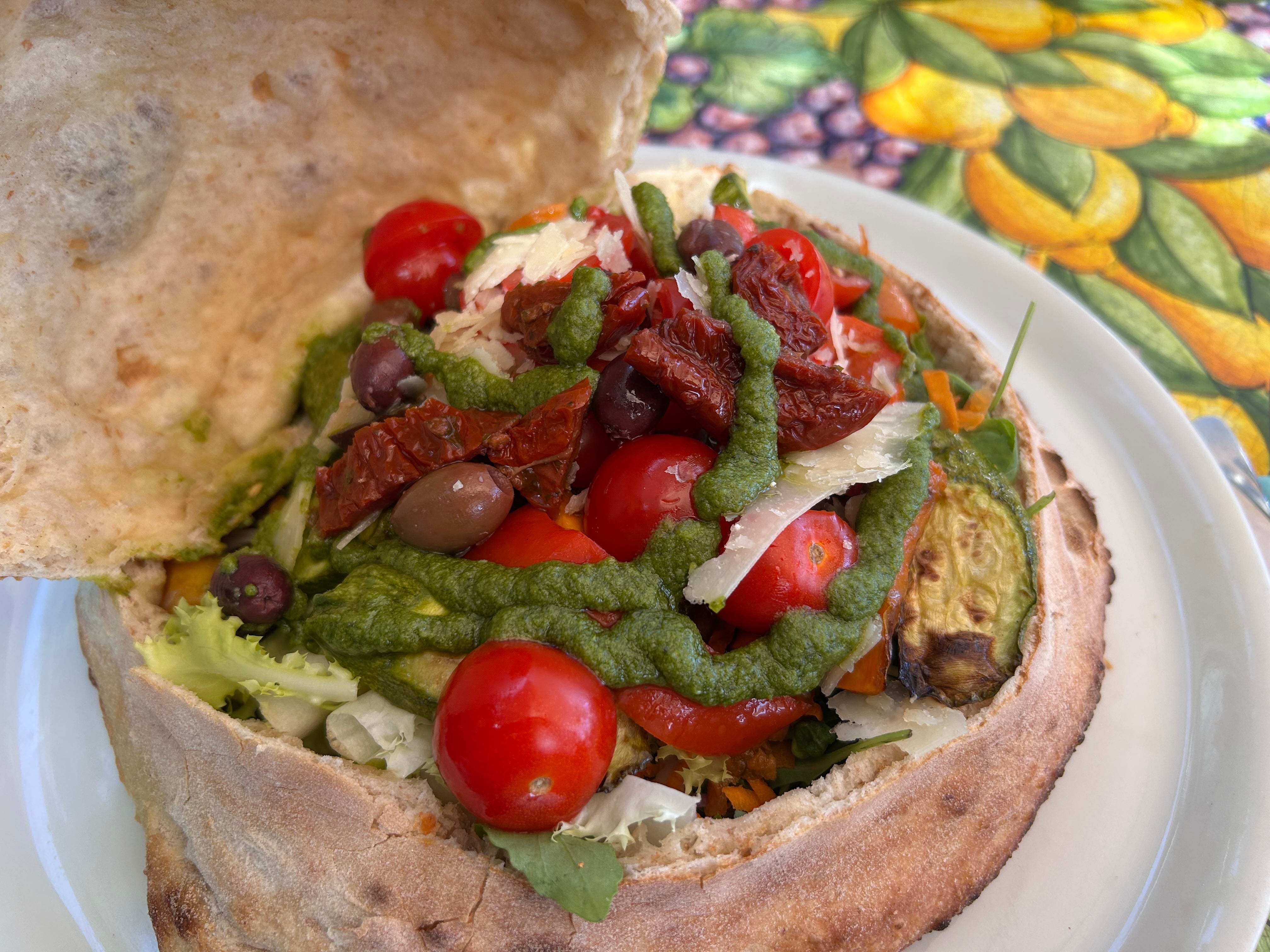
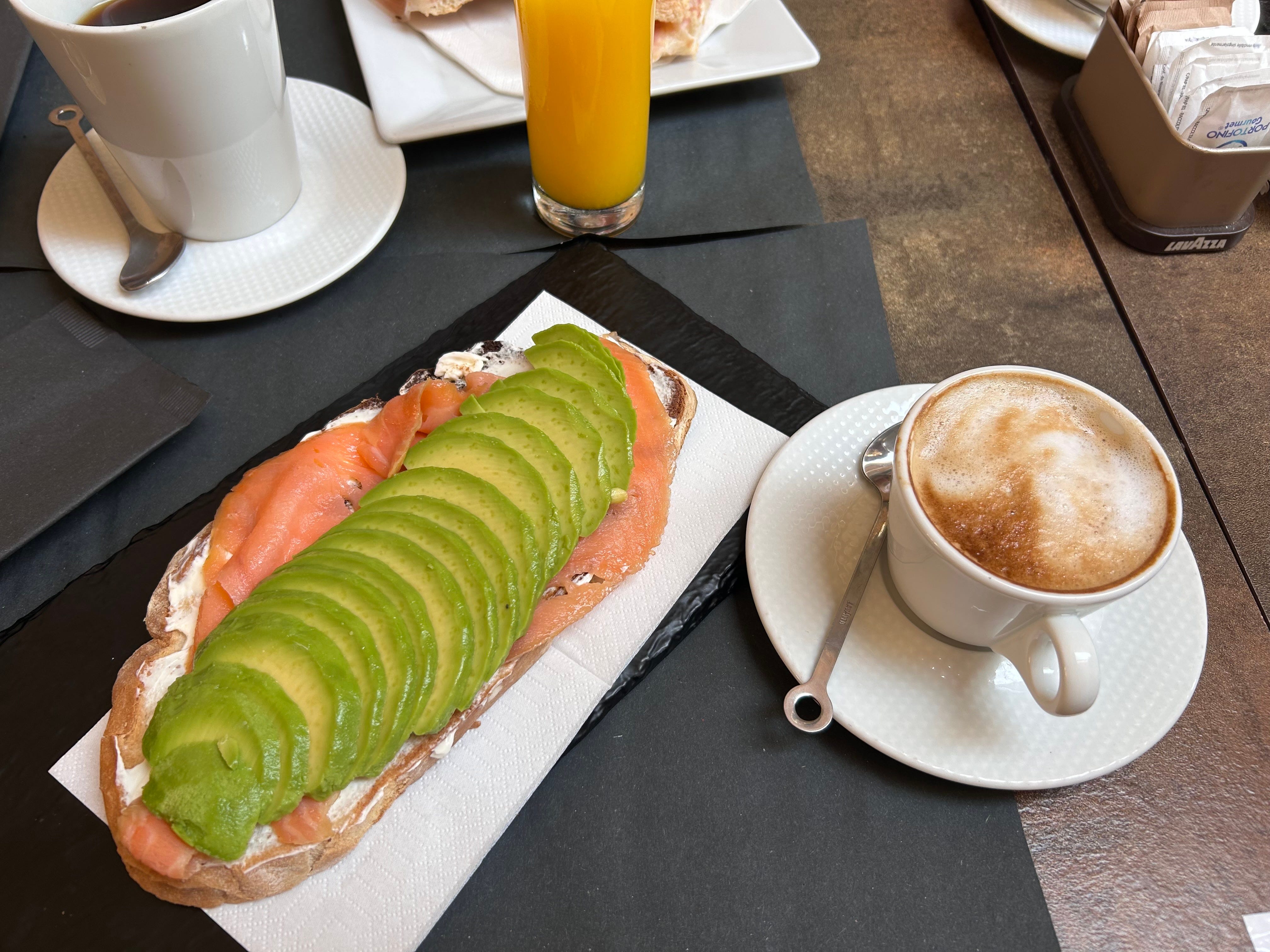
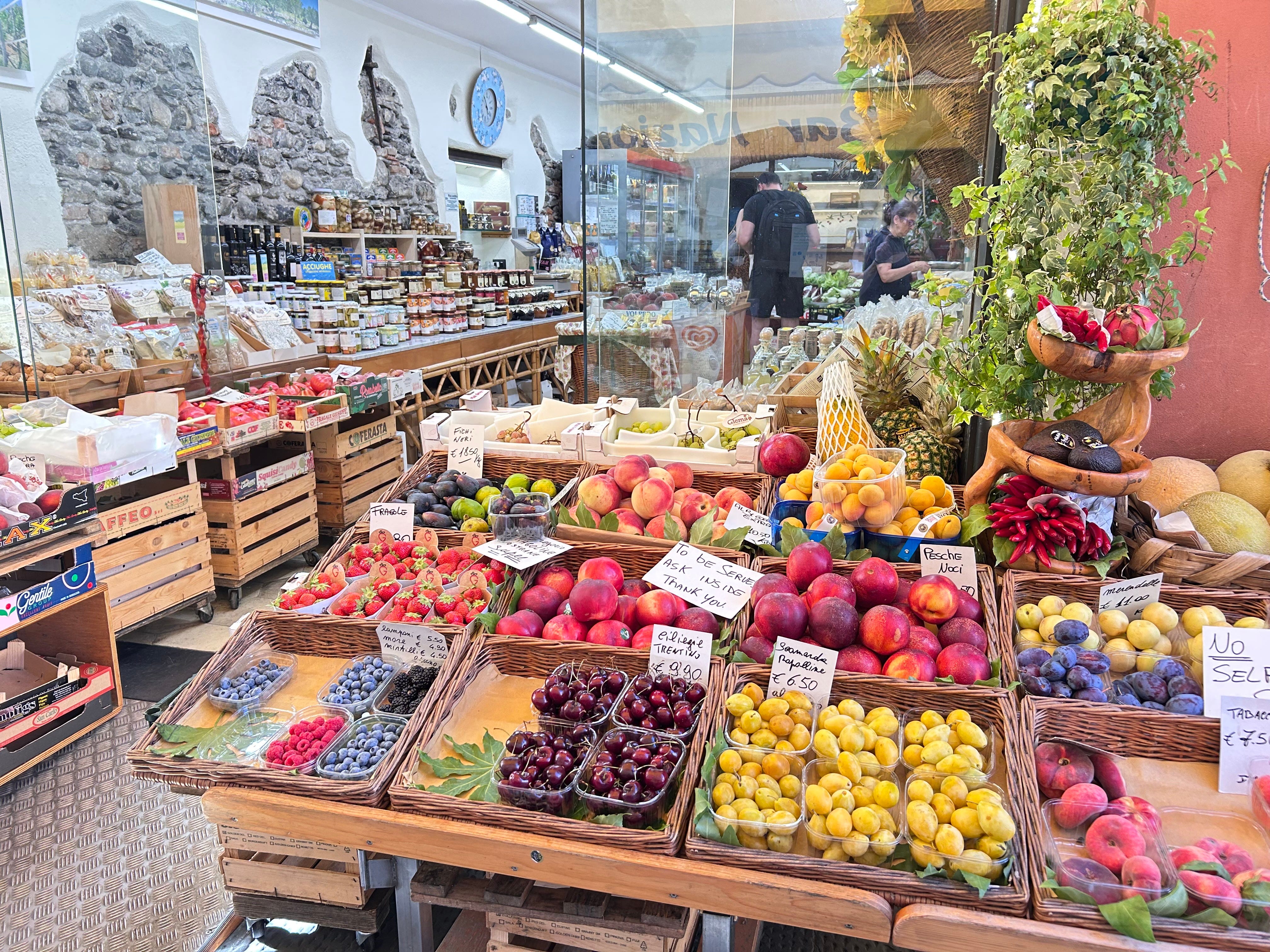
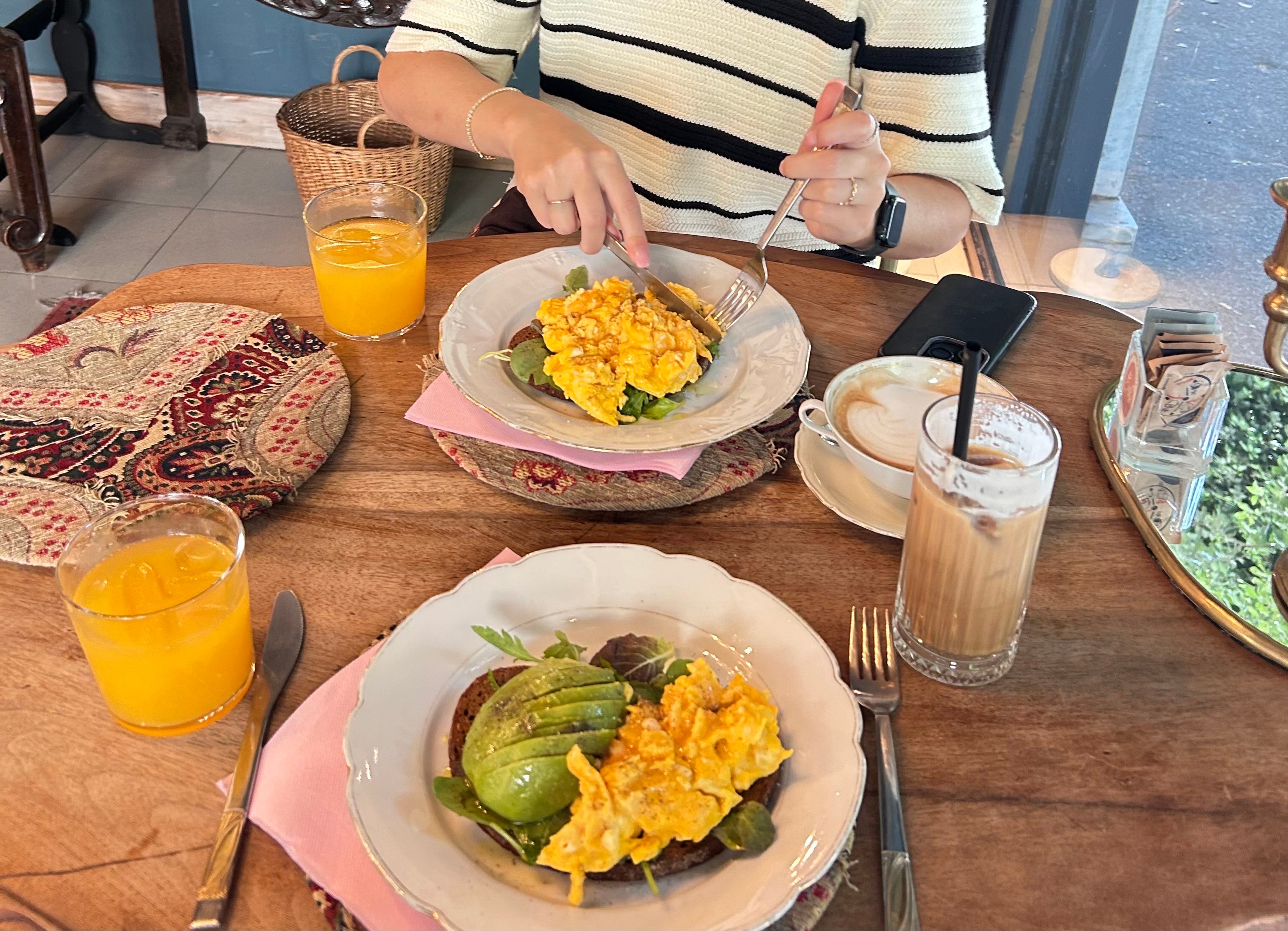
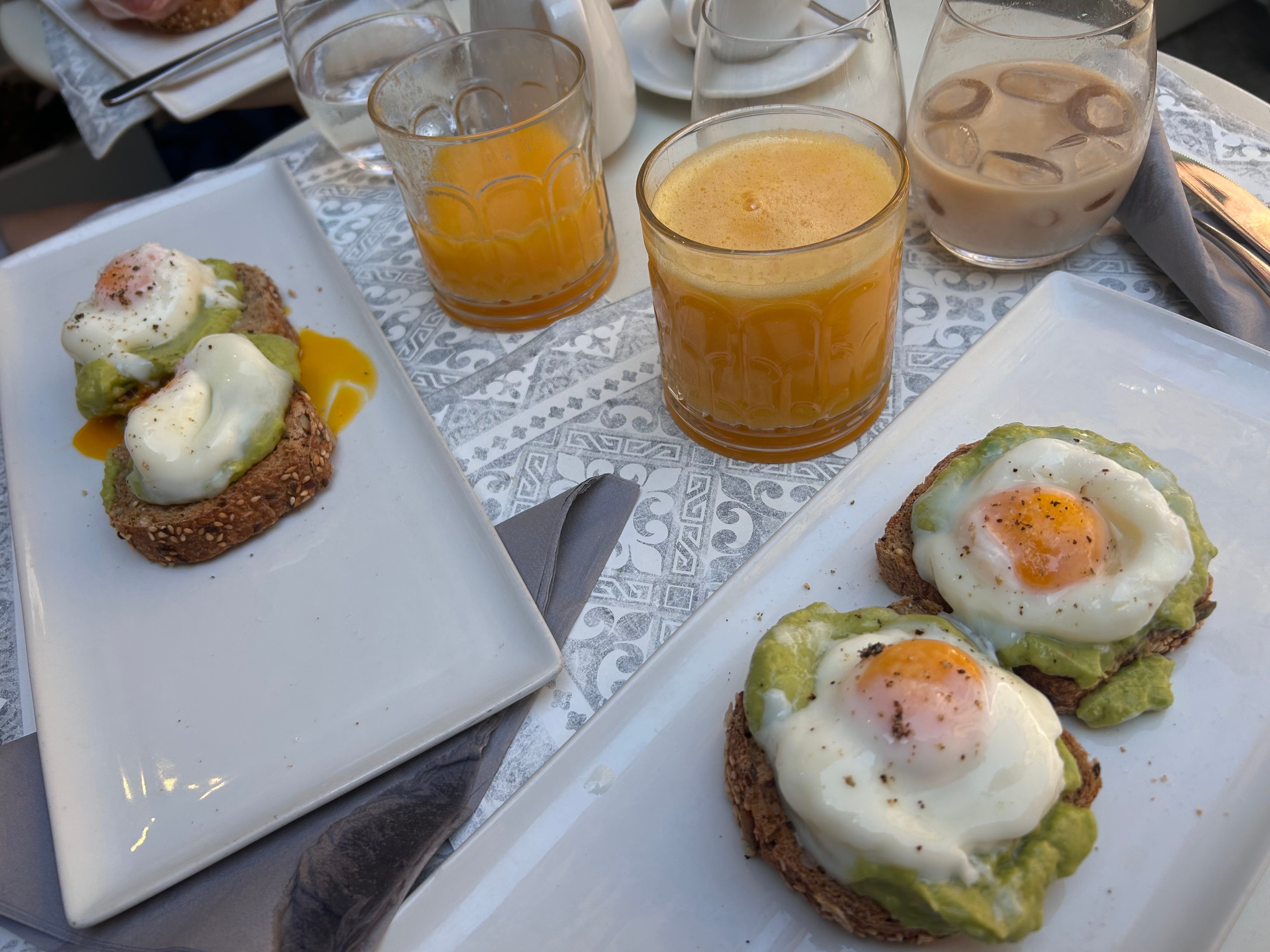
Lunch was often seafood, salads or avocado toast. Fresh vegetables appeared almost automatically. Olive oil replaced butter. Portions were surprisingly moderate. We spent much more time moving than sitting.
Without really trying, we ended up eating remarkably close to a Mediterranean dietary pattern.
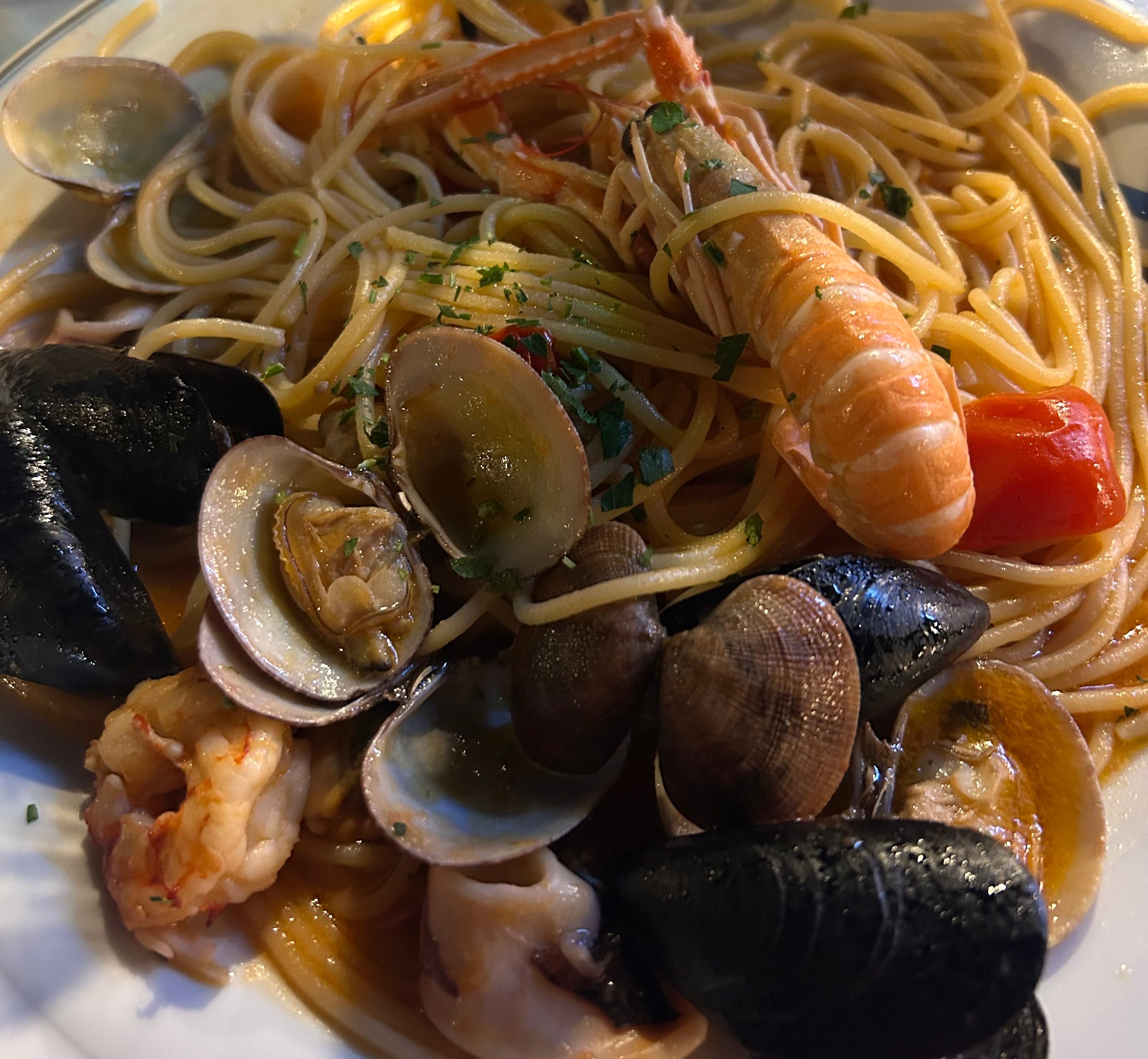
As someone who studied both nutrition and food science, I cannot help noticing these things.
What actually happens to lipedema after a holiday?
This is probably the question I receive most often. The short answer is reassuring.
A couple of weeks with more pasta, pizza and wine does not rebuild lipedema tissue.
Lipedema tissue changes slowly. It is famously resistant to dieting in both directions. It does not suddenly appear because you enjoyed your holiday.
What usually changes much faster is something else.
Fluid. Inflammation. The way your legs feel.
If your legs become heavier after a holiday, alcohol is actually one of the most plausible explanations. Alcohol causes blood vessels to dilate, influences fluid balance, and may temporarily affect lymphatic drainage. Many women notice increased heaviness or tenderness the following day.
Restaurant food also tends to contain considerably more sodium than home cooking, which may increase fluid retention, particularly if you already have some degree of lymphatic involvement.
Carbohydrates themselves are probably less interesting than many people think.
Yes, ketogenic diets have been studied in lipedema, and a few small studies have reported reductions in pain. But those studies are short, involve relatively few participants, and they certainly do not demonstrate that eating carbohydrates damages lipedema tissue. Those are two very different conclusions.
Sometimes research quietly supports what you are already doing
One thing I found funny afterwards was realising that this holiday looked remarkably healthy from a research perspective. We ate plenty of seafood. That matters.Fatty fish provide EPA and DHA, the marine omega-3 fatty acids that become part of our cell membranes. From these, the body produces specialised signalling molecules called resolvins and protectins, compounds involved in actively helping inflammation resolve rather than simply suppressing it.
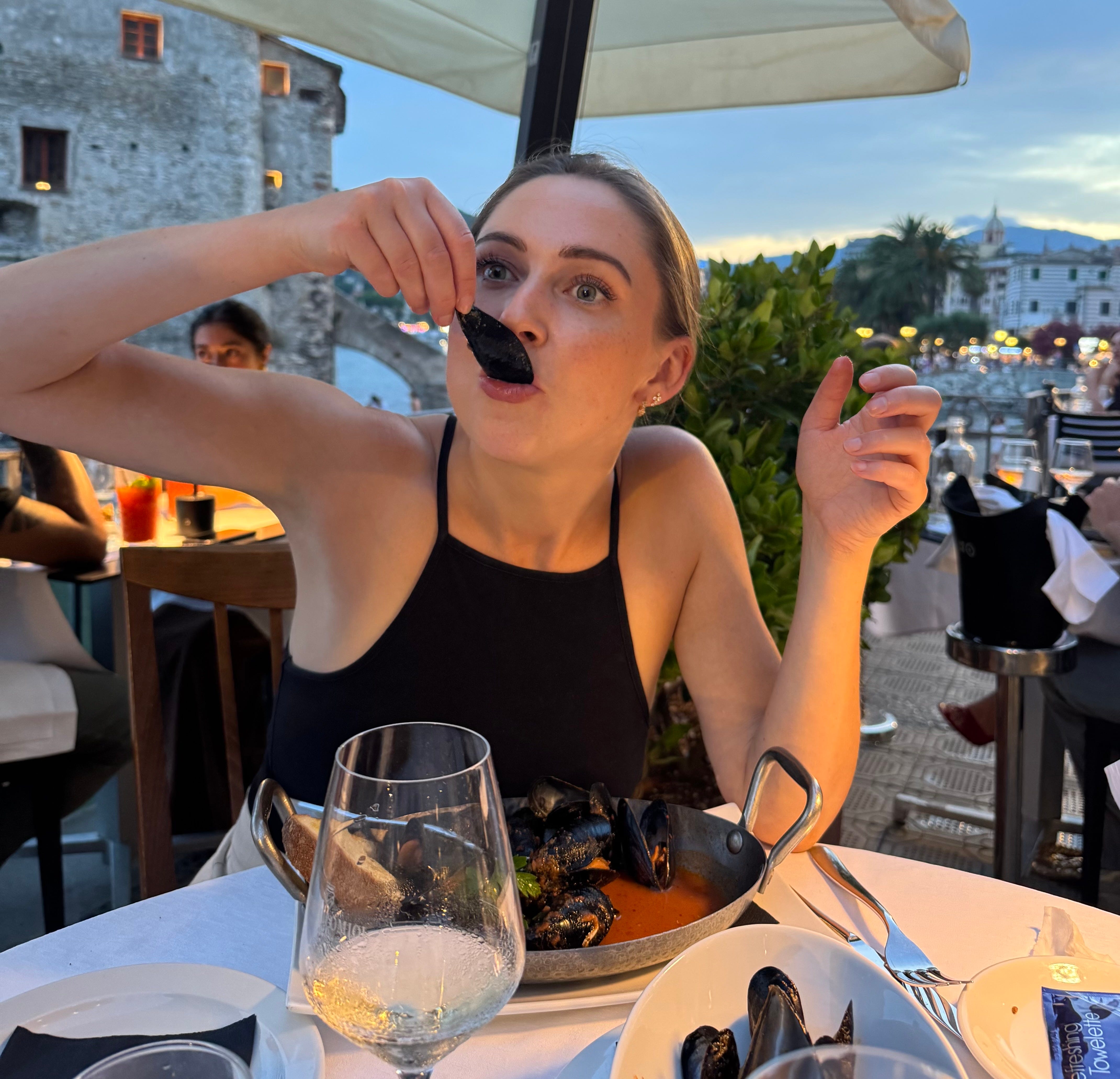
Shellfish such as mussels provide iron, selenium, zinc, iodine and vitamin B12 in amounts that are surprisingly difficult to match elsewhere.
Extra virgin olive oil contributes polyphenols and oleocanthal, compounds that have been associated with lower inflammatory markers in Mediterranean diet studies.
There is an important scientific caveat here.
We have reasonably good evidence that Mediterranean dietary patterns can reduce inflammatory markers such as CRP and IL-6 in the general population.We do not yet have studies demonstrating that these foods specifically improve lipedema tissue itself. That distinction matters.
One of the biggest challenges in lipedema research is resisting the temptation to make stronger conclusions than the evidence allows.
My body still gives me feedback
Even though I know the science, I still pay attention to my own body.
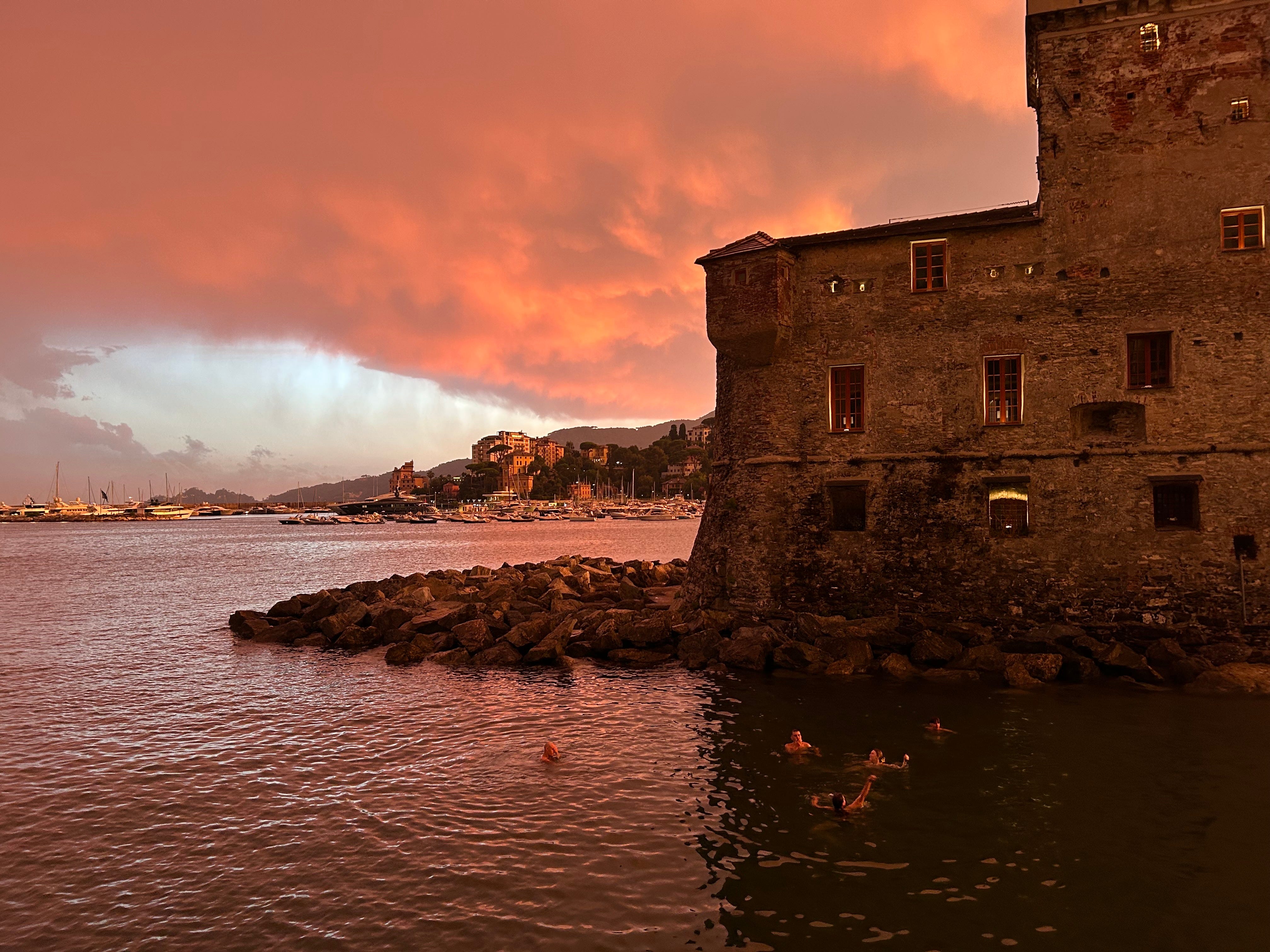
During this trip my legs became noticeably swollen after several hours on the train. The next thing I did was head straight into the Mediterranean Sea. Cold water has always made my legs feel better.
Was it changing my lipedema? Probably not. Did it help the swelling and heaviness I was experiencing in that moment? Absolutely.
Sometimes listening to your body is just as important as reading another research paper.
If your body tells you it needs rest, give it rest. If it needs movement, move. If it needs vegetables after several days of pasta, that is probably a perfectly reasonable request.
The mindset that changed my own life
There is another lesson this trip reminded me of. Life becomes surprisingly heavy when every decision feels like a health decision.
Should I eat this?
Should I skip that?
Should I have another glass of wine?
Should I stay home because my legs are swollen?
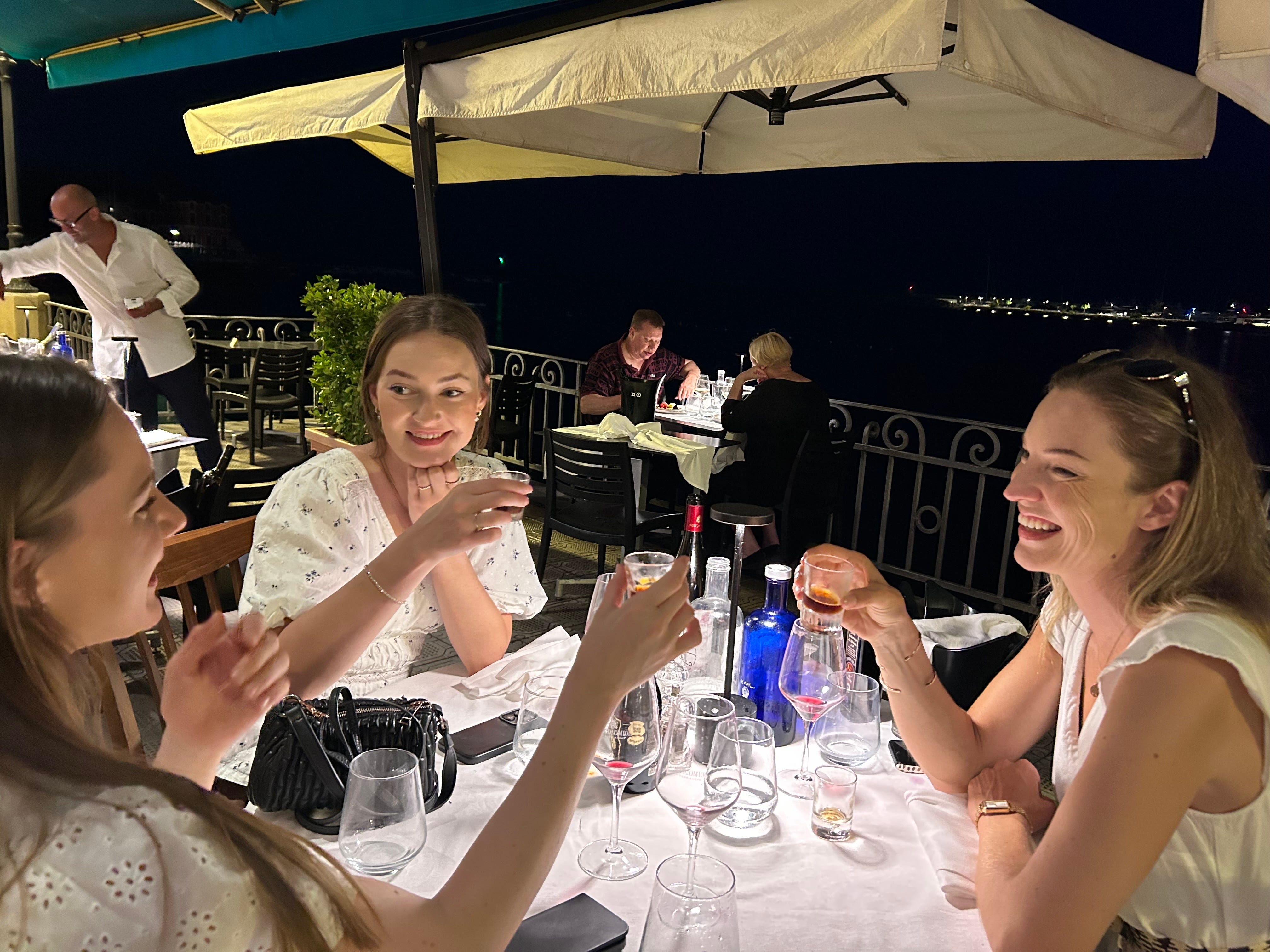
At some point, the pursuit of perfect health quietly steals your happiness.
I would rather live differently.
I want to smile more.
Talk to strangers.
Stay curious.
Have long dinners with friends.
Walk through beautiful towns without counting every calorie burned.
Laugh so much that I forget to think about my legs for a while.
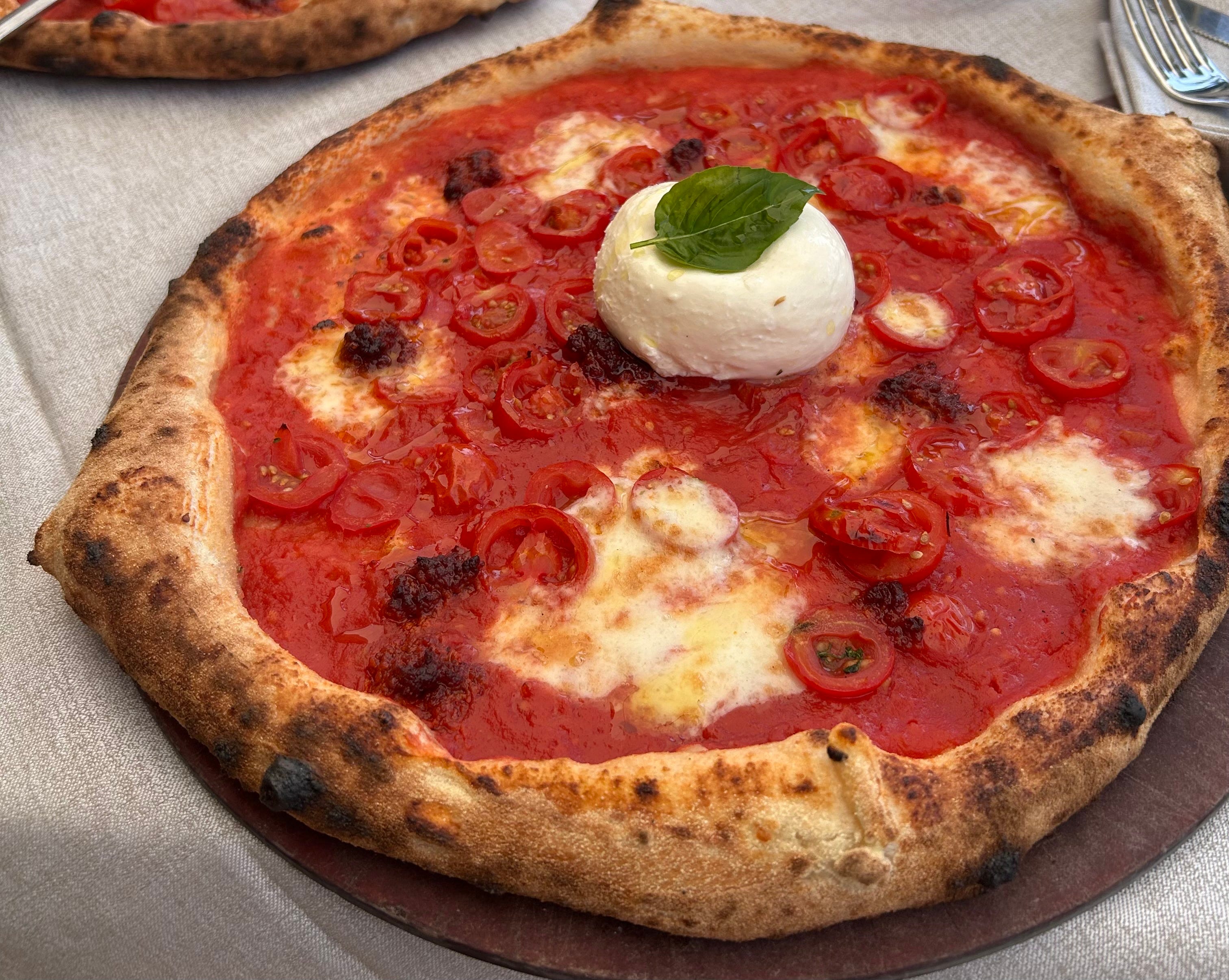
The interesting thing is that when I stop trying to control everything, I often make better choices anyway. Not because somebody told me to. Because my body naturally wants balance.
Why I write about lipedema
People sometimes ask why someone with my background spends so much time writing about lipedema. The answer is actually quite simple.
I have a bachelor’s degree in Human Nutrition and a master’s degree in Food Science. Those are different disciplines that complement each other remarkably well. One focuses on what food does inside the body. The other focuses on what food actually is, its chemistry, microbiology, composition and processing.
I also spent time working in laboratory research, studying inflammation, intestinal cells, bioactive food compounds and the gut.
But the most valuable thing my education gave me was not facts. It taught me method. How to read a scientific paper. How to separate an interesting hypothesis from convincing evidence. How to recognise when conclusions extend beyond the data.
That skill has become surprisingly valuable in lipedema, where research is still limited and ideas often spread through patient communities much faster than the science itself. And perhaps most importantly, I also live with lipedema.
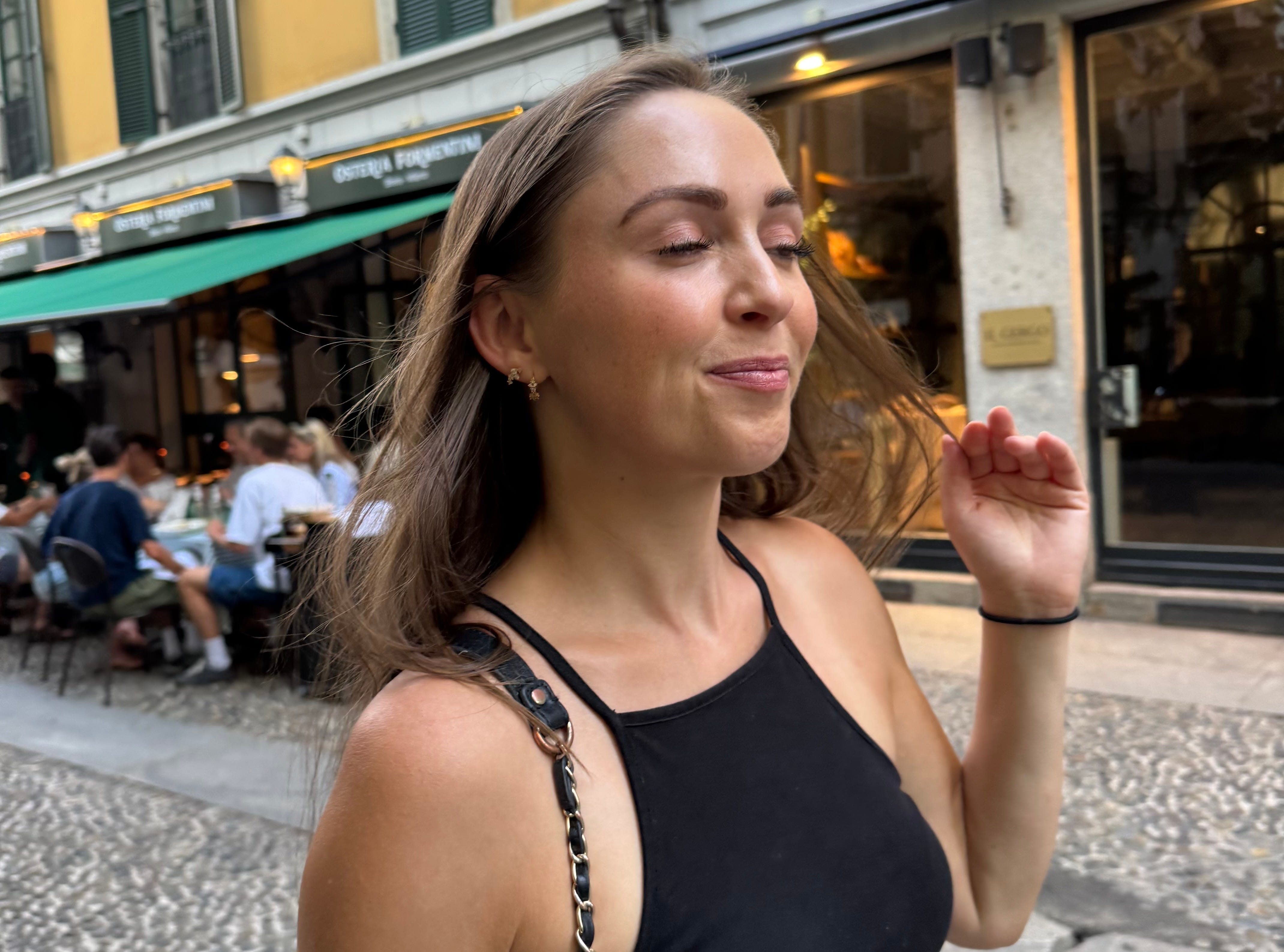
I know what it feels like to desperately want answers. That is why I care so much about getting the science right.
Balance, balance, balance
If there is one thing this week reminded me of, it is this.
Your lipedema management should support your life.
Your life should not revolve around your lipedema management.
Eat the carbonara.
Enjoy the seafood.
Walk along the Mediterranean.
Drink enough water.
Go back to your routine when you get home.
Listen to your body.
Read the science.
Question exaggerated claims.
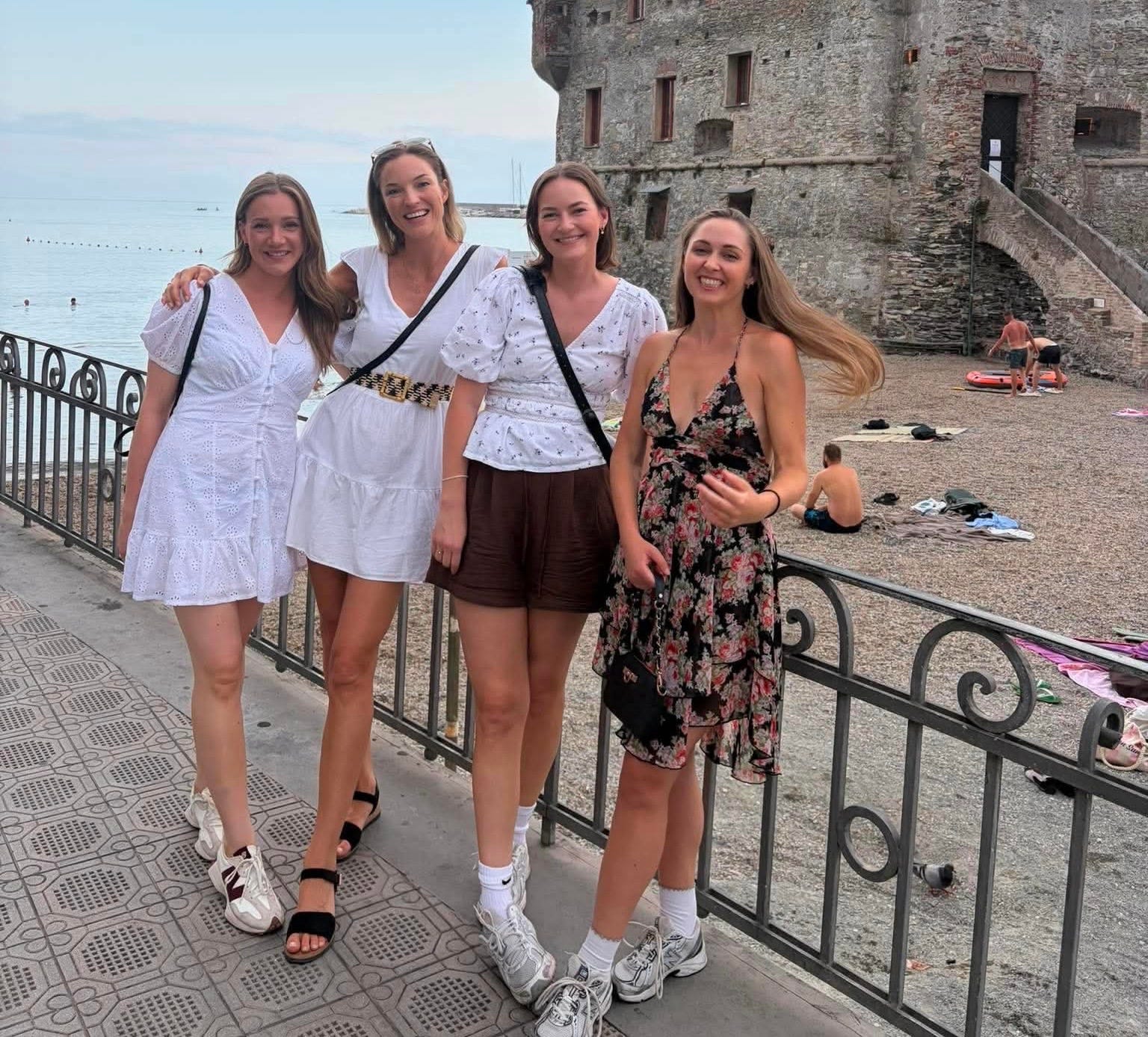
And never postpone making beautiful memories because you are waiting for the day when your legs finally become perfect.
Life is happening now. And none of us will ever be younger than we are today.