

Fourteen years ago, when I received my own lipedema diagnosis, the landscape was very different. There were no visible role models. Few women spoke openly about heavy legs, pain, shame, lymphatic dysfunction, or the long-term emotional impact of living in a body that did not respond as expected. Information existed, but recognition did not. Knowledge without identification leaves many women isolated, and that absence has real consequences.
This is why voices like Sarah Whitlow’s matter..
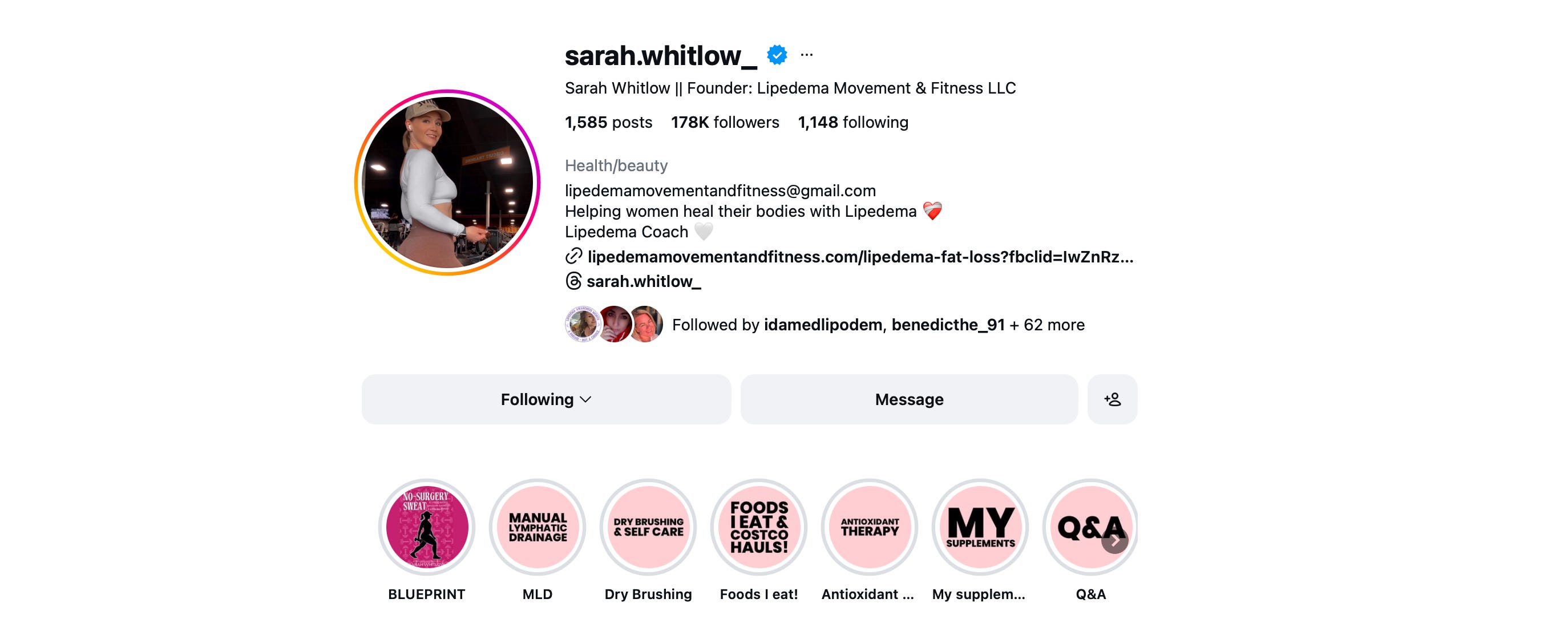
Living in the Midwest of the United States, Sarah has built a following of more than 178,000 people on Instagram by consistently sharing her lived experience with lipedema. Her work stands out not because it promises transformation, but because it refuses to simplify a complex disease. She does not present polished narratives or linear success stories. Instead, she speaks about what lipedema actually looks like over time, including motherhood, fatigue, flare-ups, faith, setbacks, and long-term management.
Before lipedema had a name in her life, Sarah’s relationship with her body was shaped by confusion and shame. From early childhood, her legs were visibly larger and heavier than those of her peers. There was no explanation that made sense, only the assumption that effort was lacking. Like many women with lipedema, she internalized the belief that her body’s failure was a personal failure. That if she exercised more, restricted food further, or showed more discipline, her body would eventually respond.
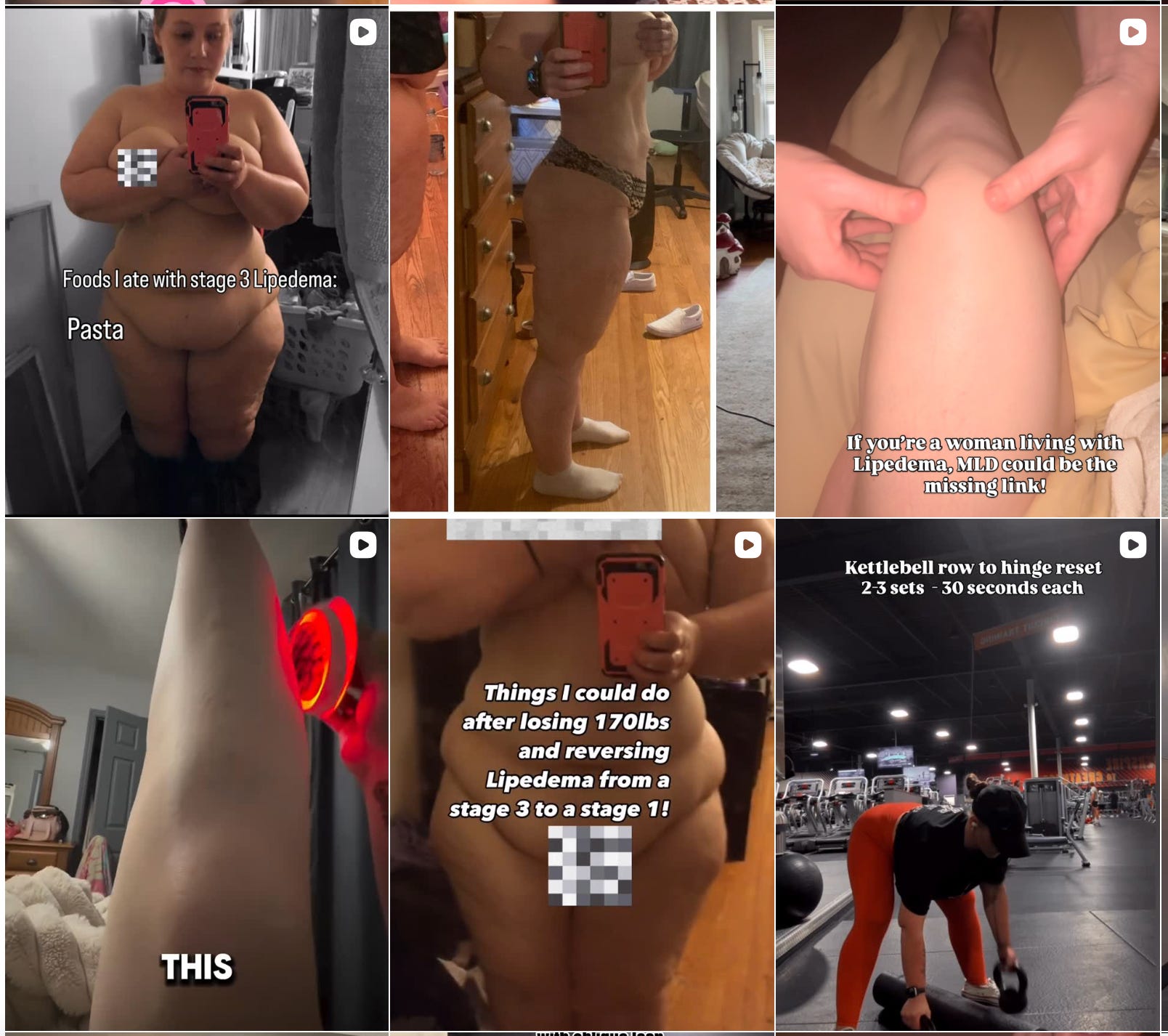
During adolescence, symptoms intensified. Disproportion, heaviness, and pain increased, along with social withdrawal and shame. At one point, this became severe enough that she dropped out of high school. Long before any form of healing began, her body was not only carrying fat or fluid. It was carrying chronic stress, unresolved trauma, and a nervous system in a prolonged state of survival.
When Sarah discovered lipedema in 2019, after already losing approximately 130 pounds, the diagnosis brought relief rather than despair. It provided language for something she had known intuitively for years. More importantly, it offered a framework that allowed her to stop fighting her body blindly and start observing it systematically.
The period that followed was not defined by rapid change, but by persistence. Sarah did not have access to comprehensive medical care or financial flexibility. She worked with the information and tools available to her. She paid close attention to how her body responded to food, stress, and movement. She noticed how inflammation influenced swelling, heaviness, and pain, often within hours or days. Over time, she learned that restriction and intensity were less effective than specificity and consistency. Higher protein intake, fewer carbohydrates, low-impact movement, and careful observation replaced punishment-based approaches.
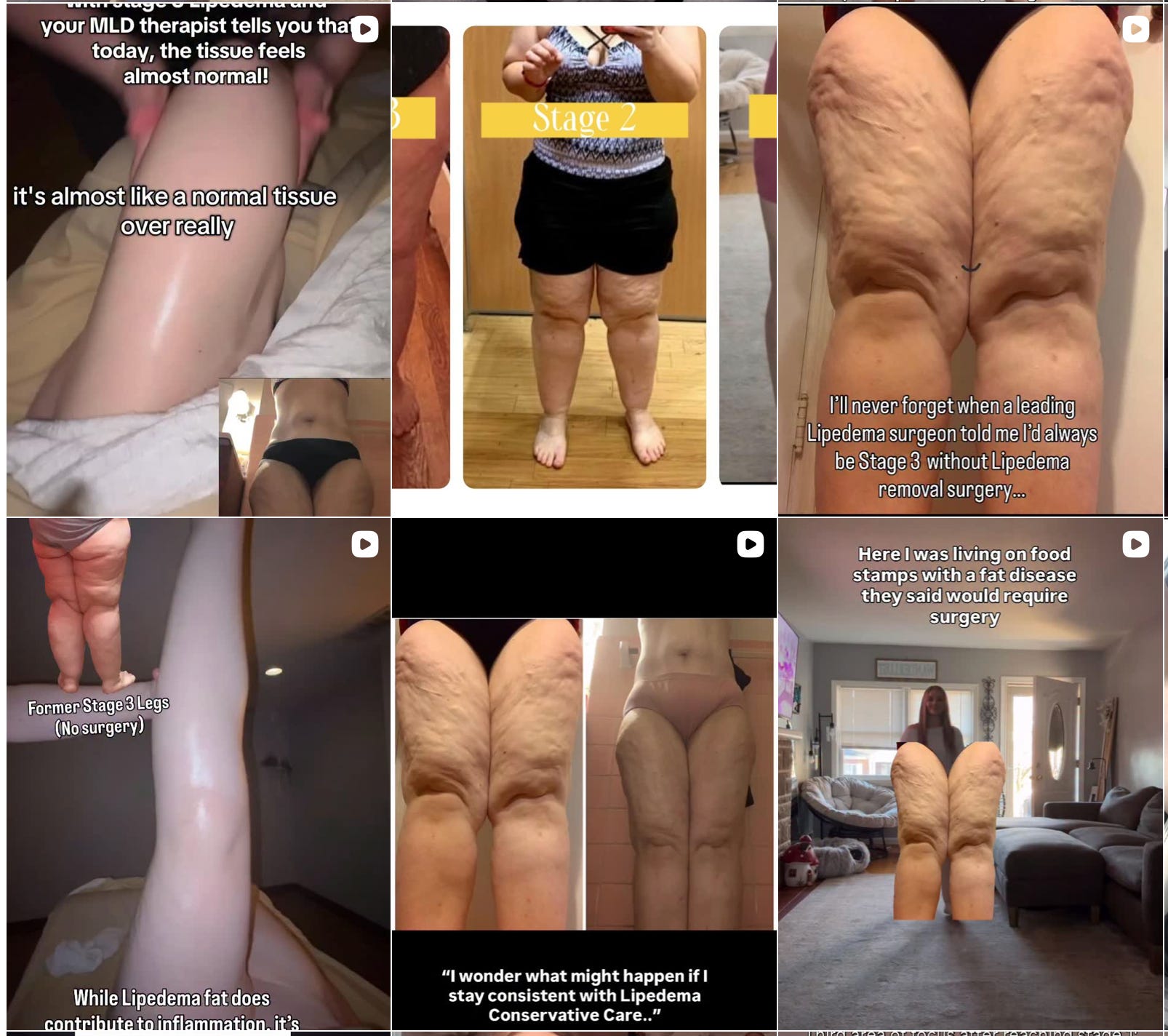
A critical shift occurred when she realized how quickly her legs could change. Fat tissue alone does not fluctuate within days. Fluid accumulation, lymphatic stagnation, and inflammatory processes do. This insight changed how she evaluated progress. Weight and size became secondary. Sensation, mobility, tissue responsiveness, and daily function became more meaningful markers.
Instead of forcing her body to comply, Sarah focused on creating conditions that allowed it to stabilize. Reducing inflammatory load. Supporting lymphatic flow. Prioritizing recovery. Regulating the nervous system. Setbacks were no longer interpreted as failure, but as feedback. Her body was no longer something to overcome, but something to understand.
Today, Sarah’s life is deliberately structured around sustainability. She is a mother first, raising two daughters who also have lipedema, and helping them understand conservative management without fear or shame. Her daily life centers on her children, her health, meaningful work, and protecting her energy. She is transparent about what she knows, what she is still learning, and what comes directly from lived experience.
Her approach to movement reflects this philosophy. Walking remains a core practice, not for calorie expenditure, but for circulation, lymphatic support, and nervous system regulation. Strength training is present, but adapted. Lower-impact exercises, controlled ranges of motion, and adequate recovery replace aggressive or punitive training. When flare-ups occur, she reduces intensity rather than pushing through them. Regulation takes priority over performance.

What distinguishes Sarah’s work is not only her understanding of lipedema, but her willingness to acknowledge the emotional labor involved in being visible. Supporting a large community of women with a chronic disease carries responsibility. She speaks openly about the need for boundaries, the importance of protecting her own health, and the reality that public presence does not eliminate private struggle.
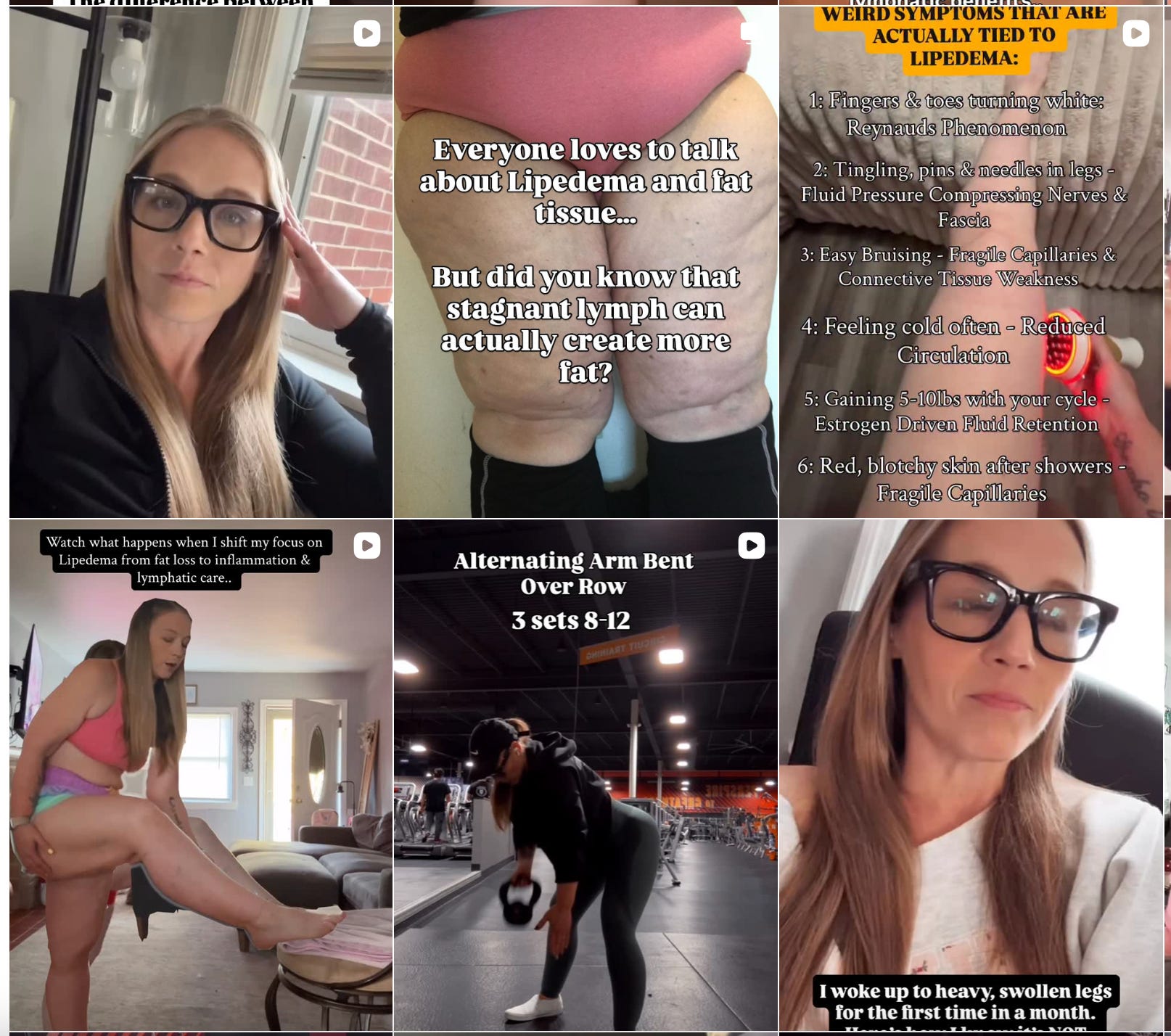
She often describes lipedema as her cross. Not as an identity, but as a condition she has accepted responsibility for managing. Over time, criticism lost its impact. Negative responses are understood as expressions of fear, pain, or misunderstanding, rather than truths she needs to absorb. Stability comes from clarity of purpose and trust in her own judgment.
Faith plays a foundational role in her life, not as a promise of resolution, but as a framework for patience and perseverance. It has shaped how she relates to uncertainty, setbacks, and her own body. This perspective also informs how she supports others, by allowing space for discouragement without insisting on urgency or false optimism.
Looking ahead, Sarah’s focus is not expansion for visibility’s sake, but accessibility and sustainability. Through her app and Blueprint, she aims to provide structured, adaptable guidance that women can return to over time. The emphasis is on education, context, and long-term support rather than rigid protocols or overwhelm.
At the core of her work is a clear intention. To help women feel less alone in their bodies and more capable of advocating for themselves.
For the woman reading this who feels swollen, exhausted, and convinced that meaningful change is no longer possible, Sarah’s message is direct. Your body is not broken. It is responding to cumulative physical and emotional load. That means it can also respond to new inputs, even if progress is slow. Healing is not about fixing who you are. It is about learning how to listen to your body and respond accordingly.
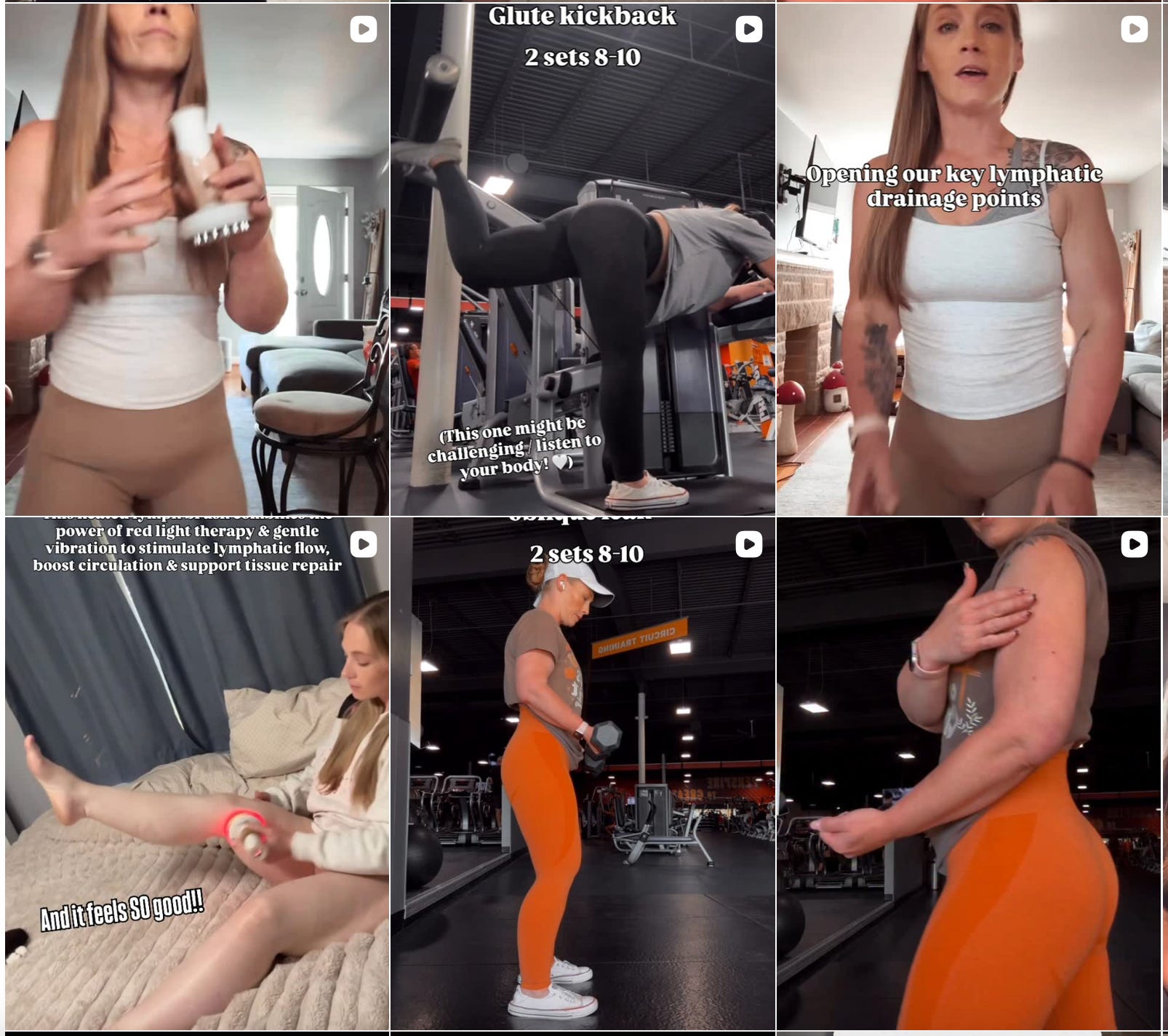
Fourteen years ago, I needed a voice like Sarah Whitlow’s, even though I did not yet know it. Today, tens of thousands of women recognize themselves in her work. That recognition, grounded in reality rather than performance, is what makes her presence matter.
Daily Practices, Triggers, and the Reality of Ongoing Management
A central part of Sarah’s message is that improved understanding does not eliminate the need for daily management. Lipedema does not disappear when insight increases. It requires ongoing attention within the constraints of real life.
Her routine is supportive rather than rigid. Walking remains the most consistent element, typically around thirty minutes three to four times per week. The purpose is circulation, lymphatic support, and nervous system regulation, not weight loss. On days when outdoor walking is not feasible, she uses tools such as a vibration plate or rebounder to stimulate lymph flow without adding stress.
Strength training has remained part of her life, but in a modified form. Lower-impact exercises, controlled movement, and sufficient rest are prioritized. Some days include incline walking combined with strength work. Other days involve the elliptical, stairs, or shorter sessions adjusted to how her body feels. The guiding principle is that movement should support physiological function, not provoke inflammation.
Equally important is what happens outside formal exercise. Nervous system regulation is a core component of her management strategy. Chronic stress has consistently worsened swelling, pain, sleep quality, and cognitive clarity. Practices such as breathwork, consistent sleep, firm boundaries around emotional labor, and intentional self-talk are non-negotiable. Faith and community provide additional grounding during periods of increased stress.
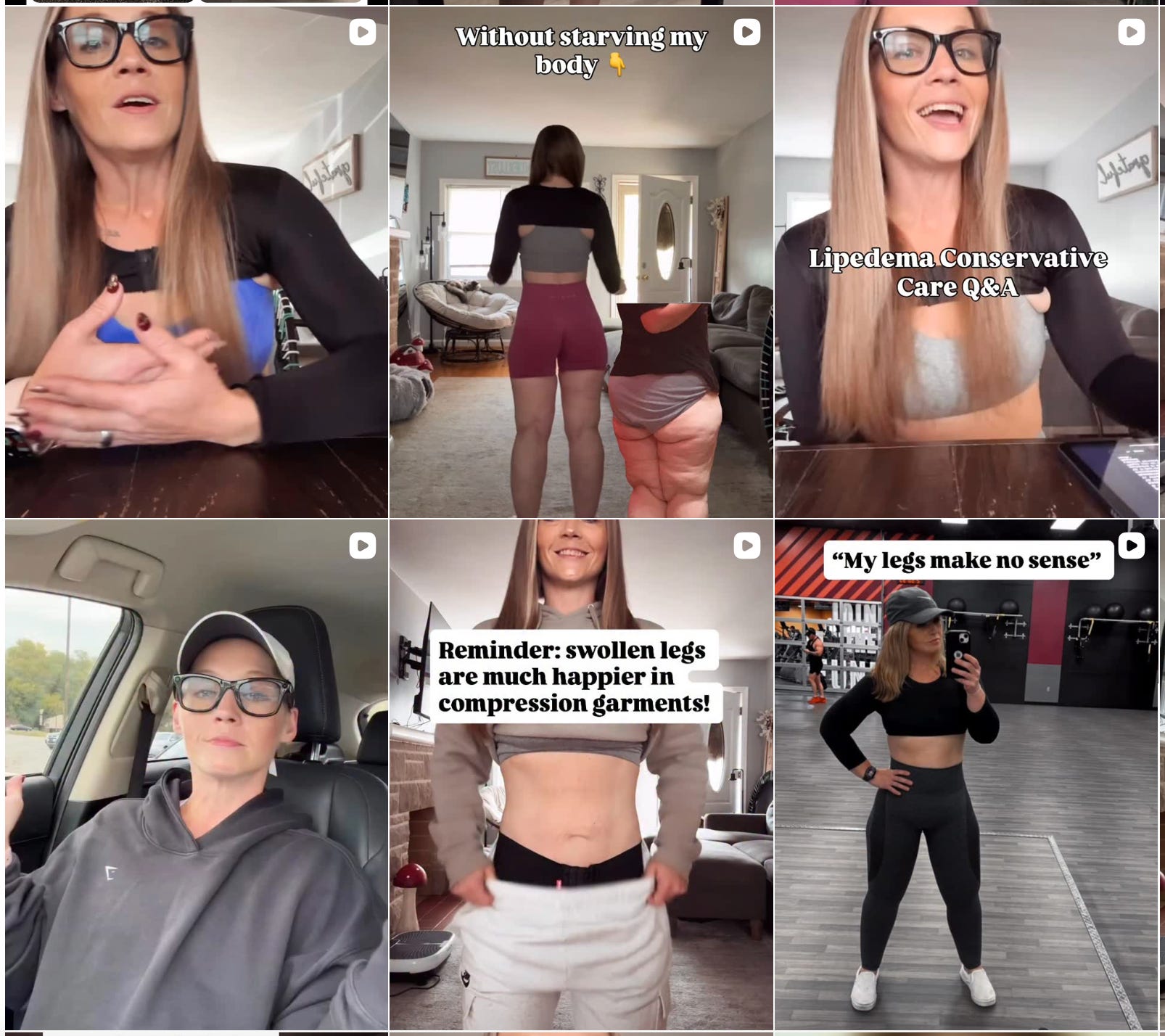
Manual lymphatic drainage is another regular practice. Performing self-MLD at home helps maintain tissue responsiveness and reduce pain, particularly during inflammatory periods. Hydration, recovery, and nutrition that account for inflammatory load are treated as foundations rather than temporary interventions.
Sarah has also learned to identify specific triggers that can overwhelm her system. These include prolonged emotional stress, heavy training blocks, excessive sun exposure, mold exposure, and cumulative environmental stressors. When these factors overlap, she notices clear signals such as increased heaviness, tissue tightness, swelling, disrupted sleep, and heightened reactivity.
Her response is deliberate. Intensity is reduced rather than increased. Walking and gentle movement take precedence. Nervous system regulation becomes central. Nutrition shifts toward calming inflammation rather than driving progress. This approach prevents short-term flare-ups from escalating into longer-term setbacks.
What her daily practices reflect is a shift from control to communication. Her body is no longer something to override. It is something to interpret and respond to. Progress is defined by resilience and the ability to return to balance after disruption, not by constant forward momentum.
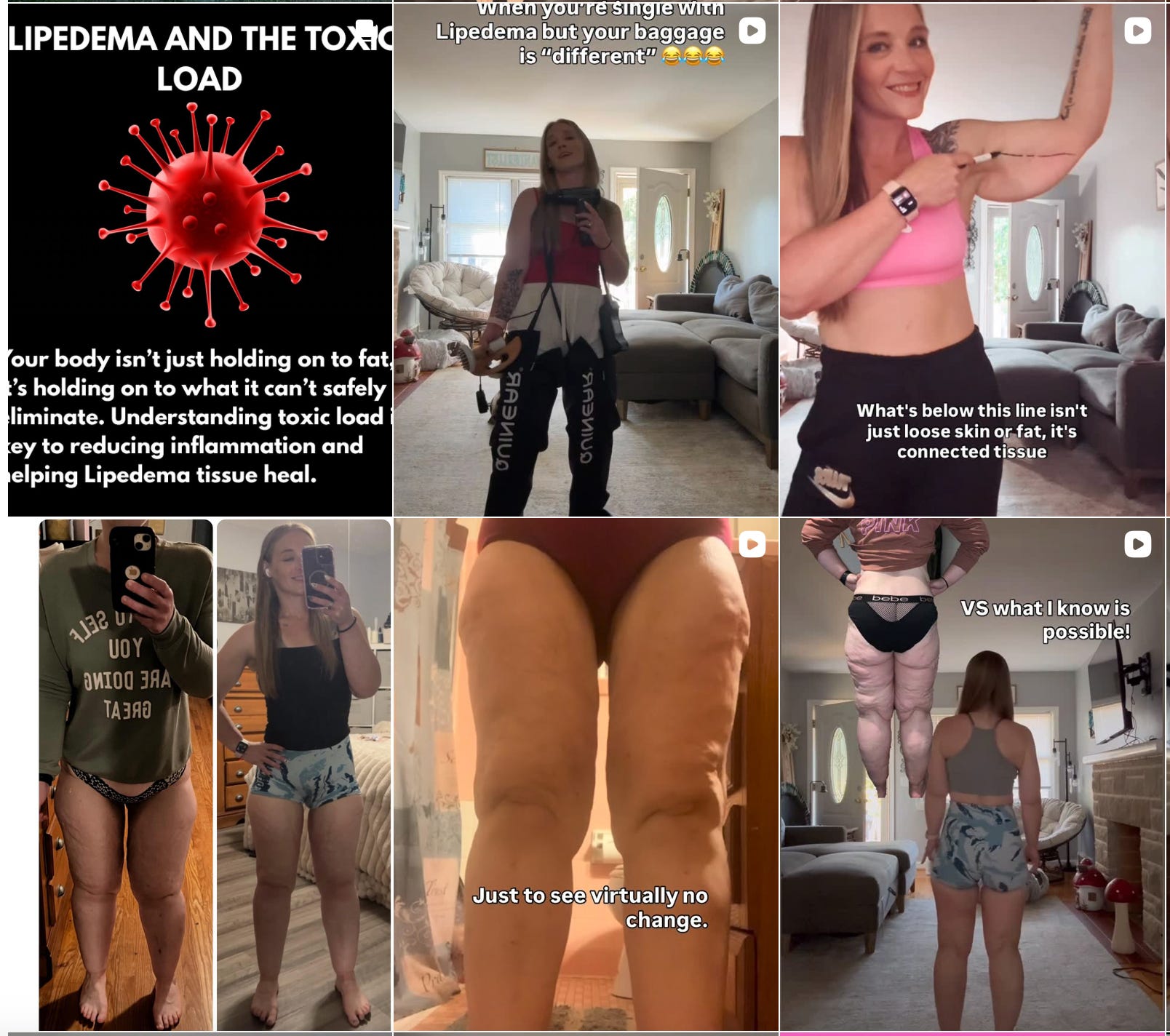
For many women with lipedema, this reframing is as impactful as any specific tool. Not because it simplifies the condition, but because it makes long-term management realistic and sustainable.