For many women living with lipedema, the journey toward understanding the condition begins with a moment of recognition. A story, a photograph, or a voice that suddenly makes the experience feel less lonely. For me, that moment came when I first heard about Lotte.
I received my own lipedema diagnosis in 2012 at a hospital in Norway. At that time, information about the condition was extremely limited. I searched for other women who had spoken about lipedema publicly, hoping to find a role model or simply someone who understood what this diagnosis meant. But for several years, I did not find anyone. From 2012 until around 2016, I did not know a single other woman who openly shared that she had lipedema.
Then Lotte appeared.

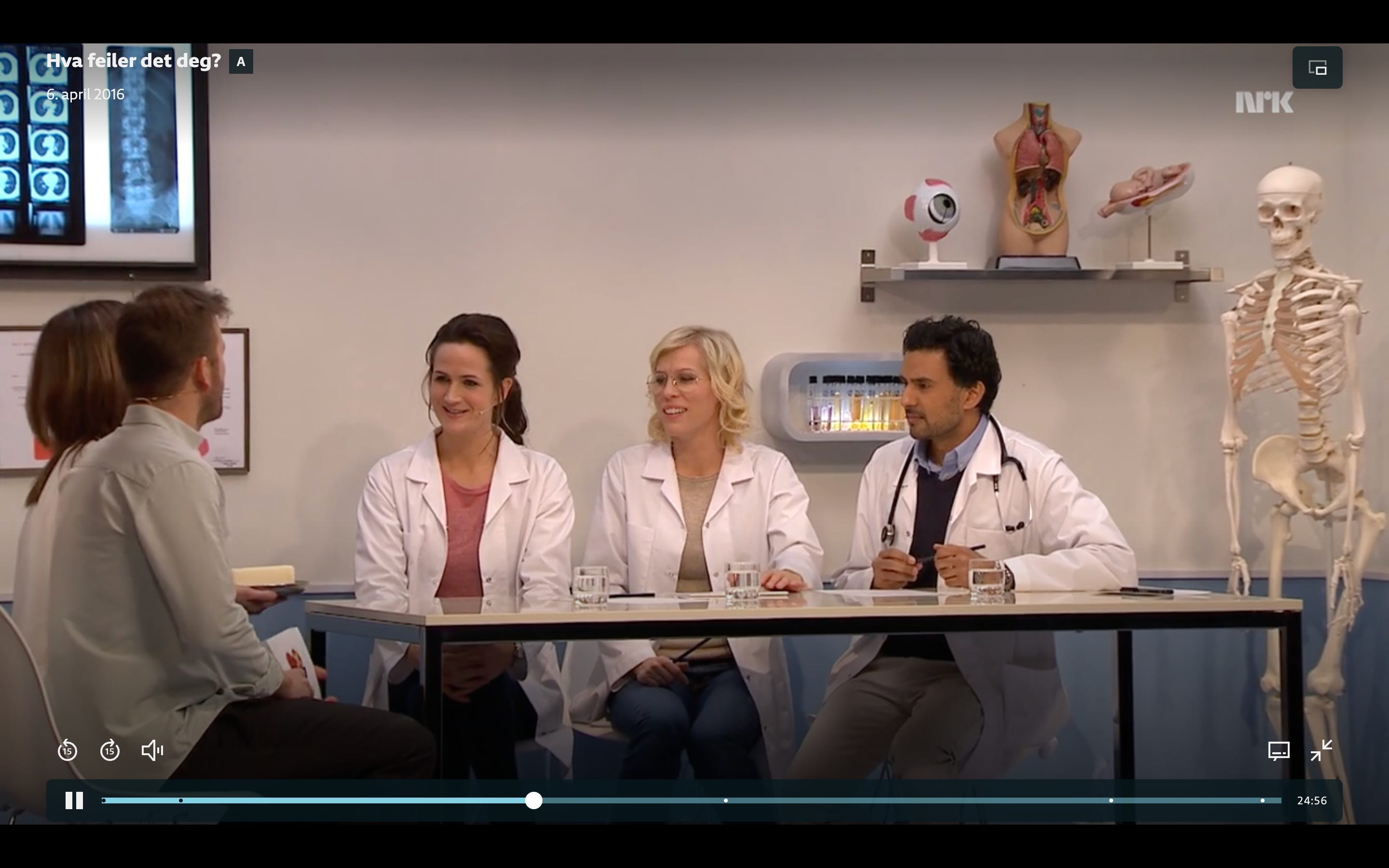
She participated in the Norwegian television program Hva feiler det deg? (“What’s Wrong With You?”), a popular medical quiz show broadcast on NRK1. The concept of the program was both educational and entertaining. Two teams competed to identify the correct diagnosis of real patients who appeared on the show. One team consisted of experienced doctors who relied entirely on their medical knowledge, while the other team represented “ordinary people” who were allowed to use Google and tablets to search for answers. The goal was to make medical knowledge accessible to the public while highlighting how complex many diagnoses can be.
When Lotte appeared on the program and shared her story, lipedema was presented to a national audience. For many viewers it was the first time they had ever heard the word. For me, it was the first time I saw another woman stand publicly with the diagnosis.
Years later, I unexpectedly saw Lotte’s name again in a Norwegian lipedema group on Facebook. That moment felt like closing a circle. The woman who had unknowingly been the first visible lipedema voice in my own journey was still there, still part of the community. Being able to share her story today with the global lipedema community feels deeply meaningful.
Stories like Lotte’s matter. They help other women realize that they are not alone.
Growing Up With a Body That Felt Different
Lotte describes lipedema as something that has shaped her life for decades. Today she says she lives well with the diagnosis, but that was not always the case.
During her teenage years she struggled deeply with body image. Her legs were larger than those of her friends, and she often felt different and out of place. The beauty ideals of the 1990s were dominated by extremely thin silhouettes, sometimes referred to as the “heroin chic” aesthetic. For a young woman with naturally pronounced curves and developing lipedema, those ideals could feel impossible to live up to.
Finding clothing was often frustrating. Boots would not fit over her calves, and pants rarely accommodated her proportions. In clothing stores she sometimes felt as though she did not belong there at all.
Hi there! If you enjoy the content on LipedemaScience, download the Substack app and become a member to access all the interesting articles about lipedema by CarinaW.
She remembers trying countless diets over the years, hoping weight loss would solve the problem. Like many women with lipedema, she discovered that traditional dieting did little to change the painful fat accumulation in her legs.
Looking back today, she feels that the situation has improved. Lipedema is far more widely recognized, and conversations about body diversity have expanded. Clothing options have also improved, with more stretch fabrics and designs that accommodate different body shapes.
Most importantly, the sense of shame that once surrounded the condition has begun to fade.


A Family Pattern
Lotte also sees lipedema within her own family. Several relatives show clear signs of the condition, although not all of them have sought a formal diagnosis.
Her own diagnostic journey began after a conversation with a cousin who is twelve years older than her. In 2013 the cousin suggested that Lotte consult a physiotherapist about her swollen and painful legs.
The physiotherapist had specialized training from Germany, where knowledge about lymphatic disorders and manual lymphatic drainage was more developed. After examining Lotte’s legs, she suspected lipedema and recommended further evaluation.
Lotte was referred to Aker Hospital in Oslo, where she met a vascular surgeon. The consultation, however, was deeply disappointing. Although the doctor confirmed that she did not have lymphedema and instead likely had lipedema, he told her that nothing could be done. Compression garments were dismissed as unnecessary, and surgery was described as pointless.
Lotte left the appointment in tears.
Fortunately, her physiotherapist became an important source of support. Through manual lymphatic drainage treatments Lotte experienced clear symptom relief. The therapist also recommended that she apply for a pneumatic compression device to use at home. The application was approved, and Lotte began using both compression garments and the pulsator regularly.
This support became the beginning of a new chapter.
Bringing Lipedema to Norwegian Television
Around this time Lotte became involved with the Norwegian Lymphedema Association. Within the organization she joined a small group advocating for greater recognition of lipedema. The group felt that lipedema patients were underrepresented and that the organization should represent both conditions equally.
Eventually the association changed its name to the Norwegian Lymphedema and Lipedema Association.
In the autumn of 2015 NRK contacted various organizations searching for participants for the medical quiz show Hva feiler det deg?. When Lotte heard about the opportunity, she immediately volunteered.
Her motivation was simple. She wanted people to learn about lipedema.
Although she felt nervous before filming, she also felt strongly that the moment was important. Lipedema had sometimes been mockingly referred to with the Norwegian expression “LRS – låra rett i skoa,” roughly meaning that the thighs appear to run straight into the shoes. Lotte wanted to replace jokes and misunderstanding with knowledge.
The television team approached the topic seriously. Interestingly, the journalist who worked with Lotte had never heard of lipedema before, but after listening to Lotte’s explanation she suspected that a close friend of hers might have the condition.
When the episode aired, the response was overwhelming.
Women from across Norway – and even Sweden – began contacting Lotte. Many had recognized their own symptoms for the first time. They asked where they should start the diagnostic process and which doctors they should contact.
NRK itself reportedly received a large number of inquiries after the broadcast, and Lotte later heard that the episode became the most viewed one in the series.
Even years later, women still reach out to her after seeing the program in reruns.
Not all reactions were positive. At one point a journalist contacted a doctor at Aker Hospital for comment about lipedema after the episode aired. According to the journalist, the doctor expressed irritation that the program had been broadcast because it had led to too many inquiries from “overweight women wanting a diagnosis.” The remark was deeply hurtful to hear.
But many other doctors have been far more supportive.
Life as a Nurse and Informal Lipedema Advocate
Today Lotte works as a nurse at a local hospital in Norway. Over the years she has occasionally been asked by colleagues to speak with women who might have lipedema.
When she does, she makes it clear that she speaks as a person with lived experience rather than in her professional role as a nurse. She shares what has helped her personally, including compression therapy and physical activity.
For Lotte, appearing on national television also carried a personal meaning. It felt like a quiet response to the many people throughout her life who had told her simply to lose weight, exercise more, or eat differently.
Not a member yet?
Discover what LipedemaScience is all about by downloading the Substack app and subscribing.
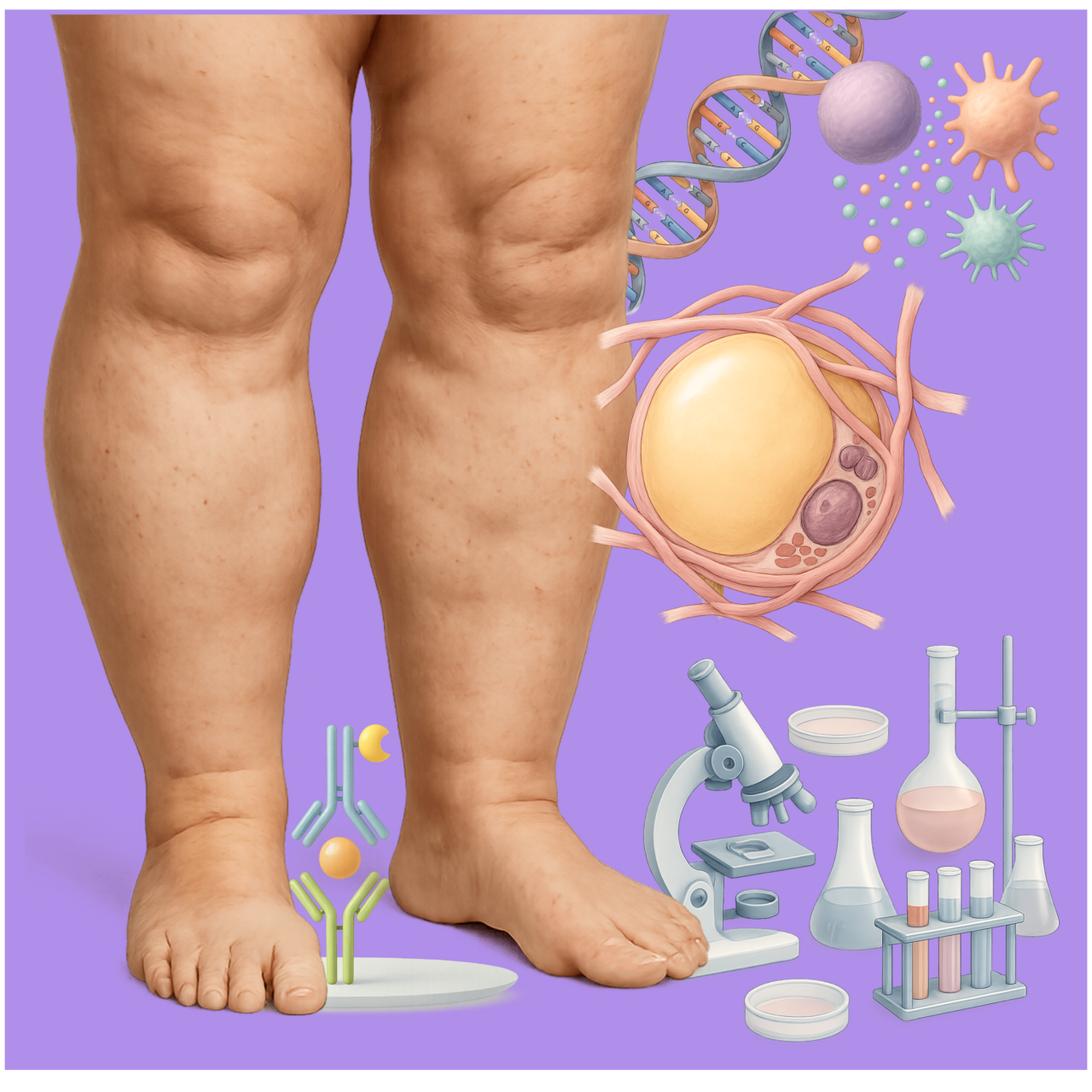
She remembers comments from teachers and healthcare workers who had misunderstood her condition. One midwife, during her third pregnancy, expressed shock at how large Lotte’s calves had become. At the time neither of them knew about lipedema, but the words remained painful.
Despite these challenges, Lotte completed three pregnancies and gave birth to three healthy children.
Surgery and Physical Relief
In the autumn of 2016 Lotte chose to undergo lipedema surgery on her calves. At the time only a few surgeons in Norway performed the procedure. She traveled to Bergen to be treated by Dr. Emmes.
The operation was performed under local anesthesia. According to the surgeon, the adipose tissue in her legs was extremely fibrotic and unusually hard, making the procedure physically demanding. He reportedly told her that it was one of the most difficult cases he had ever treated.
The surgery significantly reduced both the size of her calves and the pain she experienced. Although some tissue has slowly returned over the years, the difference remains dramatic. For the first time she could wear boots and other footwear that previously had been impossible.
For Lotte, however, the goal was never aesthetic perfection. What mattered was functionality.
Her legs allow her to do what she loves most.
The Healing Power of Nature
Lotte spends much of her free time outdoors. Hiking through forests and mountains has become her most important form of therapy.
Walking on uneven terrain with a backpack keeps her body strong and helps stimulate the natural venous and lymphatic pump in her legs. The more she moves, the better her symptoms tend to be.
She describes the wilderness as a place that accepts her exactly as she is.
A Life-Changing Accident
In 2019 Lotte’s life took an unexpected and dramatic turn during a camping trip. An accident involving burning alcohol fuel caused an explosion, and Lotte caught fire.
She was transported by air ambulance and spent four weeks at Rikshospitalet in Oslo receiving treatment for severe burns. During her hospital stay she met plastic surgeons who were familiar with lipedema, which gave her a sense of reassurance.
At one point doctors considered performing a skin graft, but one surgeon warned that the procedure might fail because of lipedema-related tissue changes. Unfortunately, the graft did not take, and the damaged tissue had to be surgically removed instead.
The recovery period was long and emotionally challenging. After the accident Lotte struggled with anxiety, depression, and post-traumatic stress disorder. For some time she feared fire, heat, and even the outdoor activities she had once loved.
Through therapy and support she gradually rebuilt her confidence. Today she works 80 percent and continues to use coping strategies learned through psychological treatment.
Living With Lipedema Through Life’s Hormonal Changes
Now entering perimenopause, Lotte is once again reflecting on how hormonal transitions affect lipedema. Puberty, pregnancy, and menopause represent major biological shifts for women, and many patients notice changes in symptoms during these phases.
She is particularly curious about the role of hormone therapy and whether it could worsen or potentially help lipedema symptoms. Like many women in the community, she is actively searching for reliable scientific information.
Lotte has also become more attentive to diet. She prefers home-cooked meals but acknowledges that busy schedules sometimes lead to convenience foods. She has noticed that sugar and alcohol tend to increase pain in her legs the following day.
Compression therapy remains part of her toolkit, although she does not use it daily. She still relies on her pneumatic compression device regularly.
Looking Back and Looking Forward
Today Lotte sees a completely different landscape around lipedema than the one that existed when she first began searching for answers.
Social media is filled with women of all ages sharing their stories. Research is expanding. Awareness among healthcare professionals is slowly improving.
She believes that she helped open a door at a time when almost no one was speaking publicly about the condition.
For those of us who received our diagnoses more than a decade ago, the progress is remarkable.
When I think back to 2012, when I stood alone with a diagnosis I barely understood, the difference is astonishing. Today there are thousands of voices, growing scientific literature, and a global community exchanging knowledge and support.
Sometimes it can feel as though progress is slow. But seen through a longer lens, the transformation is extraordinary.
If the journey from 2016 to 2026 has brought this much change, it is exciting to imagine what the world of lipedema research and treatment might look like in 2036.
And stories like Lotte’s are part of the reason that future is becoming possible.