

When Stine from Norway was growing up, she was the one who always had something going on. She loved a busy social life, picked up extra shifts in service jobs, and worked in childcare, school, hotels, and retail. She showed up for people. She liked being around others. She felt most like herself when life was full.
At the same time, her body carried something else: heavy legs, lactic acid that hit too fast, years of migraines… and a deep, quiet feeling that she never measured up physically, no matter how hard she tried. For a long time, she thought it was her fault.
Today, she knows it wasn’t..
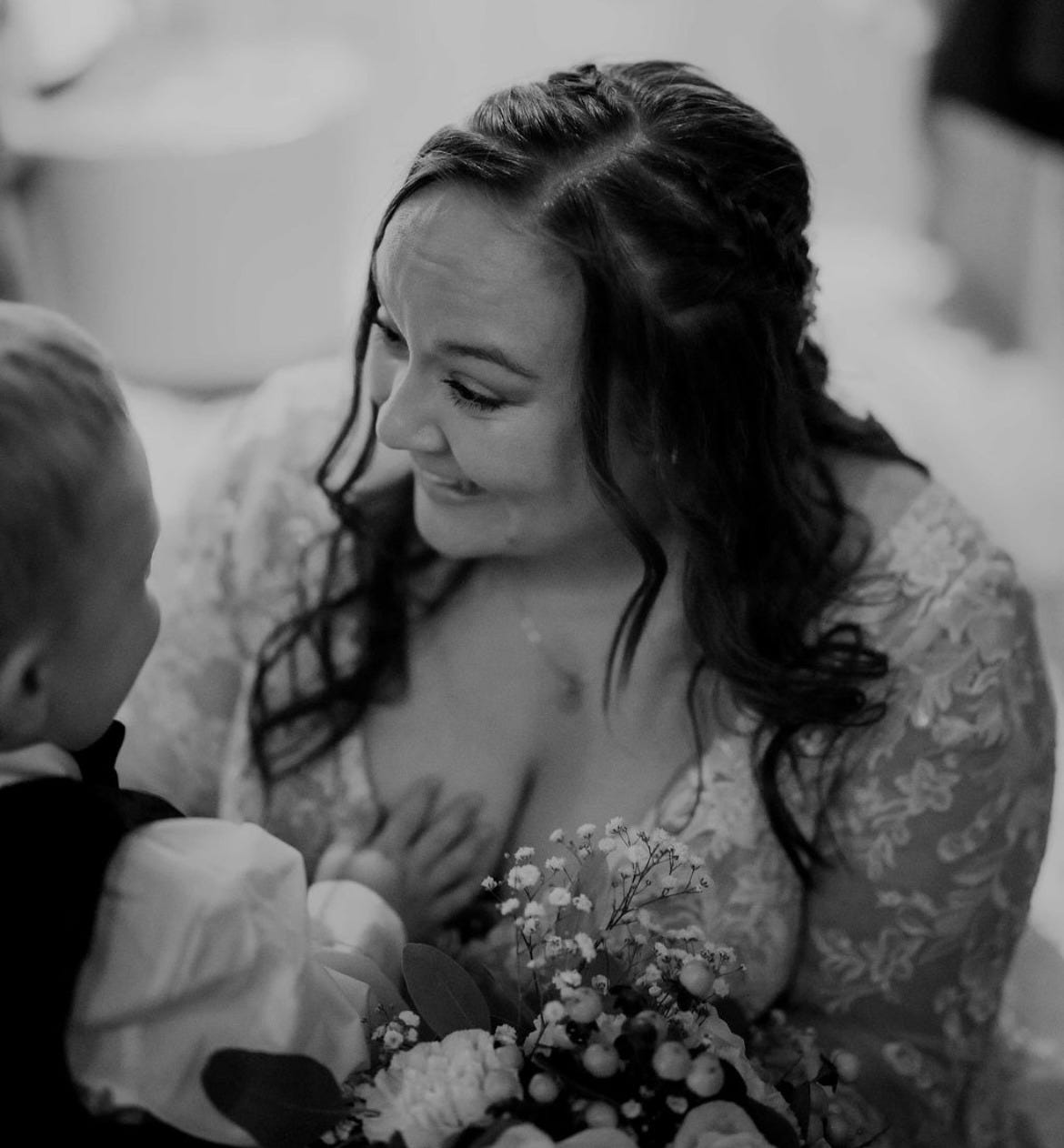
“I thought I was lazy, weak and that everyone else just tried harder”
Looking back, Stine associates her teenage years with PE classes and school ski days more than anything else. And not in a good way.
Her legs were heavier than everyone else’s. The burn came faster. She was always behind. She watched classmates glide ahead on skis or do run after run on the slopes — while she fought through it, legs burning, feeling like lead.
Want to support CarinaW and help grow this unique space where lipedema research and personal stories meet? Join the community.
Back then, there was no diagnosis. No explanation. Just thoughts like:
“I’m not trying hard enough.”
“I’m lazy.”
“I’m not strong enough.”
Now she says, quietly, that she wishes she could have given 16-year-old Stine different words: that she was already enough, and that her body was dealing with an illness — not a lack of willpower.
A loaded word: “overweight” and years of shame
Like many people with lipedema, weight became its own emotional burden.
Stine avoided conversations about bodies and weight. If the topic came up, she’d often laugh it off or change the subject. Even the word “overweight” could trigger a knot in her stomach — even if it had nothing to do with her, like an overweight suitcase at the airport or a word in a book.
She heard the usual advice, over and over:
Eat less…
Work out more…
Try this diet..
This “miracle cure” works for everyone…
When she did what others did, her body didn’t respond the same way. What she got instead was more shame and more self-blame.
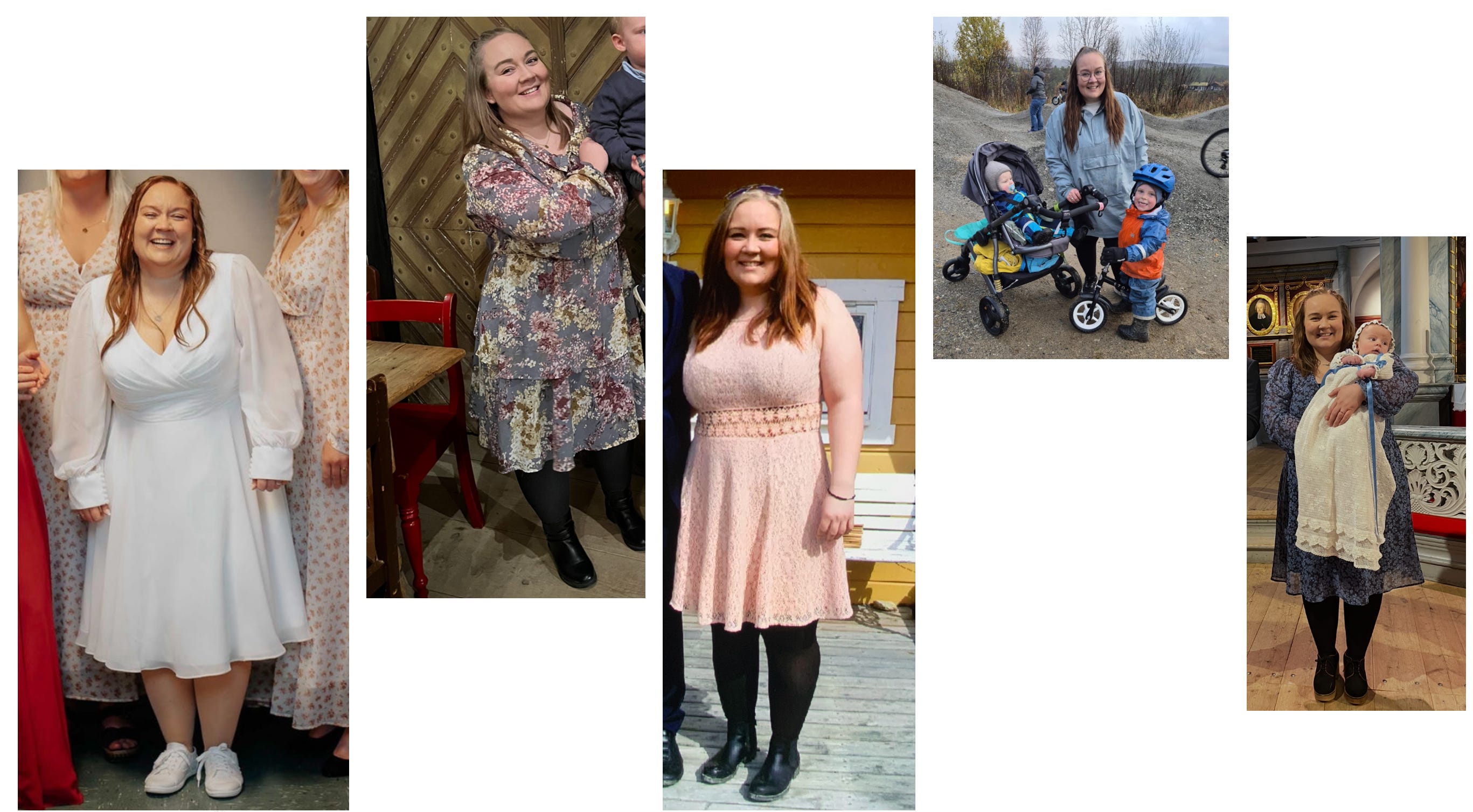
The moment with the endocrinologist: “This is not your fault”
The turning point came after her first pregnancy, when her midwife referred her to endocrinologist dr. Bård Kulseng at St. Olavs Hospital in Norway due to a high BMI.
Stine postponed the appointment more than once. She expected another round of what she’d heard so many times before: eat less, move more. But that’s not what happened.
Dr. Kulseng welcomed her with calm and warmth. They talked first — before he even assessed her body. Then he asked: “Have you heard of lipedema?”
Stine said she had a friend with it, but she didn’t know much. He looked at her — properly, not just at her body — and said it seemed like she might have it too. Then came the questions:
Do you bruise easily?
Does touch feel painful in certain areas?
Have you struggled with weight for a long time?
She answered yes to all of it.. Then he said something she had needed for years:
“Now it’s important that you listen to me.
I understand you’ve carried this for a long time..
thinking it’s your fault, that you didn’t work hard enough.
But it isn’t. This is a disease, a condition you did nothing to cause.
And you don’t need to carry the blame.”
Stine broke down. She describes it as being seen straight through — in the best possible way. For the first time, someone said what her body had been trying to tell her for years: there was an explanation, and it wasn’t “you did this to yourself.”
Before we go further, I want to give you a short introduction to what comes next in this article. Since LipedemaScience has readers from more than 44 countries, I want to add some Norway specific context first. Stine lives in Norway, which is also my home country. Norway is a long country, and access to lipedema care has historically depended on where you live. I come from Oslo in the south east, and when I first tried to get lipedema reduction surgery covered through public health care in 2016, there was only one public surgeon offering it and he only accepted patients from Northern Norway. If you lived in the south east, you were simply not eligible.
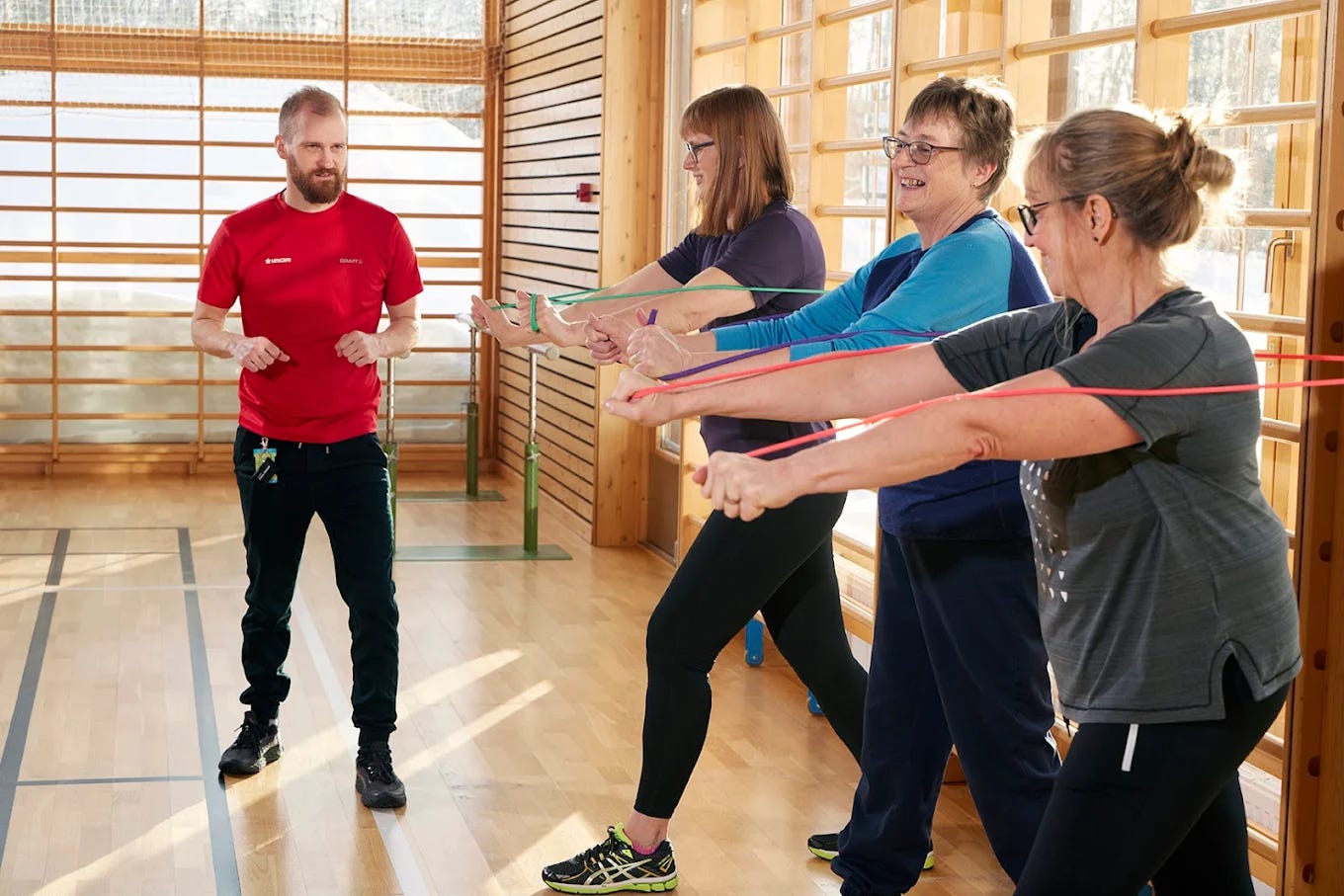
Unicare Røros is something different. It is not a surgery clinic, but a specialized lipedema rehabilitation program run in collaboration with Unicare Coperio in Trondheim. It is a group based day rehabilitation program for people whose lipedema causes pain, limitations, or reduced quality of life. The program runs for five weeks, with two in person days per week, followed by digital group follow up. Each participant is assigned a primary contact, and the rehab includes education, tailored physical activity, conversations, peer support, and building a realistic plan forward.
What makes it stand out is the interdisciplinary team. Patients meet a medical specialist, physiotherapist, psychologist, nurse, occupational therapist, clinical nutritionist, and a coordinator. The focus is practical and long term: better understanding of your condition, improved function, better mental health, higher quality of life, and a clearer path ahead.

Before Unicare Røros: “I thought I was one of the lucky ones”
After the diagnosis, Stine spent a long time believing she wasn’t very affected. If someone asked, her standard response was: “I have lipedema, but I’m lucky — it’s mostly just what you can see.” She thought lipedema was mainly about shape and appearance.
But daily life was still hard:
Migraines limiting both work and social life
Days when basic household tasks felt impossible
Sick days and periods of sick leave
A strong desire to work full time — with a body that wouldn’t allow it
A constant feeling of not being “good enough” because she couldn’t do what she thought she “should”
She didn’t connect much of this to lipedema. That came later when the pieces finally started to fit.
Why she applied for Unicare Røros
Stine wanted more than a label. She needed:
real knowledge about lipedema — medically and practically
tools for everyday life, movement, and food
support to understand her own body
community with others who genuinely got it
She applied to the rehabilitation program at Unicare Røros. Not because pain had suddenly escalated dramatically — but because she felt stuck. She knew she had lipedema, but not how to live with it.
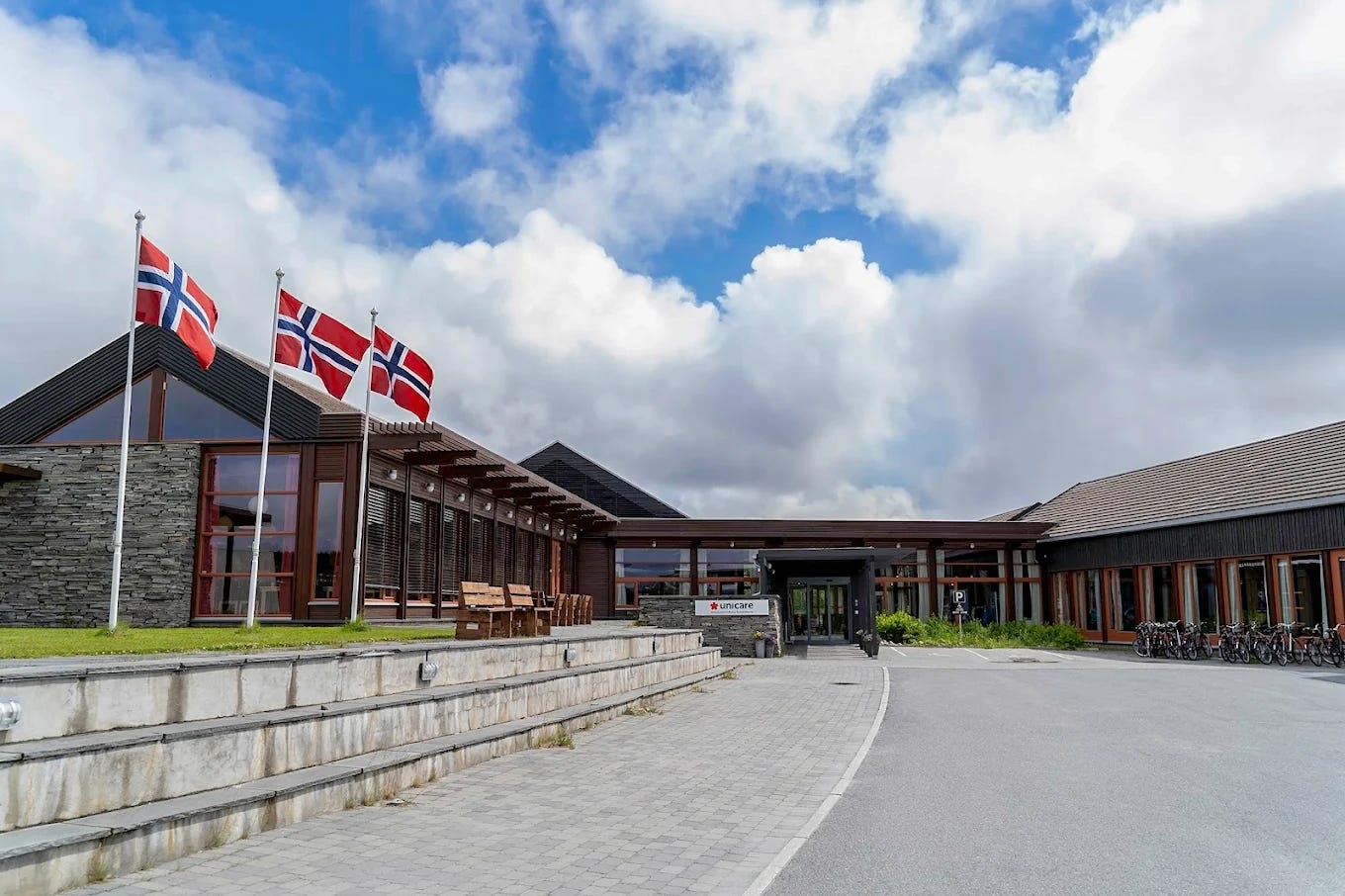
The first day: “Finally, people who just understand”
Before she walked through the doors at Unicare, she was nervous.
Would she fit in?
Would she feel “too mild” or “too much”?
Would she have to explain herself again?
It loosened up fast. Already during the first coffee break.
People talked. Laughed. Cried. Women of different ages shared stories that were painfully similar, even with completely different lives behind them.
Things that others might brush off. A day when you manage to vacuum and make dinner were understood as real wins. And a day when your body is empty wasn’t met with judgment, but recognition.
Stine says she found a community she didn’t even realize she’d been searching for.
The “slalom moment”: a quiet but powerful turning point
One of her strongest moments didn’t happen in a lecture. It happened in a break. Someone asked: “How was it for you to do slalom skiing as a teenager?”
Everyone around the table answered the same: terrible. They talked about:
pain just from wearing ski boots
lactic acid starting before they even got down the hill
watching others do run after run while they were done after one
That was when Stine truly understood: so much of what she’d spent years feeling ashamed of.. what she believed was about effort, character, and discipline also had a physical explanation.
It wasn’t laziness.
It was disease.
I can relate deeply to her story.
I have shared my own slalom experience in this article here:

Professional support and being treated like a whole person
Unicare became more than she expected. She describes:
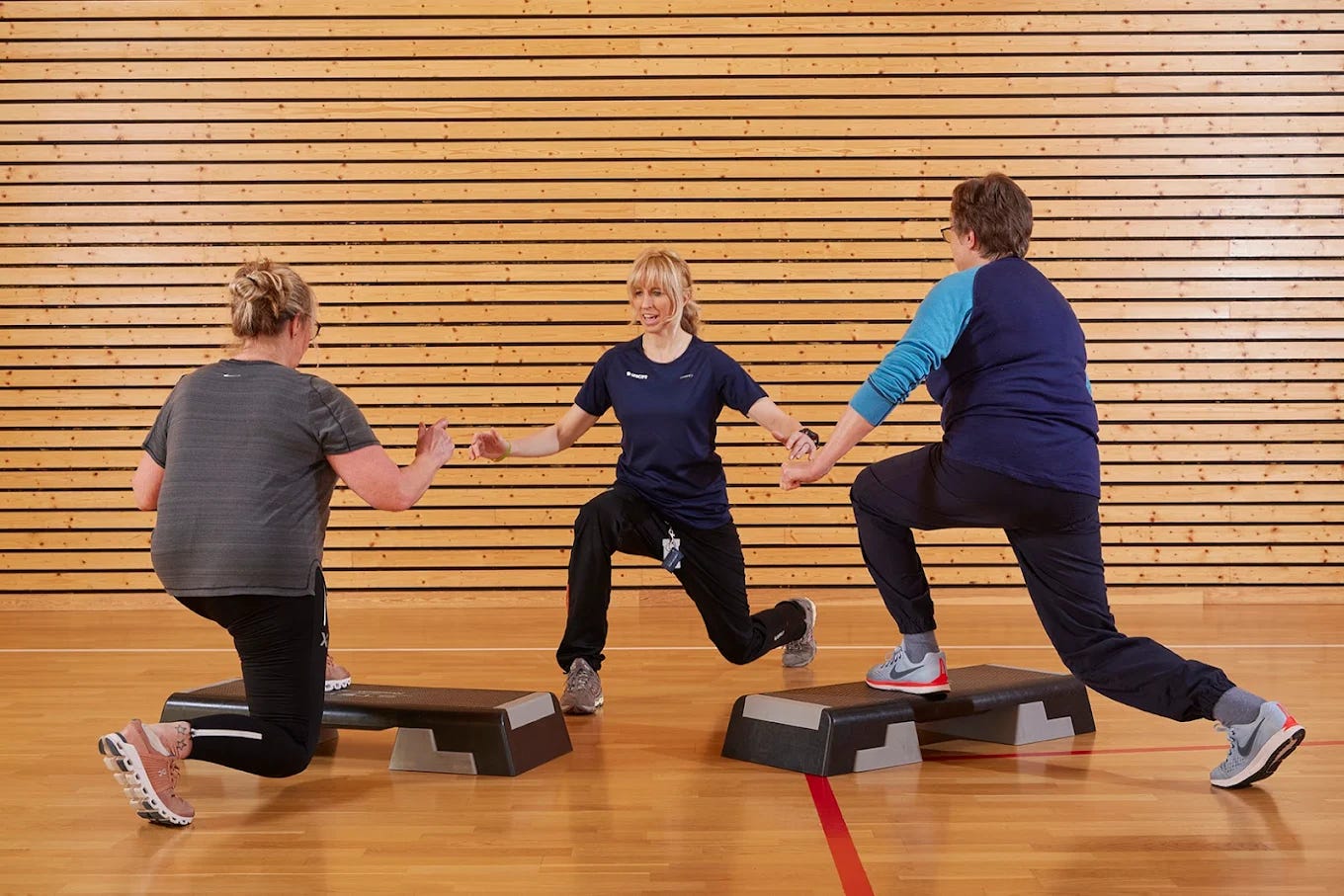
teaching about lipedema, pain, lymph, activity, and self-management
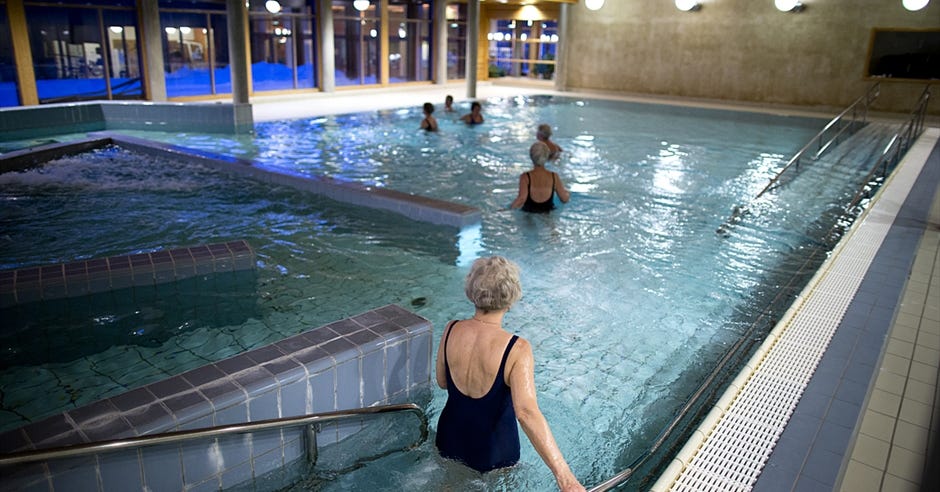
movement based on play and joy — in water, gym hall, and training rooms
group conversations where both vulnerability and humor were allowed
medical check-ups and individual guidance
time with professionals who were genuinely curious about her life and her body
She came away feeling seen as a person.. not reduced to a diagnosis.
A new way of seeing her own body
What Stine took home most of all was a new foundation:
There is nothing “wrong” with her as a person.
Lipedema is not a personal failure.
She is far from alone.
For the first time, the diagnosis didn’t feel only heavy. It also felt like something that finally made sense. Thoughts and experiences she assumed were “abnormal” turned out to be deeply recognizable among others living with lipedema.
She describes it as moving from “the one who fails” to being part of a group that understands.
New habits: balance, compression, and counting small wins
Life after Røros isn’t perfect. But it’s different. Stine is actively working with:
Energy balance
She’s learning to distribute her energy better — setting boundaries in some areas and gently pushing herself in others. Bad days are allowed to be bad days, without the same harsh self-judgment.Compression and lymph support
She uses compression leggings that work for her, and she finally found a bolero that helps her arms. The pneumatic pump at home — which she avoided because it made the illness feel “real” — has become a form of forced rest: a series on TV, feet up, and pressure that calms her system.Training that builds confidence — not defeat
She has let go of the goal of running intervals “like everyone else,” and found strength training that gives her progress and pride. The point isn’t to fit a norm. It’s to find what actually works for her body.Counting what she did do
When “I got nothing done” hits, she makes lists — of everything, big and small. For her, it helps to see that the day wasn’t empty, even when it felt like it was.
Not hiding anymore: Stine after Unicare
Right now, Stine says she’s living in a kind of “lipedema bubble.” Not forever, but for now, she’s allowing herself time to process what she’s learned and figure out what her life with this diagnosis will look like.
The biggest difference? She doesn’t hide anymore.
She says it directly:
“I have lipedema. It’s part of me.
I can’t spend the rest of my life being ashamed of a diagnosis I never asked for.
I’m going to live my life — lipedema can just come along for the ride.”
She has shared her story in VG, one of Norway’s largest newspapers. She’s also moved from an anonymous Instagram account to posting openly with her name and story. It still feels vulnerable.. her pulse still rises when she hits “publish”, but it matters. For her, and for everyone quietly Googling in the dark.

Why Unicare Røros matters
Stine is clear about what programs like Unicare Røros provide:
Women are taken seriously — practically, medically, and emotionally.
Support is individualized, not “one-size-fits-all.”
Community lasts beyond the program — people keep supporting each other afterwards.
For her, that community became a support system: people you can message on a “normal” bad day and be understood immediately — without starting from scratch.
To healthcare and decision-makers: “We need to be seen — earlier”
Stine’s message is straightforward:
GPs need to recognize lipedema — especially in early stages.
Women can’t keep being bounced around the system with “eat less, exercise more” as the only answer.
Rehabilitation programs like Unicare Røros should be strengthened and made available in more regions.
Compression, pneumatic pumps, treatment, and — for many — surgery should be accessible based on medical need, not personal finances.
She puts it simply: “We deserve to be taken seriously.”
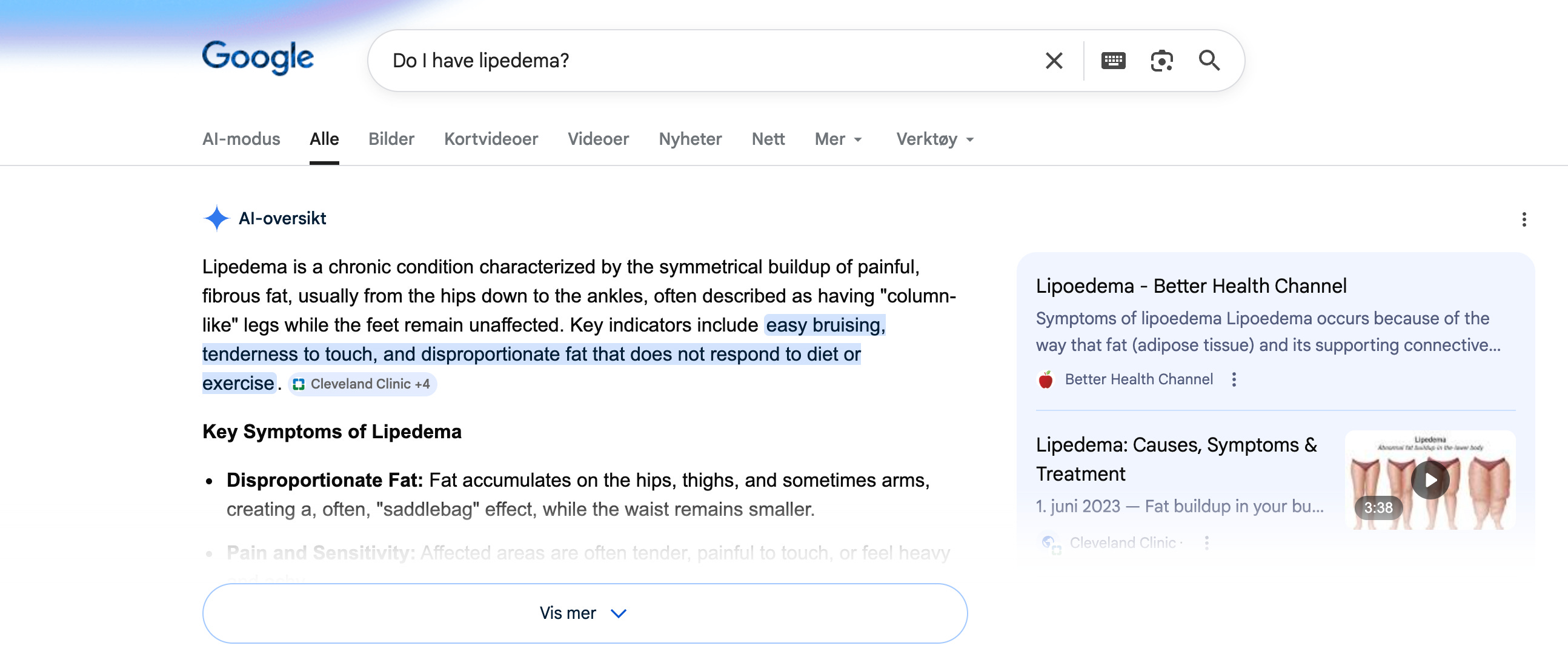
To the woman at home right now, Googling symptoms
If you’re reading this and you recognize yourself:
You feel something is off in your body.
You Google lipedema and get scared by the images.
You wonder if you’re “sick enough” to deserve help.
You feel both fear and relief — because maybe there’s finally an explanation.
This is what Stine wants you to know:
You are not alone, even if it feels like it.
Lipedema looks different on everyone — you don’t have to “look like Google” for it to be real.
Knowledge can support you, not overwhelm you — take it in at your pace.
Community exists — locally, in patient organizations, and online. You can start anonymously if that feels safer.
It’s okay to ask for help. It’s okay to demand help. You don’t have to do this alone.
And finally: if you feel like you have no one to talk to — Stine’s mindset is: you can talk to me. I’m here.
Three things we can learn from Stine’s experience
Shame grows in silence — community breaks it
Stine spent years believing she was “too heavy,” “too tired,” and “not disciplined enough.” Hearing other women describe the exact same PE and ski-day experiences made one thing clear: it wasn’t personality. It was lipedema.Early knowledge could have saved years of self-blame
If someone had recognized and named lipedema when she was a teenager, it could have prevented years of shame, health anxiety, and constant self-criticism. Her story shows why training healthcare professionals to spot lipedema early matters — especially for girls who are simply seen as “bad at PE.”Rehab is not just exercises — it can be a way back to life
Unicare Røros wasn’t only about training plans and information. It was about language, structure, tools, and a new relationship with her body. Small changes — realistic goals, better rest, and counting small wins — gave Stine more room to be herself, not just “a diagnosis.”
Want to read more stories like this about lipedema from women all around the world? Subscribe to LipedemaScience now. You can also download the Substack app and listen to every article as a podcast.
Questions:
Lipedema care looks very different depending on where you live. Let’s get to know each other better, support one another, and learn from our different journeys.
I would love to hear from you.
Which country do you live in?
What kind of lipedema care is available there?
What you have in Norway sounds absolutely amazing. I’m in Australia. There are very few who recognize it here. Everything I have learned is from my own reading and experimenting on myself to figure out what works. Having real care, support and guidance sounds utterly wonderful 🥹🫶🏼👏🏼
I can’t leave a comment on your latest post so I’ll leave it here- Through every hormonal season, you mention in that Substack that the biomarker explaining why some girls get Lipodema and other do not, is still to be discovered. I encourage you to look at the work of Dr Tara Karnezis and her husband Associate Prof Ramin Shayan out of Australia and the discoveries they have made with regards to discovery of a potential biomarker.