

Mindfulness, for me, is not a vague wellness concept. It is a practice of staying fully present with what is happening, as it is happening, without automatically judging it or trying to force it to change. It has roots in Buddhist traditions, but it is widely used in secular settings today because it can reduce stress load and improve psychological flexibility. In a body that is already under pressure from travel stress, sleep debt, and intense hormonal manipulation, that kind of moment to moment regulation matters.
From a physiology perspective, this matters because stress is not just a feeling. It is a biological state. When the nervous system stays in high alert, the HPA axis is more likely to remain activated, and cortisol patterns can shift. Over time, that can influence sleep quality, appetite signals, glucose regulation, pain perception, and inflammatory signaling. Lipedema is not caused by stress, and we do not have evidence that mindfulness treats lipedema tissue directly. But many people with lipedema live with a combination of chronic pain, swelling sensations, body vigilance, and repeated experiences of dismissal. That constellation can keep the system activated. Mindfulness can be useful because it changes the relationship to symptoms. Not by denying them, but by reducing the secondary layer of threat, catastrophizing, and tension that often amplifies pain and drives stress eating.
This is also where mindfulness overlaps with food. There is fairly consistent evidence in research that mindfulness based interventions can reduce stress related and emotional eating, improve eating awareness, and support self regulation. That does not mean weight loss is guaranteed, and it does not mean the same mechanisms apply perfectly to lipedema. But it does support something that feels very relevant in real life. When hormones are shifting and travel is chaotic, the risk is not only what you eat, but how you eat and why. Mindful eating helps you notice the early signals of hunger, fullness, and stress activation, so food becomes nourishment rather than a nervous system coping tool.
In practical terms, I think of mindfulness as a way to protect recovery. If the body is exhausted, forcing productivity usually backfires. Mindfulness gives me permission to rest without turning rest into guilt. It helps me scan for what my body actually needs, hydration, protein, a slow meal, daylight, a short walk, compression, or simply lying down. That is not passive. It is an active choice to move the system toward parasympathetic dominance, which supports digestion, sleep, and the kind of tissue repair that has to happen when the body is under strain.
Movement fits into the same logic. I am not talking about punishing exercise. I mean gentle, consistent activity that supports circulation and reduces the pain inactivity loop many lipedema patients describe. Walking, water based movement, and soft strength work can improve mobility and mood, and in some studies of lipedema, physical activity patterns are strongly linked to mental health and pain experience. Compression can also improve comfort during movement for some people, although the response is individual and should be adapted with clinical guidance when needed.
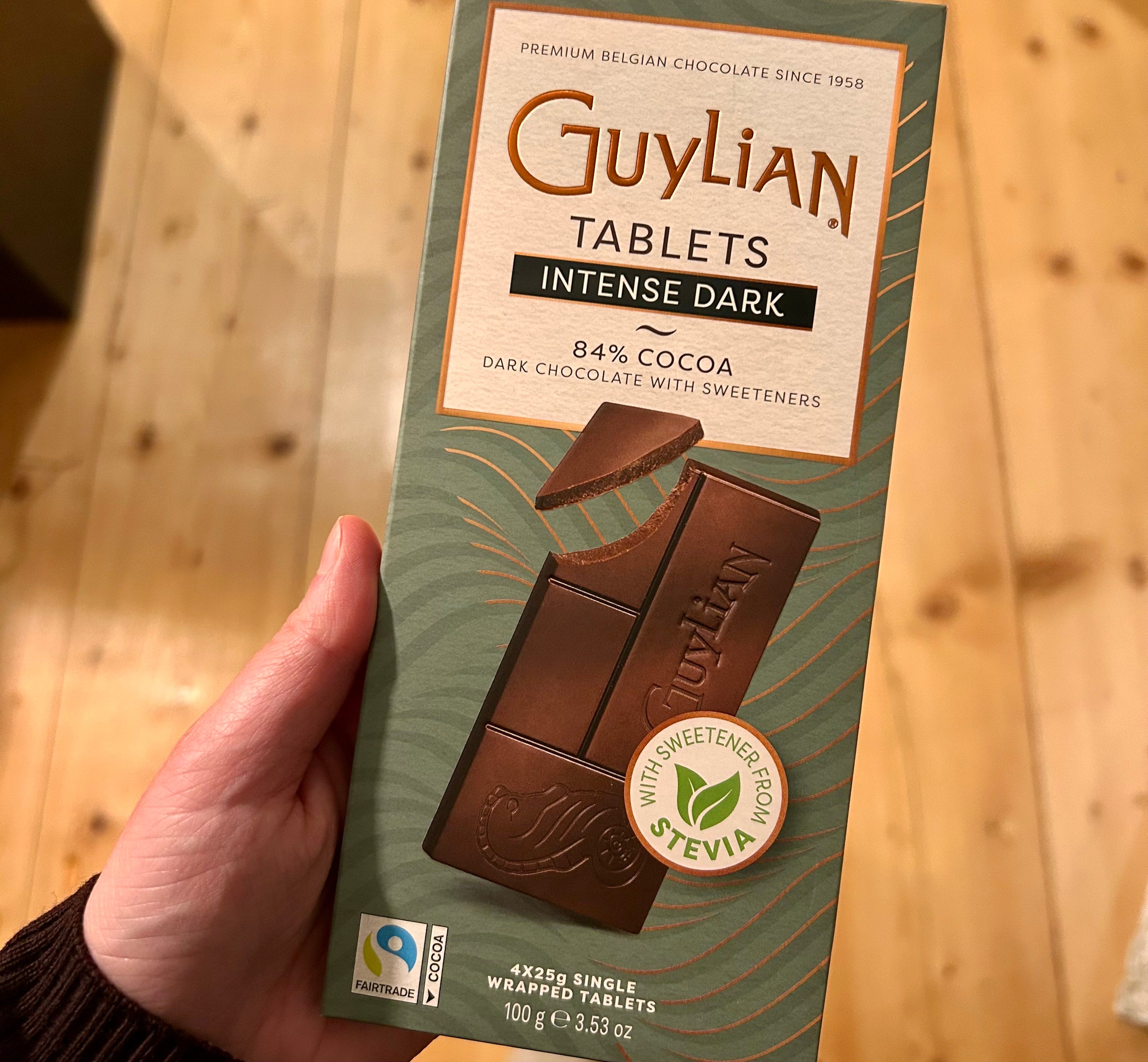
One more detail from today that I want to frame honestly is the stevia chocolate. I try to be careful with sweeteners, especially during hormone heavy periods. Some mechanistic studies suggest stevia compounds may influence glucose handling in certain models, but that does not automatically translate into meaningful clinical effects for everyone. The most reliable point for me is simpler. Choosing a lower sugar option can reduce large glucose spikes for some people, and sometimes a small planned treat can lower the pressure that drives unplanned overeating later. If I notice digestive discomfort or cravings escalating, I adjust. If it stays neutral, I let it be part of a balanced strategy rather than a moral event.
This is the thread I am trying to hold through this whole phase. Lipedema is complex and hormone sensitivity is real. I cannot control every outcome in IVF, and I cannot control every stressor in travel. But I can control the inputs that keep my body as stable as possible. Food that is predictable and nutrient dense. Hydration that is deliberate. Rest that is protected. Gentle movement that supports circulation. And mindfulness as a daily practice that keeps me in contact with reality, not fear.
So well explained.
I think many people underestimate how much it’s about how and why we eat, not just what we eat.
That probably applies to most of us, not just those with lipedema.
Eastern philosophy and practises are my basis.
Yoga (not the circus trick exercise classes) is my rock. Love the studies coming out on pranayama.