

After living with lipedema for 20 years, I have become increasingly interested in how we discuss body fat, weight changes, and the biological mechanisms behind this condition. I believe some of the explanations we repeat most frequently are also the ones we should be questioning more carefully.
There is something about the way we discuss weight and lipedema that has been bothering me for quite some time. I frequently come across statements suggesting that people with lipedema cannot lose weight, that lipedema fat is entirely resistant to weight loss, or that changes in body size tell us something definitive about the underlying disease. These explanations are repeated across social media, sometimes by people living with lipedema and sometimes by professionals.
I understand why they have become so widespread, particularly when so many women have experienced years of being told that their symptoms are simply the result of excess weight. But I also think we have reached a point where some of these explanations are being repeated with considerably more certainty than the available research allows.
I have lived with lipedema for approximately 20 years and have had my diagnosis for 15. Throughout that time, I have generally maintained a weight within the normal BMI range, although my weight has naturally fluctuated over the years. When I eat more than my body needs over time, I can gain weight, and when I consistently consume less energy than I expend, I can lose weight.
My body still responds to energy balance, just as other human bodies do. Having lipedema has never meant that the ordinary biological mechanisms regulating my energy storage suddenly stopped functioning. However, I cannot tell you precisely which fat cells become smaller when I lose weight, or which fat cells expand when I gain it. And neither, I would argue, can anyone else with the level of certainty that is sometimes communicated.
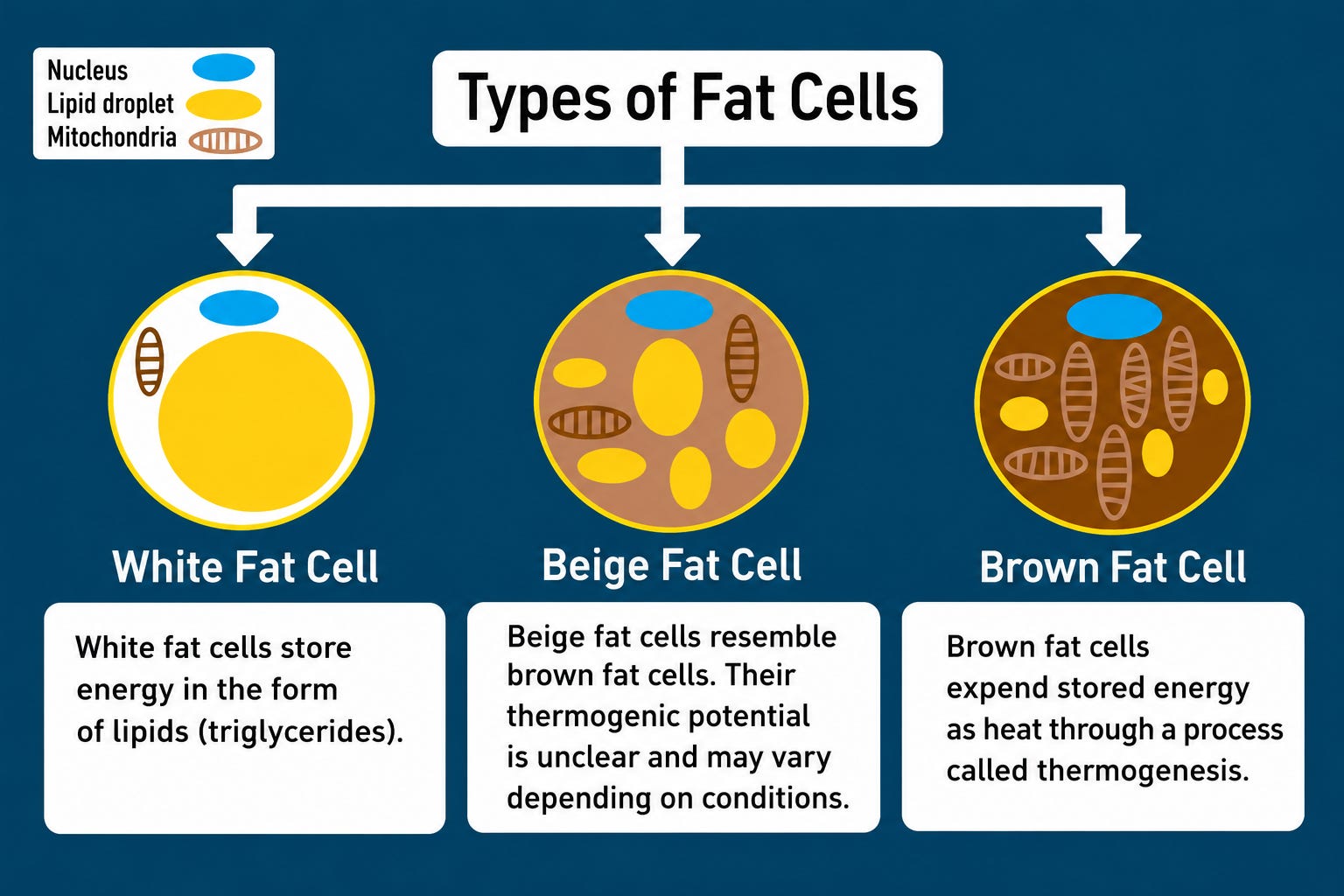
My background in human nutrition and food science has made me particularly interested in these questions because adipose tissue is far more complicated than we often acknowledge. When I look at discussions about lipedema, I sometimes wonder whether we are confusing the presence of a disease with the assumption that every change in our body fat must be caused by that disease.
ENERGY STORAGE
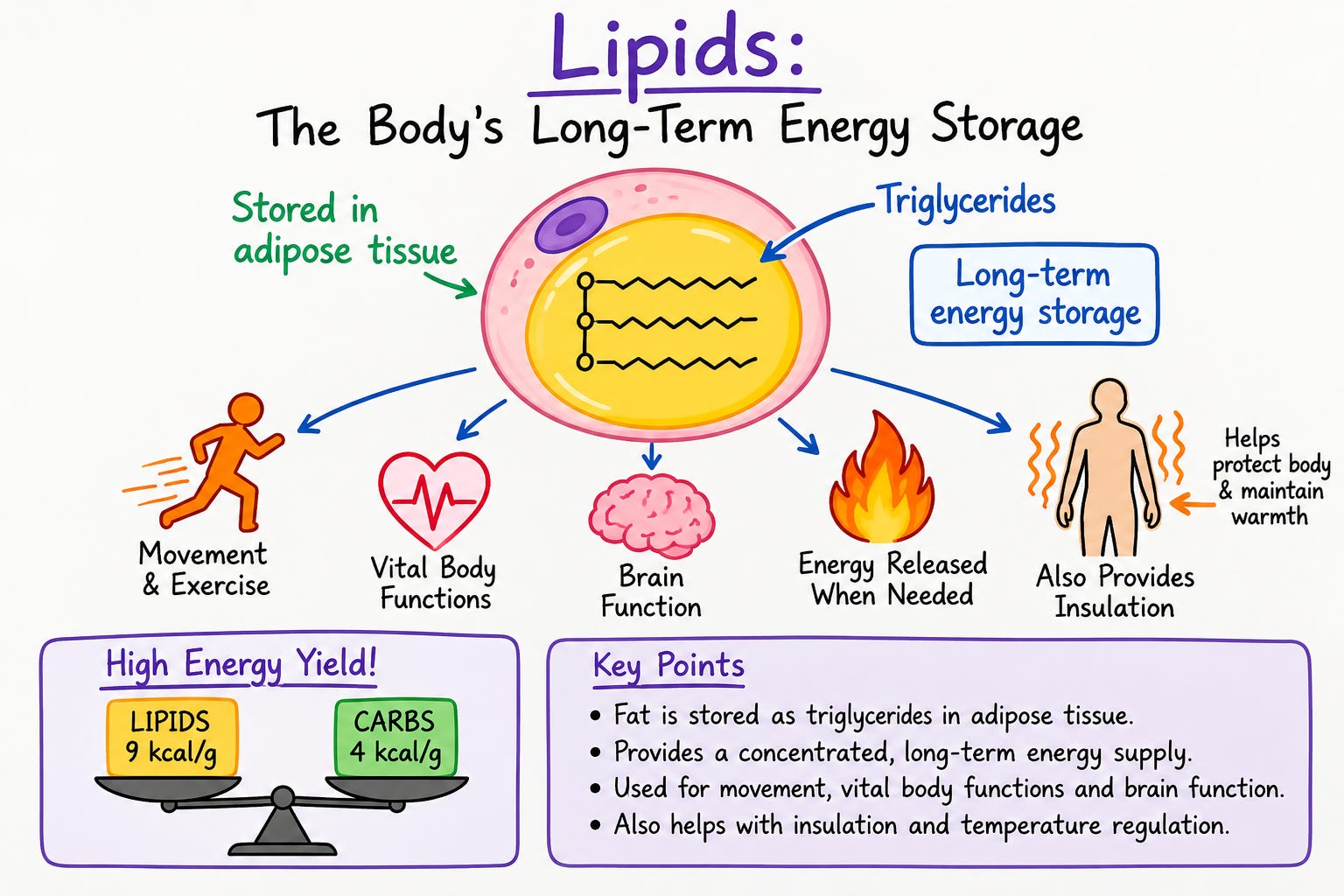
Body fat stores energy as triglycerides, providing approximately 9 kcal per gram of fat. These reserves help fuel the body between meals, during exercise, and when food is scarce.
We know that lipedema involves alterations in adipose tissue, but we do not yet have a complete understanding of which cellular processes are involved, how they differ between individuals, or how affected tissue responds to changes in energy balance. I think this uncertainty deserves considerably more attention than it currently receives.
