
Lipedema: Insights into Morphology, Pathophysiology, and Challenges (part 2)
Lipedema can look like weight gain, but its distinct “cuff” pattern, pain, and treatment resistance tell a different story, and early diagnosis can change the course.

Lipedema is often mistaken for obesity, lymphedema, or other fat related conditions. One reason is that it can look like weight gain. But lipedema has a typical pattern. The extra fat builds up mainly on the legs and sometimes the arms, while the hands and feet are usually not affected. This “cuff” pattern at the ankles or wrists can be an important clue.
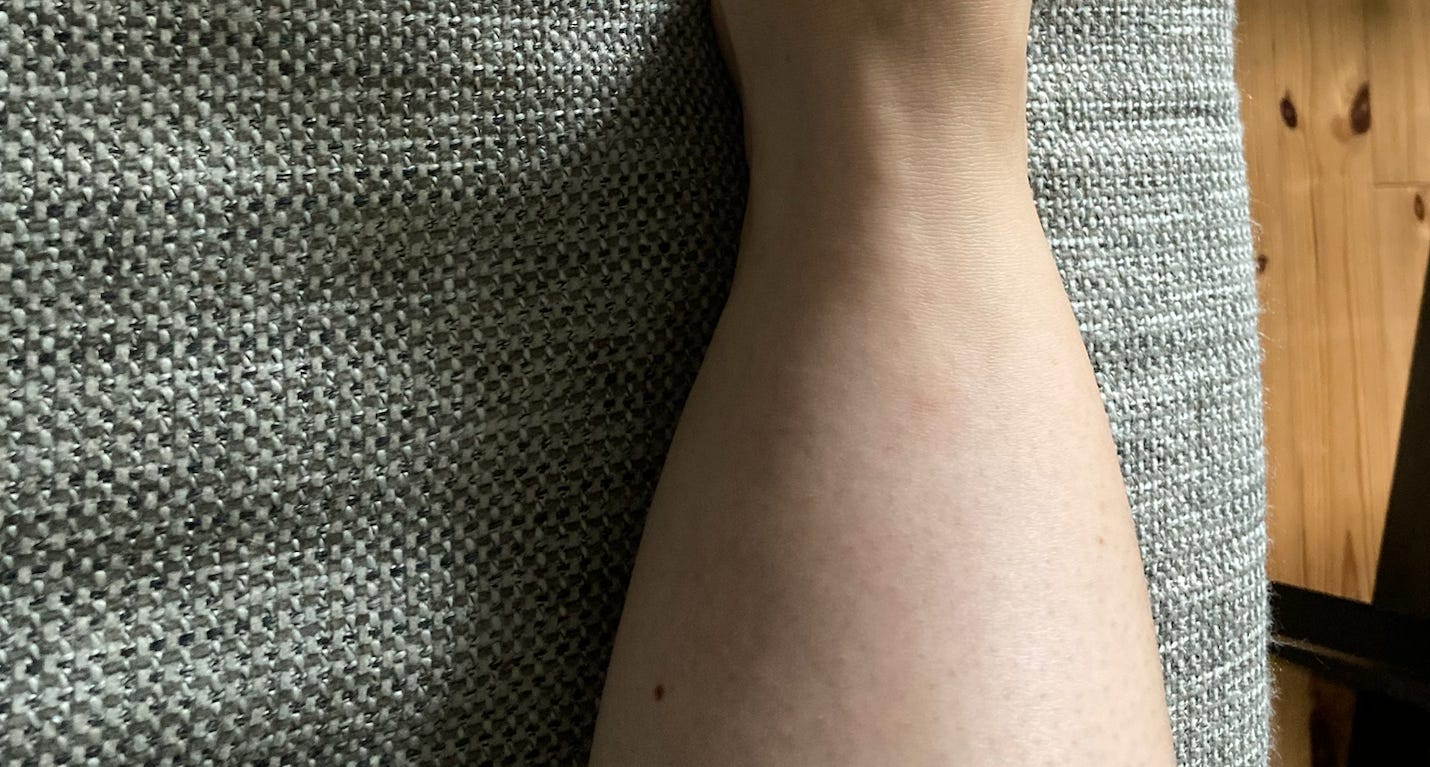
A correct diagnosis matters, even though a person can also have obesity and later develop lymphedema on top of lipedema. Early on, the right diagnosis can help people manage symptoms and slow down worsening. In later stages, lipedema can cause severe long lasting pain and major emotional strain. Many women report feeling judged or blamed for their body, and some develop depression, disordered eating, or social isolation because they are not taken seriously and do not get proper care.
Lipedema is not the same as obesity. However, having lipedema does not make someone immune to obesity, and it is possible to have both conditions at the same time. They are two separate conditions that can both affect health. That is why addressing obesity can be important, because weight gain and higher body weight may worsen lipedema symptoms and progression for some people.
Lymphedema is not the same as lipedema. Lymphedema is swelling caused by an impaired lymphatic system, while lipedema is an abnormal buildup of fat tissue that typically causes tenderness and easy bruising. It is possible to have both conditions at the same time. In some people, lipedema can also progress and impair lymphatic drainage, leading to secondary lymphedema, often referred to as lipo lymphedema.
Some reports estimate that lipedema may affect around 11 percent of adult women worldwide, which is sometimes described as about one in nine women. Typical symptoms include pain or tenderness when the tissue is pressed, easy bruising, and swelling and inflammation in the affected fat tissue. Many women notice that lipedema starts or worsens during times of hormonal change, such as puberty, pregnancy, or menopause. It may also run in families, which suggests a genetic link.
