

I genuinely get so happy when people ask questions about food and nutrition.
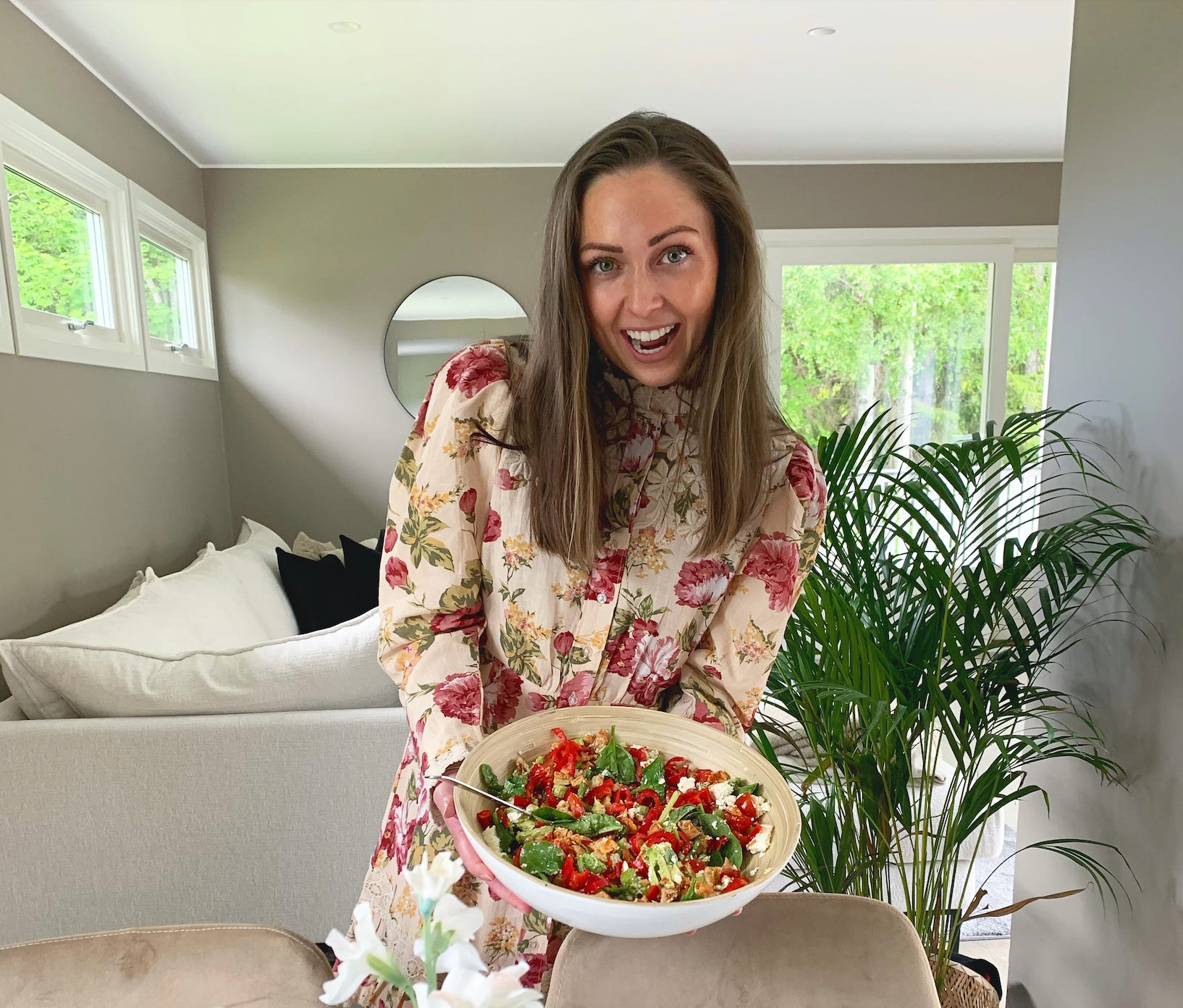
I have a bachelor’s degree in nutrition and a master’s degree in food science, and I want to share a bit of practical knowledge about what people usually mean by anti inflammatory food. In simple terms, an anti inflammatory eating pattern tends to be rich in fiber, polyphenols and other antioxidants, omega 3 fats, vitamins and minerals, and lower in ultra processed foods and added sugar.
A helpful starting point is a Mediterranean inspired template where you build meals around vegetables, a solid protein source, and fats from olive oil, nuts, seeds, or fatty fish.

But here is the important nuance.
“Anti inflammatory food” is a pattern, not a guarantee.
For some people, completely normal and nutrient dense foods can trigger symptoms or even raise inflammatory markers, because they interact with an underlying condition. That interaction can be driven by immune reactions, gut barrier and microbiome issues, histamine handling, blood sugar and insulin responses, or specific intolerances. In those cases, your body is simply playing by different rules, and the solution is usually personalization rather than stricter and stricter rules.
Another nuance that matters a lot is that more than one dietary style can be either anti inflammatory or inflammatory, depending on how it is executed.
Take the ketogenic diet as an example. Some people talk about keto as if it automatically equals “anti inflammatory” because it is low in carbohydrates.
But if the main focus is only on carbohydrate count and the diet ends up being built around bacon, sausages, processed meats, ultra processed “keto snacks,” and replacement products with long ingredient lists, then you can easily end up with a pattern that is quite inflammatory in practice. On the other hand, you can also eat a very nutrient dense ketogenic diet based on whole foods, like fish, eggs, vegetables, olive oil, avocado, nuts, seeds, herbs and spices, and high quality protein. Same macro framework, completely different biological effect. This is true for most diets. Labels matter less than food quality, variety, and what your body actually tolerates.
Many people notice they feel better when they eat more fish like salmon, mackerel, and sardines, include more legumes and berries, and use spices such as ginger and turmeric regularly. Fermented foods can also be helpful for gut health for some, like yogurt, kefir, and sauerkraut, but they are also a classic example of something that can trigger symptoms in others.
On a personal note, I do not generally react to foods. The one clear exception for me used to be refined white sugar. Before surgery, it could cause pronounced swelling in my lower legs, so fast that my pant legs would feel tight within minutes. I do not get the same level of reactions and pain after surgery, but that experience still makes me mindful of how sugar affects my lipedema.
So who might react to foods that are often labeled anti inflammatory?

True food allergies are one clear category. IgE mediated allergies can create strong inflammatory responses even to foods that are “healthy” for most people. Classic triggers include nuts, fish, shellfish, eggs, and milk, and some people also react to certain fruits or vegetables due to pollen cross reactivity.
Celiac disease is another big one. For someone with celiac, gluten triggers a clear immune response and inflammation in the gut. In that context, “anti inflammatory” whole grains become pro inflammatory if they contain gluten. Some people also report non celiac gluten sensitivity, which can look similar symptom wise, even though the mechanism is more complex and less clearly defined.
Gut related conditions are probably the most common reason people feel worse on a very “healthy” diet. In inflammatory bowel disease such as Crohn’s or ulcerative colitis, high fiber foods, raw vegetables, legumes, nuts, and seeds can worsen symptoms during an active flare, even though those foods may be helpful during remission. With IBS and FODMAP sensitivity, fermentable carbohydrates are a classic driver of gas, pain, and bloating, and many “anti inflammatory” staples are high FODMAP, such as onion, garlic, apples, legumes, and some cabbage varieties. For some people, symptom flare ups themselves can contribute to low grade inflammation.
Histamine related issues are another often overlooked explanation. If you have histamine intolerance or mast cell activation tendencies, foods like fermented foods, aged cheeses, cured meats, wine, vinegar, tomatoes, spinach, avocado, and certain fish can trigger quite pronounced symptoms. Many of these appear on standard “anti inflammatory” lists, so it can feel confusing when you do everything “right” and still feel worse.
SIBO and other forms of dysbiosis can also shift the picture. With bacterial overgrowth in the small intestine, fiber and fermentable carbohydrates can fuel excessive fermentation in the wrong place, leading to pain and bloating. It can look like “healthy foods cause inflammation,” when the core issue is more about location, dose, and which types of carbohydrates are being fed.
Some people with autoimmune or inflammatory joint pain report that nightshades can worsen symptoms, especially tomatoes, peppers, potatoes, and eggplant. The evidence is mixed, but clinically it does appear to matter for a subset. When it does, the mechanism may involve individual immune activation or gut related irritation.
Metabolic health also matters. With insulin resistance, prediabetes, or diabetes, large portions of starch and some fruits can drive higher glucose levels, followed by inflammatory signaling. That does not mean fruit or whole grains are inherently inflammatory. It usually means that dose, timing, and the composition of the meal matter. Pairing carbohydrates with protein, fat, and fiber is often a very practical way to improve tolerance.
There are also situations where “healthy” foods can create physiological stress for reasons that are not primarily inflammation. In chronic kidney disease, for example, foods high in potassium or phosphorus can be problematic and sometimes even dangerous. And with bladder pain syndrome or interstitial cystitis, acidic or irritating foods like citrus, tomatoes, coffee, and spicy foods can flare symptoms. That is more irritation than systemic inflammation, but it can feel very real in daily life.
A quick note on potatoes, sweet potatoes, and rice, since this comes up a lot. Whether these foods are helpful or not depends on the context. Many people do perfectly well with them in moderate portions, especially when they are combined with protein, healthy fats, and plenty of vegetables. If you have insulin resistance, it can be useful to test portion size and your response, but it does not mean everyone needs to cut them out completely.
When it comes to my own approach, I try to keep things both science based and sustainable. I do not want food to take over my life or create unnecessary restrictions. I aim to eat colorful, varied meals that fit the typical anti inflammatory pattern for people without special considerations. I follow an 80 20 mindset where I do things “by the book” most of the time, but keep room for flexibility. I focus on whole foods and simple ingredient lists, I cook from scratch as much as I can, and I keep ultra processed foods, deep fried foods, and high sugar snacks as rare exceptions. I mostly drink water, sometimes with lemon slices. I generally eat lower carb and choose complex carbohydrates, or breads made with seeds and whole grains.

And I also live my life. This summer my flexible 20 percent looked like freshly baked buns from different bakeries with my friends. Even then, I tried to eat something protein rich first, because it helps blunt the glucose rise, which can drive inflammation for some people.


Because of my food science background, gut health and the microbiome have become my top priority. I did cell based lab work on intestinal cells looking at how pea peptides are taken up and how they influence inflammatory responses. That kind of work changes how you think about food, not in a fearful way, but in a more curious and informed way.
I learned I had lipedema fourteen years ago, and one of the biggest lessons has been that balance matters. You have to find your own path and avoid comparing yourself too closely to others. Our bodies are different even when we share the same condition. I live a very active life. I train a lot, spend time with friends and family, travel both for work and for fun, and I love eating out and trying new foods. A highly restrictive diet would be too intrusive in the life I genuinely love. So I have tested, adjusted, and found a way of eating that supports my health while still leaving room for joy.
A Closer Look at My 20 Percent
This is how I spend my 20 percent flexible eating and drinking time. It is the space where I stop analyzing and stop optimizing, and simply live. I eat what is in front of me, I share food and drinks with people I love, and I let the moment be the point. For me, this is not a mistake or a lack of discipline. It is a deliberate choice, and it matters just as much as the “healthy” 80 percent. Living with lipedema has taught me that joy, connection, and a sense of normal life are part of health too.
Sometimes I just need to hold a beer bigger than my head with both hands in Berlin.

Sometimes I just need to share a bottle of good white wine with my partner in Copenhagen.

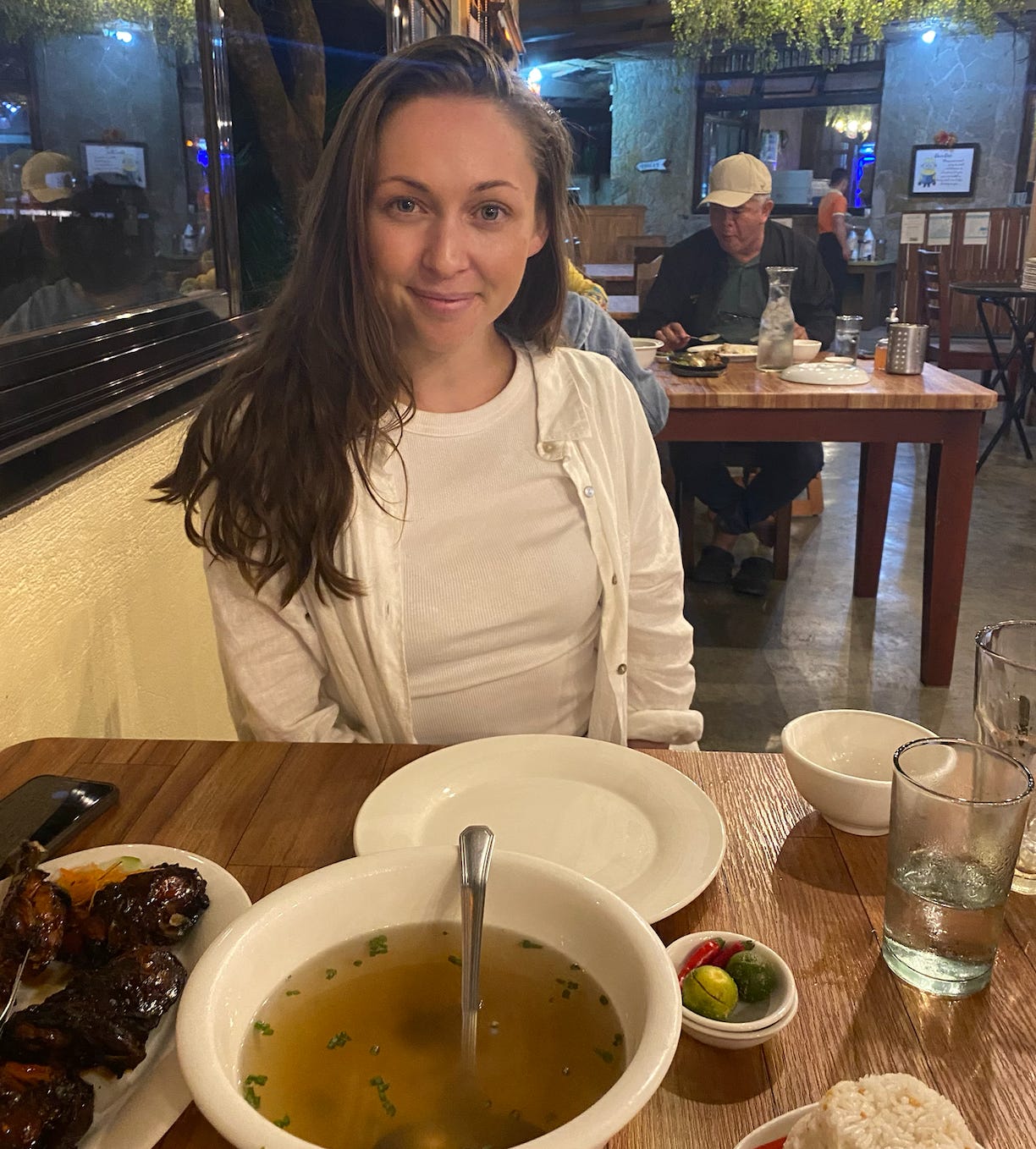
Sometimes I just need a slice of bread with lots of butter alongside my coffee, with one of Norway’s prettiest views in front of me. Don’t mind the middle finger—it’s not aimed at you, it’s just how I’m holding the bread.
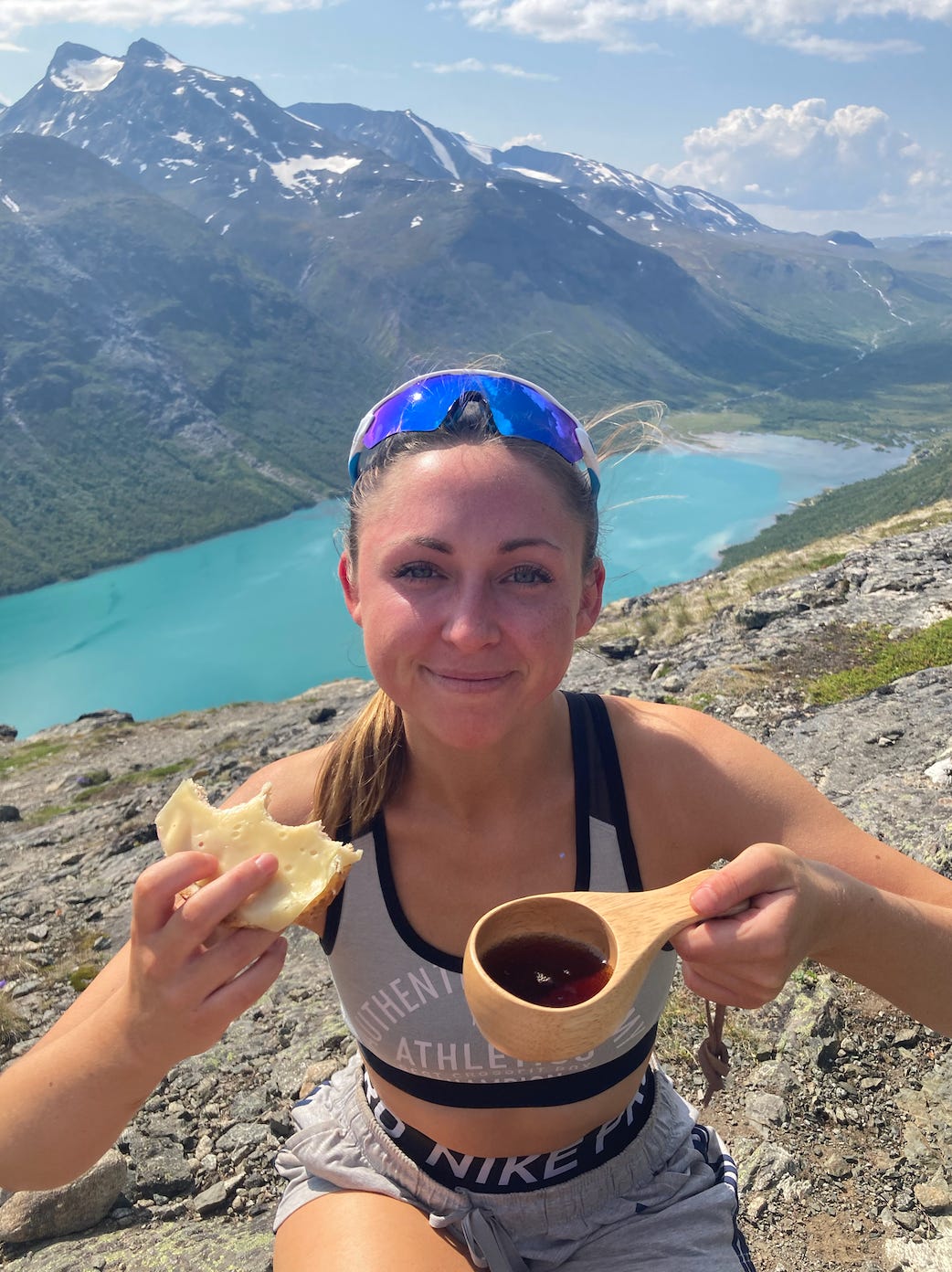
Sometimes I just need a great Neapolitan pizza in Barcelona.
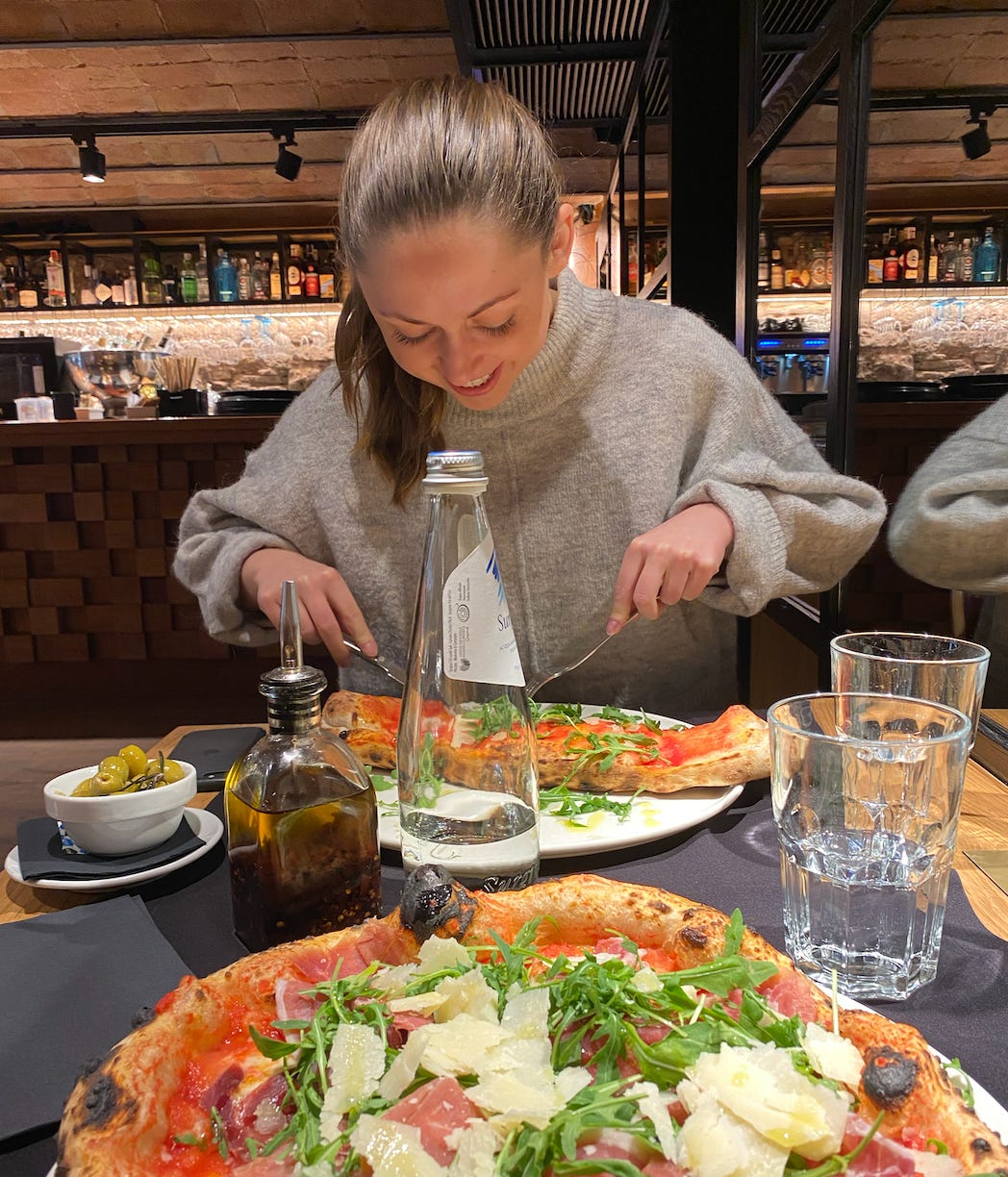
Sometimes I just need to try a real local Filipino dish served with rice in Tagaytay.
Sometimes I just need to serve beer to friends and guests at home. And honestly, I’m very happy my partner isn’t brewing anymore and that we got rid of the beer tap setup. These days, both of us drink very little alcohol, but it hasn’t always been that way. During Covid we drank a lot more beer, mainly because he brewed it and it was always there.

Sometimes I just need to try a very famous cake in Vienna.

Sometimes I just need to go to a cooking class with friends and make real Georgian food together with locals.

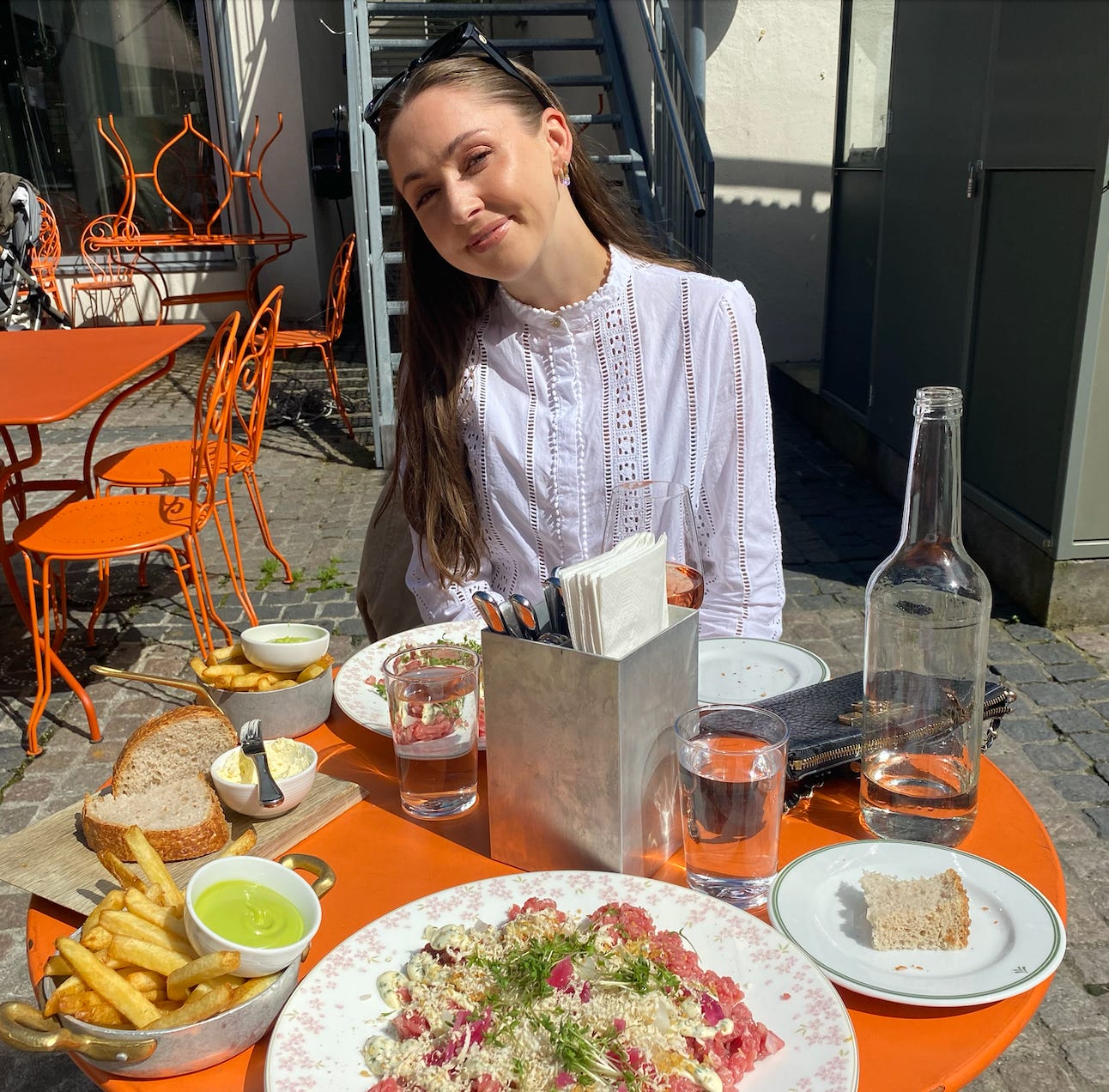
Sometimes I just need to visit my favorite lunch place in Oslo with my partner and eat the best bread, the best butter, the best beef tartare, and the best fries with dip. This is probably the only place I eat fries. I go here often with my partner, friends, or family, and the food is always a joy. I usually don’t drink wine when I’m here, but this photo was from my birthday last year.

If you are experimenting with anti inflammatory eating and feel like “healthy foods” make you worse, you are not failing. It often just means there is a specific mechanism worth identifying. The most common ones are allergy, FODMAP sensitivity and gut dysbiosis, and histamine or mast cell related reactivity. If you have red flags like unexplained weight loss, blood in your stool, fever, persistent diarrhea, symptoms waking you at night, or severe throat or breathing reactions, that is a sign to get evaluated.
If you want to dive deeper, you can read more of my articles here:


What have you noticed helps your body feel calmer and less inflamed, and what tends to make things worse?
Potatoes always get me, sweet potatoes are fine. Too much onion and garlic are also problematic. I haven't eaten gluten in over 6 years but from what I remember, this also caused problems. So I'm guessing for me it might actually be fructan sensitivity/fodmap issues? Who knows. I definitely follow the 80/20 with the exception of gluten and alcohol, those are completely cut out for me.
80 / 20 is the best ✨