

What We Know, What We Do Not Know, and What You Can Do
There are currently no direct studies examining iron status specifically in women with lipedema. No trials have measured ferritin, transferrin saturation, or functional iron markers as primary outcomes in this population. That absence of data matters. It means that any connection between lipedema and iron deficiency must be reasoned from physiology and from what we know about inflammation, adipose tissue, and women’s health more broadly.
That does not mean iron is irrelevant. It means we have to think clearly.
Lipedema, Inflammation, and Iron Regulation
Lipedema is increasingly understood as a condition involving altered adipose biology, microvascular dysfunction, immune activation, and in many cases low grade inflammation. In more advanced stages, inflammatory markers such as C reactive protein may be elevated. Even when systemic inflammation appears mild, local tissue inflammation can still be biologically meaningful.
Iron metabolism is tightly regulated by hepcidin, a hormone produced by the liver. Hepcidin increases in response to inflammation. When hepcidin rises, iron absorption from the intestine decreases and iron becomes trapped inside storage sites. This mechanism is protective in acute infection, but in chronic inflammatory states it can contribute to functional iron deficiency. Iron may be present in the body, yet unavailable for optimal cellular use.
In obesity, this mechanism is well described. Lipedema is not obesity, but it is a disorder of adipose tissue with inflammatory components. It is therefore biologically plausible that some women with lipedema may experience altered iron handling, particularly if inflammatory burden increases over time.
This is a hypothesis, not proof. But it is a hypothesis grounded in physiology.
Why Iron Matters in Lipedema
Iron is not only about preventing anemia. It is essential for mitochondrial function, oxygen transport, collagen synthesis, immune regulation, and energy metabolism. Many women with lipedema report fatigue, reduced exercise tolerance, cold intolerance, hair shedding, and reduced resilience. These symptoms overlap with iron deficiency, but also with hormonal dysregulation and chronic inflammation.
This overlap can lead to missed diagnoses. Fatigue may be attributed solely to lipedema progression or hormonal transitions, when in reality iron status has never been evaluated.
Iron deficiency can exist with normal hemoglobin. Ferritin may be low long before anemia develops. For women of reproductive age, menstrual blood loss significantly increases iron requirements. For perimenopausal women with heavy or irregular bleeding, risk increases further. After menopause, menstrual losses stop, but chronic inflammation, restrictive dieting, gastrointestinal absorption issues, or long term low intake may still contribute to suboptimal iron stores.
In other words, both fertile and non fertile women with lipedema can be vulnerable, though for different reasons.
Heme and Non Heme Iron
Why Bioavailability Changes the Equation
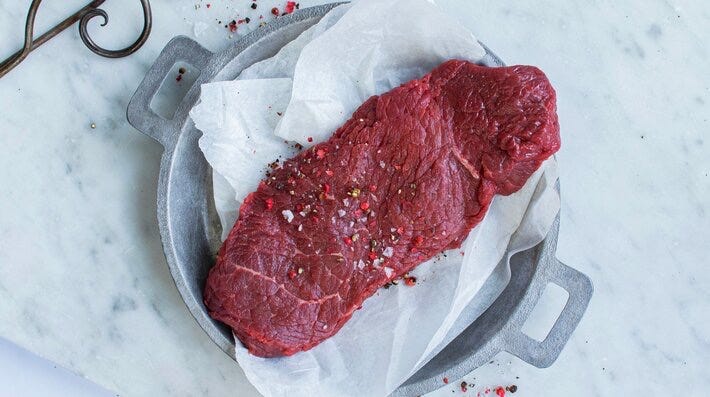
Iron exists in two dietary forms. Heme iron is found only in animal foods, particularly red meat, organ meats, and certain seafood. Non heme iron is found in plant foods and also in animal foods in smaller proportions.
Heme iron is absorbed significantly more efficiently than non heme iron. The body typically absorbs a substantially higher percentage of heme iron, and its absorption is less influenced by other dietary components. Non heme iron absorption is lower and highly dependent on meal composition.
This distinction matters for women attempting to optimize health while managing inflammation.
In many Western diets, a large proportion of iron intake comes from whole grains and fortified cereals. These foods contain non heme iron, and absorption may be limited by phytates, polyphenols, and calcium. Coffee and tea consumed with meals can further reduce non heme iron uptake. In contrast, vitamin C rich foods enhance absorption.
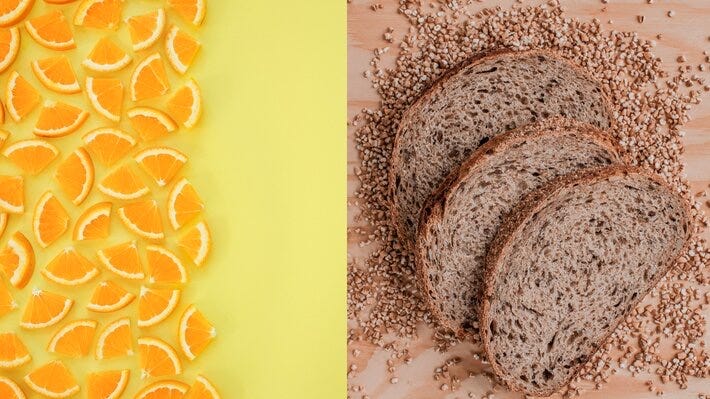
There is also what is sometimes called the meat factor. When meat or fish is consumed in the same meal as plant based iron sources, absorption of non heme iron increases. This is a synergistic effect and can meaningfully improve total iron uptake without increasing total iron intake dramatically.
For women with lipedema who follow lower carbohydrate or ketogenic approaches, iron intake patterns may shift. Some may increase red meat consumption and improve iron status. Others may unintentionally restrict total intake if overall food quantity decreases. For women following vegetarian or plant forward approaches, attention to bioavailability becomes even more important.
Iron, Inflammation, and Oxidative Stress
Iron is powerful. Too little impairs oxygen transport and mitochondrial respiration. Too much can increase oxidative stress. Lipedema tissue is already characterized by altered microcirculation, increased oxidative burden, and immune activation in some stages. The goal is not maximal iron, but optimal iron.
The body regulates iron absorption based on need. When iron stores are low, absorption increases. When stores are high, absorption decreases. However, chronic inflammation can disrupt this fine tuning. Hepcidin may remain elevated, reducing absorption even when stores are insufficient.
This is why supplementation should not be automatic. It should be informed by laboratory testing and clinical context.
Laboratory Testing
What to Measure and Why
If you live with lipedema and experience persistent fatigue, hair thinning, poor recovery, or heavy menstrual bleeding, it is reasonable to assess iron status. At minimum, ferritin and hemoglobin should be measured. In some cases, transferrin saturation and inflammatory markers can provide additional clarity.
Ferritin reflects iron stores, but it is also an acute phase reactant and may rise in inflammation. A normal or high ferritin does not always exclude functional iron deficiency in inflammatory states. Interpretation should be individualized.
This is particularly relevant for postmenopausal women with lipedema who may have low grade inflammation but no overt anemia.
Practical Nutrition for Iron Optimization
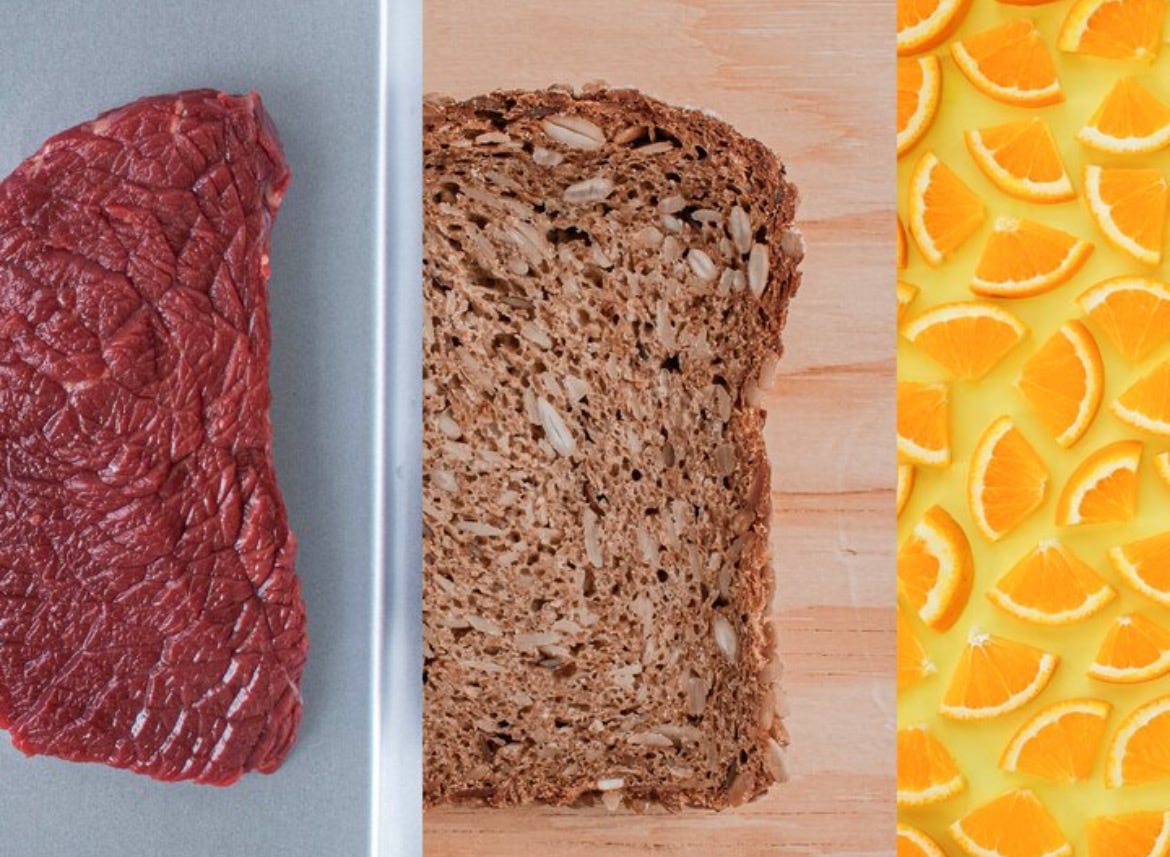
A varied diet remains foundational. Whole grains, legumes, nuts, and seeds contribute iron, even if absorption is lower. Animal sources provide highly bioavailable heme iron. Combining plant sources with vitamin C rich foods such as peppers, citrus, or berries improves absorption. Avoiding coffee or tea with iron rich meals can also help.
Moderate inclusion of red meat can meaningfully support iron status, especially for women with heavy menstrual losses. Organ meats are particularly rich in iron, though not everyone tolerates or prefers them. Seafood such as oysters and shellfish also contributes.
At the same time, dietary diversity supports more than iron. Women with lipedema often benefit from anti inflammatory dietary patterns that support metabolic flexibility and glycemic stability. Iron optimization should fit within that broader strategy, not override it.
Fertile Women
The Added Burden of Blood Loss
Women of reproductive age require more iron because of menstrual blood loss. Heavy periods, which are common in some hormonal profiles associated with lipedema, can significantly increase risk of deficiency. Pregnancy increases requirements even further.
For fertile women with lipedema who are also managing insulin resistance, weight fluctuations, or restrictive dieting, iron deficiency risk may quietly increase. Routine monitoring can prevent long term depletion.
Postmenopausal Women
Different Risks, Different Context
After menopause, iron requirements decrease because menstrual blood loss stops. However, inflammatory conditions, gastrointestinal changes, or long term dietary restriction can still influence status. Additionally, some women may develop elevated ferritin related to metabolic dysfunction rather than excess iron intake.
The interpretation becomes more nuanced. Iron markers should be considered alongside metabolic markers, inflammatory markers, and clinical symptoms.
The Research Gap
Lipedema research has expanded in recent years, focusing on microvascular changes, hormonal signaling, immune activation, and extracellular matrix remodeling. Iron metabolism has not yet been systematically studied in this population.
Future research should include iron markers when profiling biochemical characteristics of lipedema. Understanding whether iron dysregulation contributes to fatigue, pain sensitivity, or tissue remodeling would be valuable.
Until then, individualized assessment remains the most rational approach.
A Balanced Conclusion
There is no direct evidence that lipedema causes iron deficiency. There is no evidence that iron supplementation treats lipedema. But there are biologically plausible mechanisms linking inflammation, hepcidin regulation, and iron handling.
Iron is a foundational micronutrient for mitochondrial energy, oxygen transport, and tissue repair. Women, especially those navigating hormonal transitions, are uniquely vulnerable to deficiency.
If you live with lipedema and want to optimize your health, iron status deserves attention. Not fear, not automatic supplementation, but awareness, testing, and informed decision making.
Your biology is complex. Your strategy should be equally thoughtful.
This is a very interesting read, especially as my blood tests results for my other condition has come back showing I’m severely anemic.
I’ll be making further adjustments to my eating habits to see if I can improve this.
Also, I didn’t have a clue shell fish were a good source of iron, we love shellfish 🦐 🦪
Thank you for sharing your knowledge 🫶🏻