

I promised you I would start photographing a little more of my 80 percent from now on.
Ingredients I always buy when I can find them in good quality
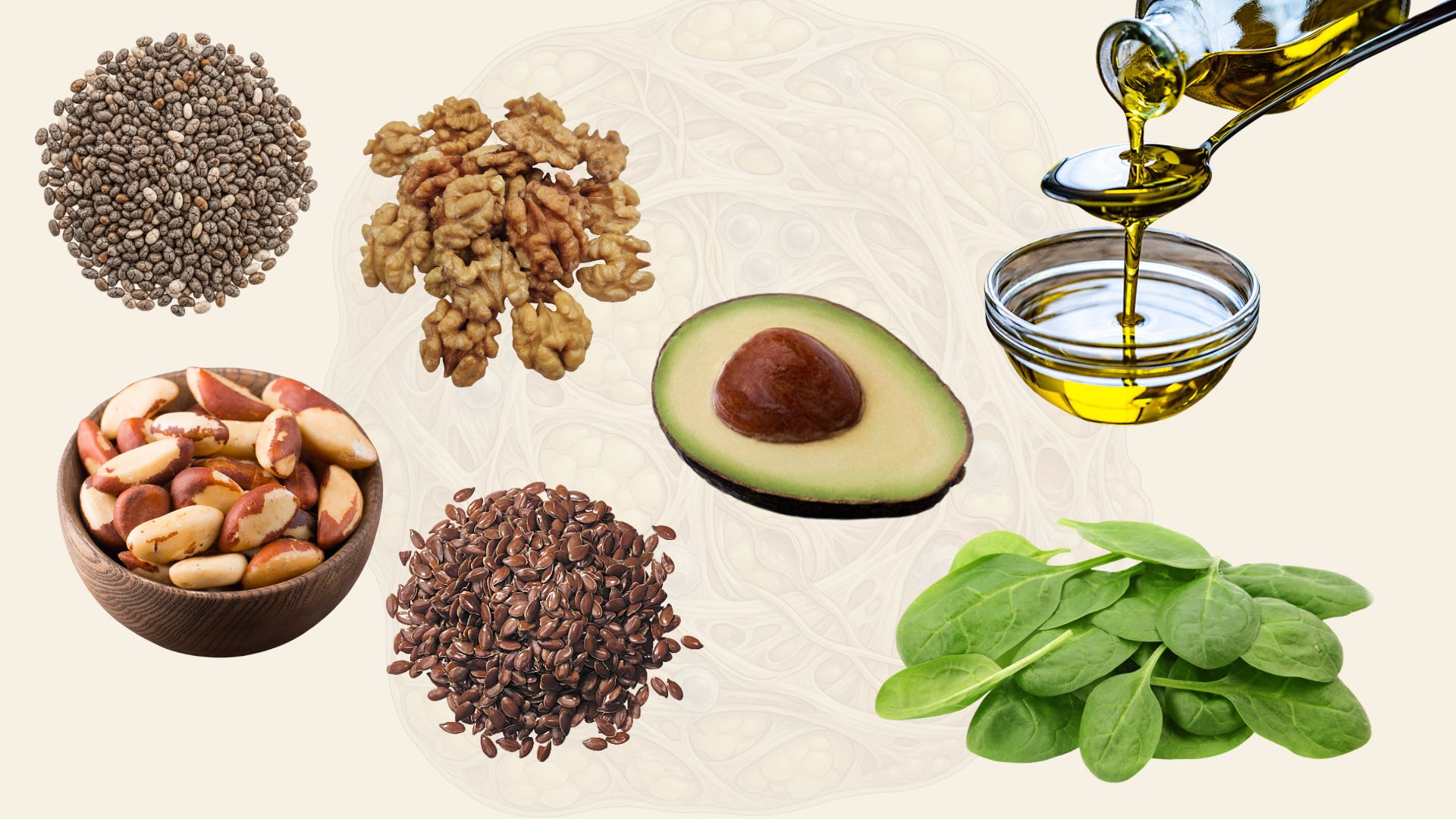
Chia seeds, flax seeds, extra virgin olive oil, Brazil nuts, unsalted walnuts and avocado are ingredients I almost always buy when they are available in good quality.
They are all good sources of healthy fats and different nutrients, and for me they are part of building meals that support my body in a steady, realistic way.
Healthy fats matter. Female hormones such as estrogen and progesterone are closely connected to fat metabolism, and the body needs enough dietary fat to support hormone production, brain function, cell membranes and overall metabolic health. Very low fat diets can, for some women, contribute to hormonal imbalance, irregular cycles, low mood and reduced wellbeing.
That is why I do not try to remove fat from my diet.
I try to choose better sources of fat.
For me, that often means avocado, extra virgin olive oil, walnuts, Brazil nuts, chia seeds and flax seeds. Simple ingredients, but very powerful ones.
Mercury in canned tuna
The house we are staying in here in Portugal has beautiful light in the kitchen, which makes it much easier to document what I eat. But my eating habits also depend a lot on where I am. In Spain, for example, I ate canned tuna almost every day, usually with 85 percent dark chocolate after dinner.
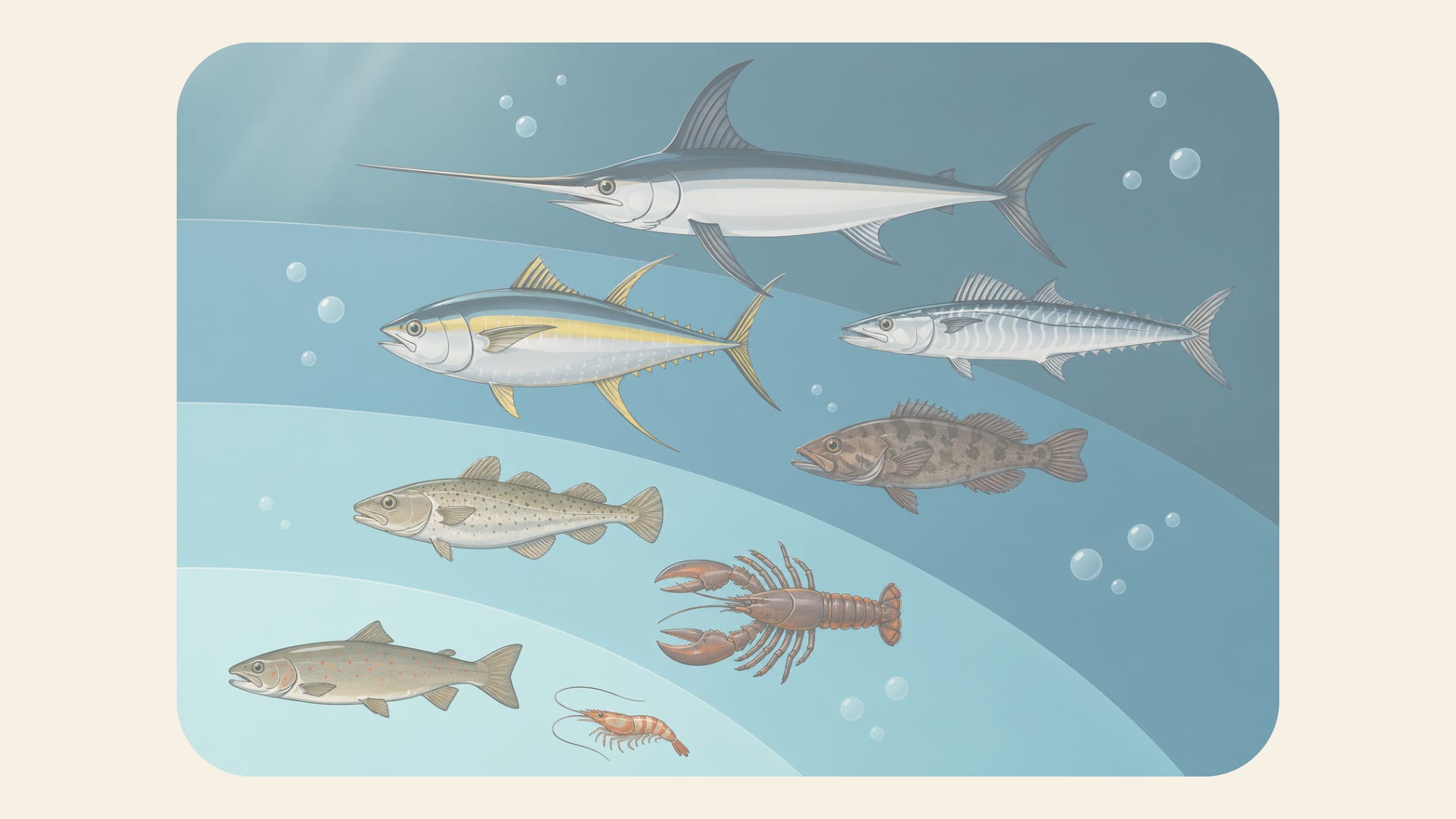
But tuna is an apex predator, high up in the food chain, and because of that it can accumulate higher levels of heavy metals such as mercury. Mercury binds to the protein in the fish muscle, which is why I do not want tuna to become an everyday food for too long.
It also depends on what kind of kitchen equipment I have available. In this new place, the kitchen is much better equipped, so I can make homemade hummus, baked vegetables and more proper meals again. So now I am shifting a little, and eating more colourful, more like I do when I am at home.
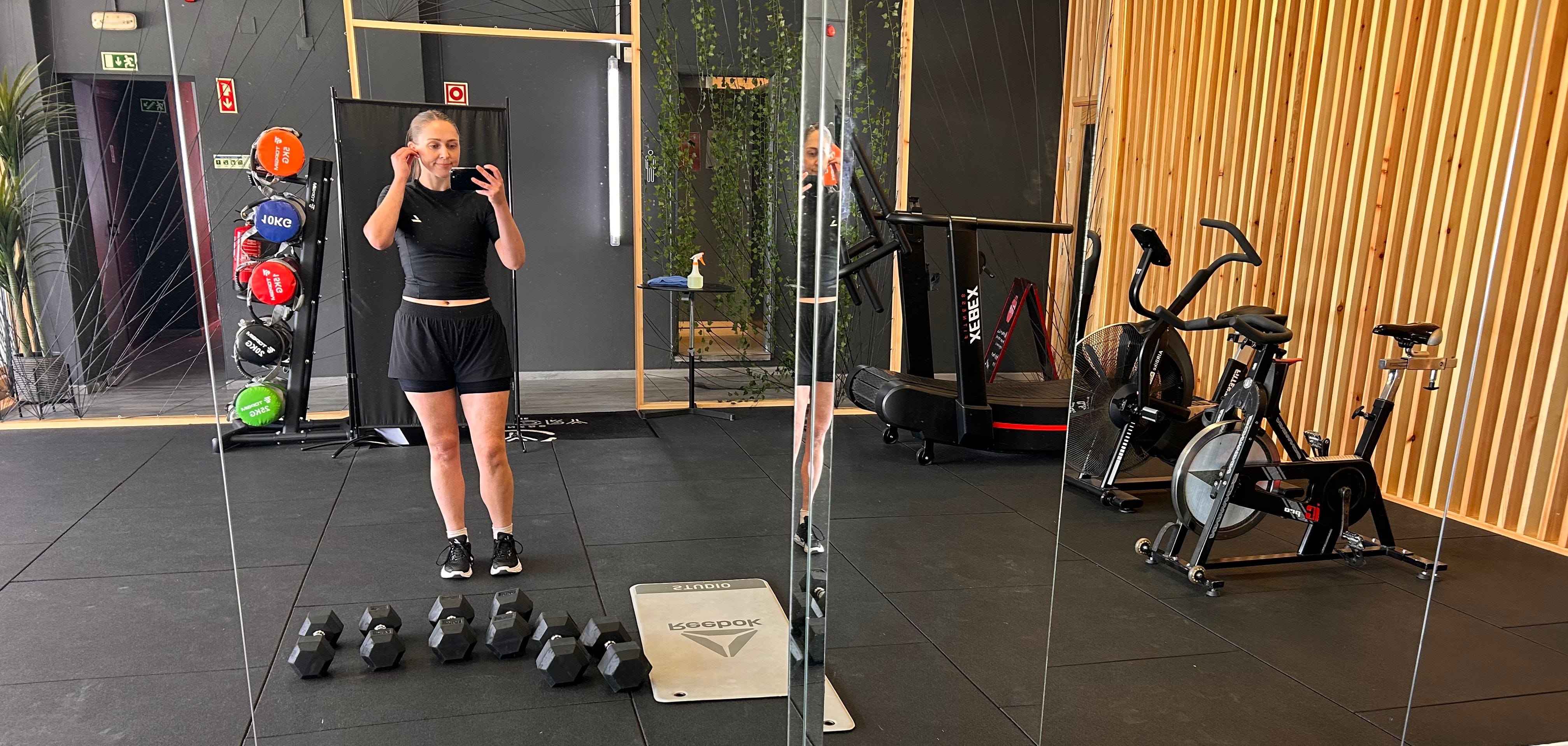
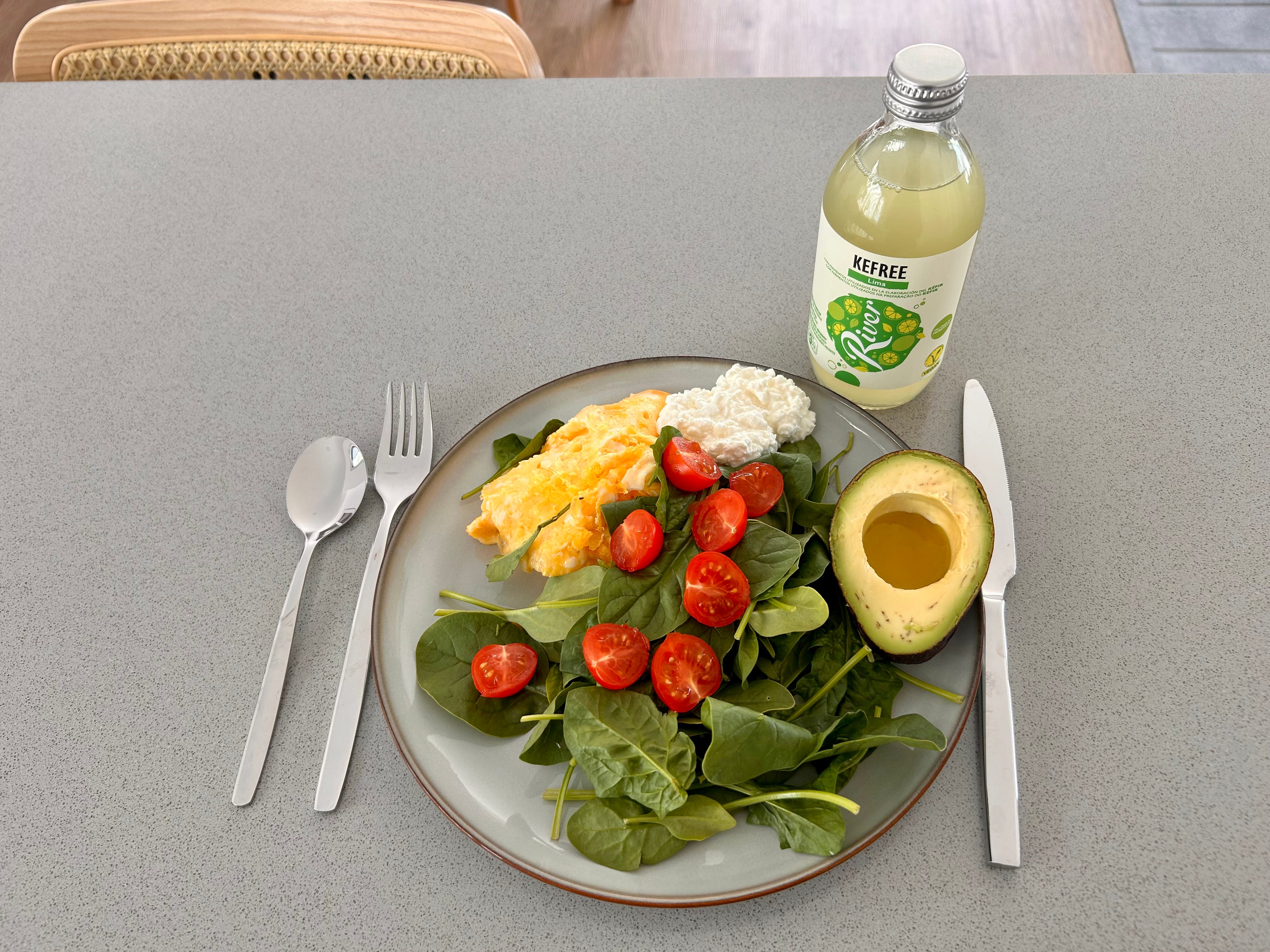
Today, my first meal was around 14:00 after the gym. It was simple, but very good. Scrambled eggs without butter or cream, cottage cheese, cherry tomatoes, spinach, avocado, kefir water without too much sugar, and extra virgin olive oil.
And how do I use olive oil?
Raw, not heated.
Extra virgin olive oil is one of my favourite staples because it contains oleic acid, a heat stable monounsaturated fat, together with fat soluble vitamins like vitamin E and vitamin K. But a lot of its benefits come from the polyphenols, such as oleocanthal, hydroxytyrosol and oleuropein. These are plant compounds with antioxidant and anti inflammatory properties, and they are also what give a good olive oil that bitter, peppery taste.
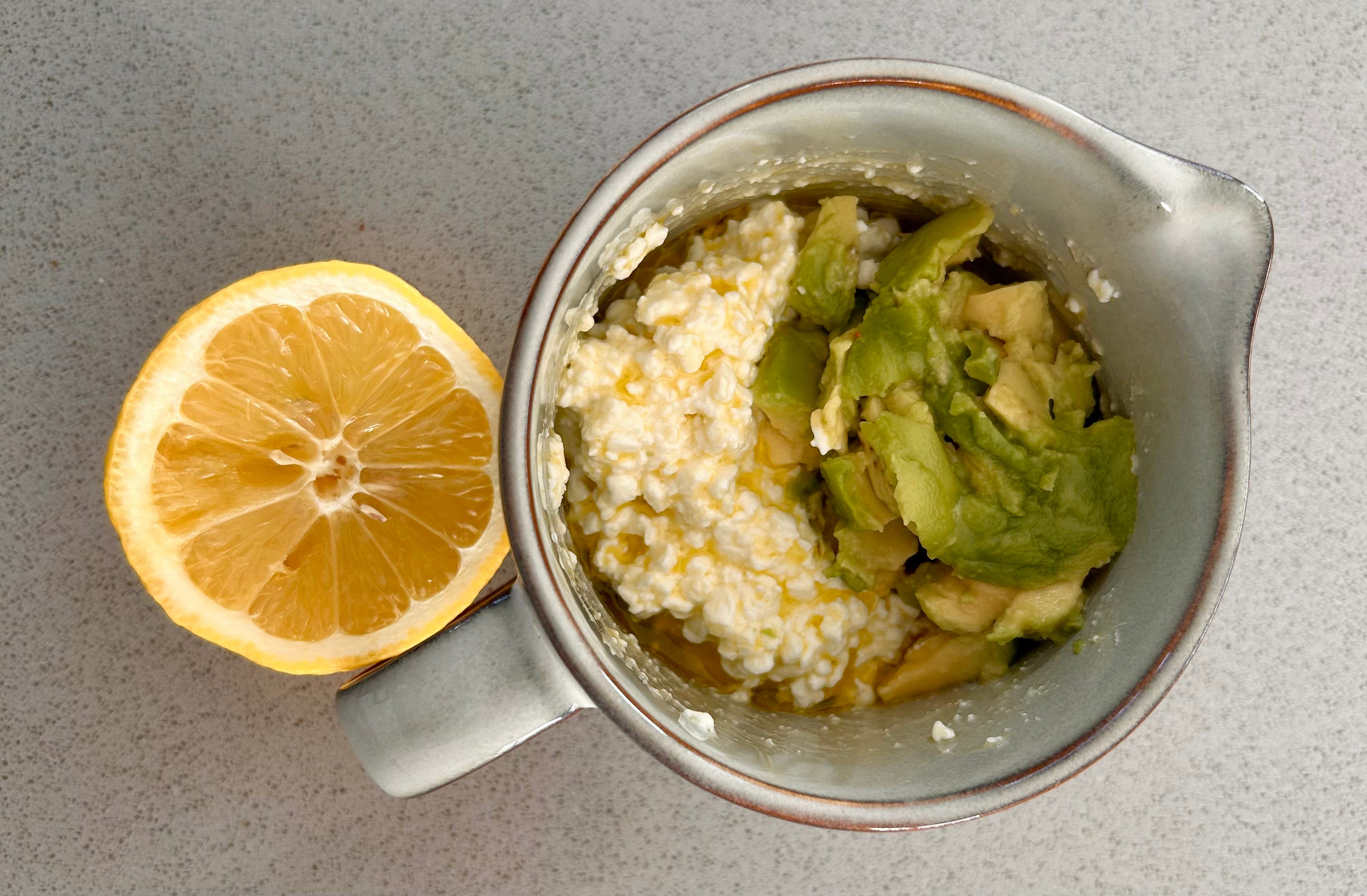
For dinner, which I had with my partner around 18:00, I made a dressing by blending olive oil, avocado, cottage cheese and lemon. It was actually quite similar to my first meal, because that was what we had in the fridge. Spinach, cherry tomatoes, hard cheese, and chicken cooked in butter.
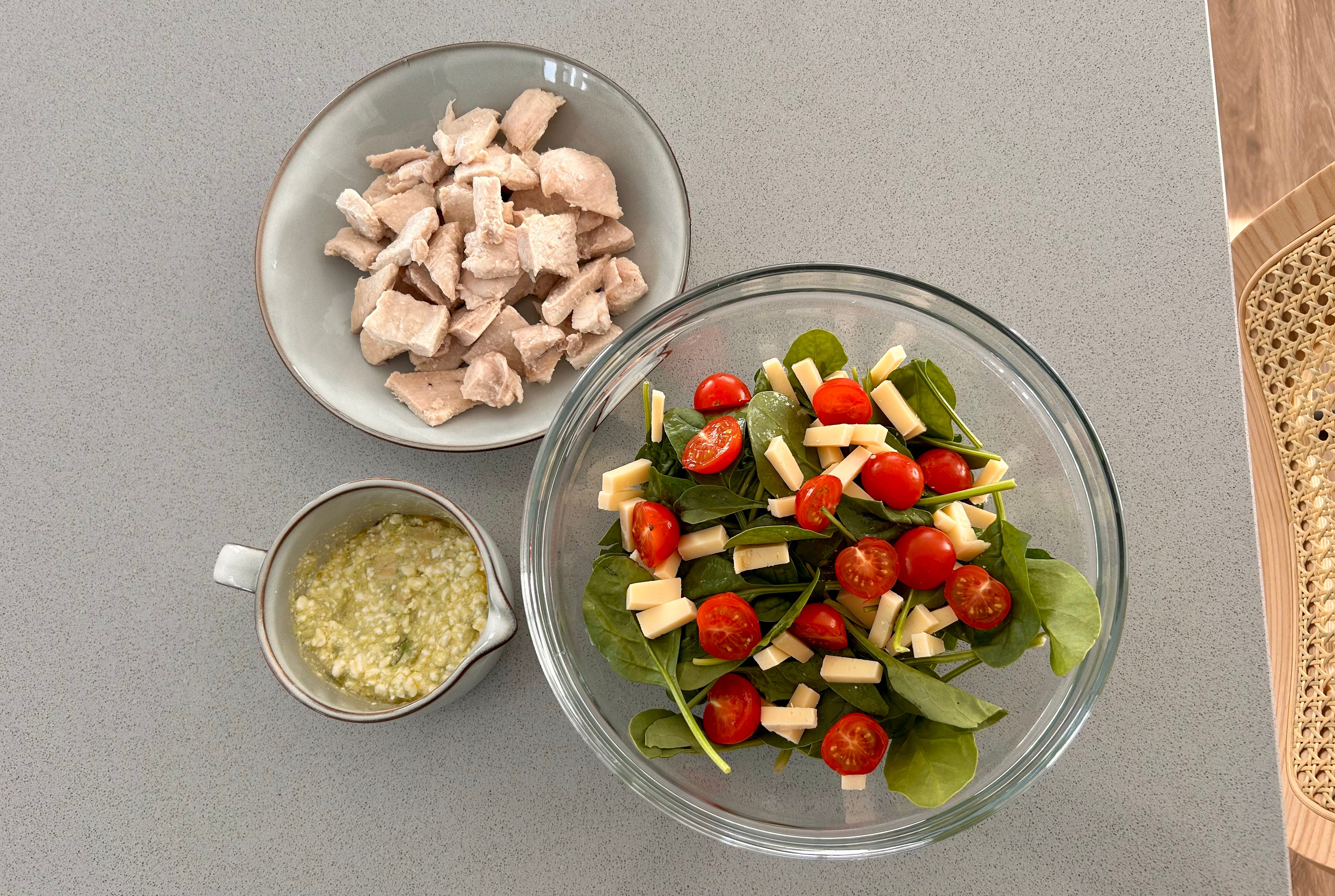
My eating window was between 14:00 and 18:00, which means I fasted for around 20 hours
I know fasting can be a sensitive topic, especially when we talk about women’s health, hormones and lipedema, so I want to be very clear about how I think about it. For me, fasting is not about punishment, restriction or trying to force my body into fat loss. It is something I use carefully, in certain periods, when my body feels calm enough to handle it.
When we fast, the body gradually shifts into a different metabolic state. One of the processes often discussed in relation to fasting is autophagy, which literally means “self eating.” It is the body’s own cellular recycling and housekeeping system, where damaged cell components, misfolded proteins and cellular waste can be broken down and reused as new building blocks or energy. Autophagy is not something that only happens during fasting. It is happening in the body all the time, but fasting, exercise and certain metabolic states may increase this process.
This is one of the reasons fasting is so interesting from a biological perspective. As liver glycogen gradually becomes lower and insulin levels drop, the body may begin to rely more on stored fat and ketones for energy. This can support metabolic flexibility, insulin sensitivity and cellular repair processes. But I think it is very important not to oversimplify this, especially when we talk about lipedema.
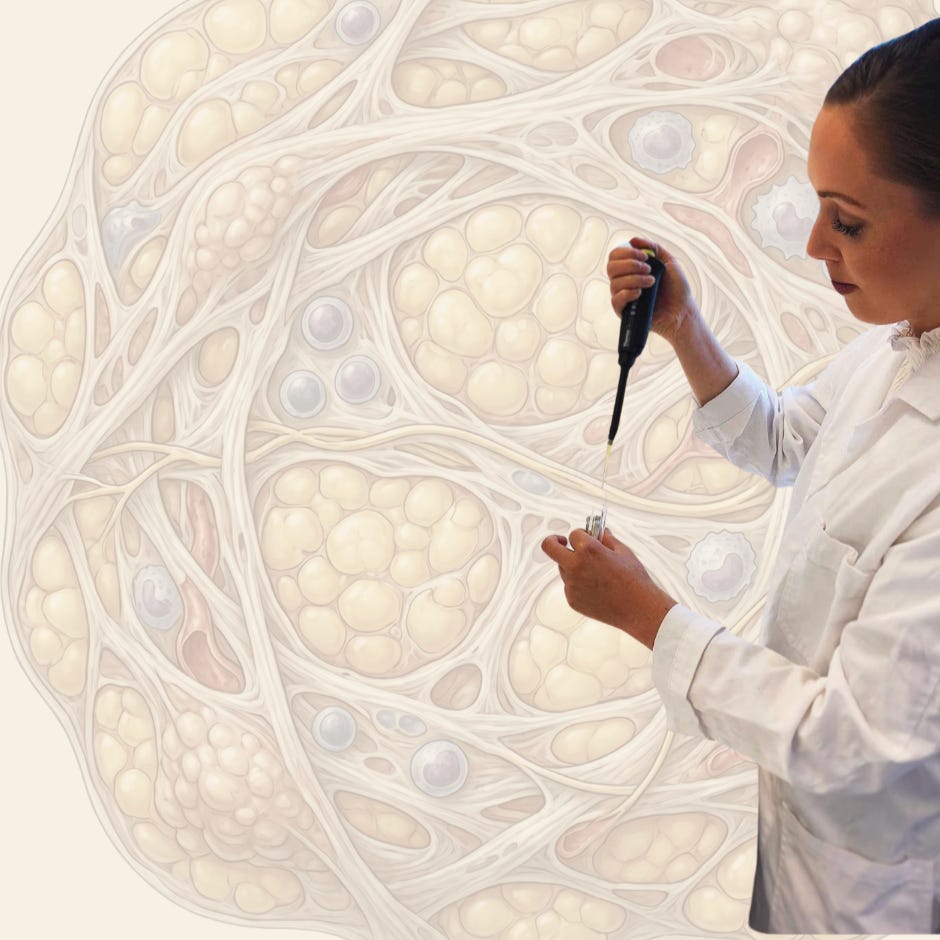
We do not yet have strong science showing exactly how intermittent fasting affects lipedema tissue specifically. And I also think women with lipedema may respond very differently depending on their hormones, stress levels, sleep, inflammation, pain, lymphatic function and general life situation. Lipedema fat does not behave like ordinary fat tissue. It is often resistant to diet and exercise, and it is connected to inflammation, fluid retention, pain, connective tissue changes and hormonal factors. So I do not fast because I believe it will “melt away” lipedema fat. That is not how I see it.
For me, fasting is more about supporting insulin regulation, digestion, metabolic flexibility and how my body feels overall. But it only works for me when the rest of my life is relatively calm. Right now, I feel like my body is under very little stress. I sleep well, I move my body, I lift weights, I run, I eat nutrient dense food, and the stress I expose myself to is mostly controlled stress. Training is stress. Fasting is also stress. But in the right context, and in the right amount, it can be a useful signal to the body.
In periods where I am under a lot of emotional pressure, work stress, poor sleep, travel stress or general life stress, I do not fast this long. Then my body needs something else from me. It needs more regular meals, enough protein, enough healthy fats, stable blood sugar and less pressure. I have learned that fasting should never be separated from the life situation a person is in.
That is why I think fasting with lipedema has to be approached carefully. Shorter and more consistent fasting windows, like 14 or 16 hours, may feel supportive for some people. But extreme fasting, especially when the body is already stressed, can easily backfire. For some women, it may increase cravings, worsen sleep, raise stress hormones, increase fluid retention or make the body feel more inflamed and unsafe.
So my approach is flexible. Some days I fast longer. Some days I do not fast at all. I am not trying to live inside a rigid system. I am trying to understand what my body can handle in different seasons of life.
And that is really the core of my 80 percent. It is not about perfection. It is not about restriction. It is about creating structure that supports my body, while still respecting the fact that my body is not the same every day.
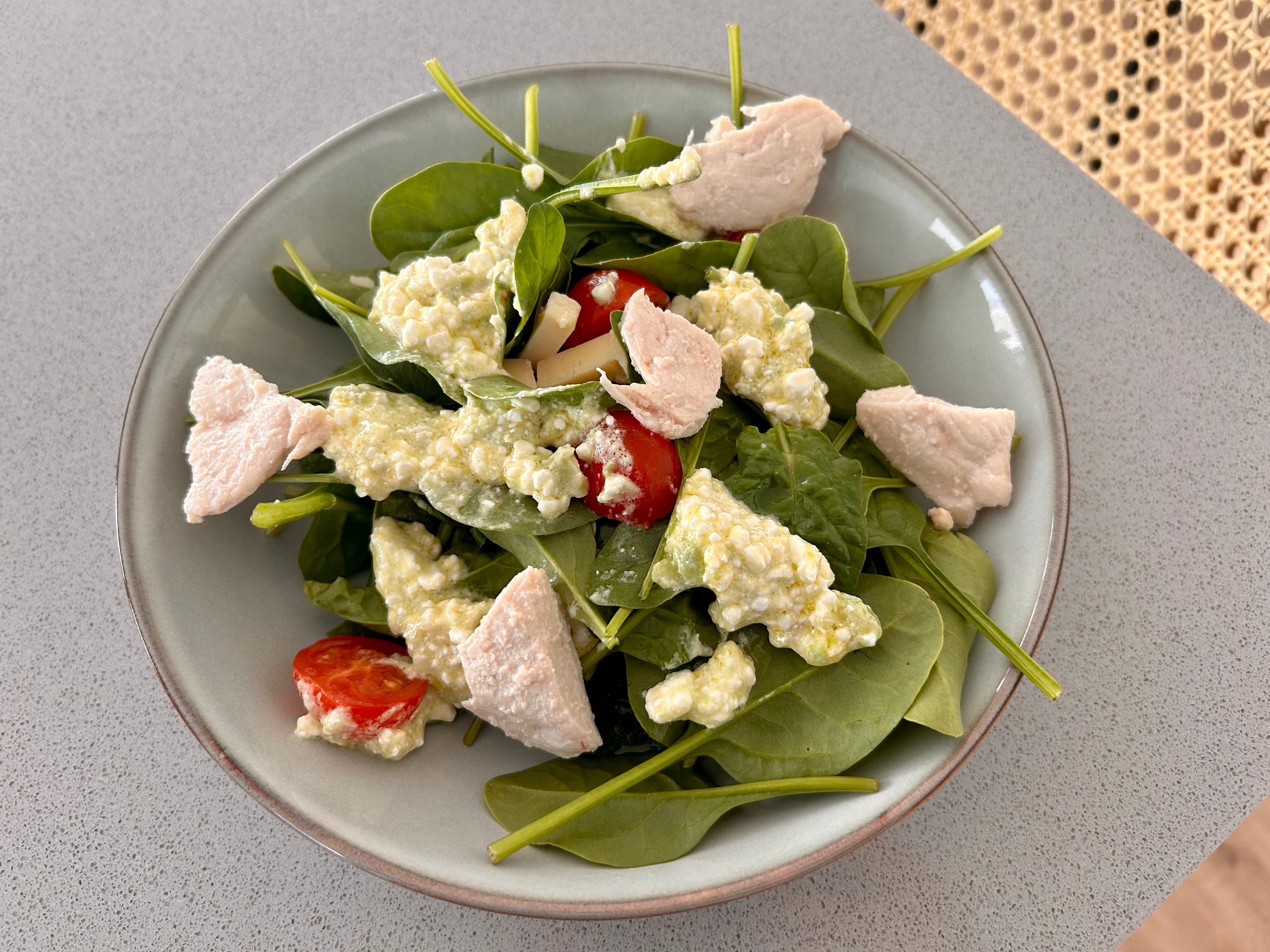
This is just the beginning of me showing more of my 80 percent
The day before, when we arrived at the house here in Portugal, our Airbnb host had left us a fruit basket. And honestly, it made us so happy. There is something very sweet about arriving in a new place and being welcomed with fresh fruit on the kitchen table.
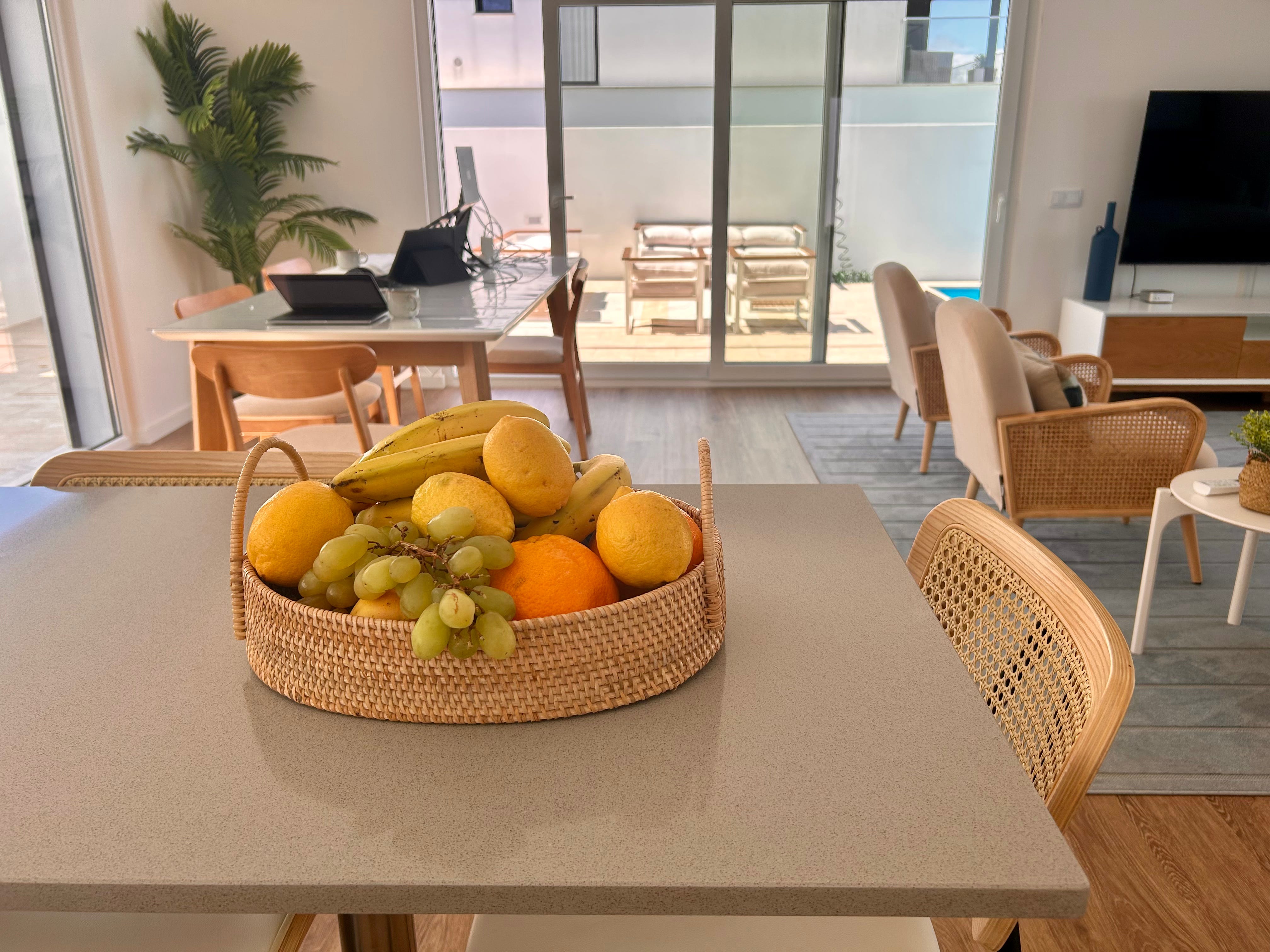
I usually do not eat grapes as part of my 80 percent, because they contain more sugar than apples and oranges. Apples and oranges are generally better daily choices for me because they give more fullness for the amount of sugar and calories they contain.
Grapes consist of roughly 15 percent sugar, while apples and oranges are usually closer to 7 to 10 percent. That means you can eat a larger volume of apple or orange for the same amount of sugar found in a smaller portion of grapes.
And this matters, at least for me. Grapes are small, sweet and very easy to overeat. You can suddenly eat a whole bunch without really noticing it, and it can become a quick intake of fast carbohydrates without making you feel especially full.
Apples and oranges are different. They contain more water and fiber, they take longer to eat, and they give a stronger sense of fullness. Oranges also provide a lot of vitamin C, which supports the immune system and collagen production, while apples contain pectin fiber and antioxidants that support digestion and cholesterol balance.
But still, I ate the grapes.
Because this is also part of my 80 percent. It is not about being perfect. It is about having a structure that supports my body most of the time, while still being able to enjoy a beautiful fruit basket from a kind Airbnb host in Portugal.
For lunch yesterday, I kept it very simple.
I had plain scrambled eggs with spinach and extra virgin olive oil, and then a bowl of natural Greek yoghurt with chia seeds, flax seeds, Brazil nuts, walnuts, apple, orange and a few grapes from the fruit basket we got when we arrived.
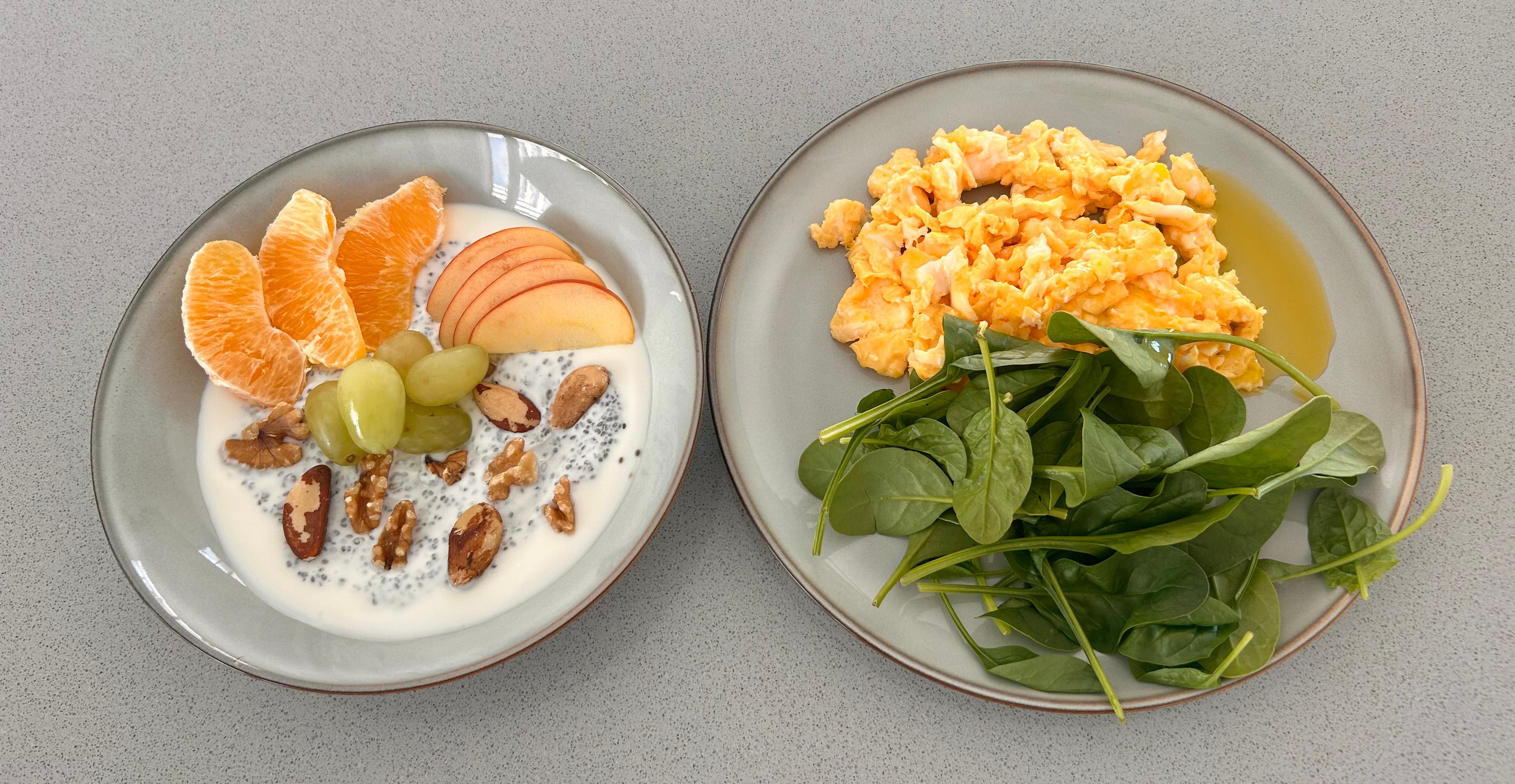
Brazil nuts and walnuts are two small ingredients that bring a lot of nutritional value. Brazil nuts are especially known for their selenium content, which is important for thyroid function, metabolism and antioxidant protection. Because they are so rich in selenium, I usually think of them as something to eat in small amounts. One or two Brazil nuts a day is more than enough for most people.
Walnuts are different, but equally interesting. They are one of the best plant sources of alpha linolenic acid, also known as ALA, which is a plant based omega 3 fatty acid. Together with their antioxidants and polyphenols, walnuts can support heart health, brain health and help lower inflammation in the body.
So even though this was a very simple lunch, it was still full of good building blocks. Protein from the eggs and yoghurt, fibre from the chia seeds, flax seeds and fruit, healthy fats from the nuts and olive oil, and colour from the spinach, apple, orange and grapes.
A very typical 80 percent meal for me. Simple, anti inflammatory, colourful and easy to make in a temporary kitchen in Portugal.


Autophagy, the lymphatic self cleaning process, 2016 Nobel Prize in Medicine. Fasting related.