A controlled start in a different environment
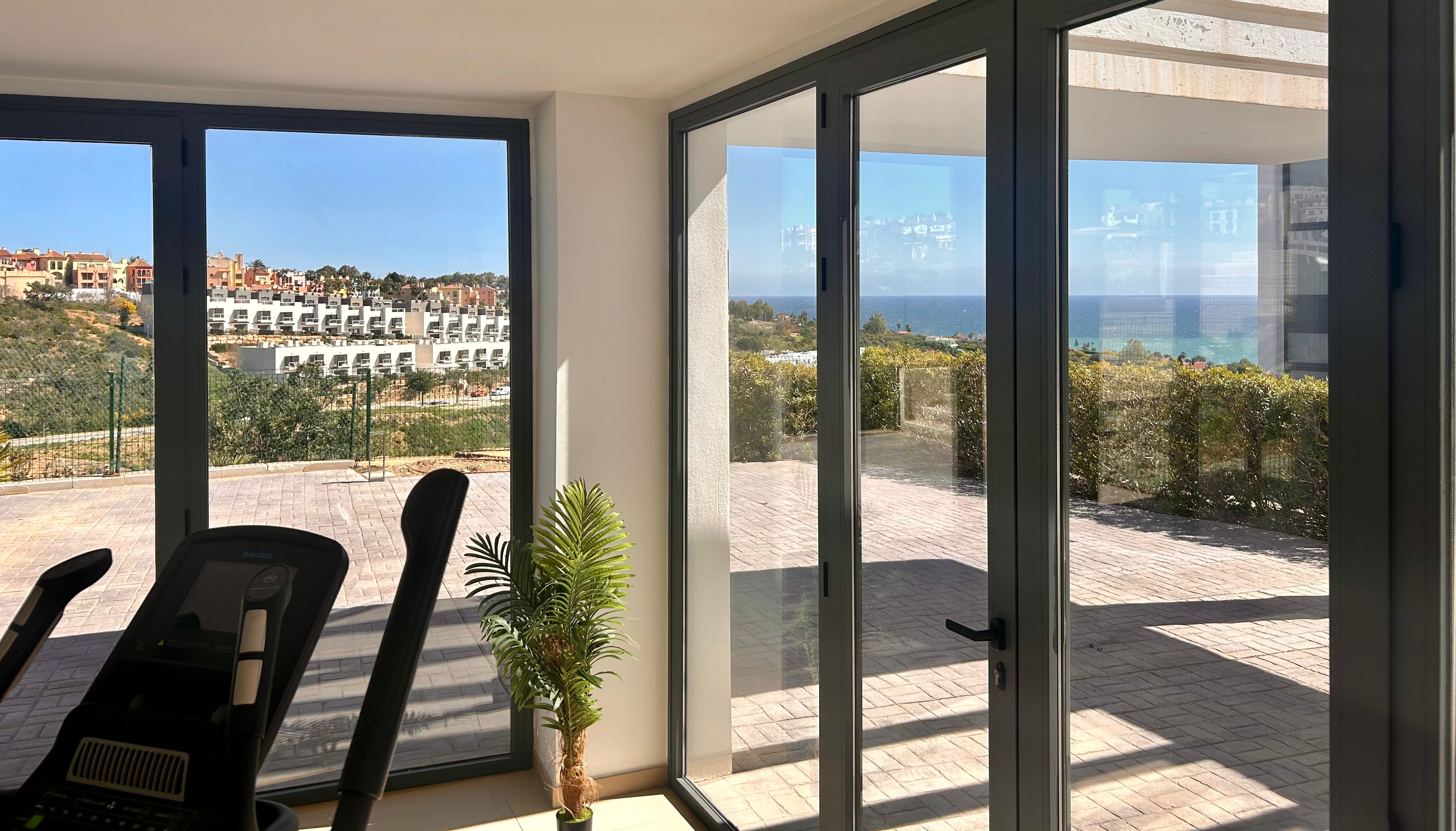
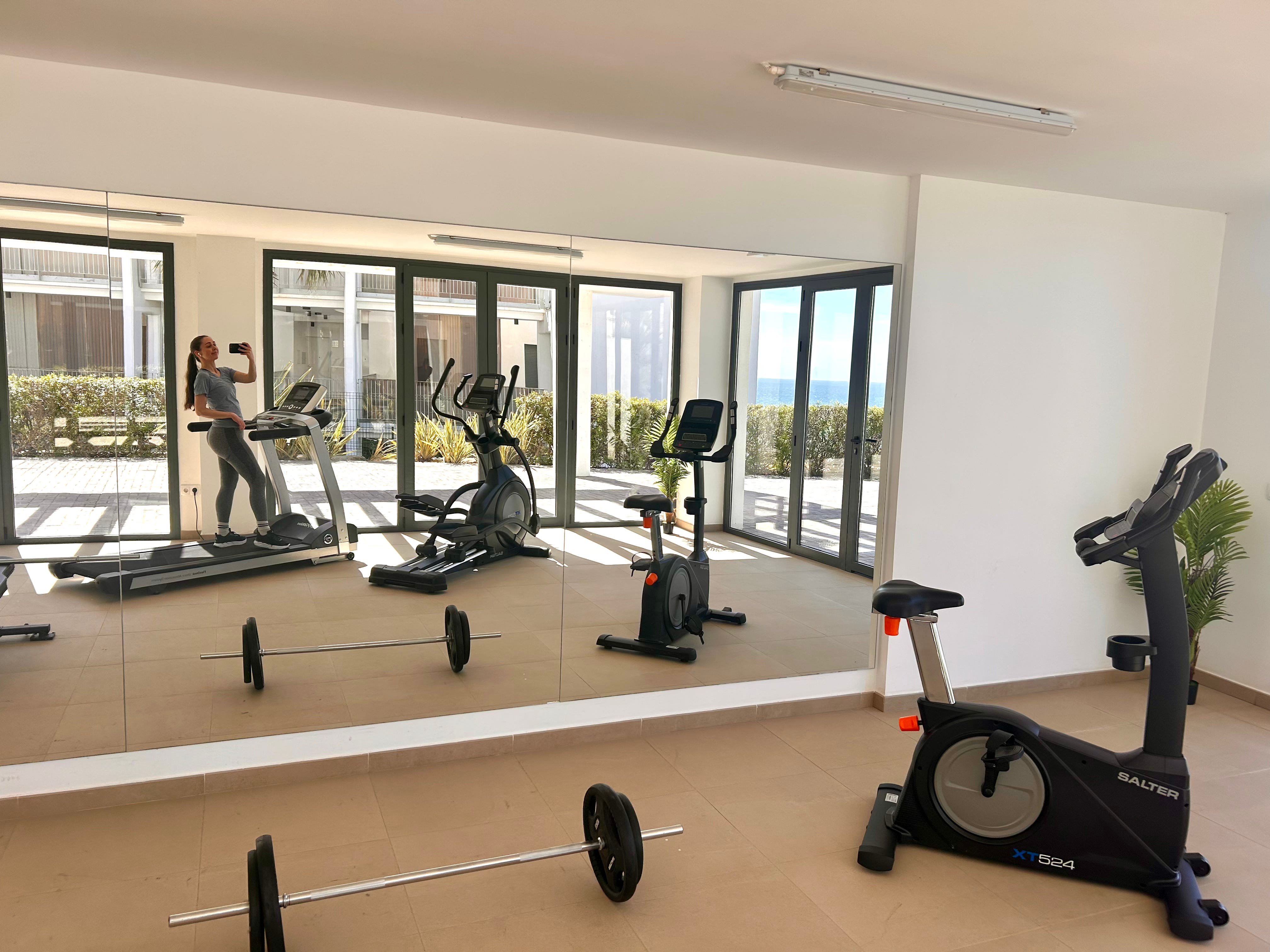
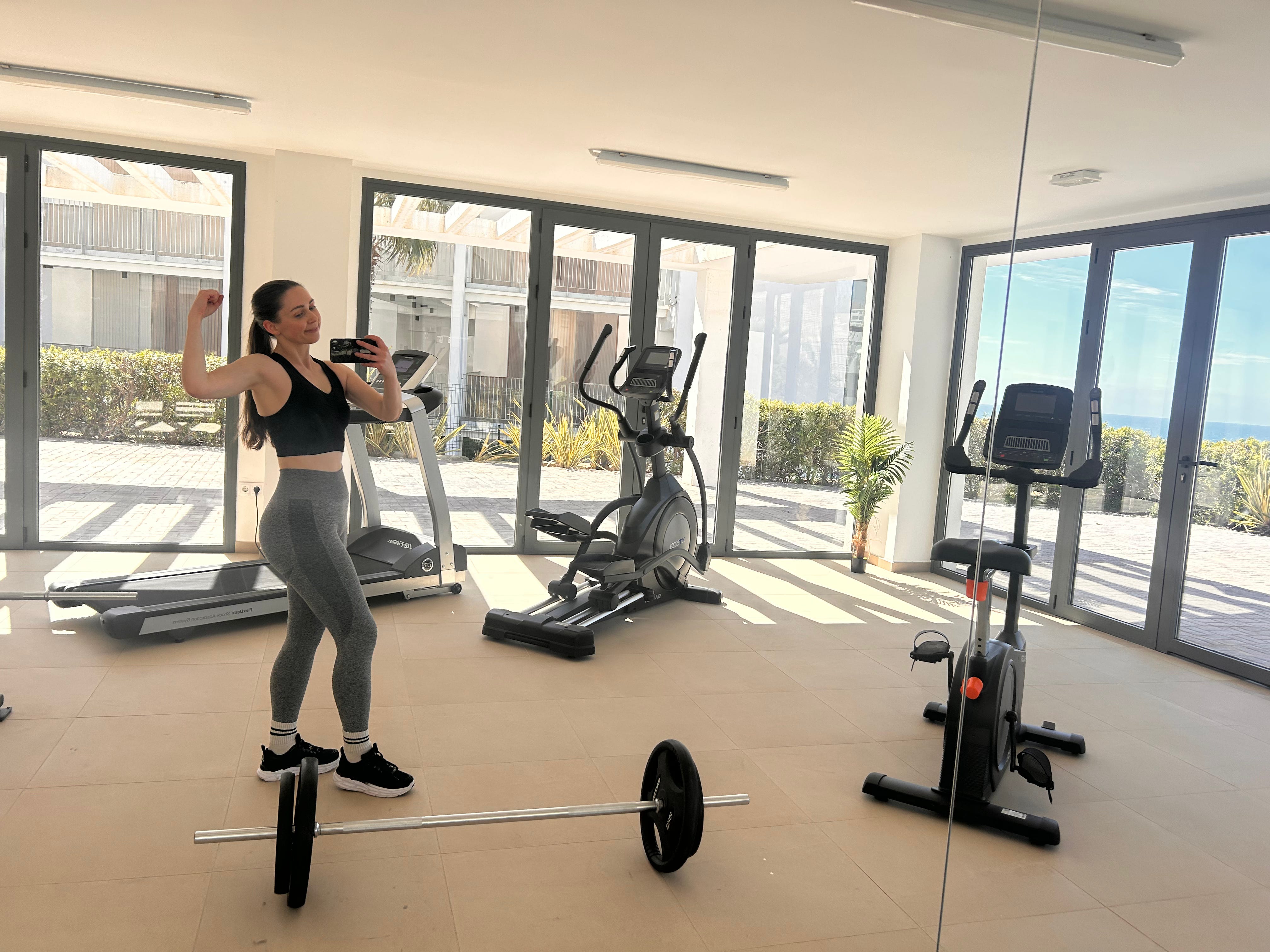
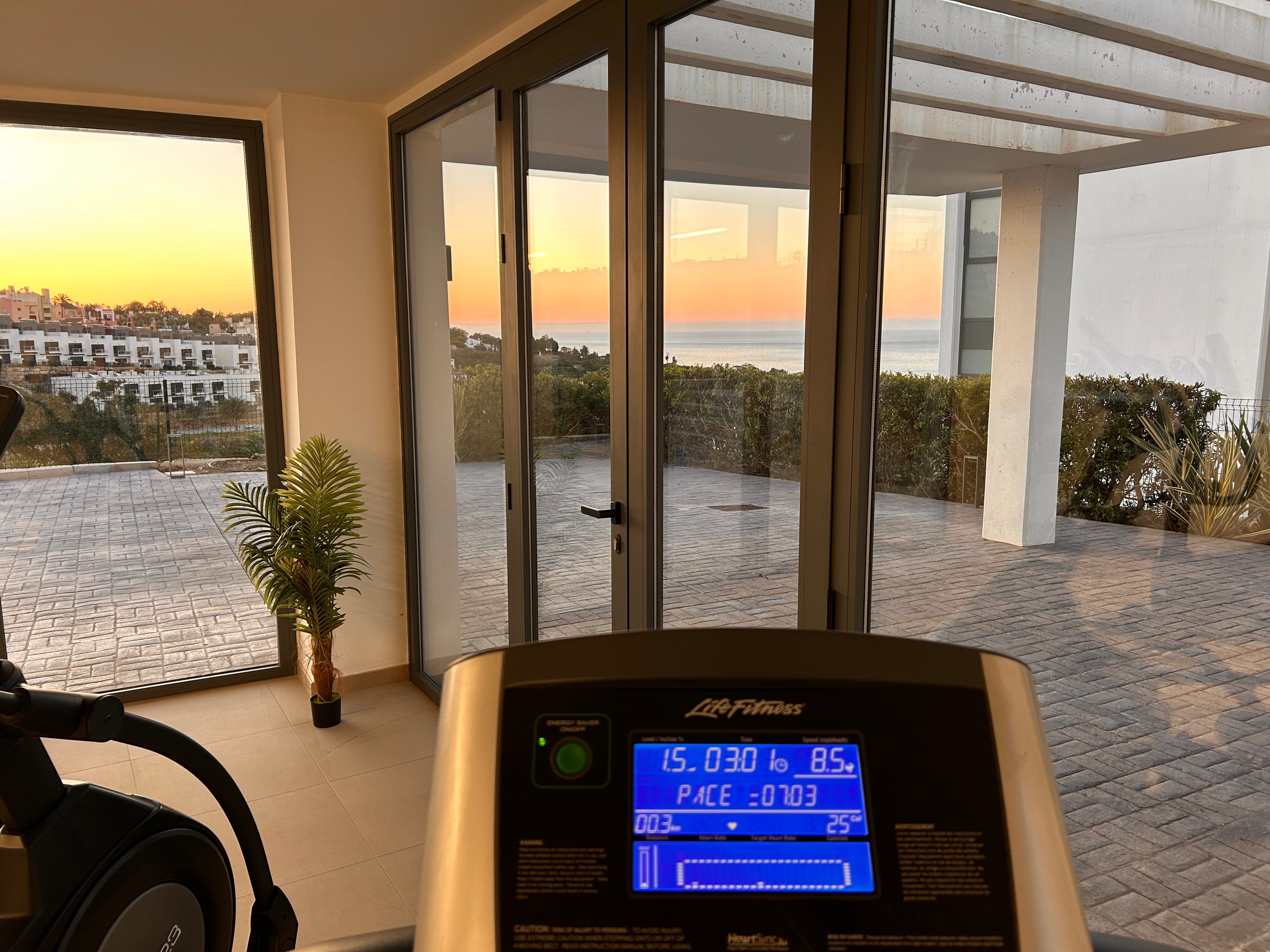
I originally planned to do OMAD for 30 days, starting the day after arriving in the south of Spain, just outside Marbella. We had rented a calm and beautiful apartment where daily life felt structured and intentional. My boyfriend and I worked, trained, ate well, and took care of ourselves in a way that felt almost ideal. After several overwhelming months, I think I needed something strict to regain a sense of control, and OMAD offered exactly that. It simplified decisions and created a clear framework. However, what became evident over time is that something can feel effective without being necessary to continue, and that distinction became central to how this experiment unfolded.
How food quality and environment changed everything
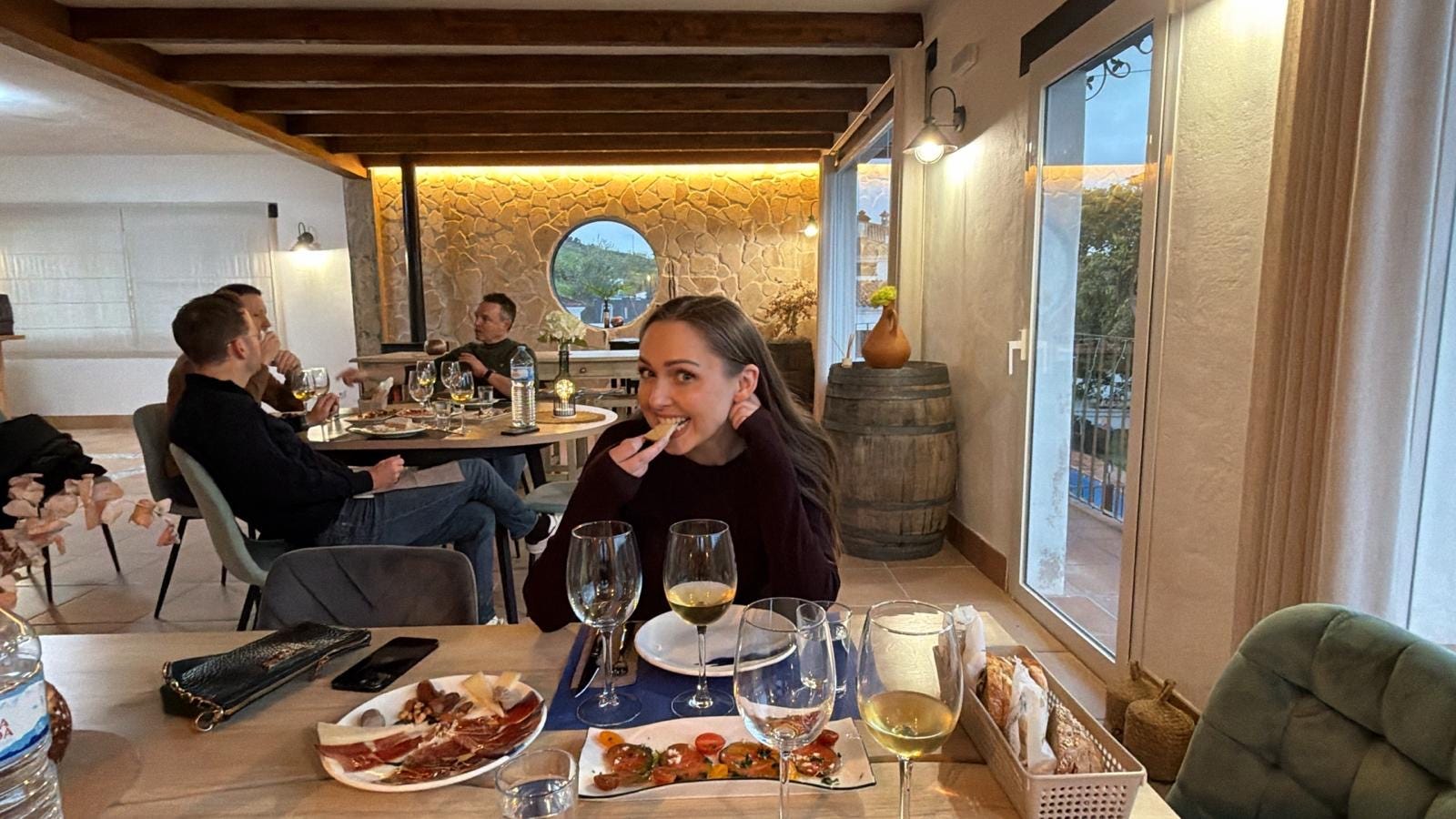
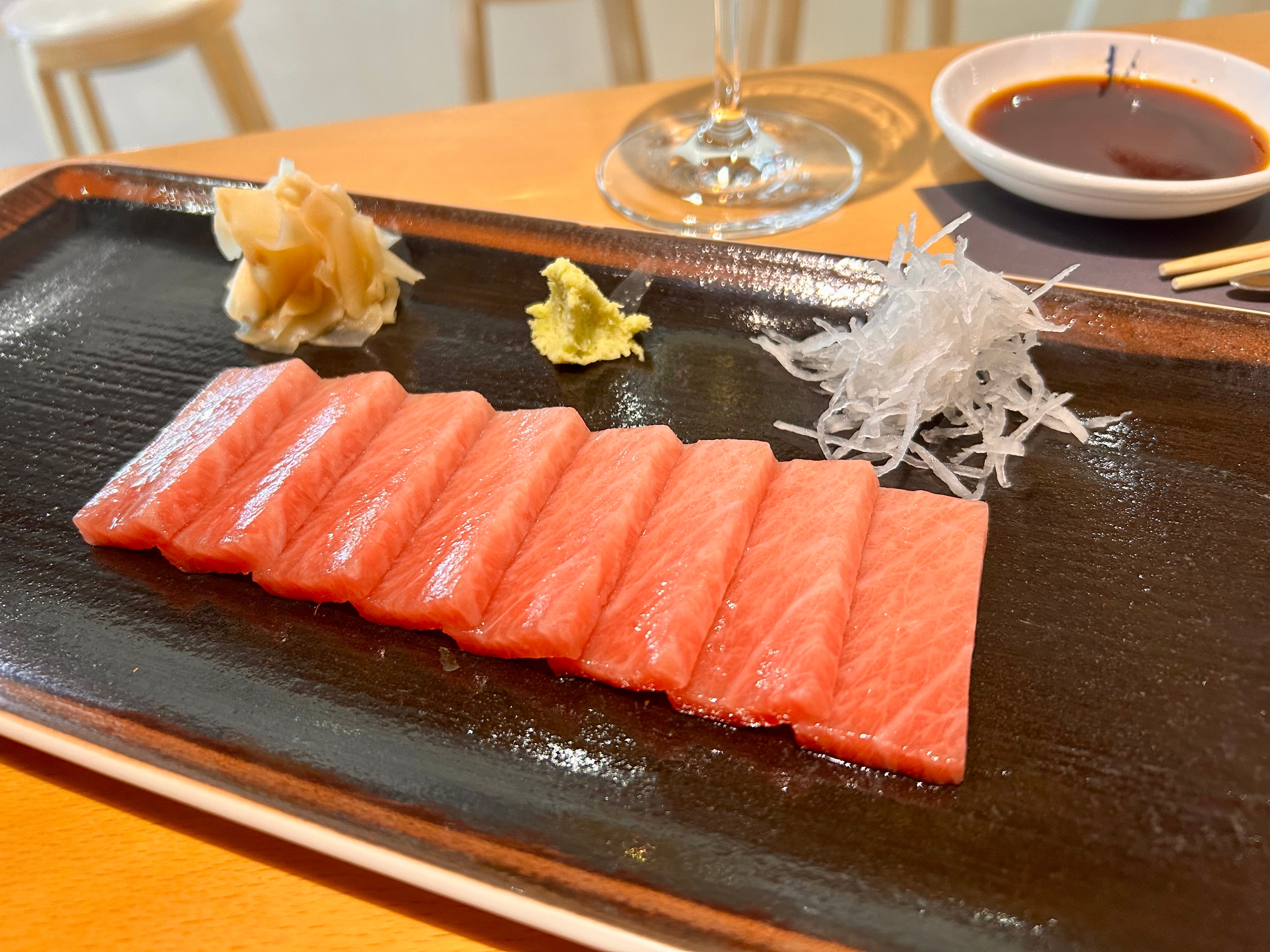
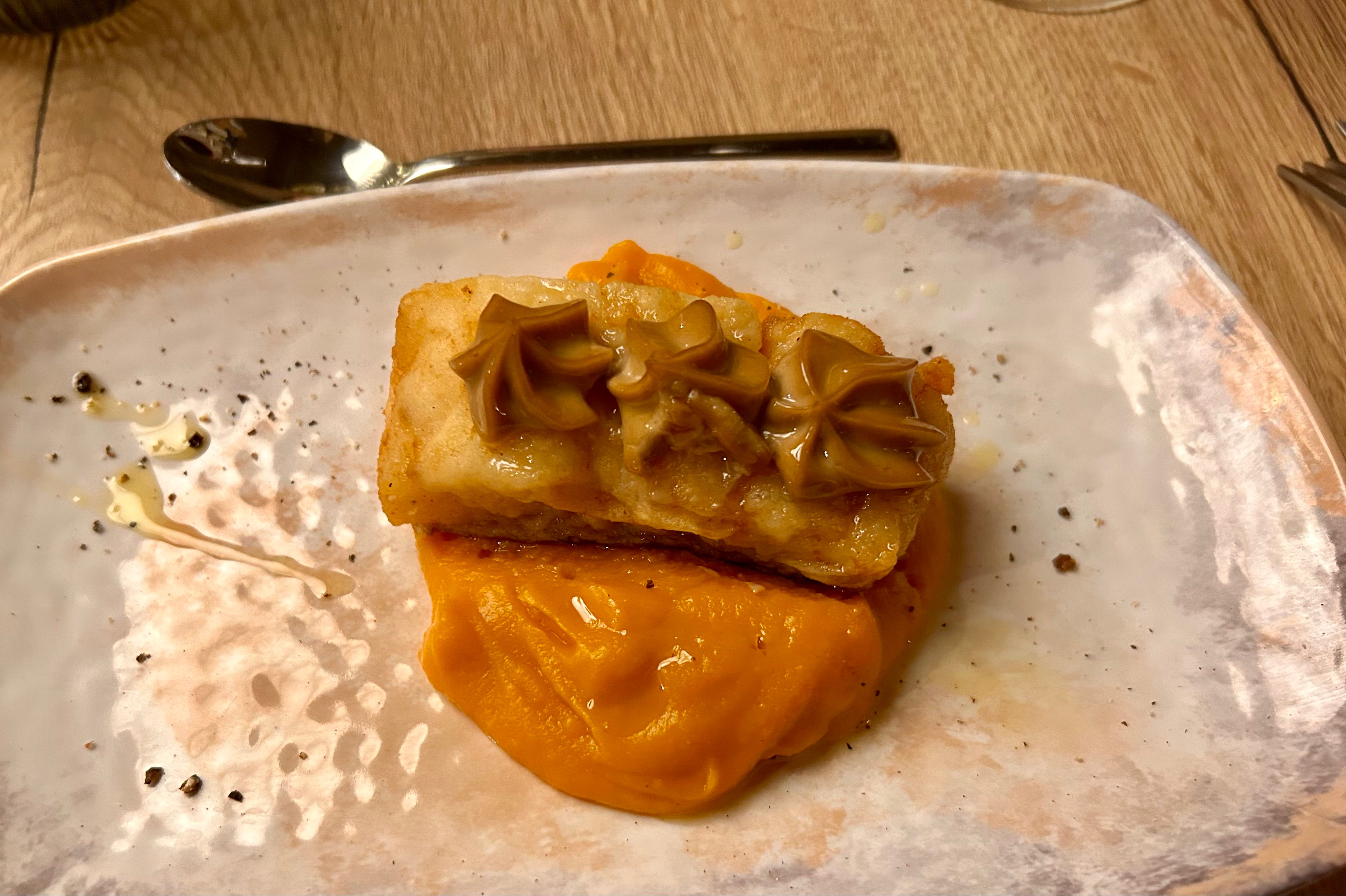
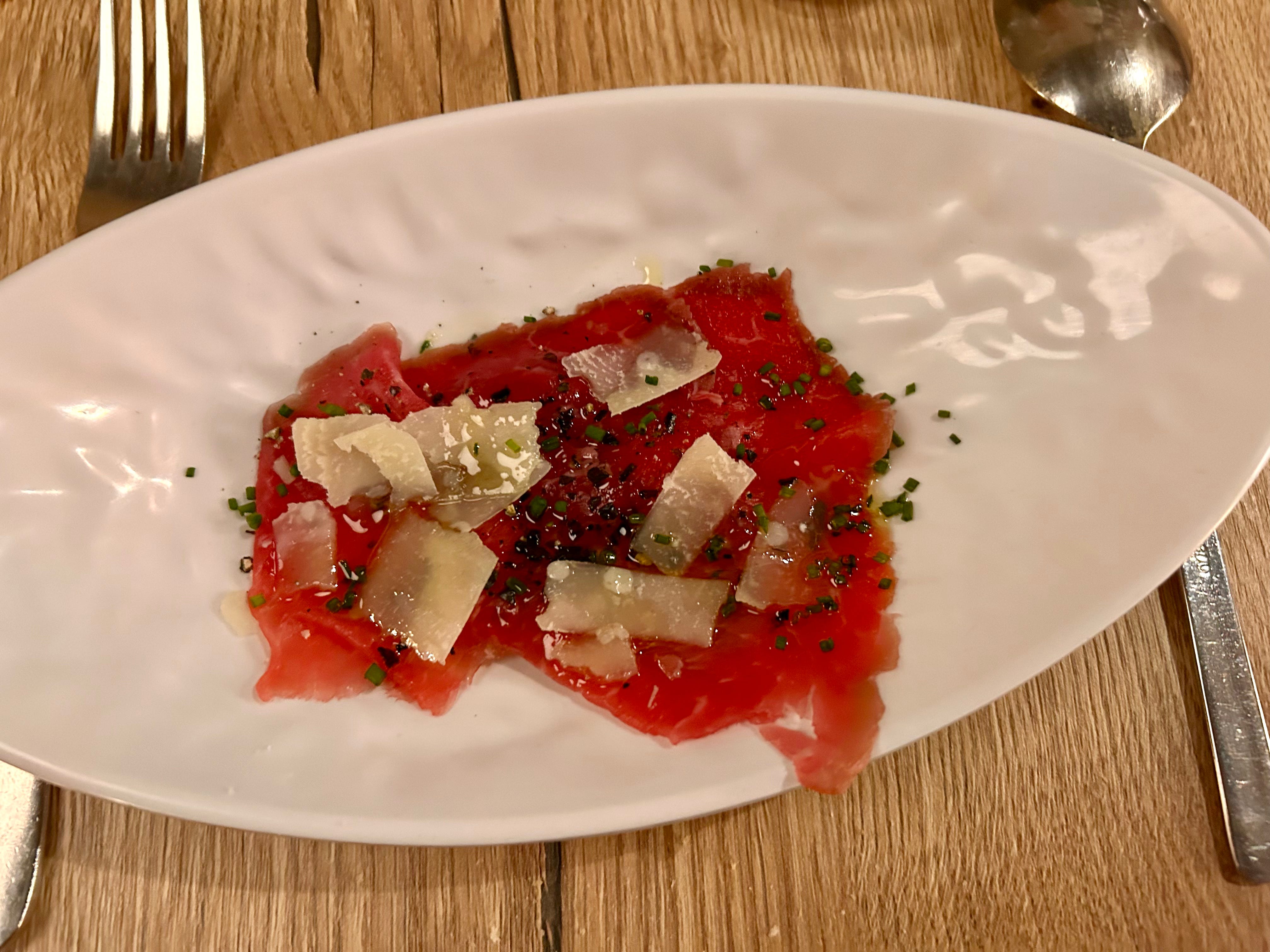
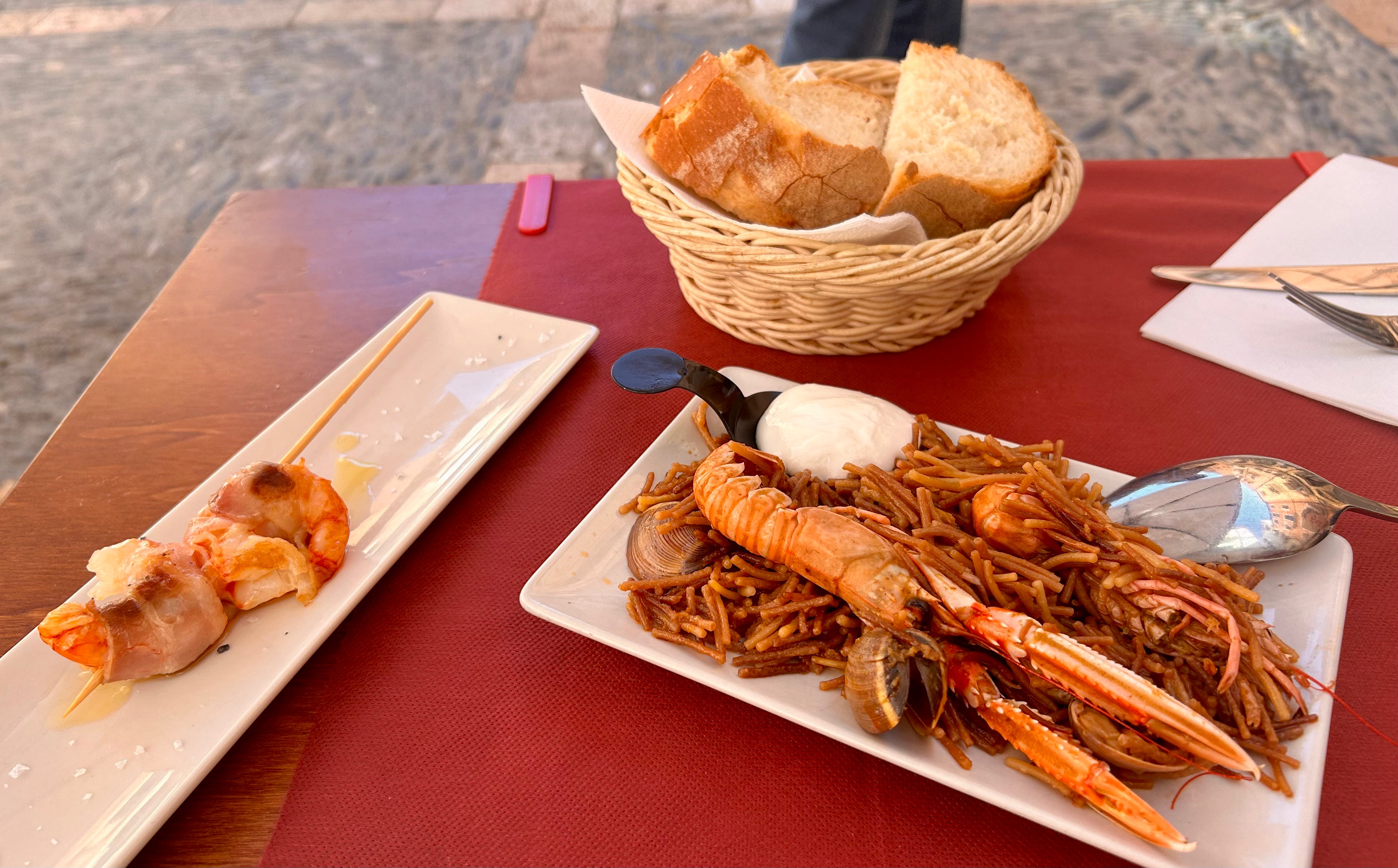
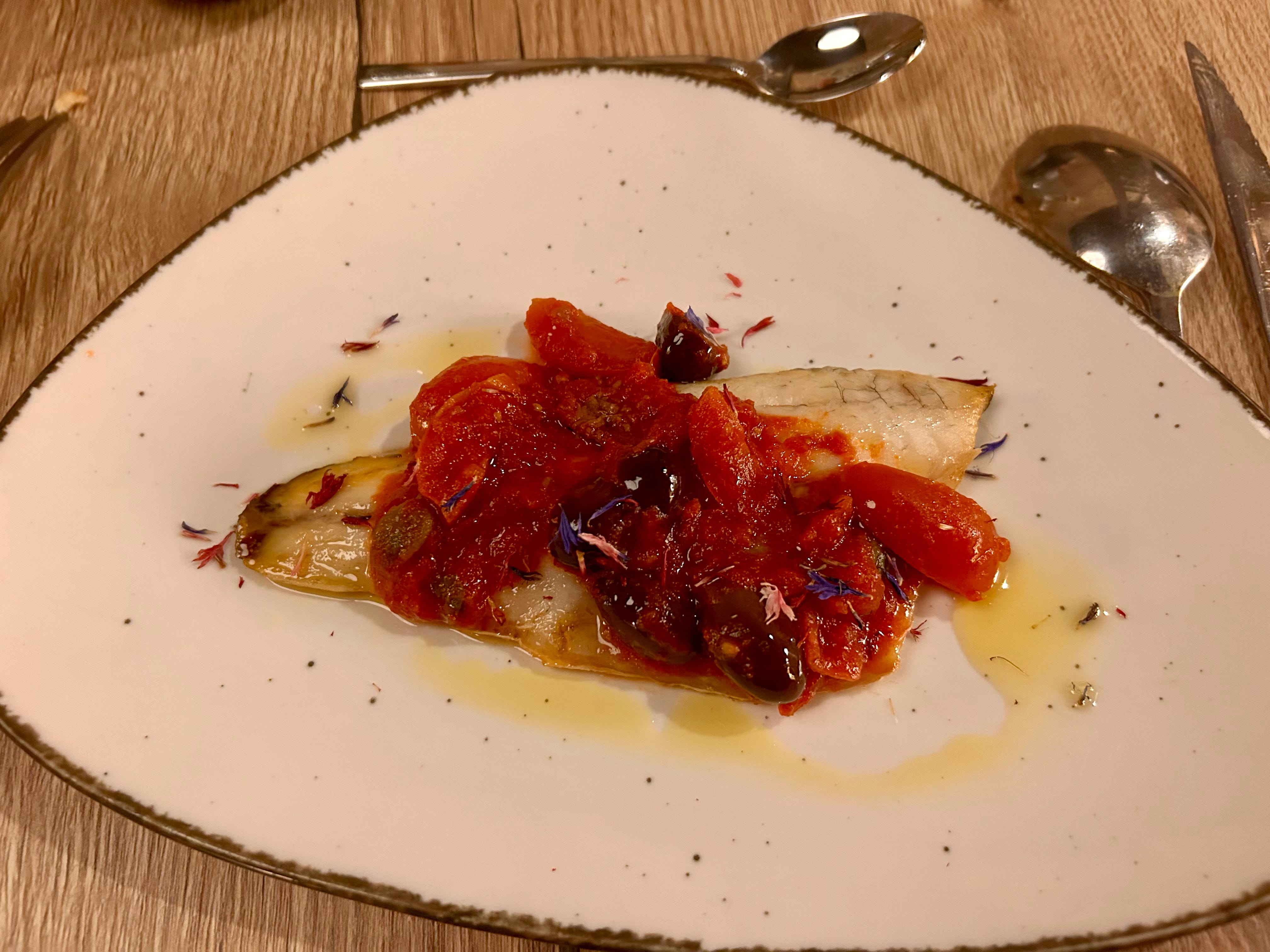
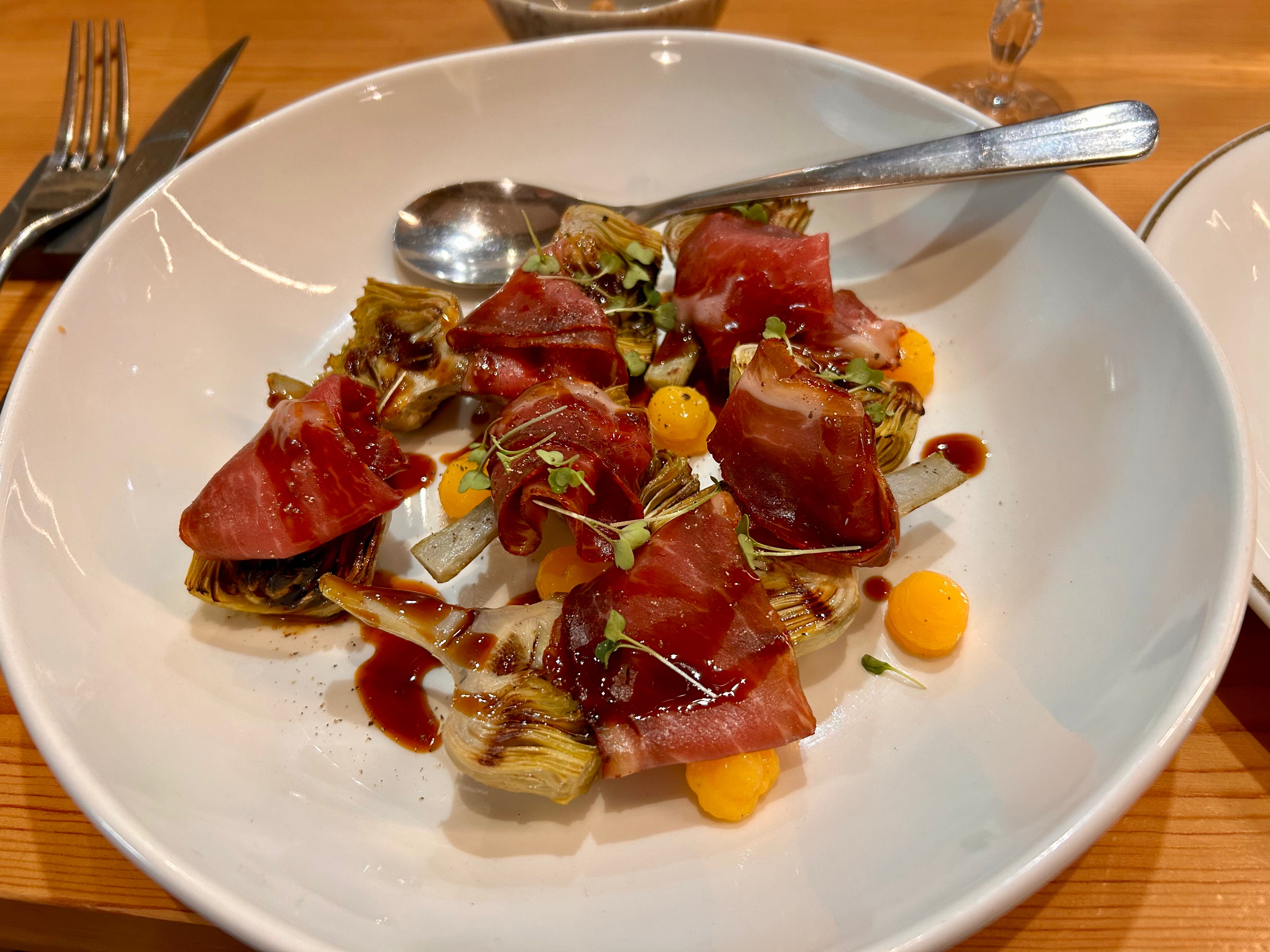
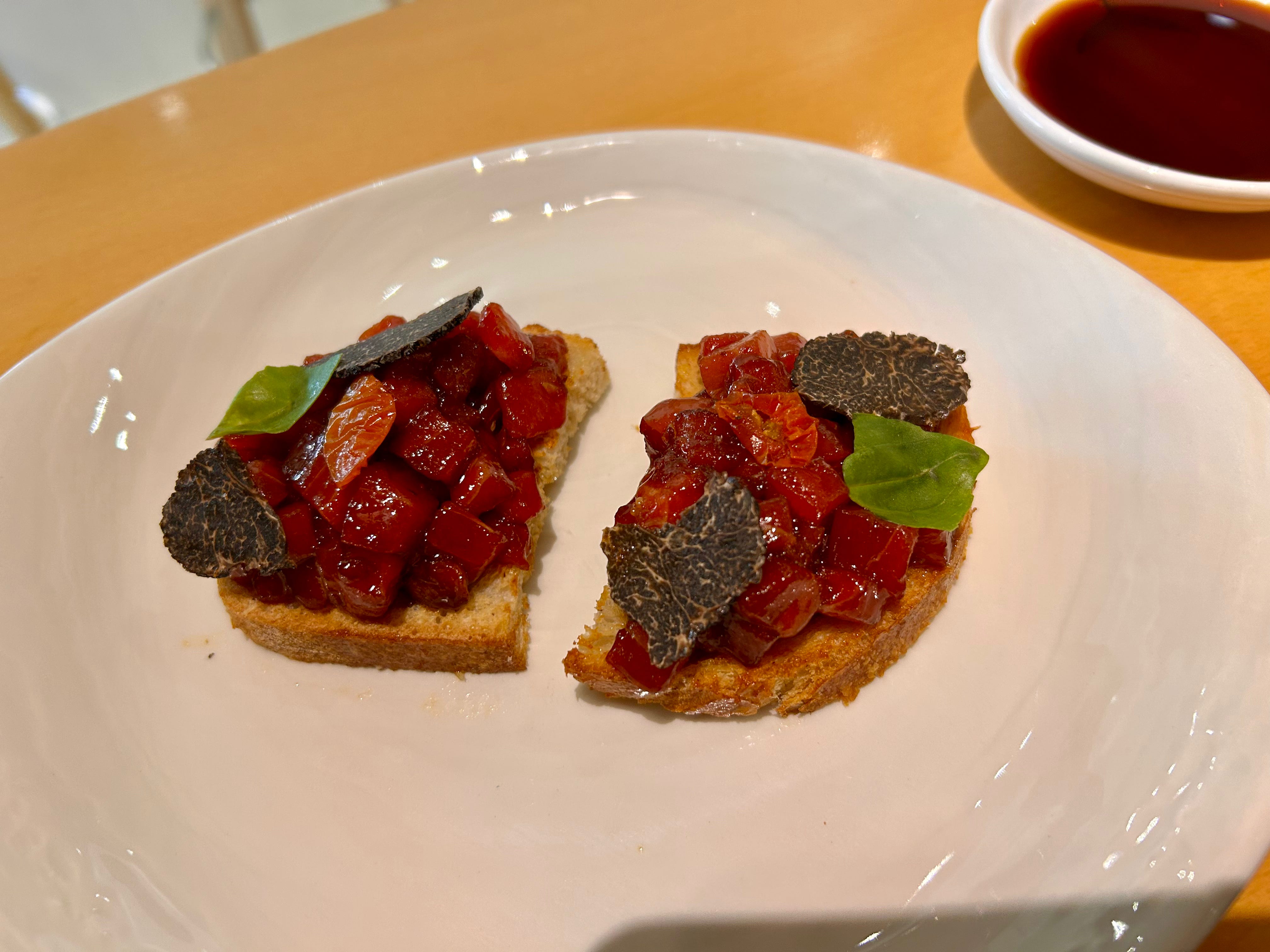
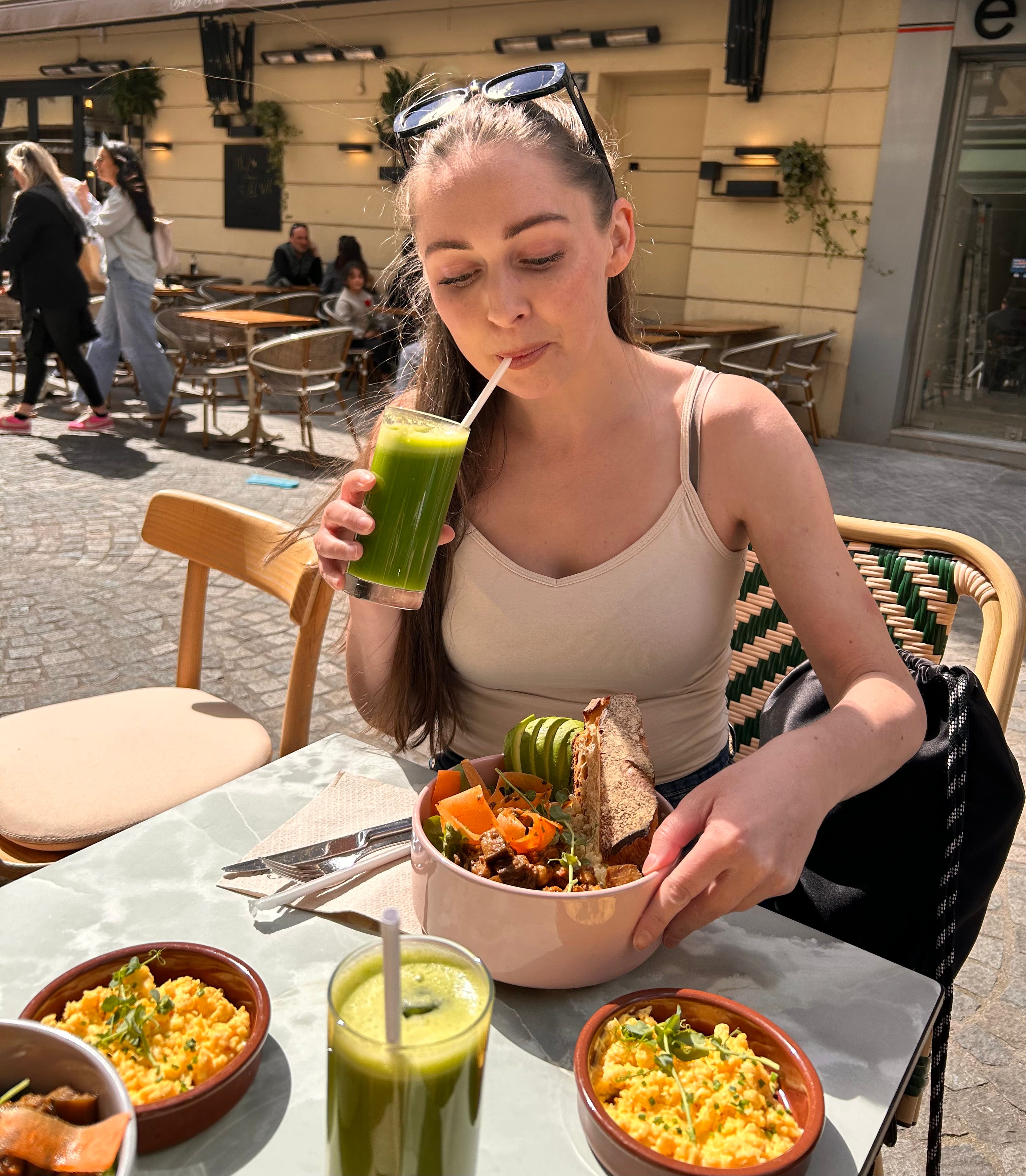
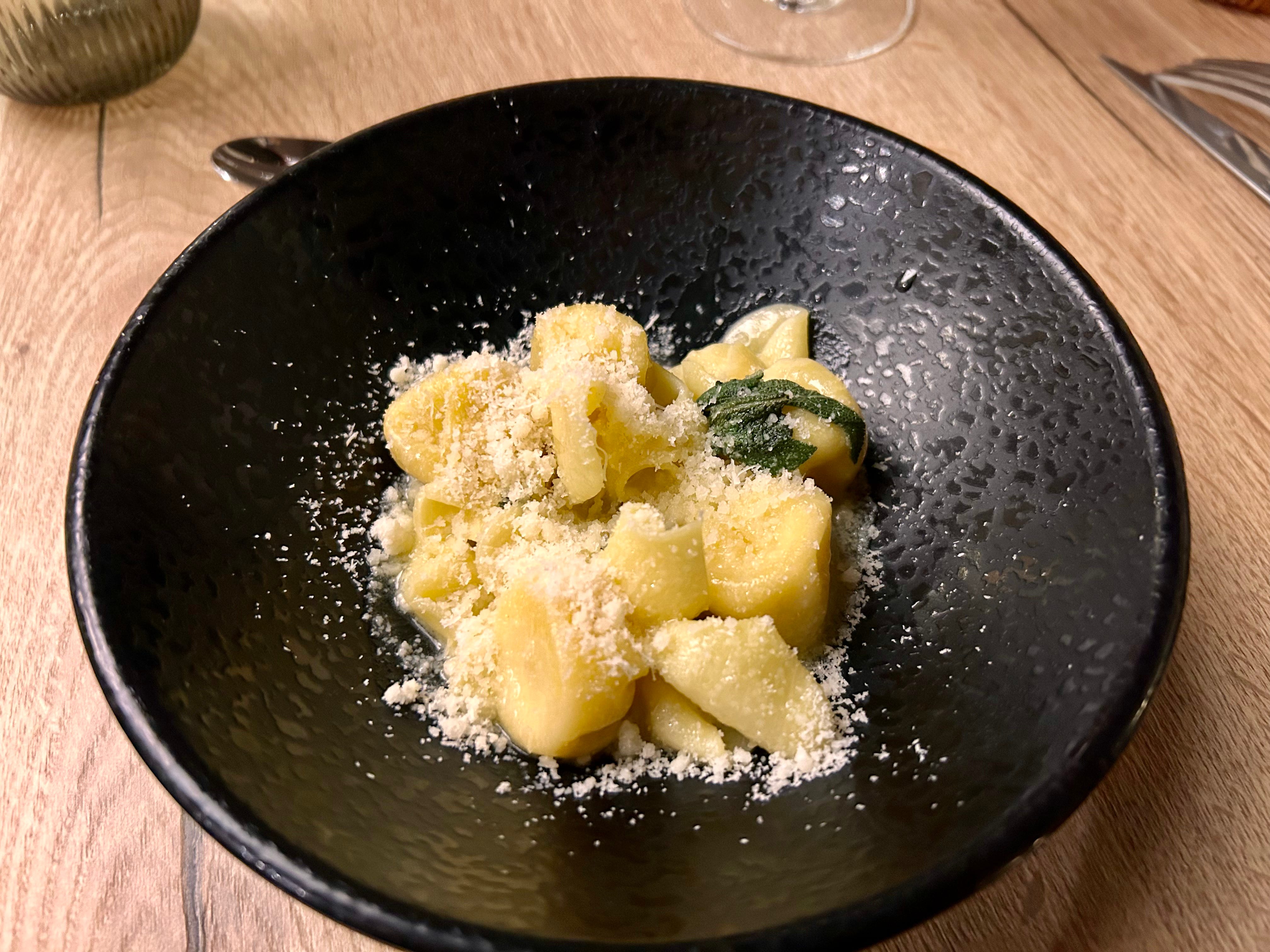
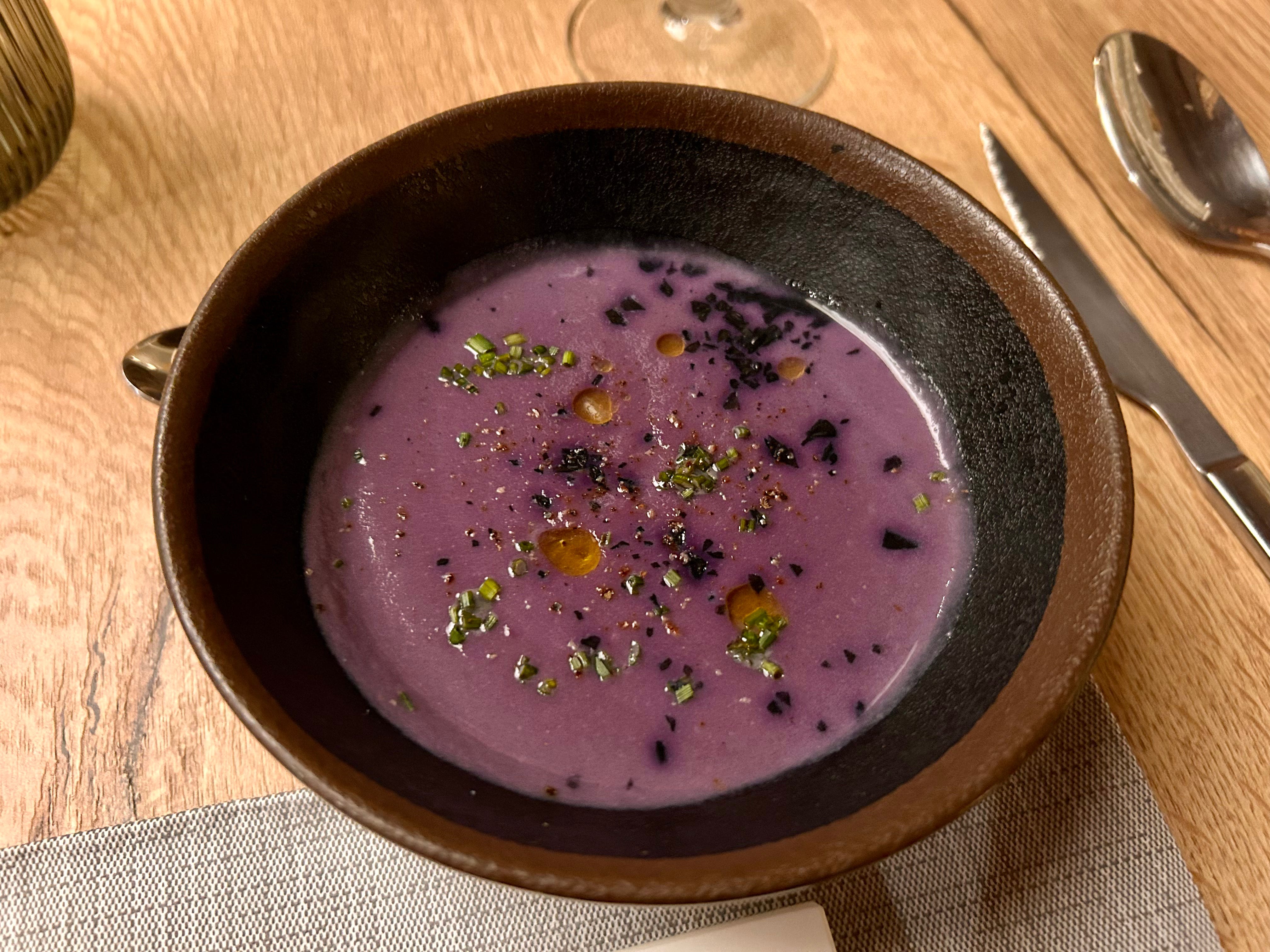
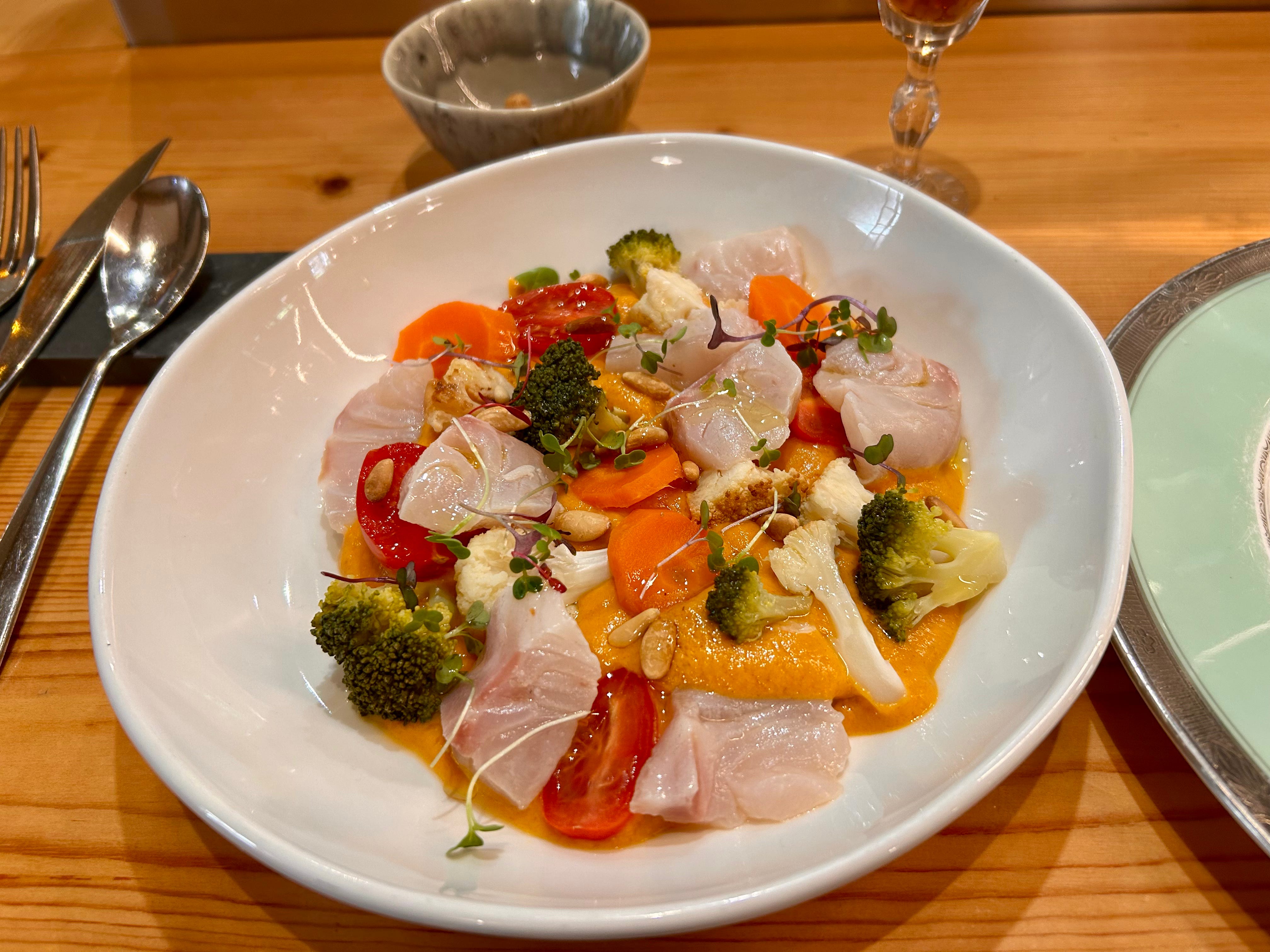
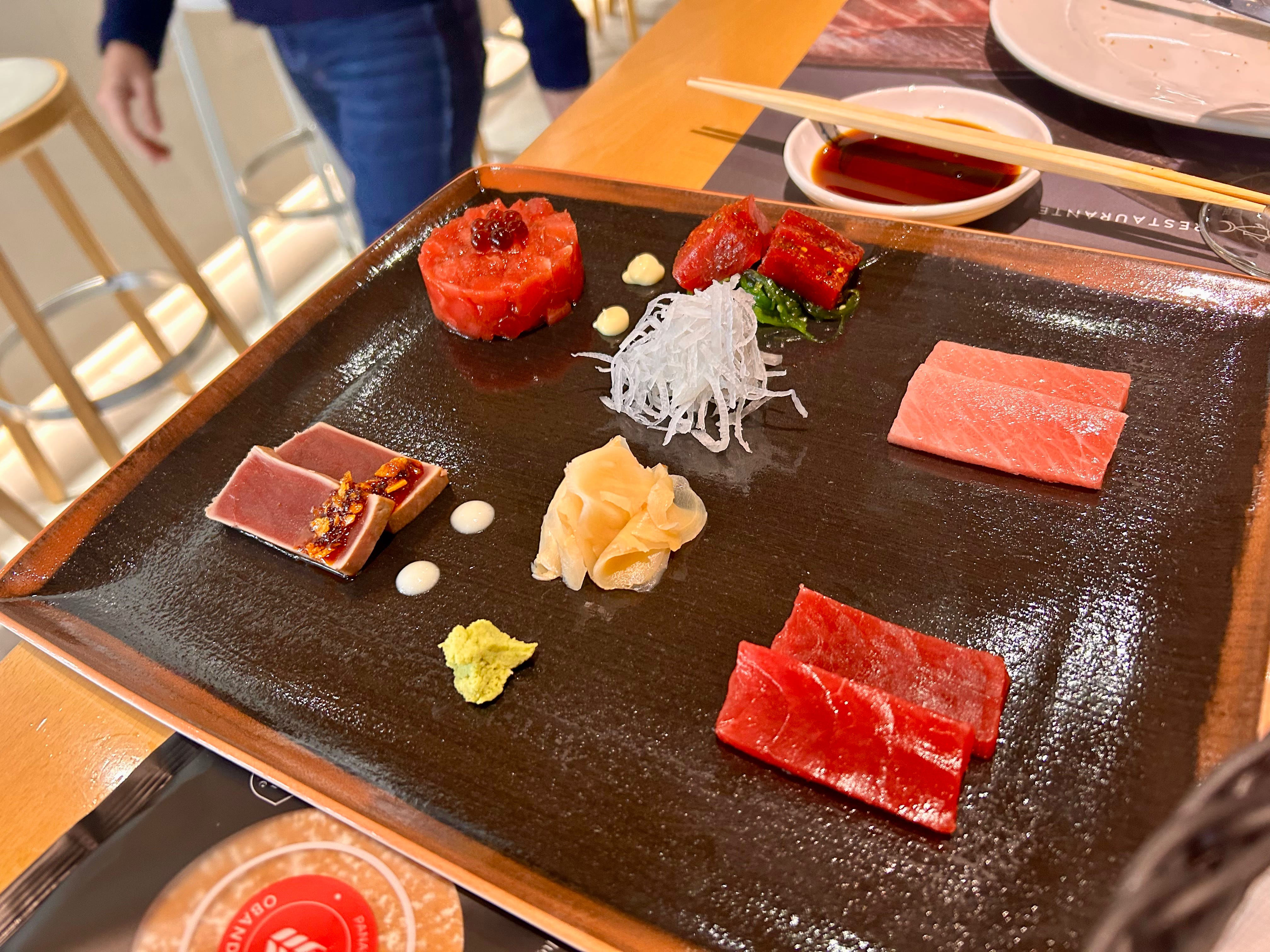
One of the most important realizations during this period had less to do with fasting itself and more to do with being in a completely different food environment. Spanish food quality is remarkably high, and that changed my entire experience of eating. Foods I associated with low effort or student life, like canned tuna in olive oil, suddenly became something I genuinely enjoyed and chose daily because of the quality. Vegetables had depth of flavor, meat felt fresh, and even dark chocolate at 85 or 99 percent felt like part of a nourishing routine rather than a restriction. This matters, especially when speaking to a global audience. I have readers from more than 40 countries, and what is available, affordable, and culturally normal varies dramatically. That makes generalized dietary advice, especially in lipedema, far more complex than people often acknowledge.
Hunger as a physical rhythm, not a mental battle
During the OMAD period, one of the most striking observations was that hunger remained almost entirely physical. It did not turn into an emotional struggle or mental obsession, which I think is an important distinction. Instead, hunger appeared in predictable waves at similar times each day, particularly around midday and early afternoon. This aligns with known physiological mechanisms, where ghrelin rises in anticipation of expected meals, and leptin regulates longer-term energy signaling. What I experienced was not a disappearance of hunger, but a reshaping of its rhythm. This taught me that hunger itself is not inherently problematic. It is a biological signal. However, the ability to tolerate a signal does not necessarily mean that ignoring it long-term is beneficial for the body.
The underlying physiology is not neutral
Although OMAD can appear simple from a behavioral standpoint, the underlying biology is more complex. Eating once per day lowers insulin, which can support fat metabolism in certain contexts, but the body compensates in other ways. Cortisol increases to maintain blood glucose and mobilize energy, electrolyte balance shifts due to increased sodium excretion, and overall energy availability across the day is reduced. These are not inherently harmful processes in the short term, but they do represent a physiological stress response. This becomes particularly relevant in women, where the hypothalamic–pituitary–ovarian axis is sensitive to energy availability, and even more so in a body already affected by hormonal shifts, such as after egg retrieval.
Lipedema adds another layer of complexity
When considering OMAD in the context of lipedema, the discussion becomes even more nuanced. There are currently no strong clinical studies specifically investigating OMAD in lipedema, but we do understand several aspects of the condition that are relevant. Lipedema tissue is hormonally sensitive, associated with inflammation, and involves changes in microcirculation and fluid dynamics. Extreme fasting patterns may contribute to electrolyte imbalances, which can affect lymphatic function and potentially worsen swelling. Additionally, compressing all nutrient intake into one meal increases the risk of insufficient nutrient diversity, which is problematic in a condition that benefits from anti-inflammatory, nutrient-dense nutrition. Hormonal stress responses, including elevated cortisol, may also influence pain, fluid retention, and overall symptom burden. This does not mean OMAD is inherently harmful, but it highlights that it is not universally appropriate.
The moment I chose to stop
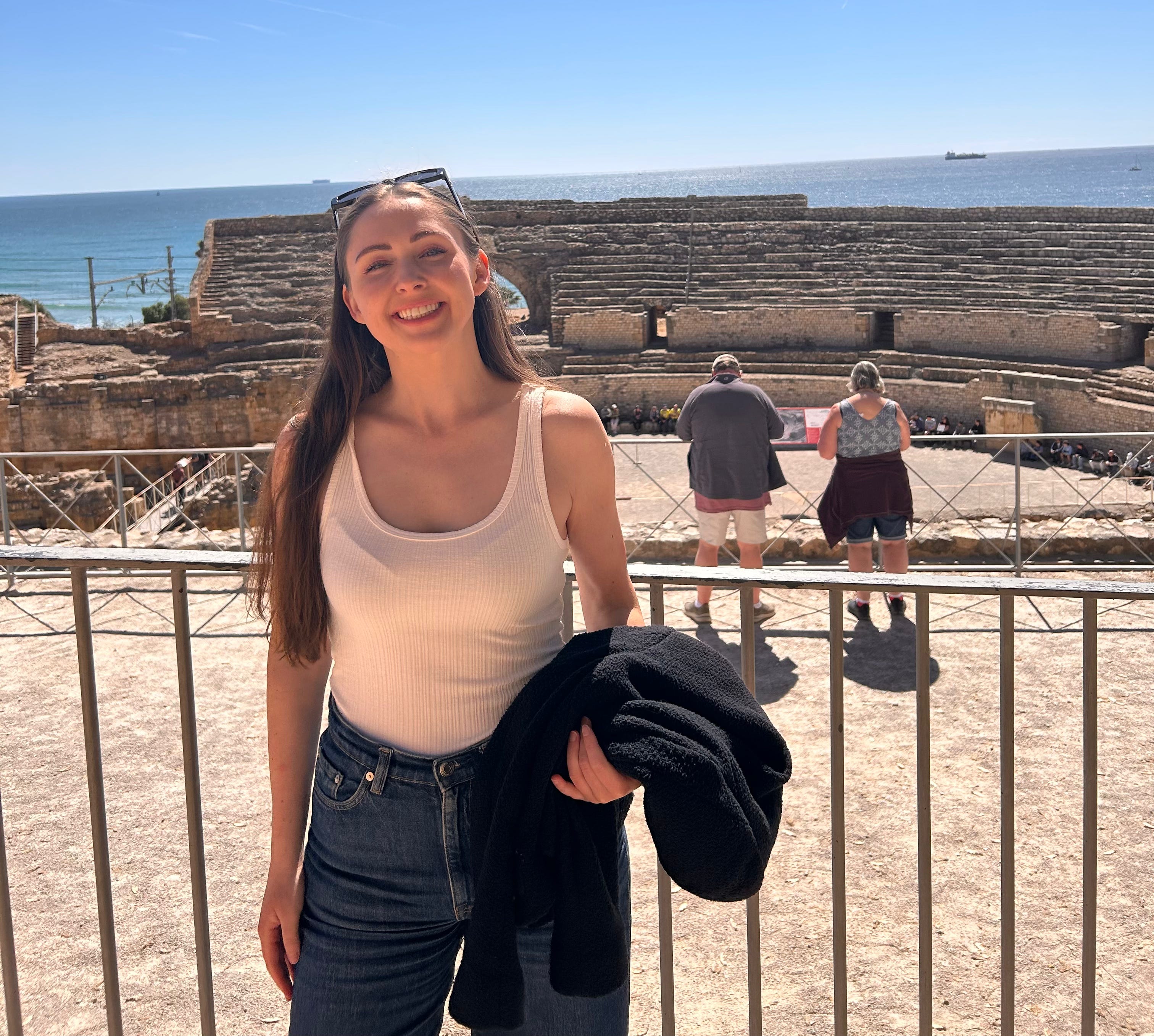
The turning point came on day 17, when we drove for 10 to 12 hours to Tarragona. It was one of those places that immediately shifts your perspective. The city, the atmosphere, the food, and the feeling of being there made something very clear to me. I did not want to continue the diet. Not because I lacked discipline, but because continuing no longer aligned with what I needed or valued. My body had already responded in the way I had hoped, particularly with reduced water retention after egg retrieval, and I felt more comfortable in myself again. At that point, the value of continuing the experiment was outweighed by the value of actually living, experiencing, and enjoying where I was.
When structure starts limiting life
This realization became even stronger when I reflected on smaller moments during the trip. In Ronda, my partner wanted to try a Michelin guide restaurant for lunch, and I declined because of the OMAD structure I had committed to. That moment stayed with me, not because it was dramatic, but because it represented a version of life I do not want. I do not want to say no to meaningful experiences because of rigid food rules. Food is not only fuel; it is culture, connection, and experience. When a dietary structure starts limiting those aspects of life, it is worth questioning whether it still serves its purpose.
Returning to a sustainable way of eating
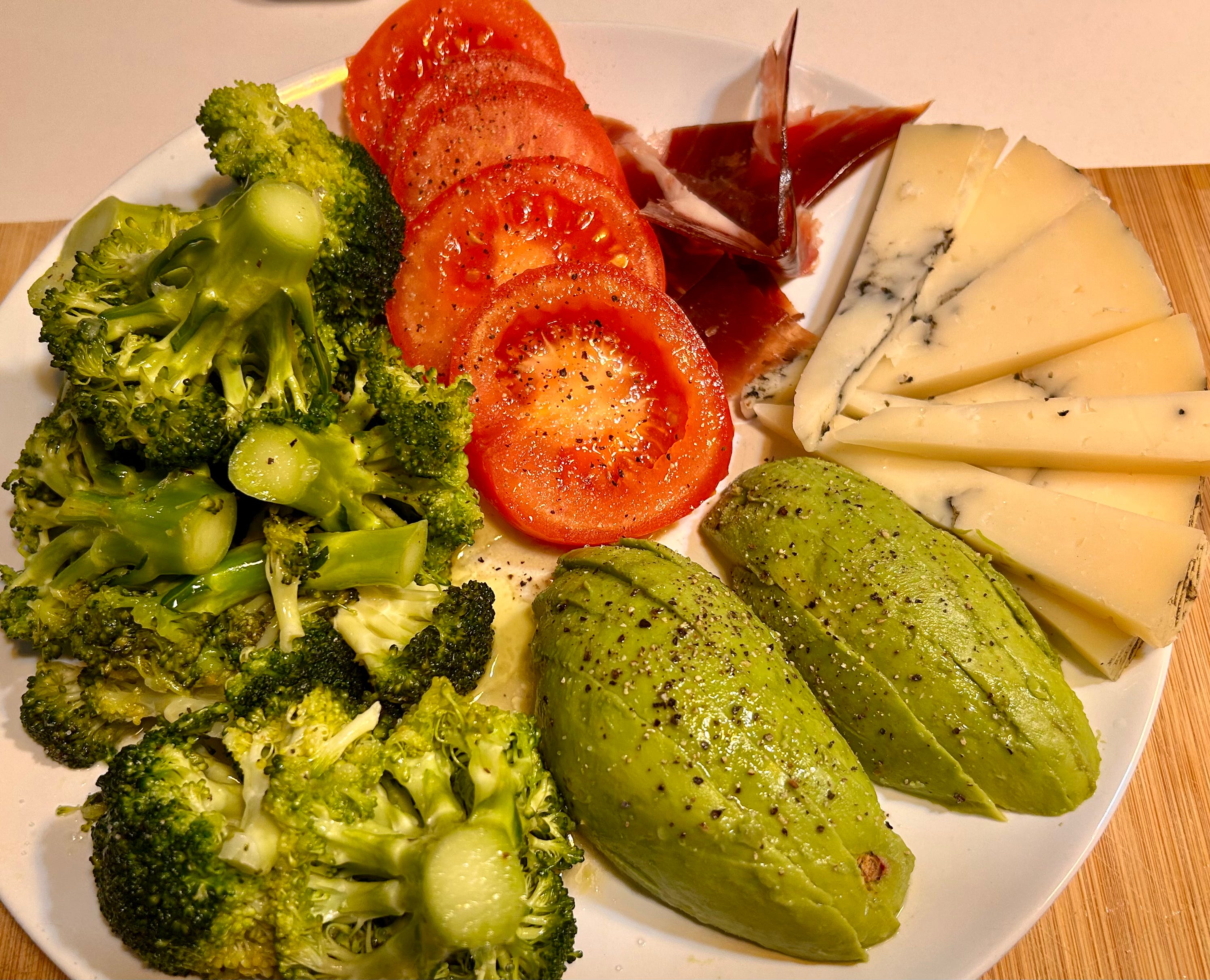
What this experience clarified for me is that I function best within a flexible, anti-inflammatory framework rather than a restrictive diet. I do not thrive on keto, strict low-carb, or extreme fasting patterns. Instead, I feel best when I focus on nutrient density, high-quality ingredients, balanced meals, and thoughtful inclusion of carbohydrates. This way of eating supports both my physical health and my quality of life. I genuinely enjoy food, particularly healthy, well-prepared food, and I see no value in removing that enjoyment in the name of structure. Sustainability matters more than intensity.
The psychological dimension of dieting
Another important aspect that cannot be ignored is the psychological impact of dieting. Restrictive patterns can, for some individuals, contribute to disordered eating behaviors or a more complicated relationship with food. While I do not feel that I am personally at risk of that, it still raises an important question. Why introduce unnecessary rigidity into something that is already functioning well. Just because a strategy can be followed does not mean it should be integrated into daily life. Simplicity, balance, and a healthy relationship with food are often undervalued in favor of more extreme approaches.
What I actually gained from the experience
Despite stepping away from OMAD earlier than planned, the experience was still valuable. I developed a clearer understanding of my hunger signals and learned to observe them without immediate reaction. I experienced how structured eating patterns influence both physiology and perception. Most importantly, I confirmed that my body does not require extreme restriction to function well. It requires consistency, nourishment, and a balance that allows both structure and flexibility to coexist.
Why stopping was not failure
What I feel most strongly about now is that stopping did not feel like failure. It felt like completion. I had reached the point where the experiment had given me what I needed, and continuing it would not have added meaningful value. Instead, it would have taken something away. I did not feel guilt, disappointment, or frustration. I felt relief and clarity. That, in itself, is an important signal. Health is not just about what you can endure, but about what you can sustain while still feeling aligned with your life.
Choosing life over dietary rigidity
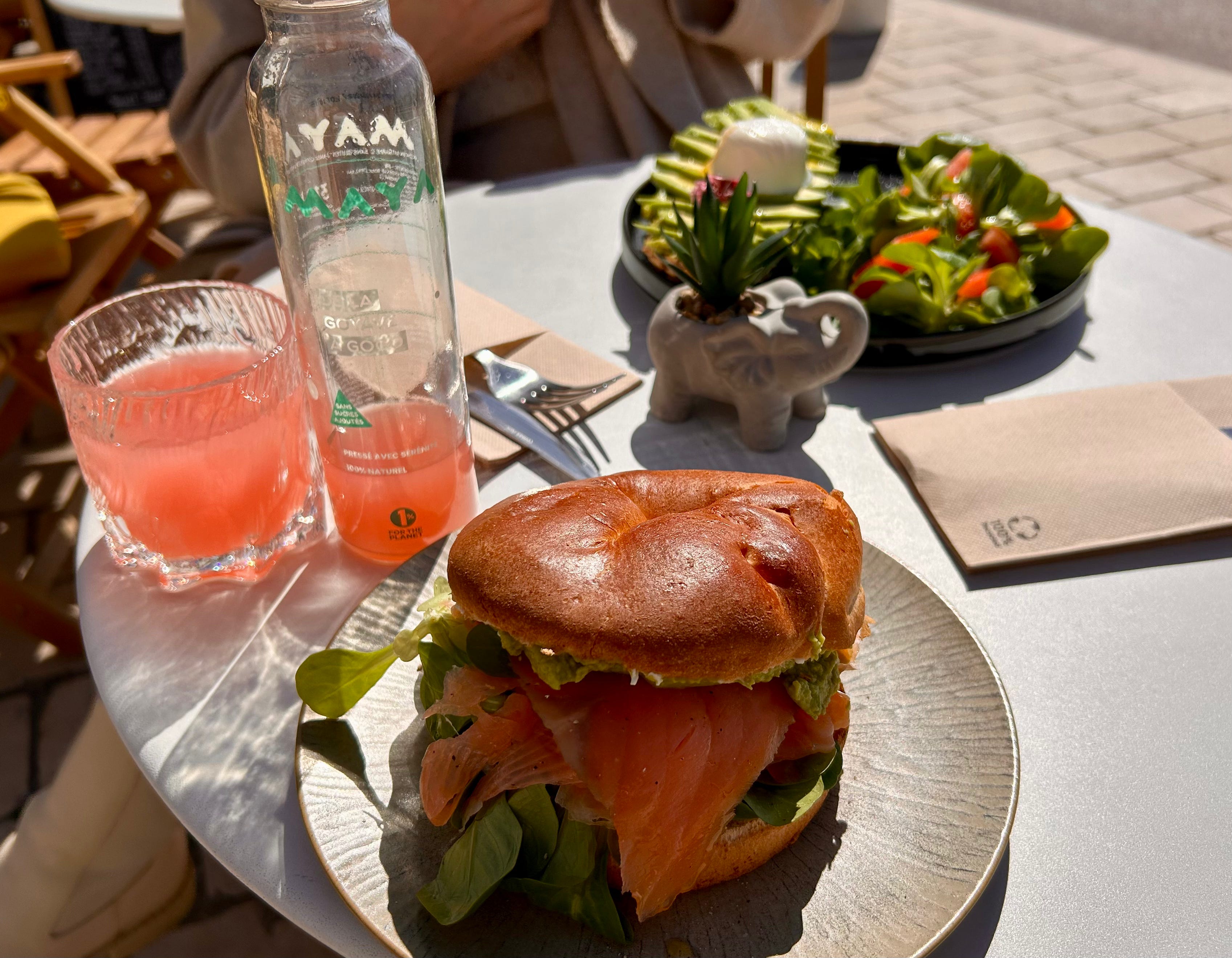
I am now back to eating in a way that feels natural to me. Colorful vegetables, high-quality ingredients, balanced meals, and food experiences that are part of living fully. I am in Cannes now, heading soon to Milan and then Krakow, and these are not places where I want to live inside dietary constraints. They are places where I want to participate in life. For me, that is what health should support, not restrict.
And that is why I am not on a diet anymore.
Here you can read the article I wrote when I first decided to begin the OMAD experiment.

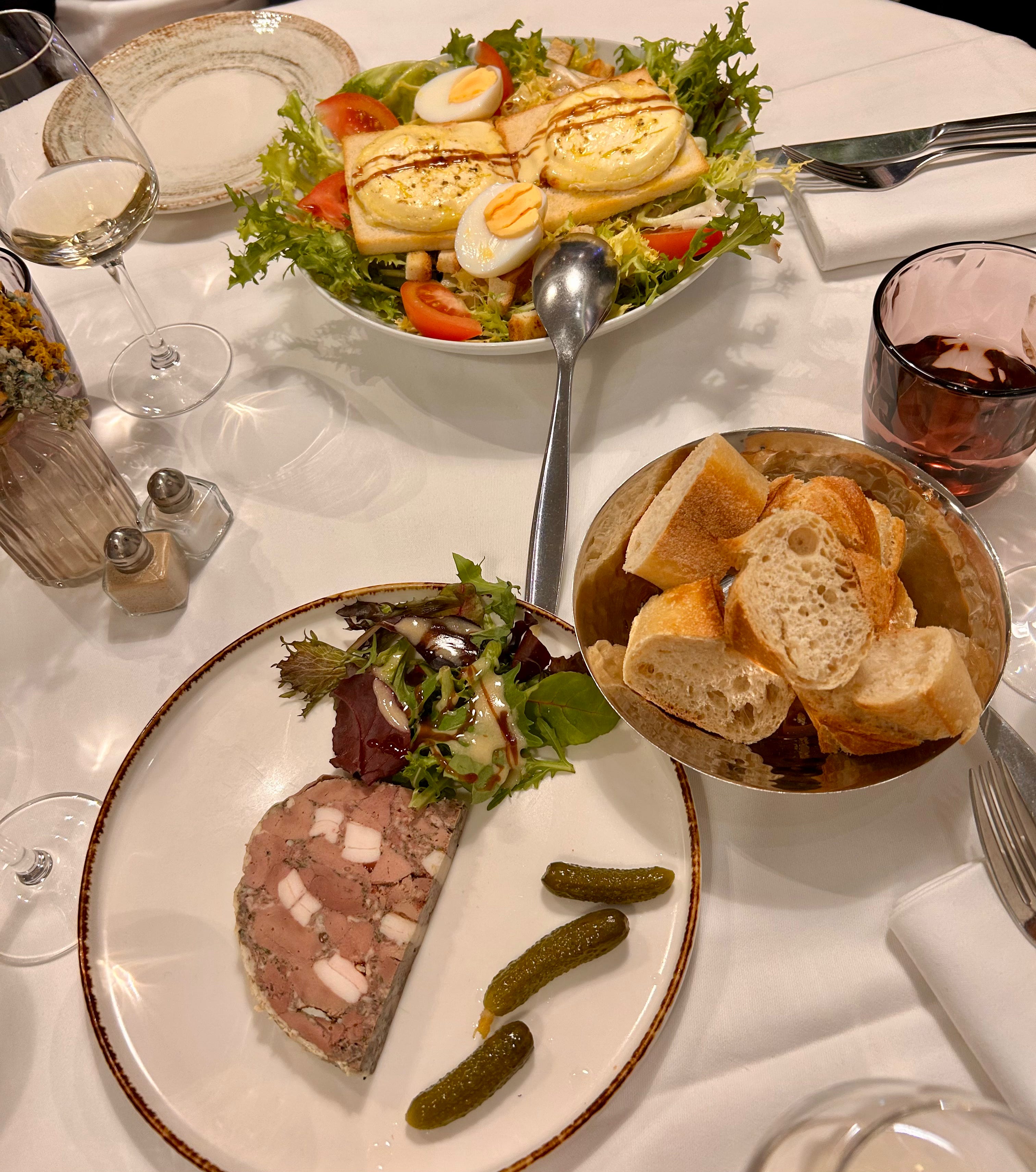
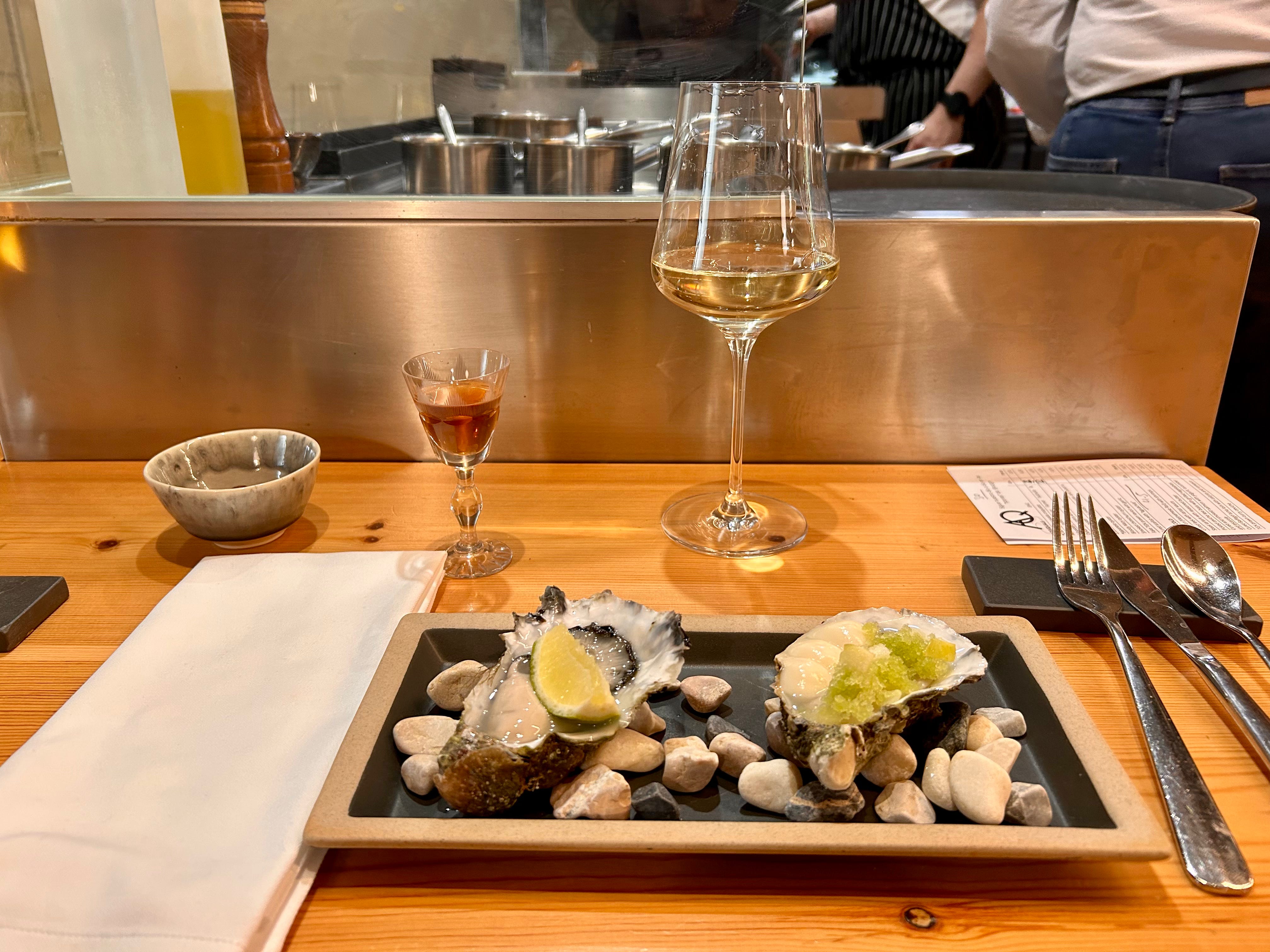
Here are a few glimpses from the places we have experienced along the way, from Ronda, Tarragona, and Sotogrande in Spain to a few moments here in Cannes, France.