

Over the last 15 to 16 years, chia seeds have been a consistent part of my diet. I genuinely love them, mostly for the viscosity and that pudding like texture they create.
I was introduced to chia long before I ever studied nutrition or food science. I think it was around 2010 or 2011. My mom was very into raw food at the time, and I quickly got swept up in it too. We made our own oat milk, ate chia seeds mixed with coconut milk and raspberries, and, honestly, we were eating exceptionally well.
My mom was diagnosed with ME when I was seven. Being close to her through that health journey was what first exposed me to low carb, and later to raw food. Seeing how much better she became after making such a major lifestyle change planted a seed in me. It made me want to study human nutrition. I saw, in a very real way, that food can be used as medicine. Food did not cure my mom’s ME, but it gave her some of her life back. For me, after having a mom who could only lie in a dark room for seven years, that felt remarkable.
So, back to chia seeds. My life partner, and my most trusted food companion.
After all these years together, chia seeds are something I can warmly recommend including in your diet, especially if you live with lipedema.
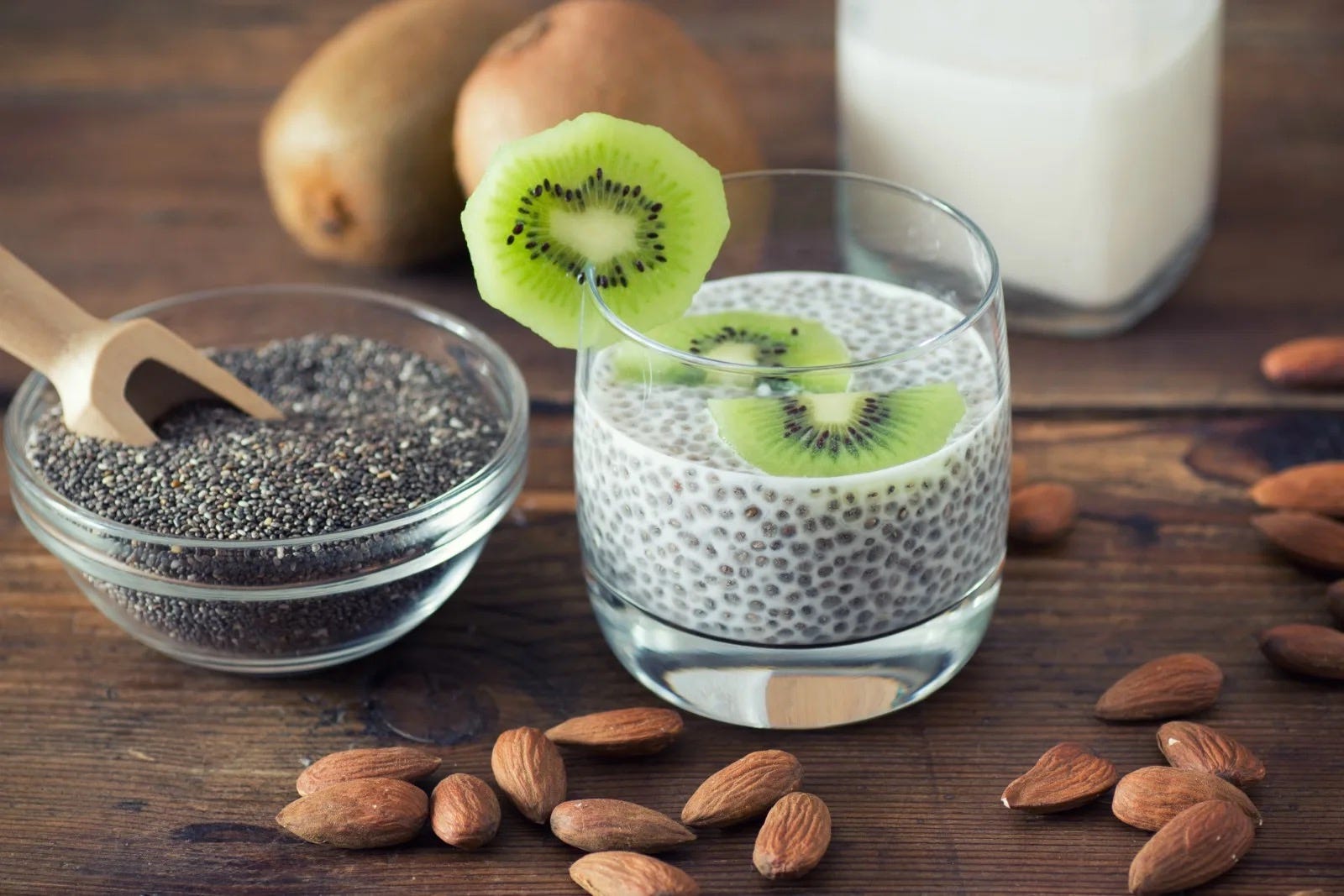
Chia seeds have become one of those foods that quietly moved from niche health shops into basically every kitchen. That rise is not only hype. Chia is unusually dense in protein, fiber, omega 3 fats, minerals, and plant compounds, and the way you prepare it changes what your body can actually access.
