

A 2023 pilot study tested compression leggings plus exercise versus exercise alone in six women with lipedema, and it gives us a useful clue about bruising, touch pain, and why mechanobiology deserves more attention.
This week I revisited a study that often gets mentioned in lipedema circles, but rarely explained in plain language. It is not a big clinical trial. It is a pilot study. That matters. Pilot studies are built to test feasibility and measurement methods before a larger study is funded and launched. Still, they can reveal patterns worth taking seriously.
What the researchers tested
Six women with lipedema were randomly split into two groups. One group did an exercise program only. The other group did the same exercise program and also used compression leggings. The first four weeks included supervision by a physiotherapist. The last two weeks were mostly self managed.
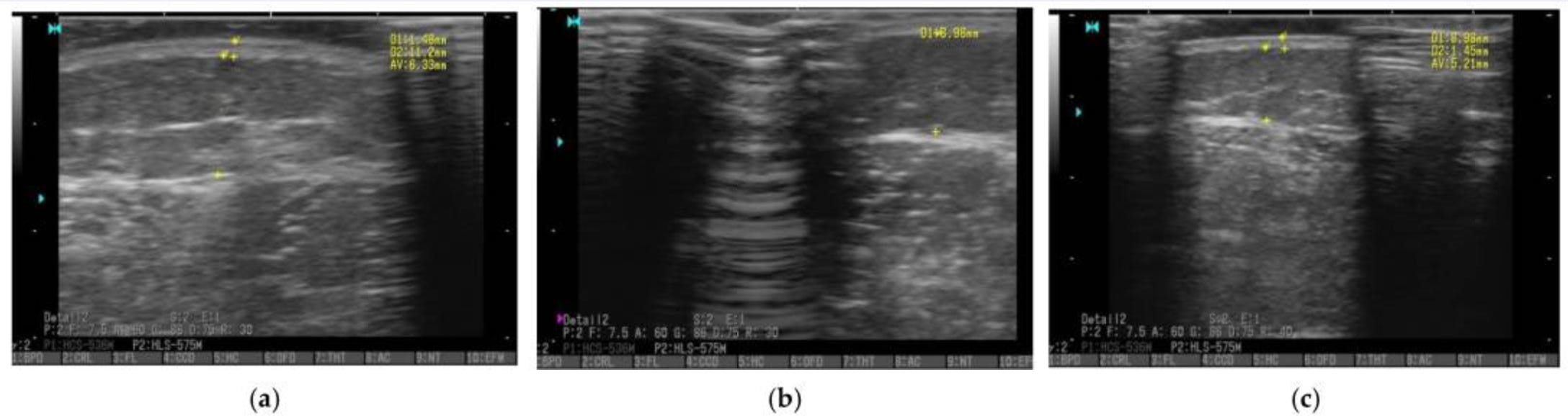
They measured several things, including leg circumference, body weight, ultrasound thickness of skin and subcutaneous fat, symptom severity scores, and quality of life using the SF 36 questionnaire.
The question was simple. Does adding compression to exercise change symptoms or body measurements compared with exercise alone.
What changed
The clearest signal was in symptoms.
In the compression group, women reported a strong decrease in tendency to bruise and a meaningful decrease in pain on palpation, meaning pain when the tissue is pressed. In the exercise only group, those symptoms did not improve in the same way and some worsened by week six.