There is a specific kind of peace that comes from living in one place long enough to let your nervous system trust tomorrow. In Oslo, my partner and I built a life around routines that felt almost ceremonial. Not because we were trying to win at wellness, but because structure made winter lighter, moods steadier, and my body feel more predictable. And when you live with lipedema, predictability can feel like its own form of safety.
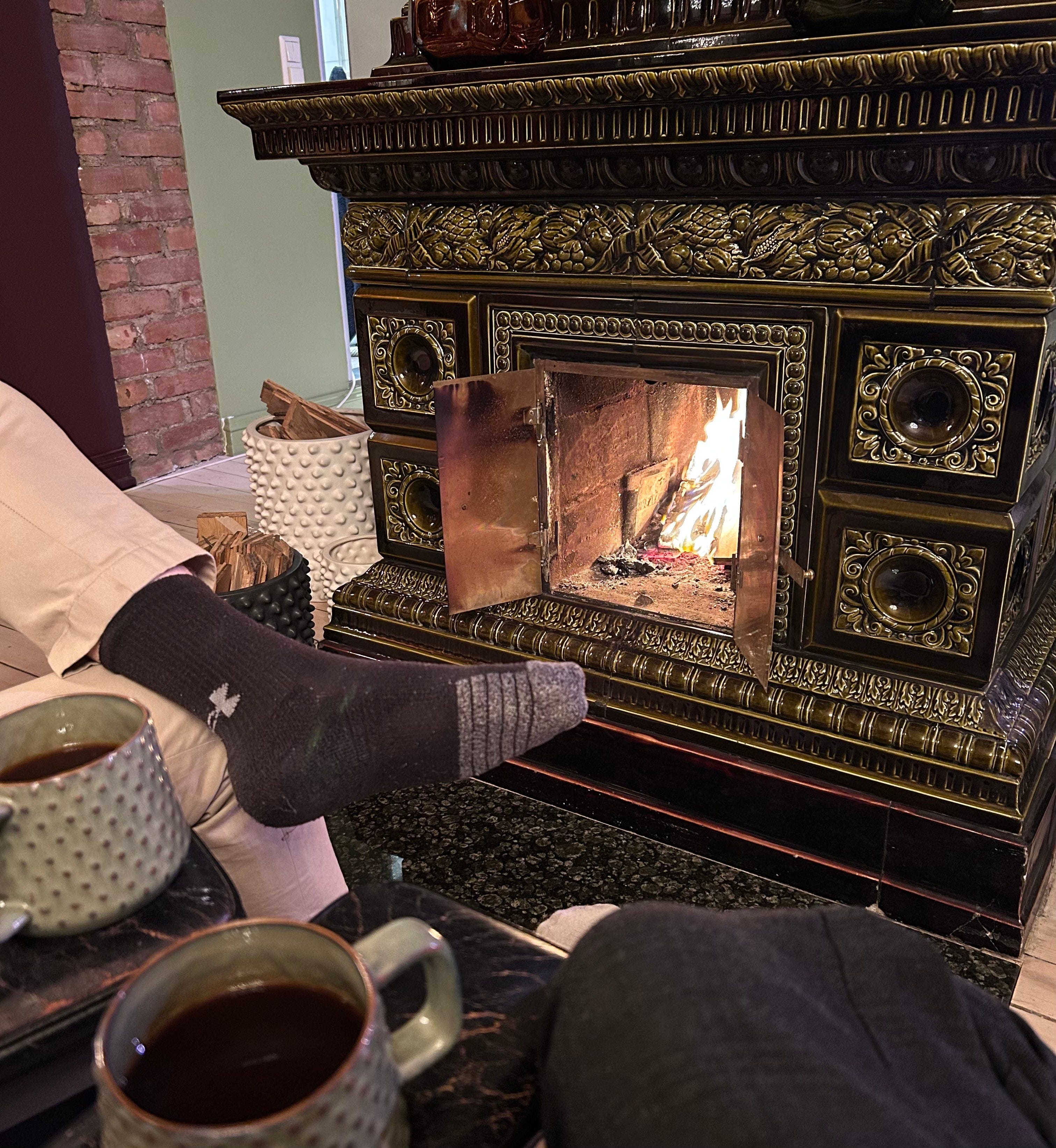
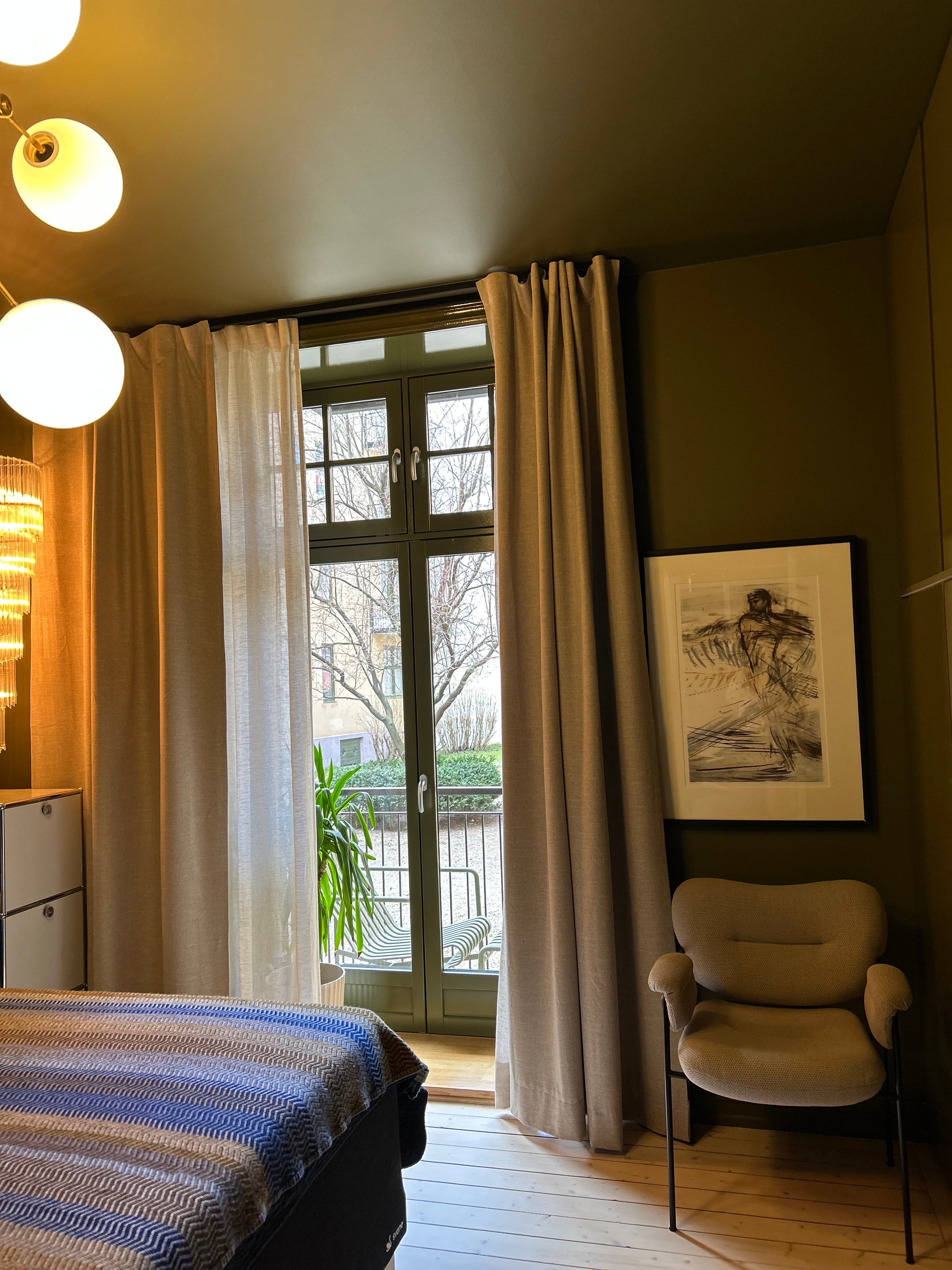
Our bedroom was designed like a promise to our future selves. When we renovated the apartment, we painted the entire room in a deep dark green. Walls, ceiling, closets, everything. Nature tones like green and blue have always felt grounding to me, and the room became a soft cave that made sleep easier. We added blackout curtains and treated sleep like a priority rather than an afterthought. Winter mornings started quietly. Five to ten minutes in bed in front of a light lamp, breathing, easing into the day instead of being dragged into it. Then coffee, properly brewed, in the armchairs by the fireplace. I love mornings that begin with calm.
We also got serious about what I call the invisible inputs. The light on our phones and computers shifted automatically in the evening so we were not bathing in strong blue light before sleep. A digital sunset, every day, without needing to negotiate with ourselves. And maybe the most important lesson of all was this. A consistent bedtime most days beats perfect sleep hygiene in short bursts. Consistency is not glamorous, but it changes everything.
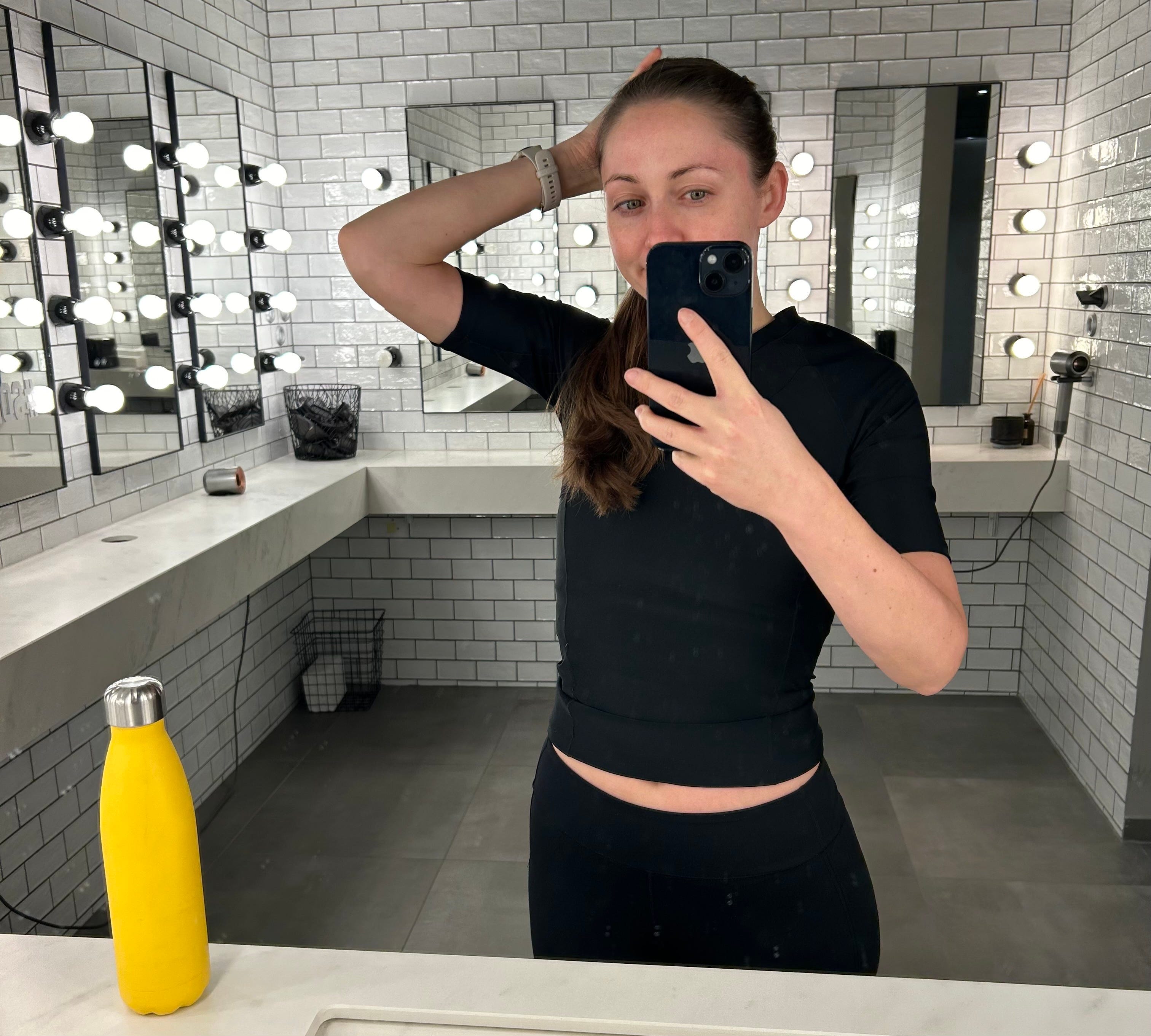
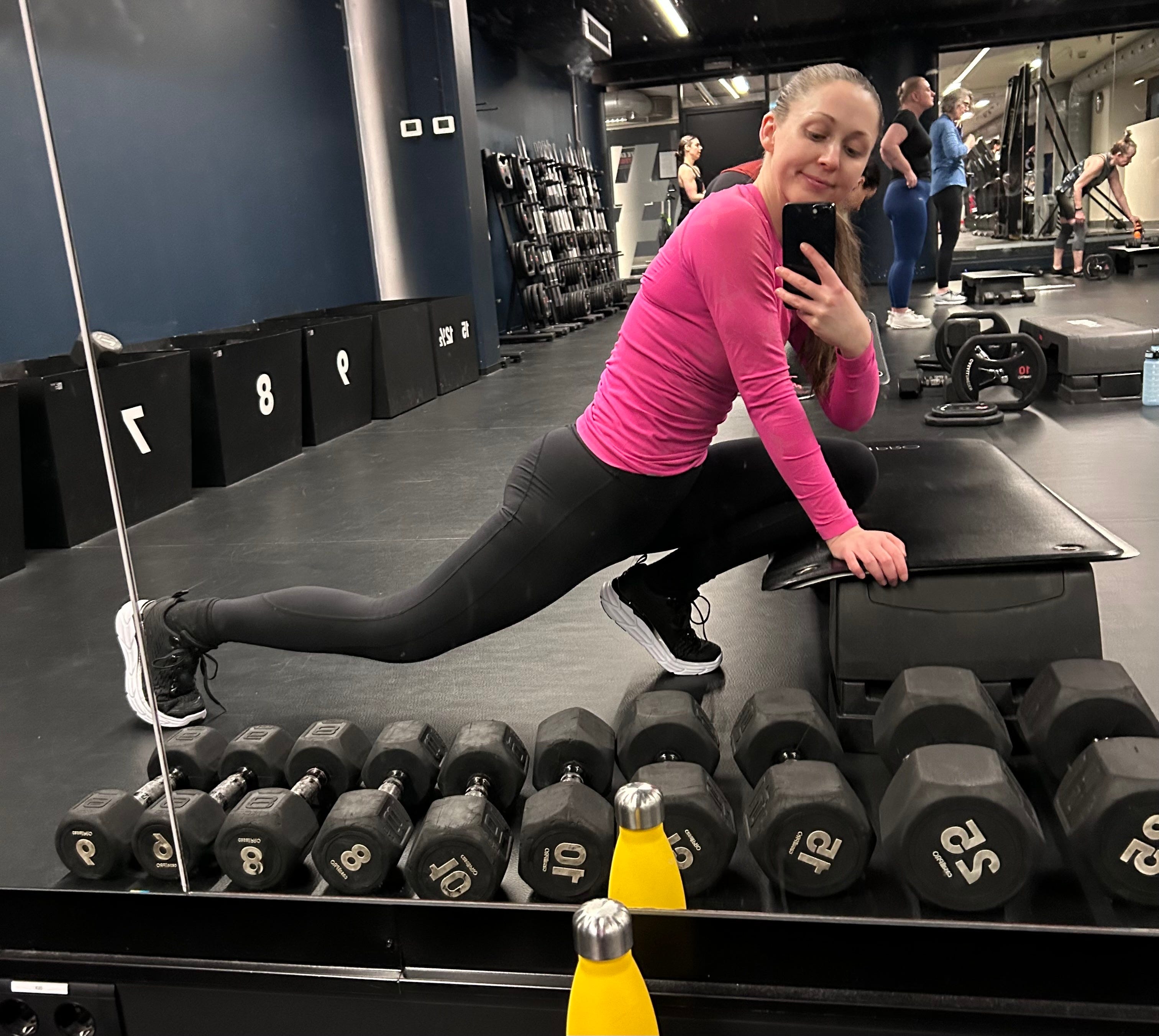
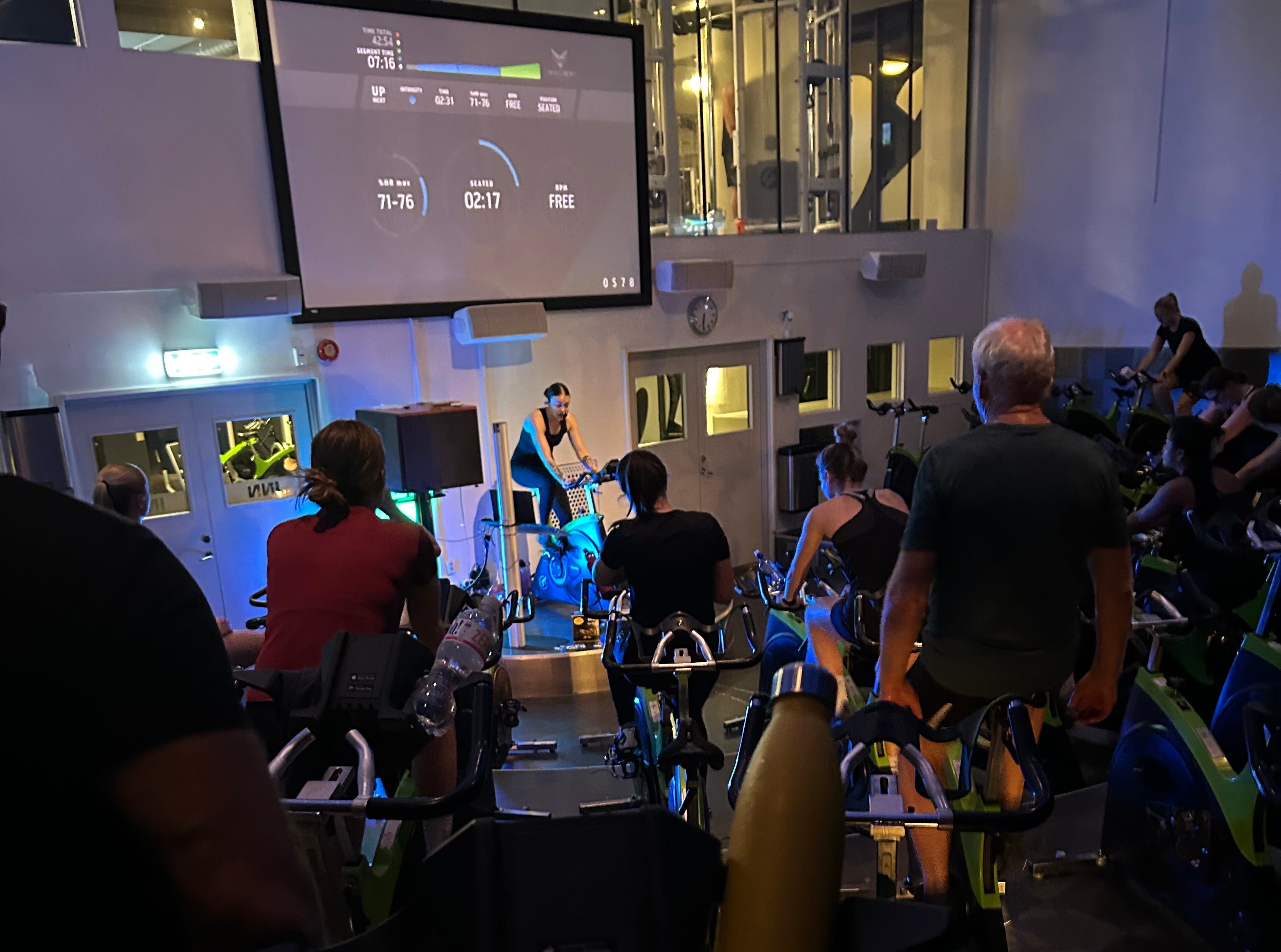
Movement had a similar rhythm. In Oslo, training was built into my identity because the environment did half the work for me. I ran several sessions a week on the treadmill, and I joined group runs in the park on fixed days. There were around a hundred people in that group. I was just one of many, which was strangely relieving. No spotlight, no special story, just movement in community. I did strength classes three to five times a week with the basic lifts, and I loved not having to plan the program myself. I showed up, someone pushed me, and the structure carried me. Yoga was close too, just a few minutes from home, with everything from vinyasa and hatha to hot yoga and medical yoga depending on what my body could handle.
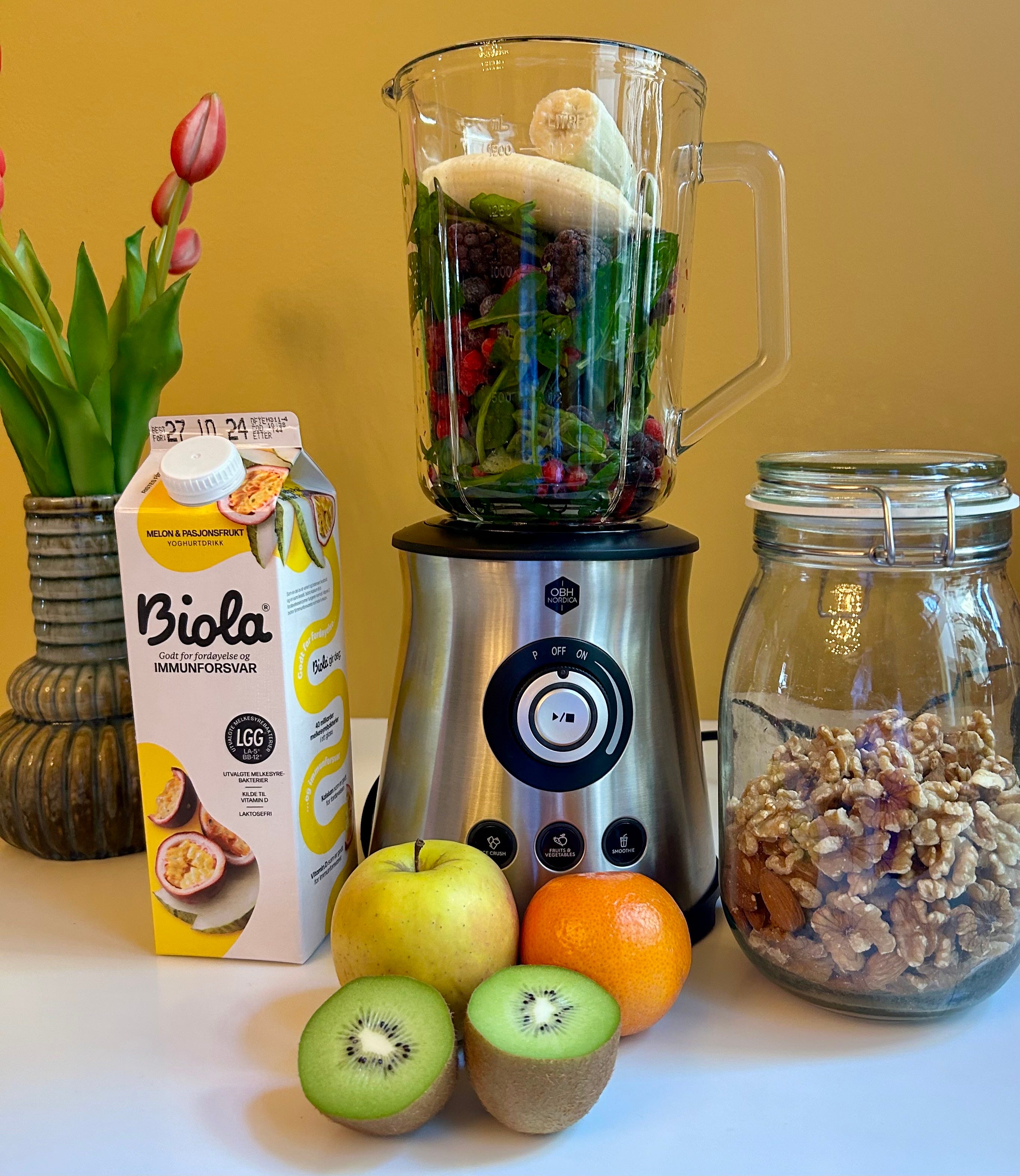
Food felt equally anchored. I kept a simple framework that worked for me. I often waited until midday for my first meal, then focused on protein and real nourishment. Dinner was heavy on vegetables, placed either before or after training depending on the day. I almost always had a berry smoothie with fermented dairy, kefir or something similar, plus greens like spinach or kale and ginger. Across the day I aimed for clean ingredients, plenty of protein, healthy fat, fiber, probiotic foods and the kind of micronutrients that make the body feel quietly supported rather than constantly managed.
I also used my Garmin watch as a kind of translator between my intentions and my physiology. Sleep, stress, recovery, activity. It helped me notice when my body was running on hidden tension even when my mind thought I was resting. And everyday movement was built into life without effort. My office was on the seventh floor, which meant stairs were simply part of the day. I never took the elevator. I walked so much that ten thousand steps became normal rather than aspirational.
That version of life was stable. Then we chose something else.
As I have shared with you, my partner and I are spending a year living in different places around the world. We are originally based in Oslo, but we are renting out the apartment. We started the year in Georgia because I am doing egg retrieval, and I had one on Monday. That meant beginning the year with a lot of hormones, which I am not exactly a fan of when I think about lipedema. It is hard to be in a body that is already sensitive and then introduce a new layer of hormonal unpredictability. We were supposed to travel onward, starting with a few days in Amsterdam, then a short trip back to Oslo to swap clothes and handle practical errands. But we have decided quite suddenly to do another egg retrieval in Georgia before anything else, since my body has not responded as we hoped in the three protocols I have tried so far. This time we are trying what is called a long protocol, and I will take the first injection here in Georgia on Thursday. I will keep you updated as I go.
And here is where lipedema becomes part of the story, but not the whole story.
Travel creates a kind of ongoing exception state. Your routines are constantly interrupted. You live out of a bag. You adapt to new beds, new light, new food, new floors to walk on, new stress patterns, new social rhythms. Even if the travel is chosen and joyful, it can still be destabilizing. For lipedema, that matters, because the condition does not always respond well to instability. Swelling, pain, heaviness, inflammation, fatigue, fluid shifts. The body can interpret constant change as a low grade threat, and it shows up in ways that are hard to explain to people who have never lived inside this kind of physiology.
At the same time, I have learned that if everything becomes about lipedema, life can shrink. And I refuse that. I refuse to turn my entire year into a prolonged medical project where I am either succeeding or failing at managing symptoms. There is a balance to find, and I think many of you live inside that same tension. We need compassion for how hard it is, and we also need permission to be more than the condition.
So I am learning a new kind of biohacking. Not the version that assumes a stable home base, a carefully optimized bedroom, a predictable training schedule, and a kitchen stocked with the exact ingredients that make the body thrive. This is biohacking for movement. Biohacking for transitions. Biohacking for seasons where survival is a valid goal.
Already this year I have moved through more addresses than I would normally visit in a decade. It started with one hotel night in Tbilisi at the turn of the year, then another hotel in a mountain town, then an Airbnb in Tbilisi, then a second Airbnb, then back to a hotel in Tbilisi, then a hotel in Amsterdam, then a week in my father in law’s house in Norway, and then likely back to Tbilisi again. It is exciting, and it is also an adjustment. You cannot build the same habits when you are constantly rebuilding your environment.
Still, routines do not have to disappear. They just have to become smaller, more portable, and more forgiving.
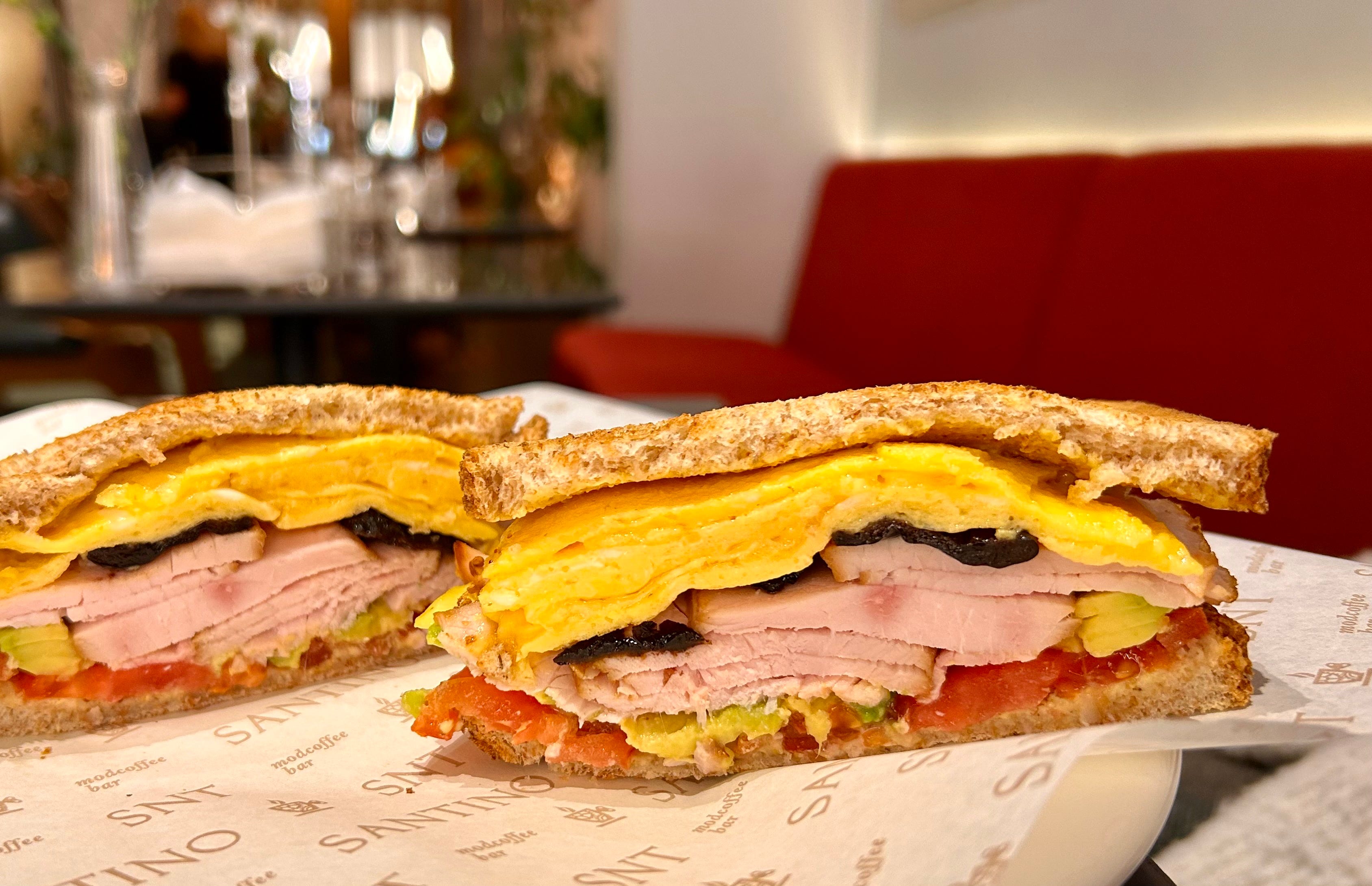
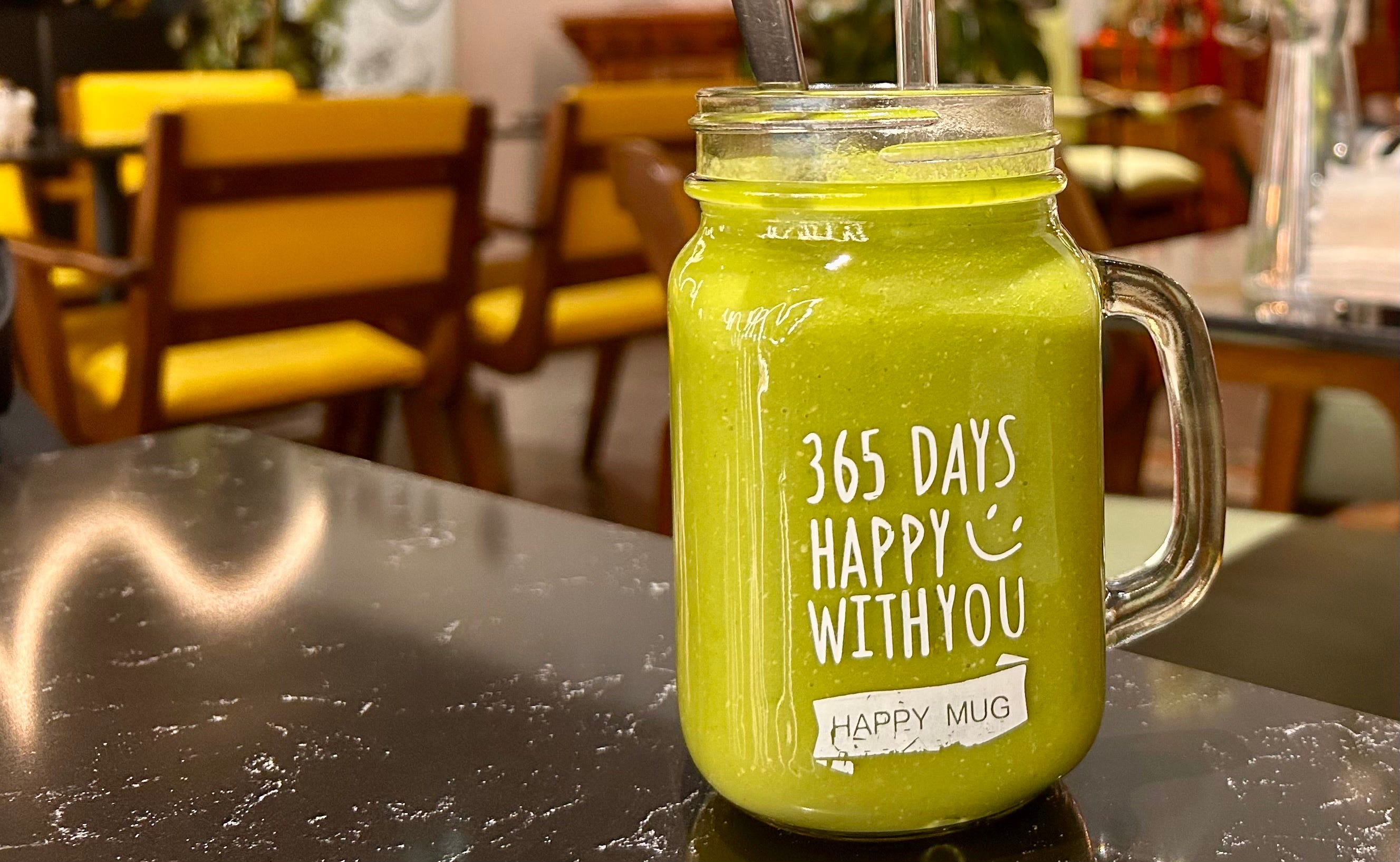
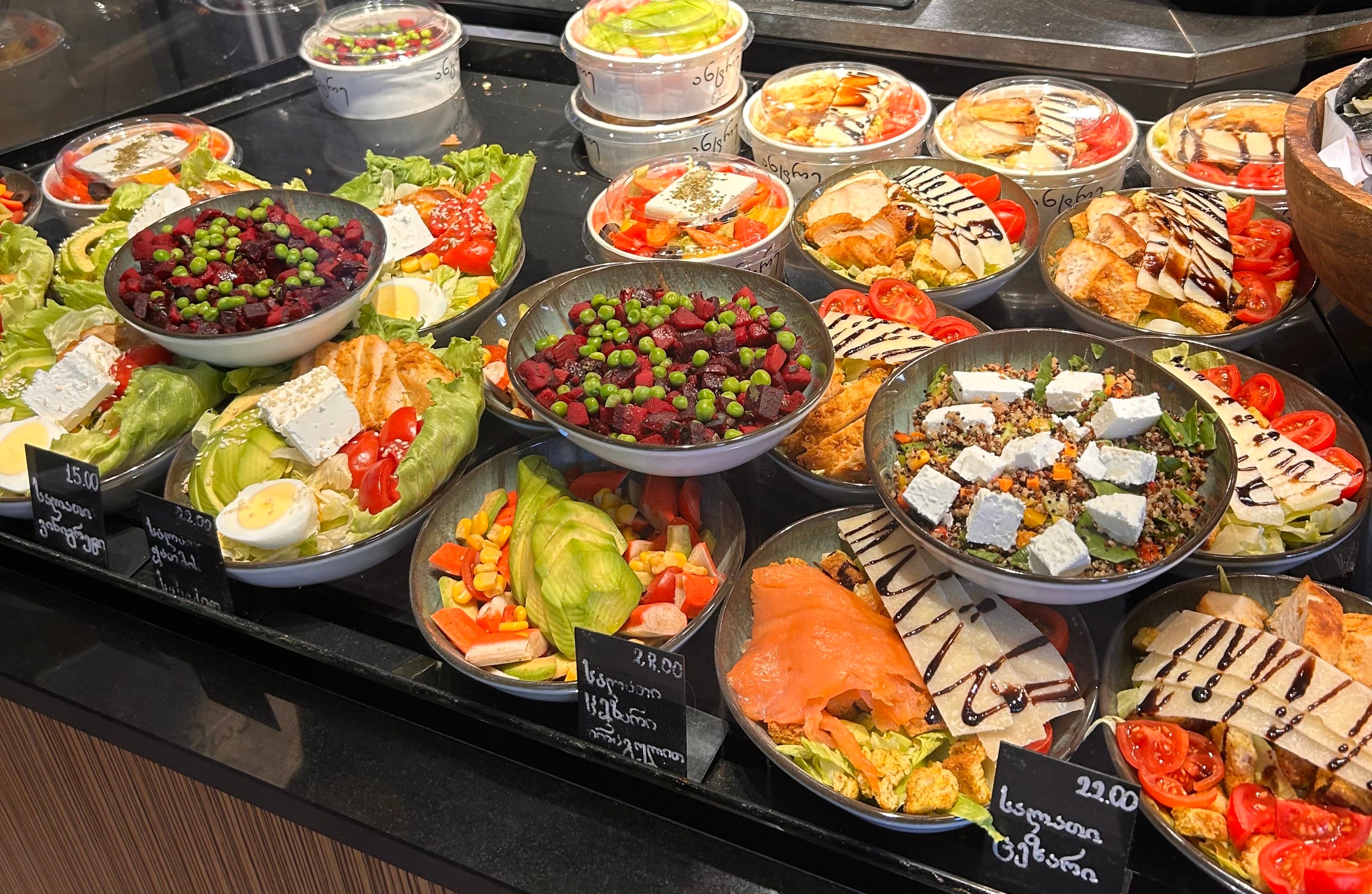
When we lived in the old town of Tbilisi, a new rhythm appeared. My first meal often became lunch at a favorite café that makes sandwiches that feel like a love letter to nourishment. Thick slices of bread, generous turkey, tomato, arugula, thick avocado slices, and a thick omelet. I also ordered their green smoothie with celery, cucumber, apple, and oats. Georgia has so much good food, and in a season filled with hormones and clinic appointments, the most important thing is often to get through the day without turning self care into another performance.
This is what I am working on now. A travel version of my routines that does not punish me for being human.
I want to keep the spirit of my Oslo life even when the details change. Morning calm, even if it is five minutes. Light on the eyes early, even if it is through a window. A digital sunset, even if the day ends late. Protein and vegetables as the default, even if meals are bought rather than cooked. Walking after meals, even if the neighborhood is unfamiliar. Strength work in small doses, even if the gym is not my usual one. Breath as an anchor, because breath travels with you everywhere.
And when lipedema flares, I want to meet it with respect, not fear. I want to adjust without collapsing into hopelessness. I want to hold the truth that some days will feel heavier, and also hold the truth that life is allowed to be full.
Maybe that is the real biohack. Not the perfect routine, but the ability to re create safety on the move. The ability to say, this is an exception state, and I am still here. I am still building. I am still living.