

There is something about stepping out of your normal environment that makes you notice things you never questioned before. Not in a dramatic, life changing way, but in small, almost quiet observations that slowly build into a deeper understanding of both your body and the world around you.
Right now, I am living in La Manga (Spain). I have been here for two weeks, and I will probably stay for another one or two. It is a very particular kind of place. A large resort area filled with apartment complexes, surrounded by golf courses, tennis courts, fitness centers, paddle courts, and restaurants. It feels almost like a self contained world where people come not just for a holiday, but to stay for longer periods of time.
What I did not expect was how dominant the British presence is here. It is almost as if you are standing in Spain geographically, but socially you are placed somewhere between cultures. English is spoken everywhere. I even had a golf lesson with a professional from Scotland who told me he had lived here for ten years without ever really learning Spanish, simply because he never needed to. That says something about how environments shape behavior.
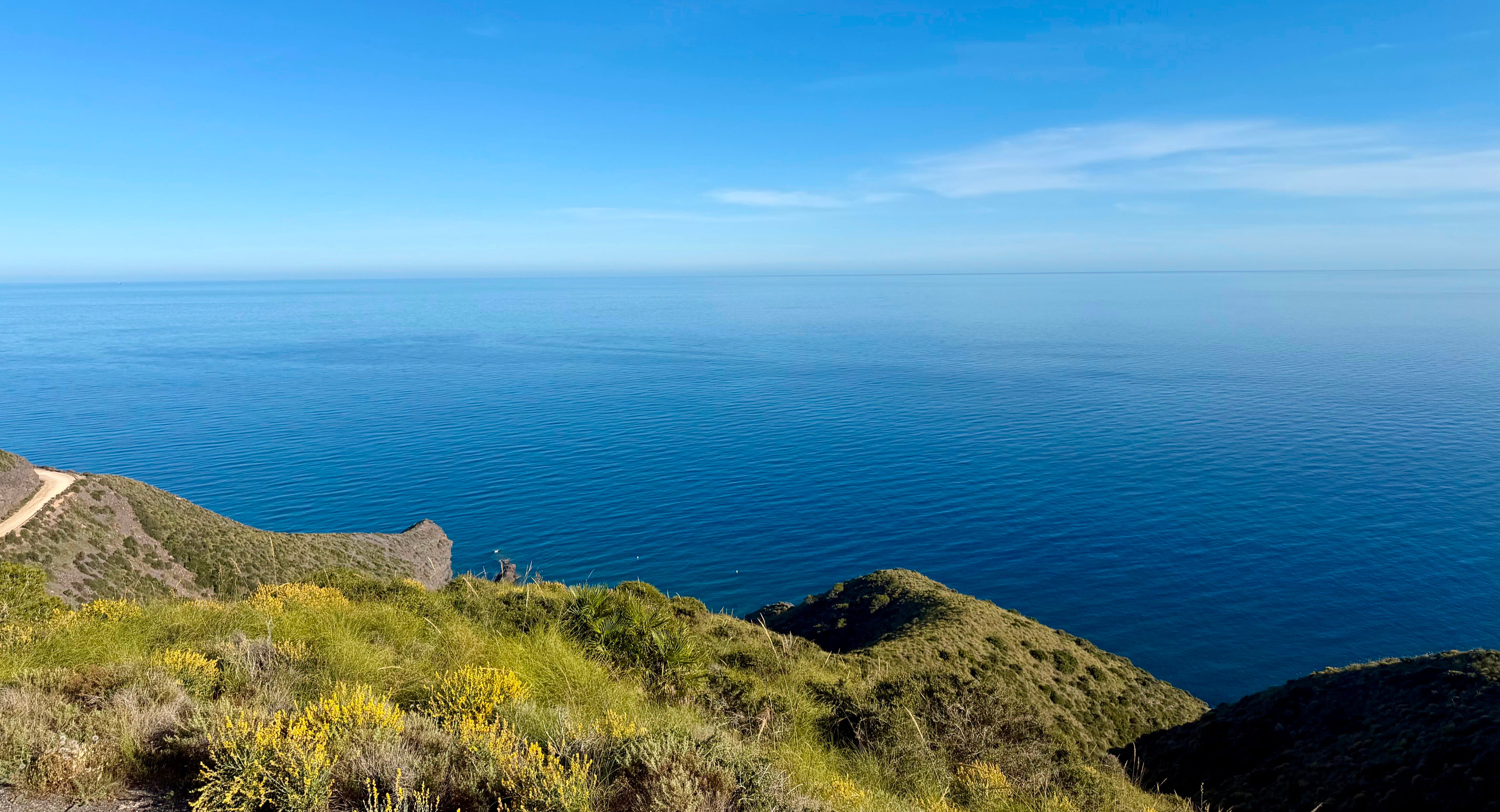
At the same time, the people here are incredibly kind. There is a level of friendliness that you feel in everyday interactions. Small gestures that make daily life softer. We live a bit uphill, without a car, while many others move around in small golf carts. For us, that means a thirty minute walk downhill to the store, and then thirty minutes back up again.


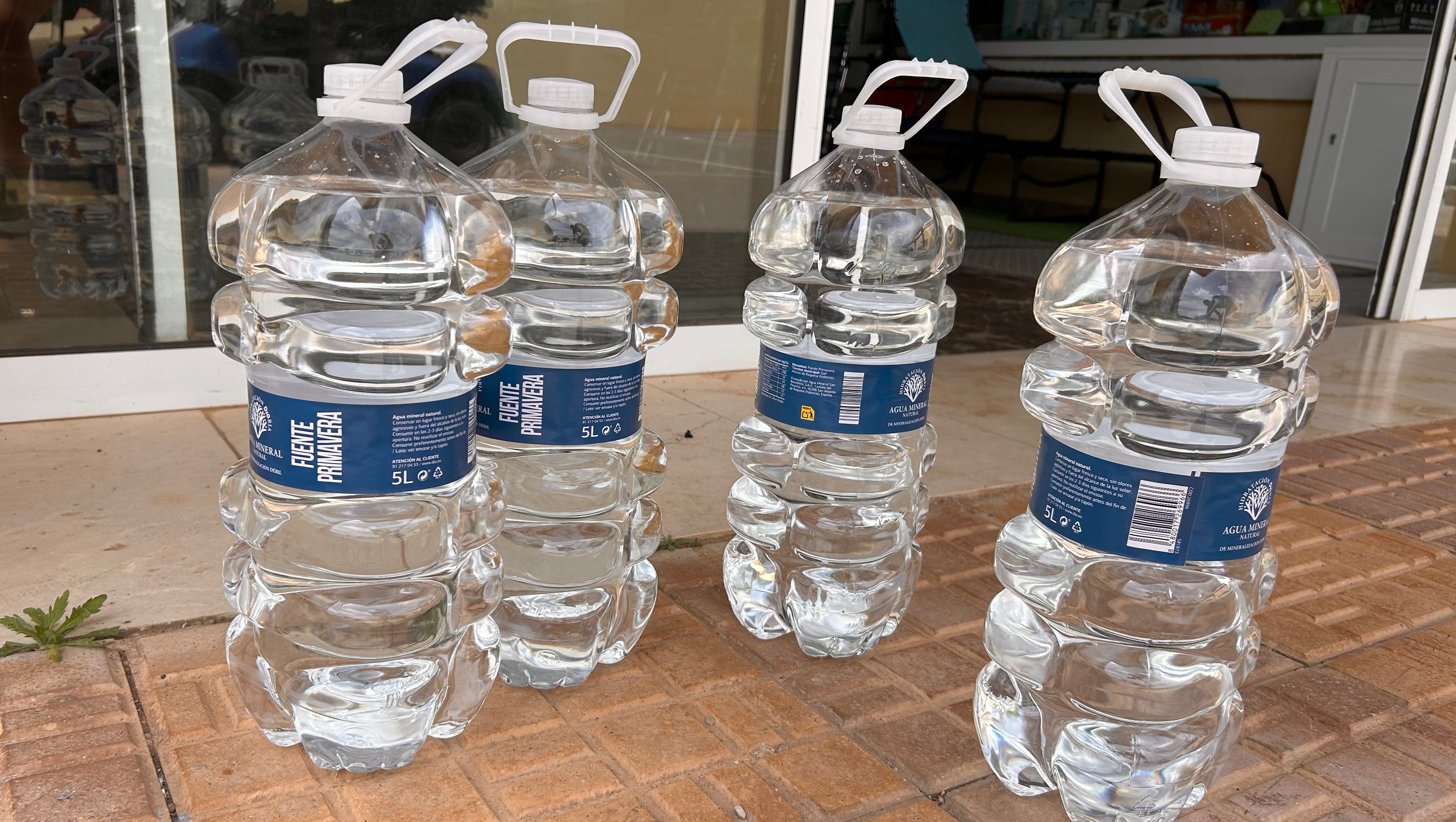
At first, it felt like a practical challenge. Especially because of something as simple as water. The tap water here has a strong chlorine taste, which makes it difficult to drink, especially when you are used to the clean, fresh tap water in Norway. So we have had to buy bottled water, something I normally try to avoid. But when you drink a lot of water, there is not much of a choice.
This turned into something unexpectedly physical. We started running down to the store, buying large amounts of water, and then carrying it all the way back up. Five liter bottles in each hand, plus a backpack with food. The first day, it was honestly too much. I had to stop several times on the way up. My legs felt heavy, not just from the weight, but in a way that felt very familiar if you live with lipedema.
But over time, something shifted. Not dramatically, but enough to notice. The same hill became slightly easier. The same weight slightly more manageable. My body adapted in its own quiet way. And that is something I find interesting, because it challenges the idea that everything has to be structured, optimized, and perfect to create change.
Sometimes it is just repetition. Real life movement. Imperfect, but consistent.
People here often stop and ask if they can give us a ride when they see us carrying all that water uphill. That kind of kindness stays with you. But we have chosen to continue walking, not because we have to, but because it has become part of our rhythm here. A form of movement that is built into daily life, rather than something scheduled.
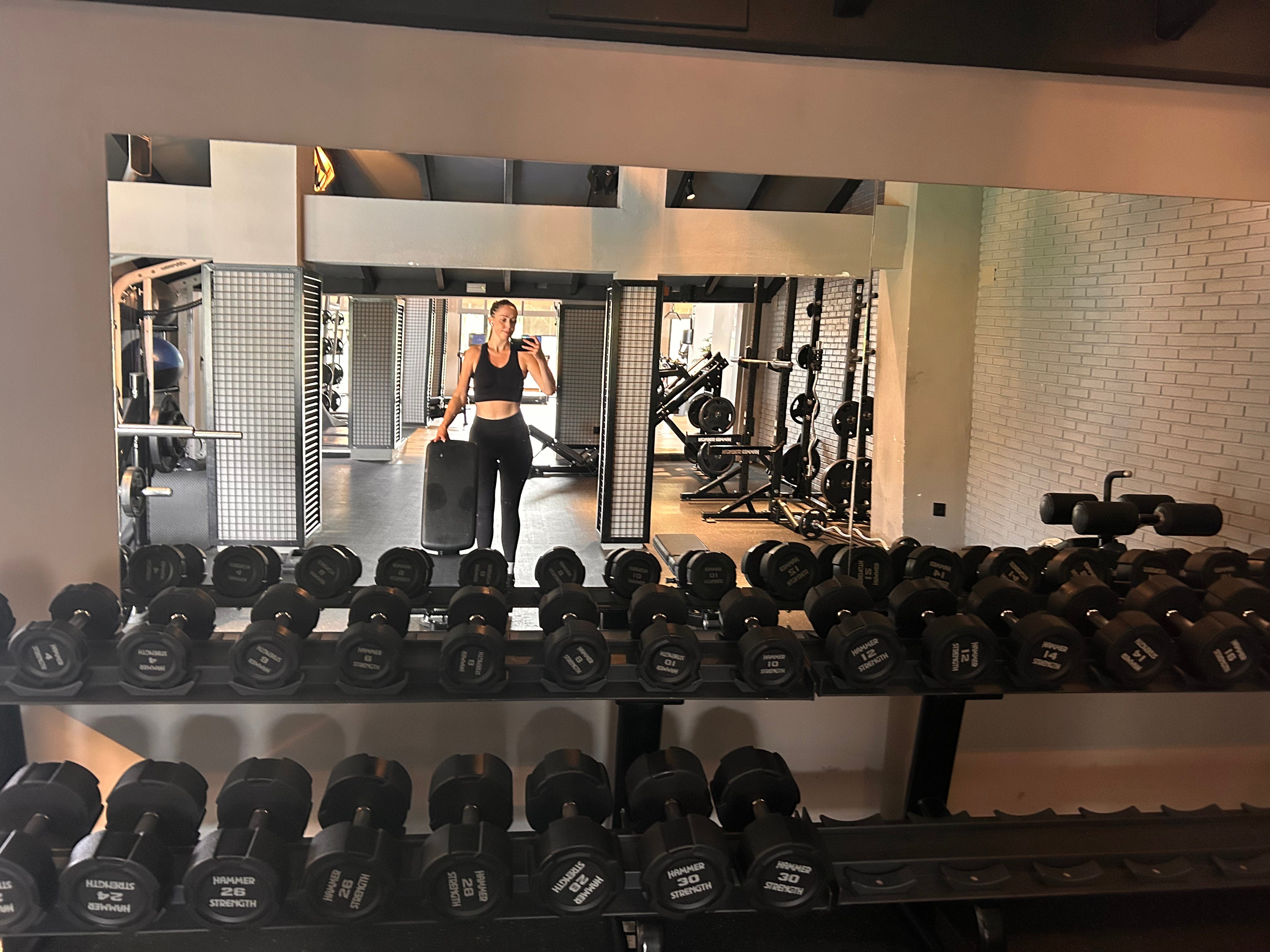
Yesterday, I had my first proper gym session since arriving. The membership here is quite expensive, and we have both been working a lot, so it took time before it felt worth prioritizing. Now we have decided to use it intensively for a short period before we move on. Not because it is the perfect plan, but because it fits into the reality we are in.
Soon, we are leaving Spain and heading to Portugal for a few weeks. I am especially looking forward to spending time in Lisbon with some of my friends. We are planning to travel by train, working along the way, experiencing different places without fully stopping.
The weather here has also been unexpected. More cloudy, more rain, almost like a Norwegian spring. In a way, it has made it easier to focus on work, and it has reminded me that expectations and reality rarely match perfectly.
But one of the most interesting reflections for me has been around food.
Coming from Norway, I am used to a very specific food culture. Bread is central. Not just occasionally, but as a foundation of daily meals. Breakfast, lunch, and often an evening meal are built around it. And not just any bread, but dense, whole grain bread with real structure and nutritional value. There is a sense of pride connected to it.
Here, that foundation is completely different.


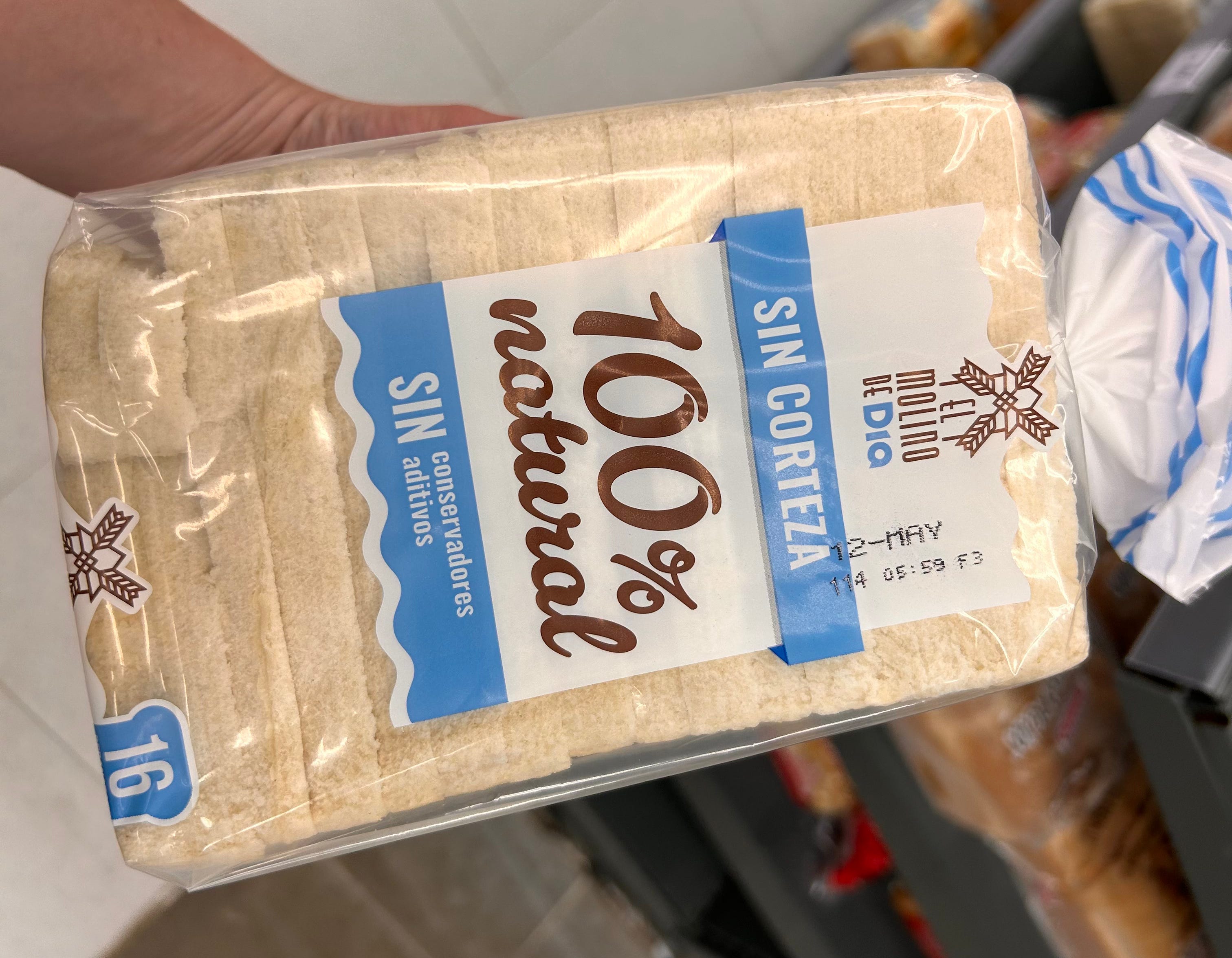
The bread I have encountered in this area is, to be honest, far from what I am used to. It is mostly white, refined, and lacking the structure I associate with a satisfying meal. Even in restaurants with high ratings, the base of a dish like avocado toast is often a soft white slice of bread with a thin layer of avocado and a poached egg. Nothing is necessarily wrong with it, but it feels incomplete.
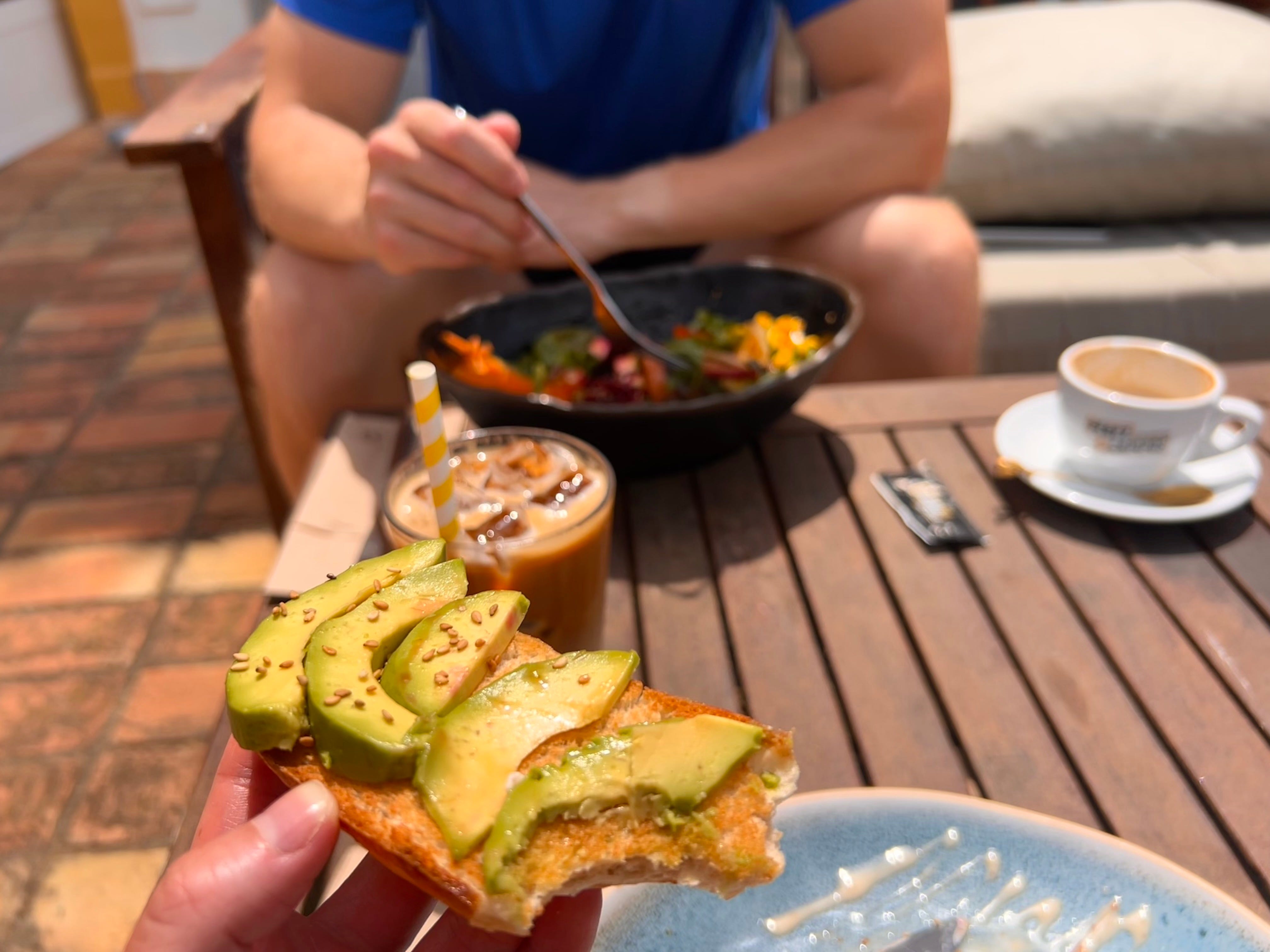
At first, I thought it was a coincidence. But after trying several places, I realized it is a pattern. And it made me reflect on how deeply food culture shapes our expectations of what is “good” or “healthy.”
There is also a clear influence from British food culture here. Dishes like fish and chips are common, and frying seems to play a larger role. It creates a kind of hybrid environment where two food cultures meet, and where the result is something different from both.
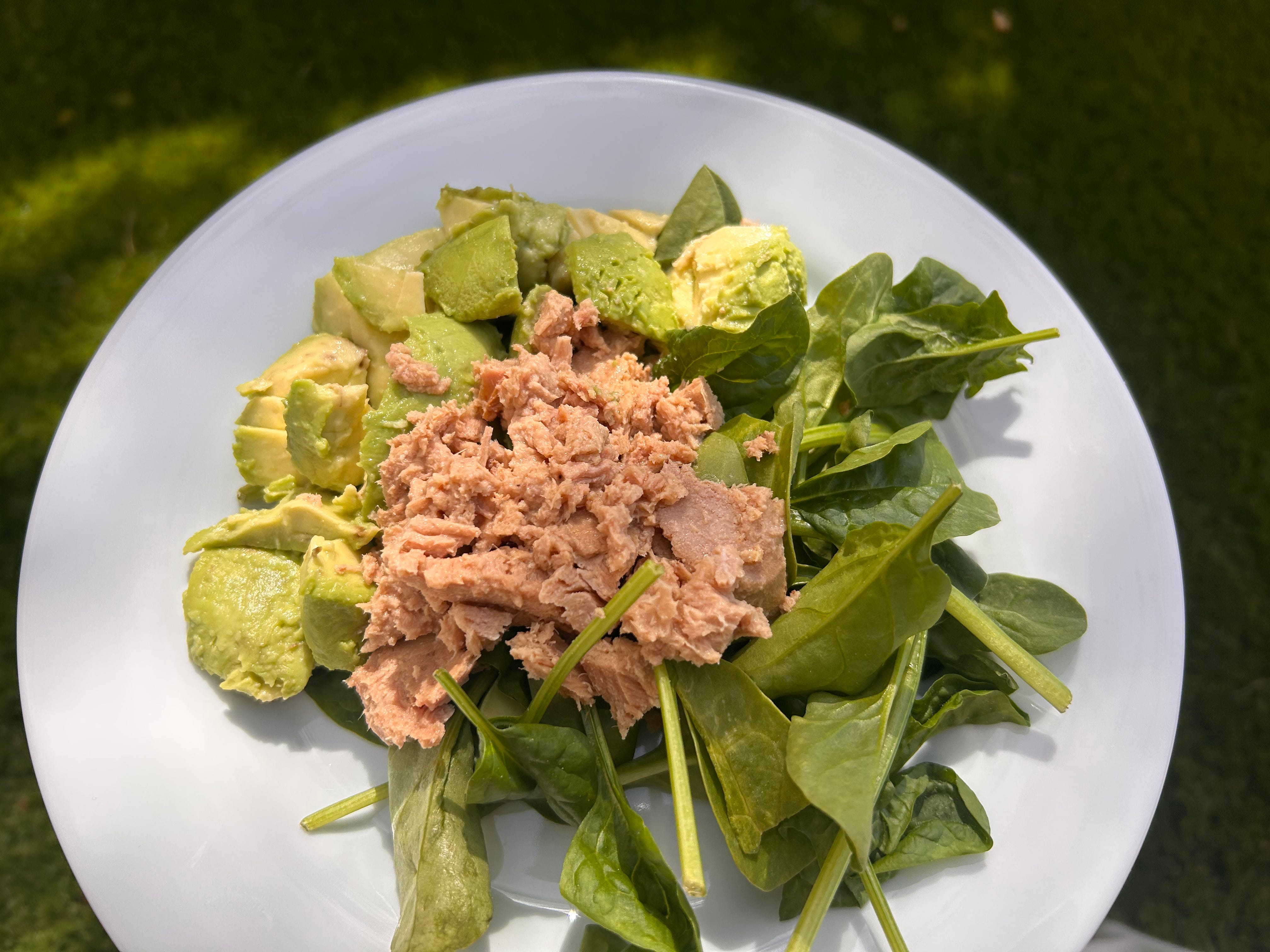
For me, this has changed how I choose food while I am here. I find myself gravitating towards salads more often when eating out. Not because salads are universally better, but because they feel more predictable. More aligned with what my body responds well to, especially with lipedema.
And this is where things become more complex.
Because when I talk about food, when I share reflections or knowledge, it is always shaped by the environment I come from. What is available. How food is produced. What quality standards are in place. In Norway, for example, regulations around pesticides and food safety are strict, in some cases stricter than broader European frameworks. Even packaging materials are regulated more tightly.
These factors are often invisible, but they influence the quality of what we eat.
Traveling makes this very clear. It shows that food is not just nutrients. It is culture, geography, regulation, and habit.
I was reminded of this when someone from India with lipedema reached out to me. It made me realize how limited my own reference points can be. Even though I have eaten Indian food many times, it has mostly been within a Norwegian context, often the same adapted dishes repeated. That is very different from understanding the full complexity of food in India itself.
So when we talk about nutrition and lipedema, there is an important layer of humility that needs to be present. There is no single universal answer that fits everyone, everywhere. Your body responds to what you actually eat, in the context you live in. And that context can be very different depending on where you are in the world.
That is why traveling, observing, and staying curious becomes so valuable. Not just for the experience itself, but for the understanding it creates.
And I would genuinely be curious to hear from those of you reading this who are from the UK or Spain. Is this bread experience something you recognize? Is it cultural, or is it specific to places like this?
Because the more perspectives we share, the closer we get to something that is not just theoretically correct, but actually useful in real life.


I love how you emphasize that optimal nutrition is so variable and can depend on the individual, the environment, how you live, etc. I found the same in my nutrition studies and personal trial and error throughout the years. Paying attention to how my body is responding with the current moment instead of ‘what I’ve always done’ is super helpful.