

If you also enjoy learning about food and nutrition, I explain every meal from a food science and nutritional perspective along the way.

Saturday
We landed in Amsterdam in the morning. My partner wanted to start the trip with something local and comforting, so we found a cozy café and ordered eggs Benedict.
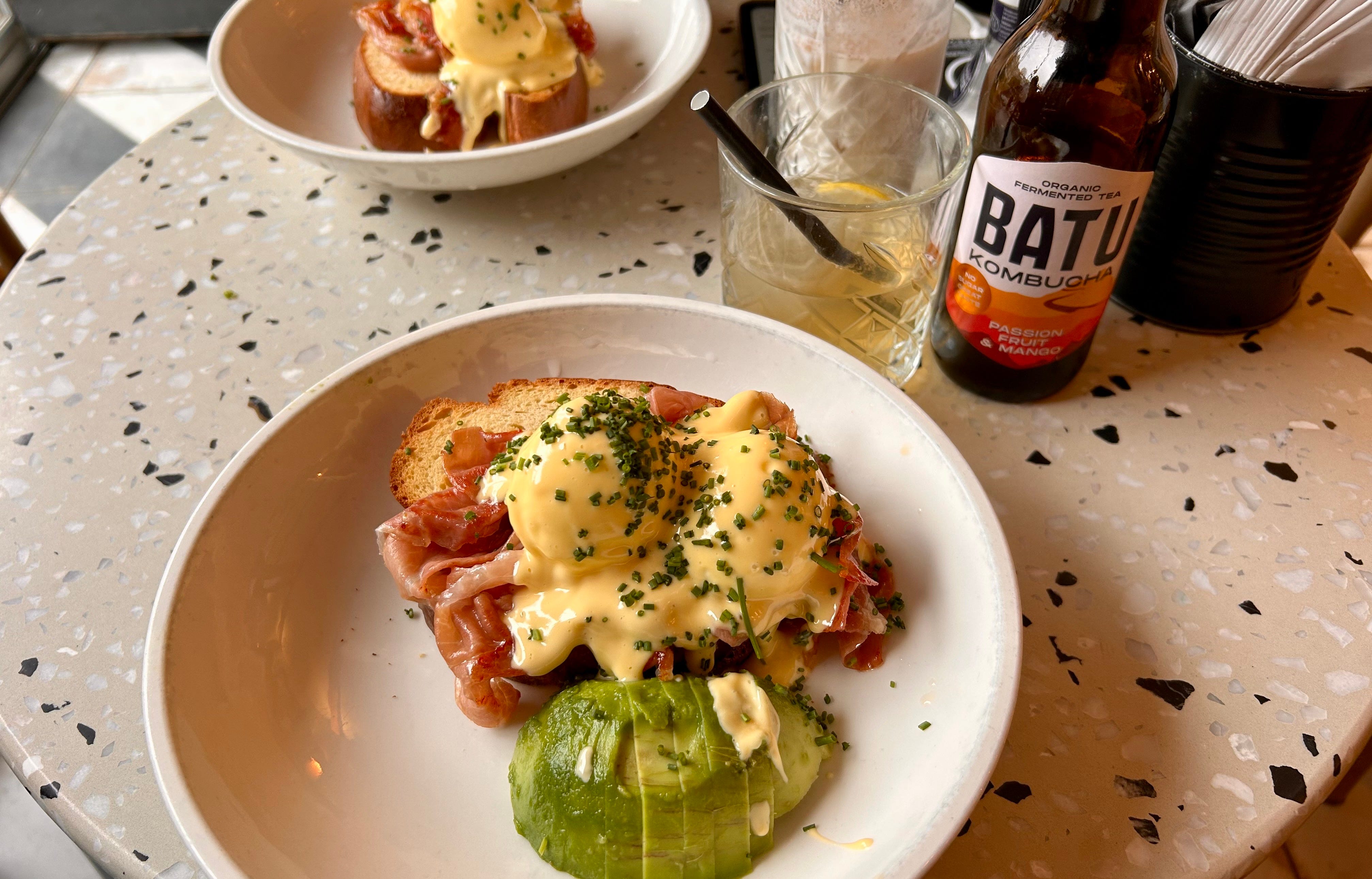
Poached eggs are a high-quality source of complete protein, meaning they contain all essential amino acids. Eggs also provide choline, which is important for cell membranes and nerve signaling, as well as fat-soluble vitamins like A, D, and K. The gentle cooking method preserves nutrients without adding oxidized fats.
The dish was served with avocado, which is rich in monounsaturated fatty acids that support metabolic health and insulin sensitivity. Avocados also contain potassium, magnesium, and fiber, all of which support cardiovascular function and gut health.
I ordered a passion fruit kombucha on the side. Kombucha is a fermented tea that may contain organic acids and small amounts of live microorganisms. While the probiotic effect varies depending on fermentation and pasteurization, kombucha can still support digestion and provide polyphenols from tea.
As you may already know if you have followed me for a while, I am deeply passionate about food. I spent six years at university studying it both theoretically through a BSc in Human Nutrition and practically through an MSc in Food Science, including extensive lab work. I care deeply about long-term health and lifestyle choices, and I always have.
That said, I always make room for weekends like this. This is exactly why my 80–20 lifestyle is sustainable over years. It is simply not realistic to live your entire life in restriction if the cost is never fully living the one life you have.

Weekends like this are also metabolically supportive in another way. You easily walk 20,000 to 30,000 steps a day without trying, simply by exploring the city. Even though I have visited Amsterdam before, this time it felt like seeing it with fresh eyes.
Amsterdam is fascinating. The engineering behind the canals, built hundreds of years ago and still functioning today, combined with the preserved architectural beauty, gives the city a uniquely alive and authentic atmosphere.

Both my partner and I feel deeply alive and privileged when we visit a Michelin-starred restaurant. It is art. The precision, creativity, and intention behind every dish create a sensory experience far beyond nourishment.
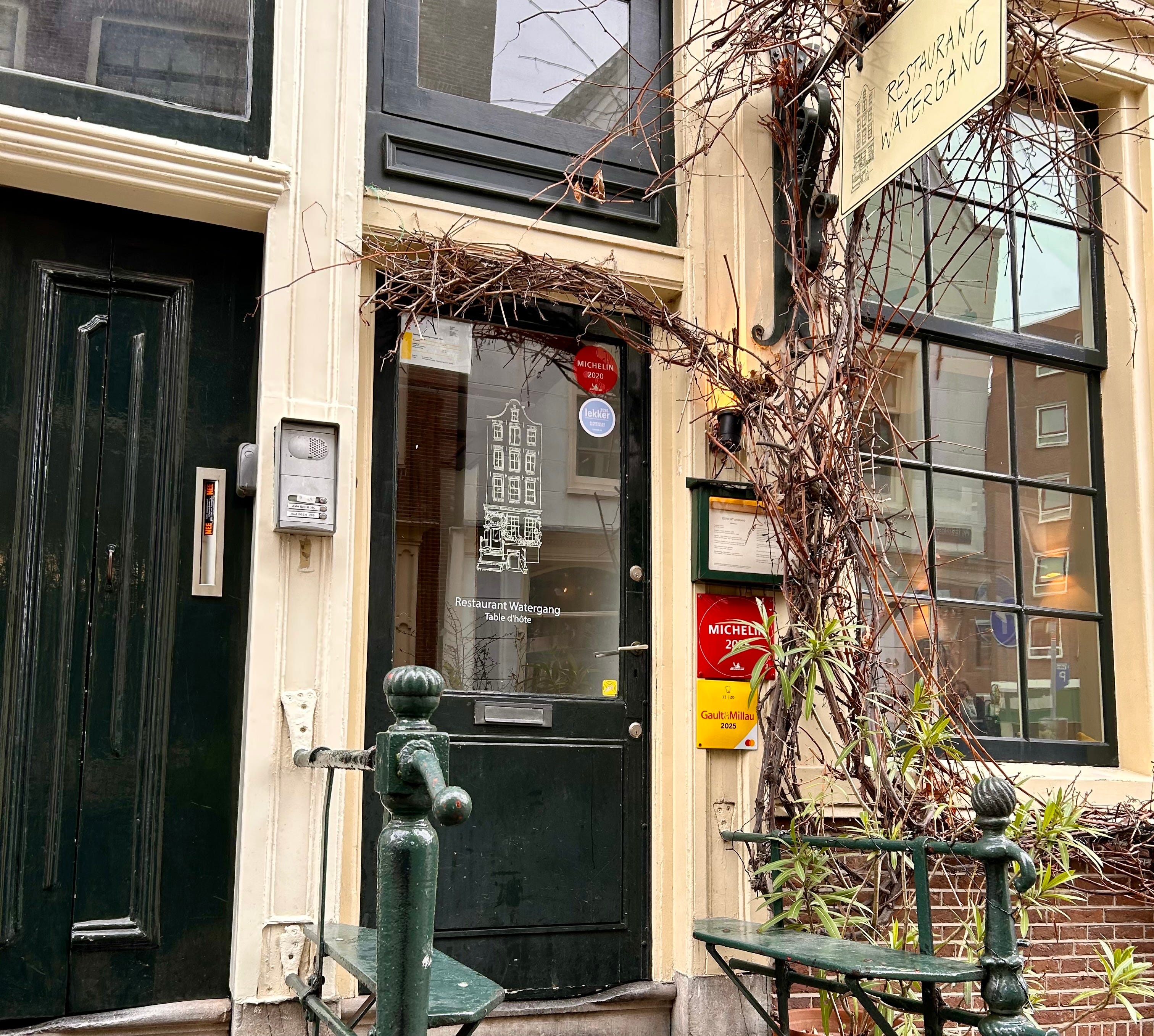
We are both very spontaneous when we travel. We rarely plan our days in detail, and this Michelin lunch was completely unplanned. It happened shortly after our first meal of the day. Normally, we eat two, sometimes three meals a day and practice intermittent fasting for its potential autophagy benefits. This lunch was a conscious break from all of that.
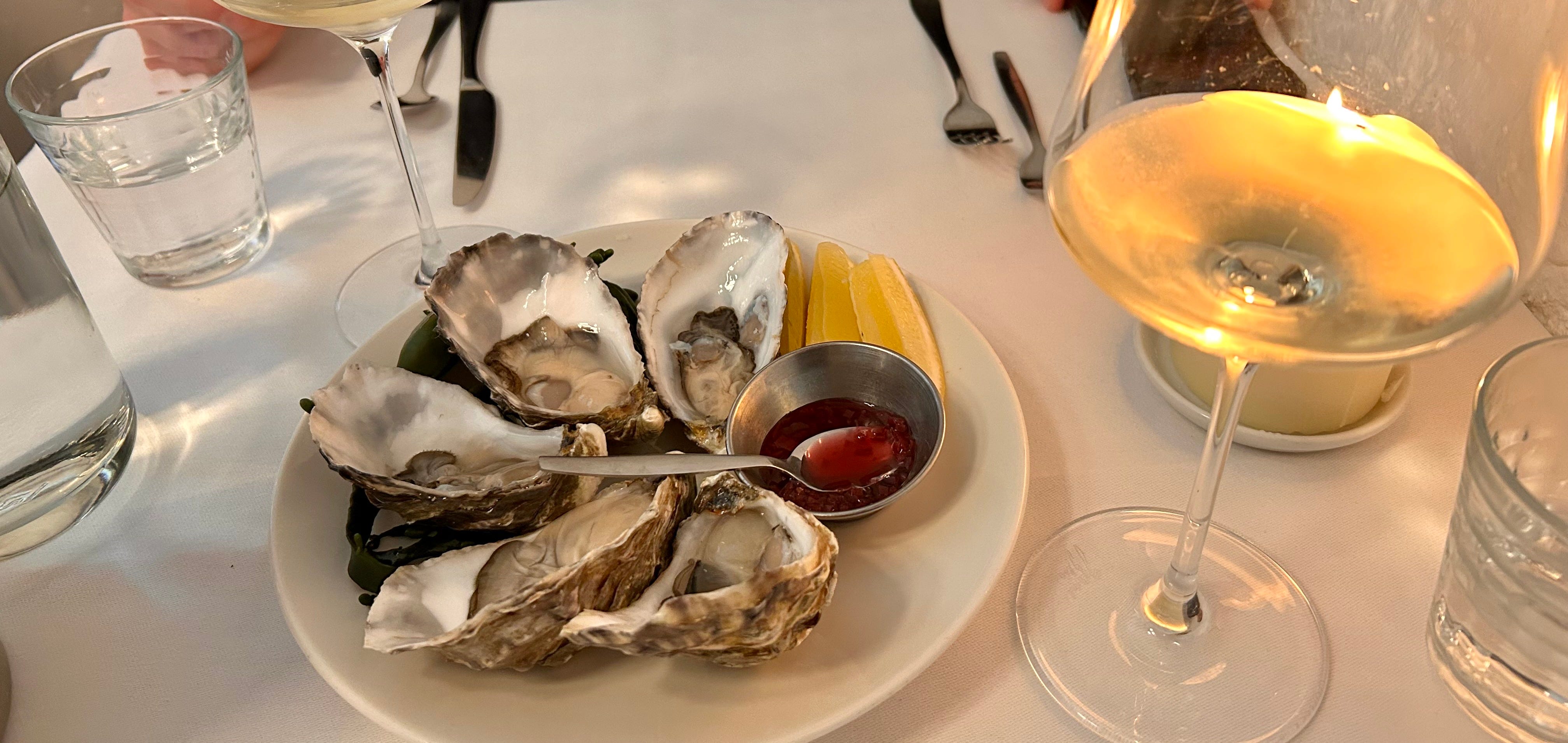
We paired the experience with a beautiful bottle of wine and started with oysters, which we both love. Oysters are exceptionally rich in zinc, which supports immune function, wound healing, and hormone regulation. They are also a good source of iodine, essential for thyroid hormone production. The lemon served alongside adds vitamin C, which improves mineral absorption and supports antioxidant defenses.
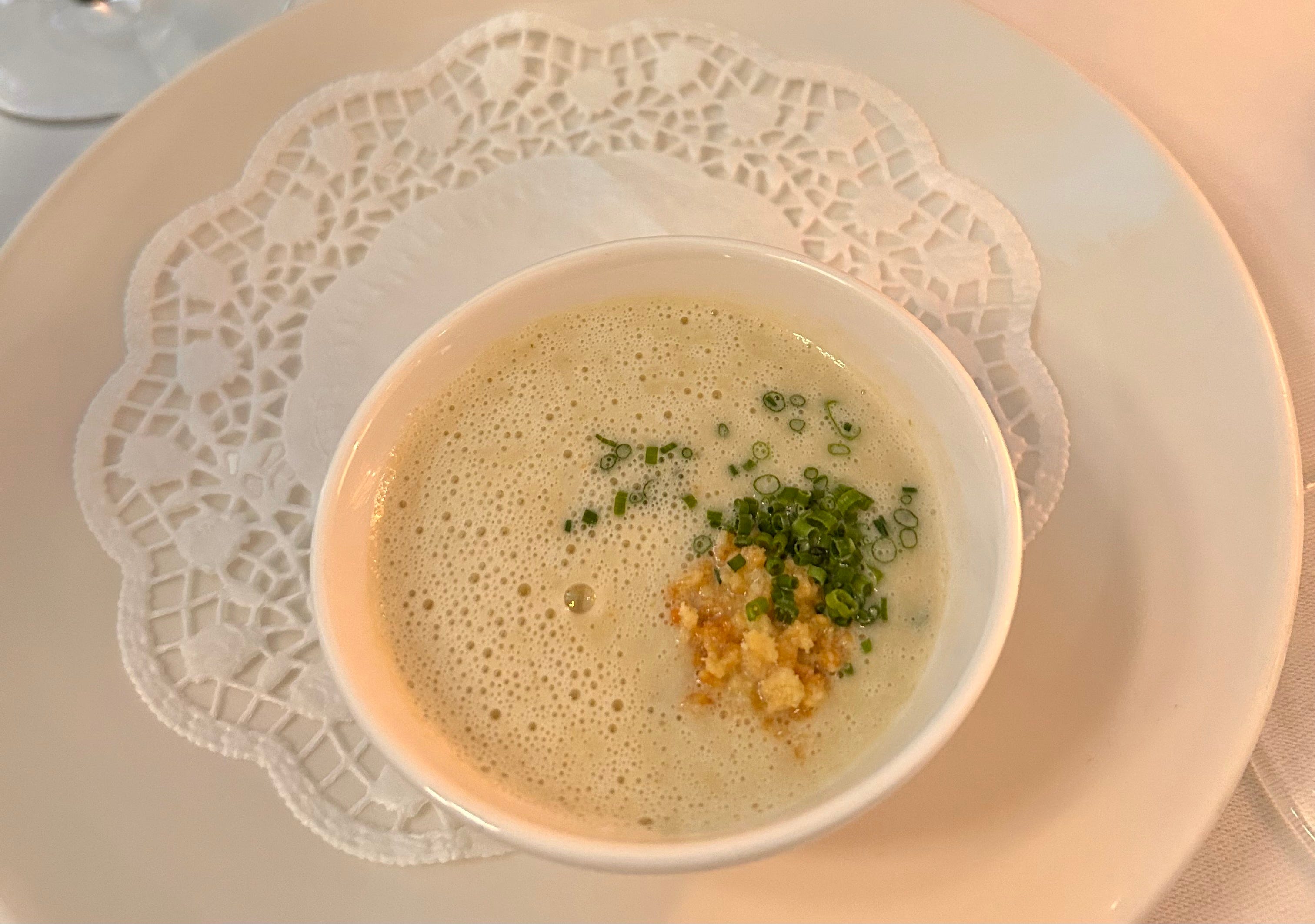
The first dish after the oysters was a small, fresh soup. The portion was modest but full of flavor. It was topped with spring onion, which contains vitamin C, vitamin K, and sulfur-containing compounds that support detoxification pathways.
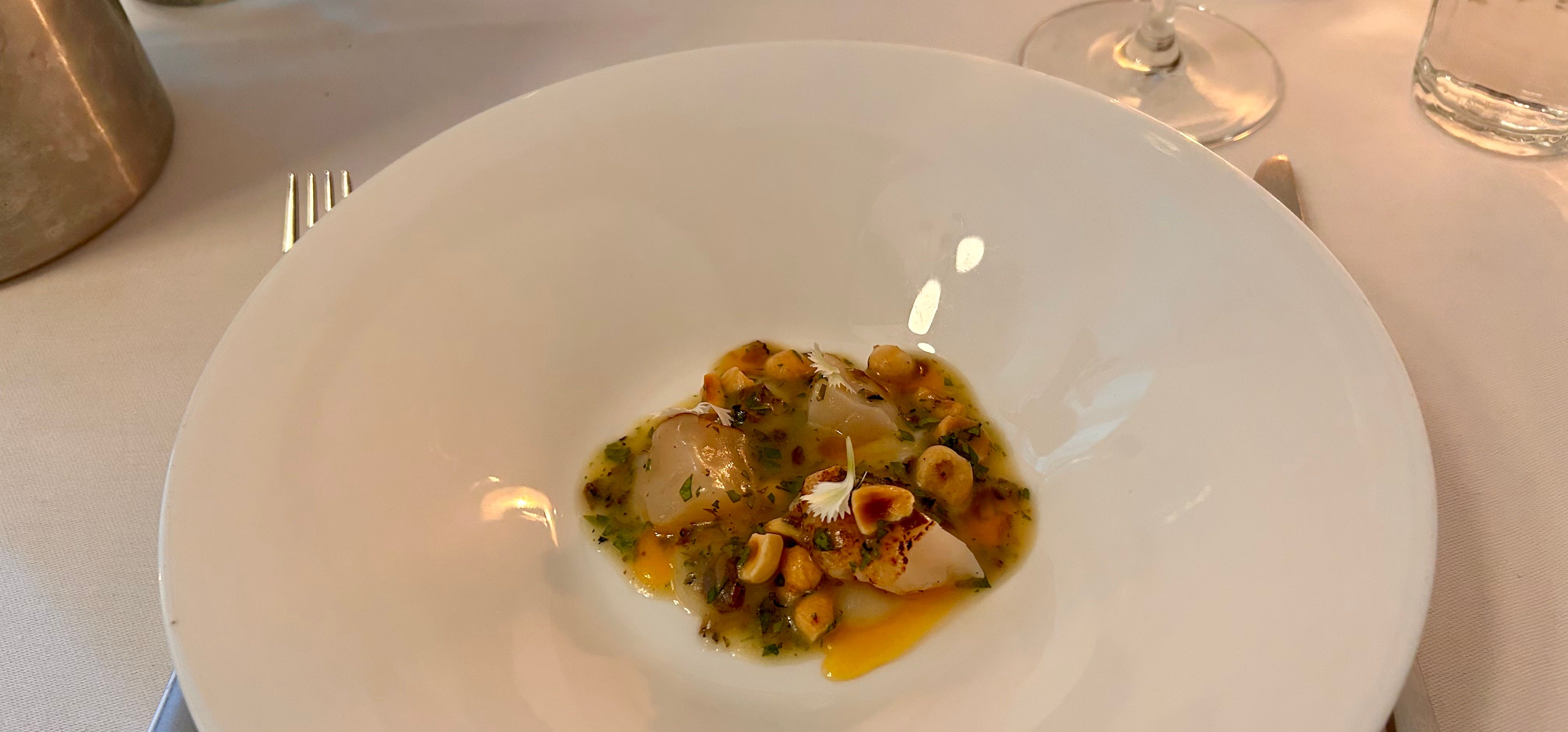
Next came clams, served with hazelnuts and fresh herbs. Clams are an excellent source of vitamin B12, iron, and selenium, all crucial for energy metabolism and oxygen transport. Hazelnuts provide monounsaturated fats, vitamin E, and magnesium, supporting cardiovascular and neurological health.
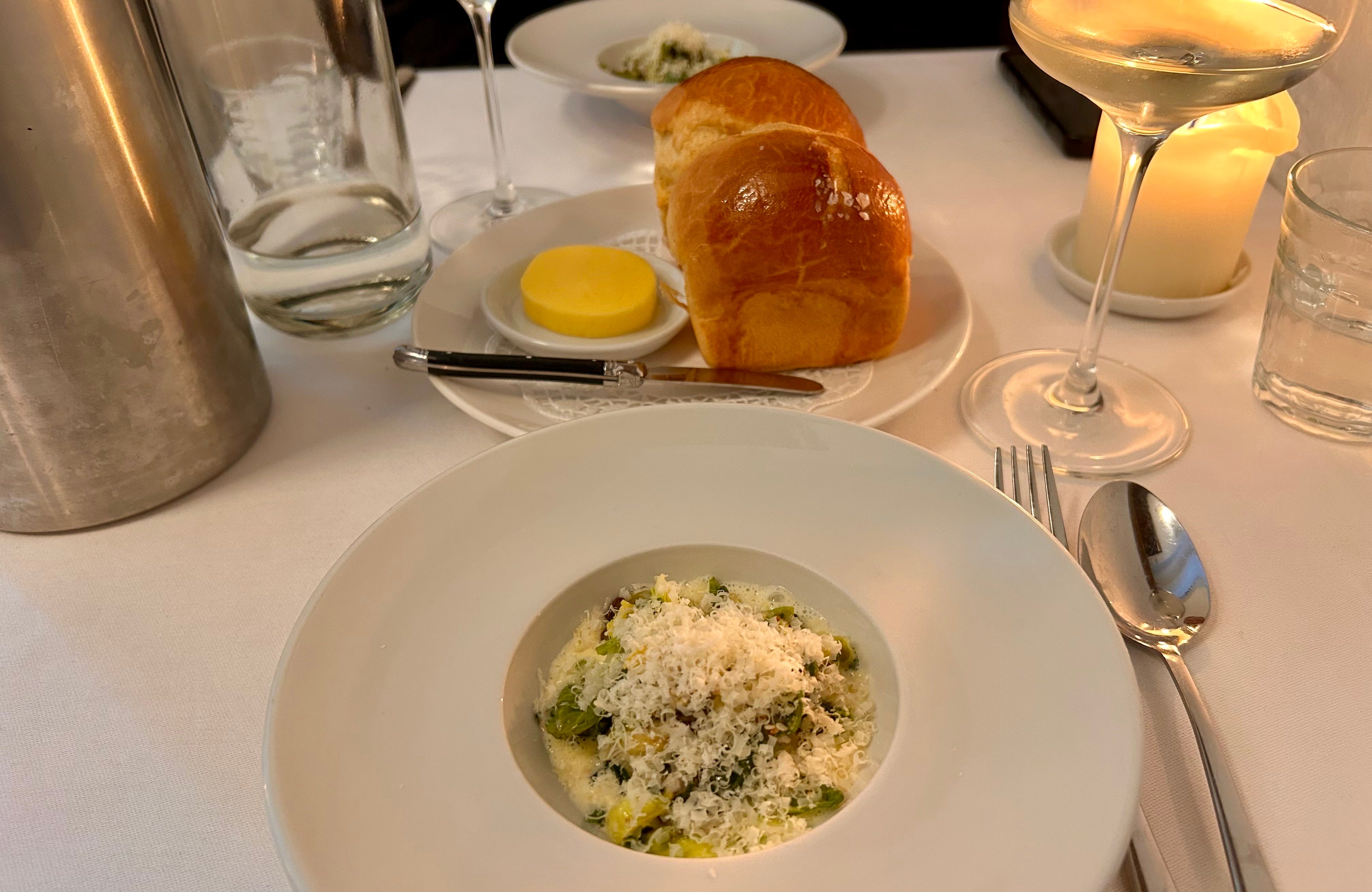
Then came spinach, which I absolutely love. Spinach is one of my favorite nutrient-dense foods. It contains folate, magnesium, iron, and carotenoids like lutein and zeaxanthin, which support eye and cellular health. The white bread and generous amount of butter were clearly “special occasion” items for me. Butter is energy-dense and white bread is rapidly digested starch, which can spike blood glucose. For me, this combination is not ideal for lipedema management, but on rare occasions, context matters.
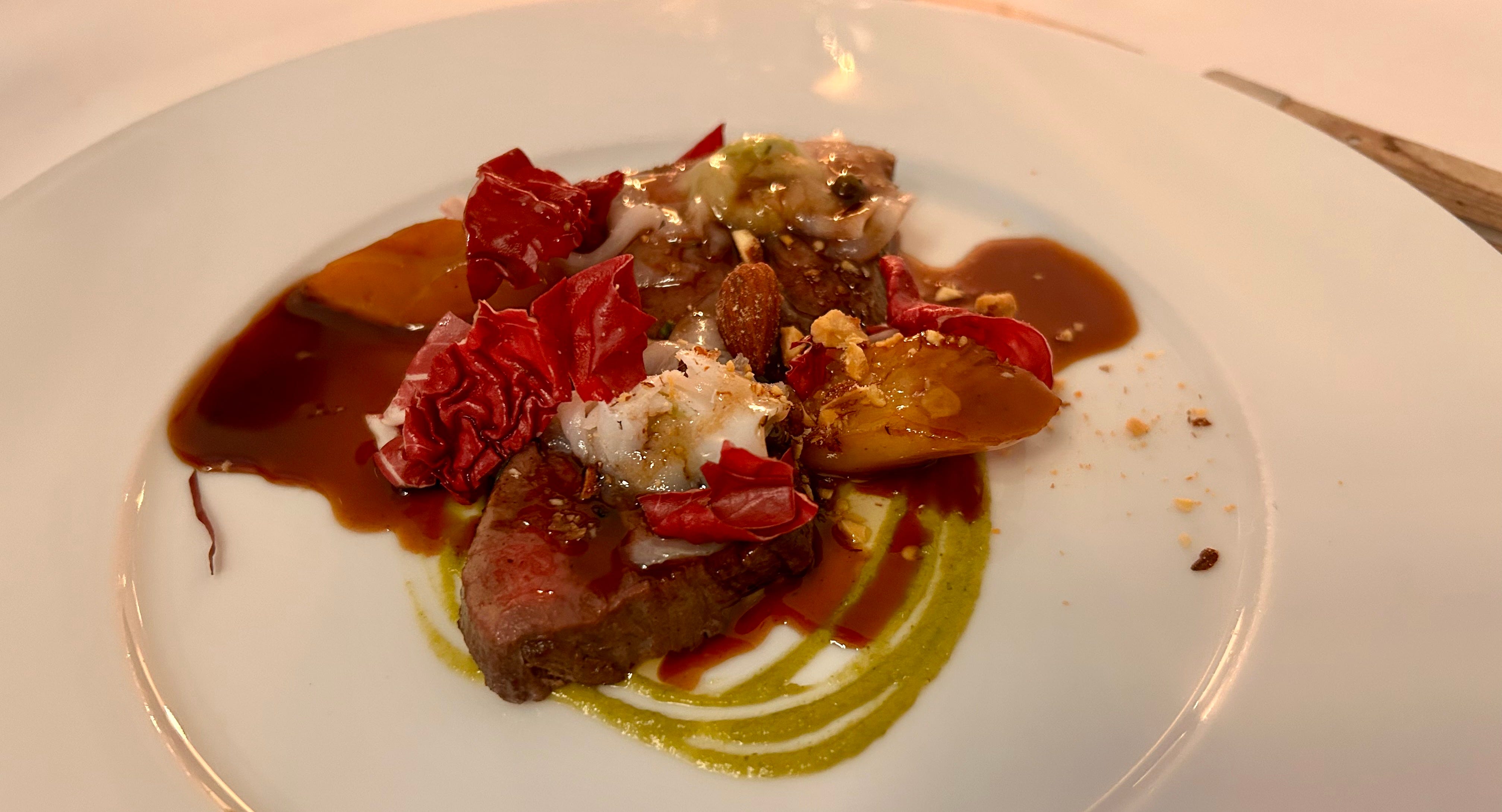
The next dish was reindeer served with kale and almonds. Reindeer meat is lean and rich in protein, iron, and B vitamins. Kale is a cruciferous vegetable high in vitamin C, vitamin K, and bioactive compounds that support detoxification and inflammation regulation. Almonds contribute vitamin E, fiber, and healthy fats.
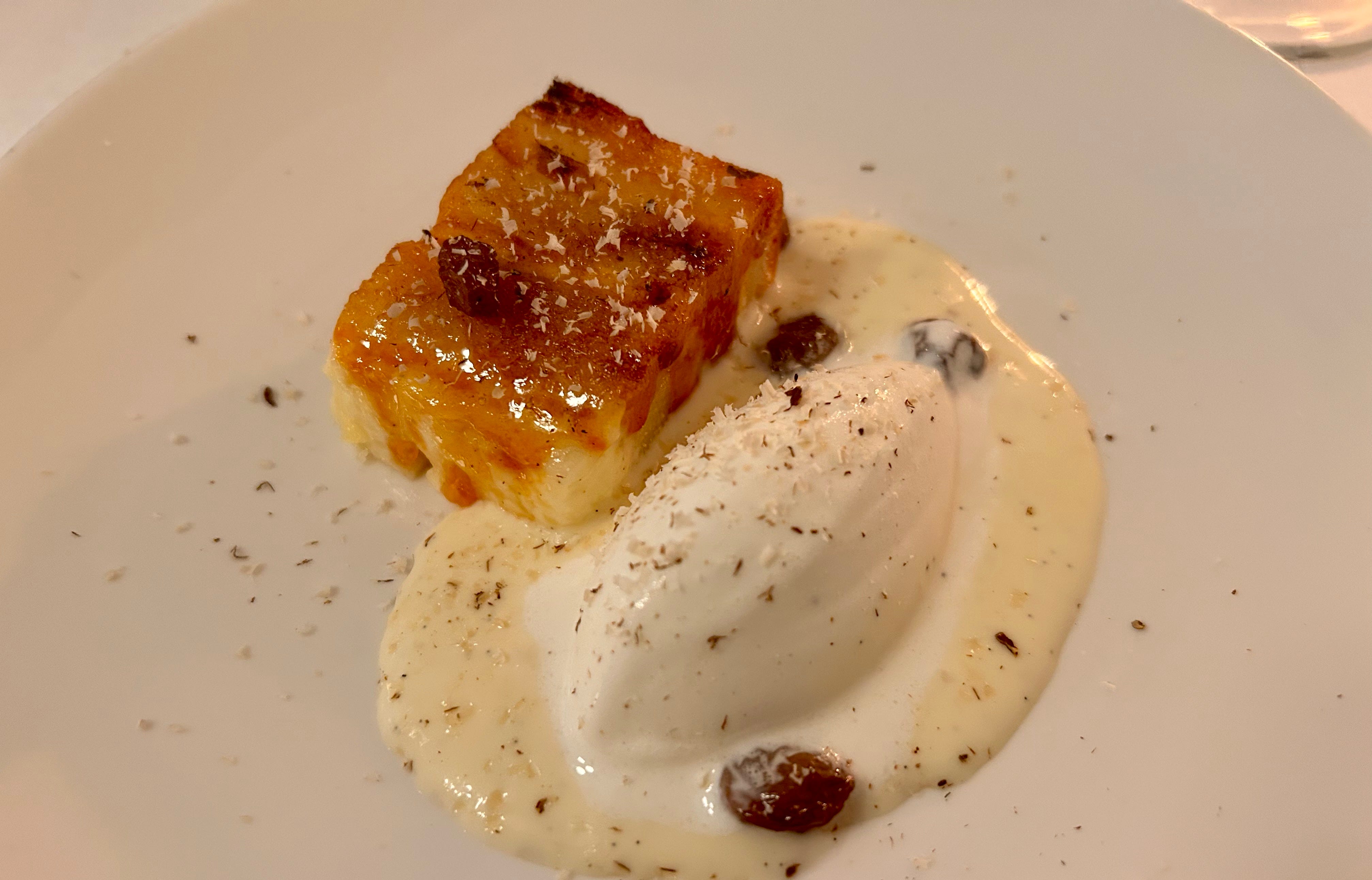
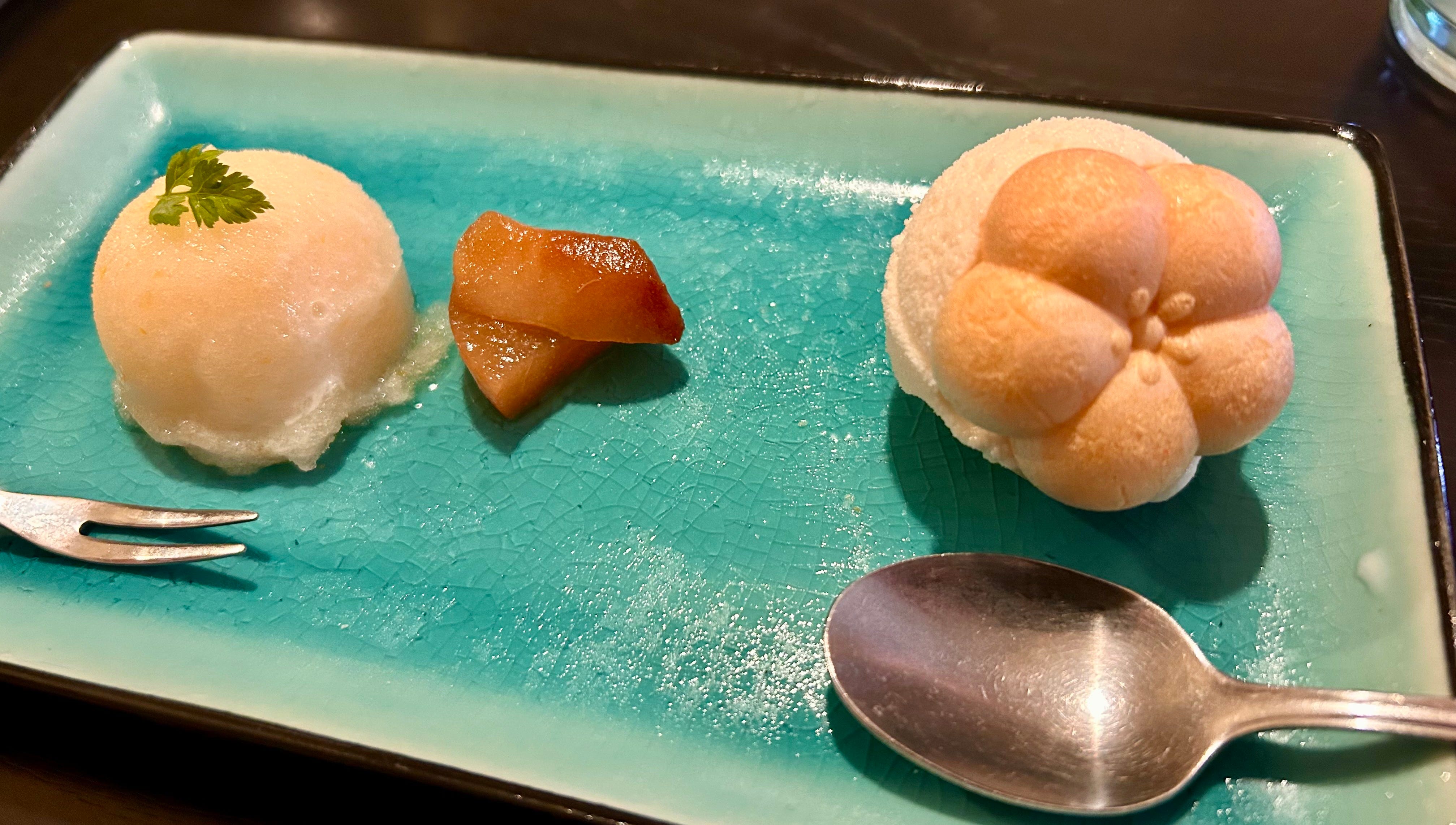
The final dish of our Saturday lunch was dessert. This is not something I normally eat. There was ice cream, a buttery crème brûlée-like component, and dried grapes. From a physiological perspective, this is largely rapidly available glucose and fat, which can increase blood sugar fluctuations and inflammatory signaling.
In a perfect world where I only optimized physiology, this would be a no-go. But sustainability matters more than perfection. I have known about my lipedema for fourteen years, and I know very well that a life without flexibility is not sustainable if the goal is to live fully, not in isolation.
Later that evening, we stopped by a Japanese restaurant and had simple grilled chicken and Wagyu beef. We also had a couple of beers, and I completely forgot to take photos. Sometimes you just live in the moment.
Sunday
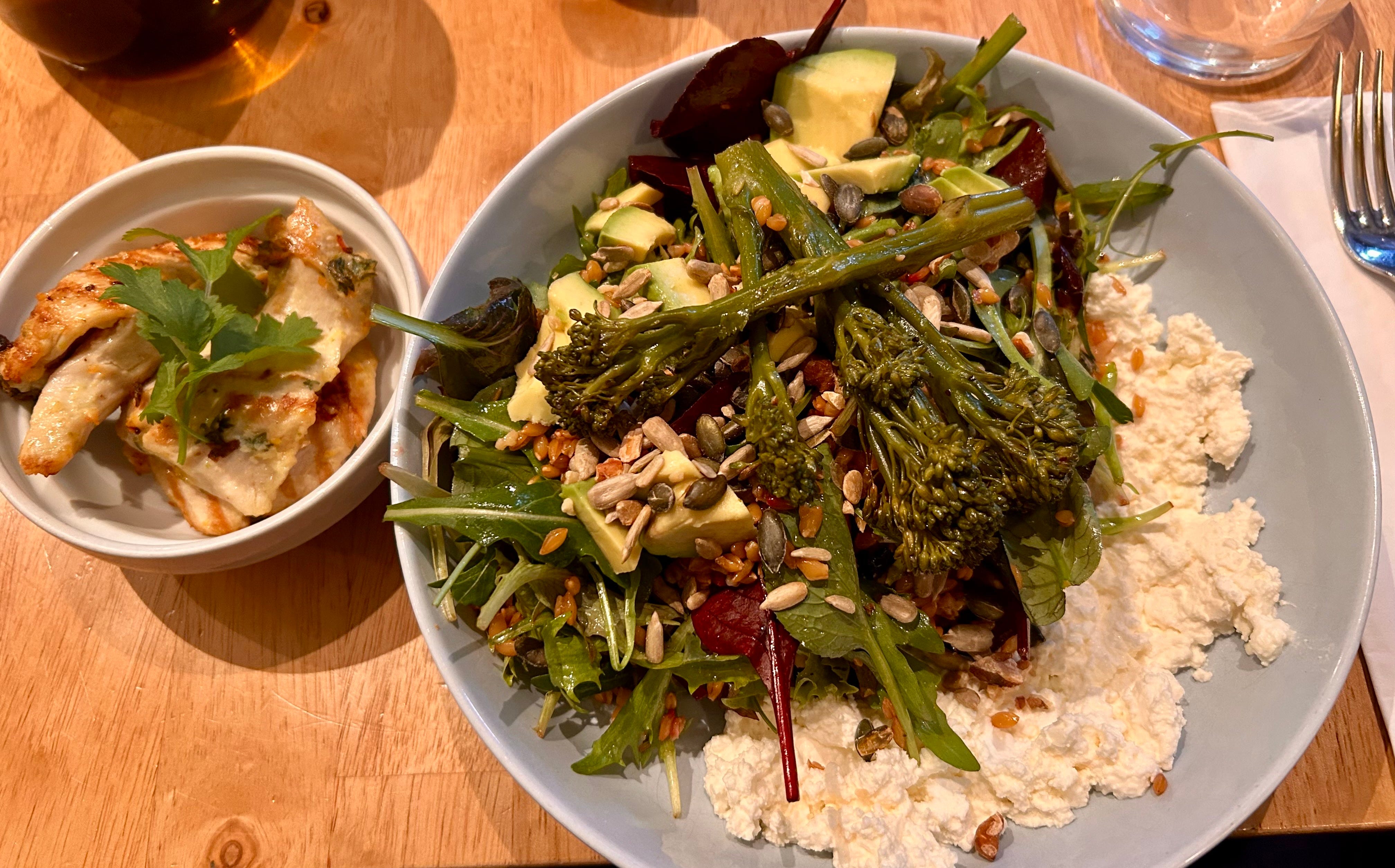
The next day, I wanted to start with something nourishing and grounding. I ordered a quinoa salad with broccolini.
Quinoa is a complete plant protein and a good source of magnesium and fiber. Broccolini contains vitamin C, vitamin K, and glucosinolates that support detoxification pathways.
The salad also included avocado, feta cheese, pumpkin seeds, beets, plain chicken, eggs, sunflower seeds, arugula, mixed leafy greens, and fresh herbs. Together, this meal provided protein, fiber, antioxidants, healthy fats, and minerals that support metabolic stability and satiety.
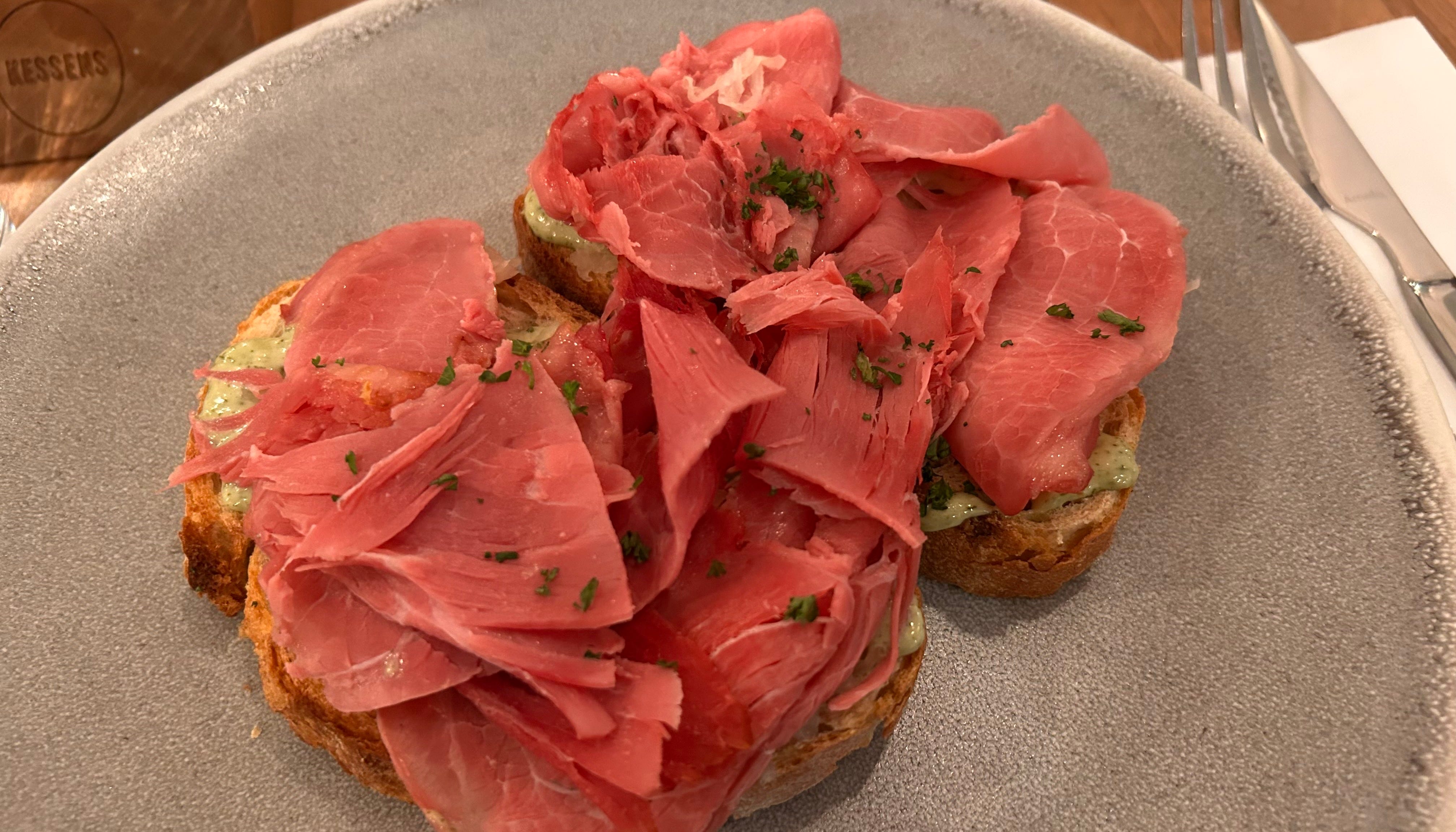
Later, we shared sourdough bread with sauerkraut and a beautifully prepared meat dish. Sourdough fermentation reduces phytic acid and improves mineral bioavailability, although the baking process kills live bacteria. Sauerkraut, when unpasteurized, contains lactic acid bacteria that support gut microbial diversity.
In my everyday life, I eat very little red meat and rarely processed meats such as ham or sausages, which may contain nitrites. These compounds can form nitrosamines under certain conditions, which are associated with increased disease risk when consumed frequently.

That evening, we had a full Japanese vegan ramen experience. The meal was rich in plant diversity and fermented elements.
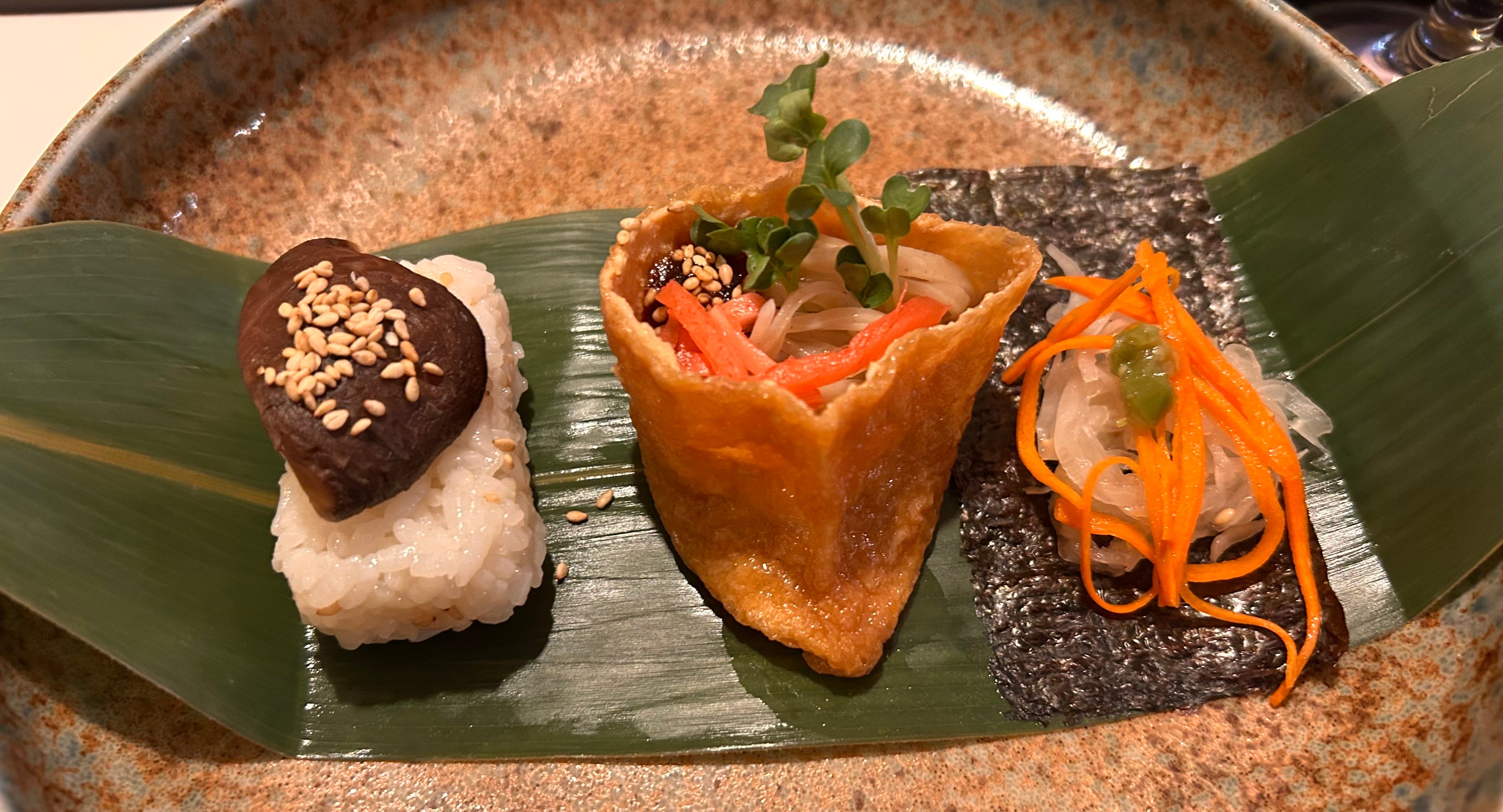
The first course consisted of fermented vegetables, providing beneficial bacteria and organic acids. It also included sesame seeds, which contain calcium, magnesium, and lignans with antioxidant properties. One element was fried truffle skin. Fried foods are something I generally limit, as repeated heating of oils can promote oxidative stress, which is not ideal for lipedema. But again, context matters.
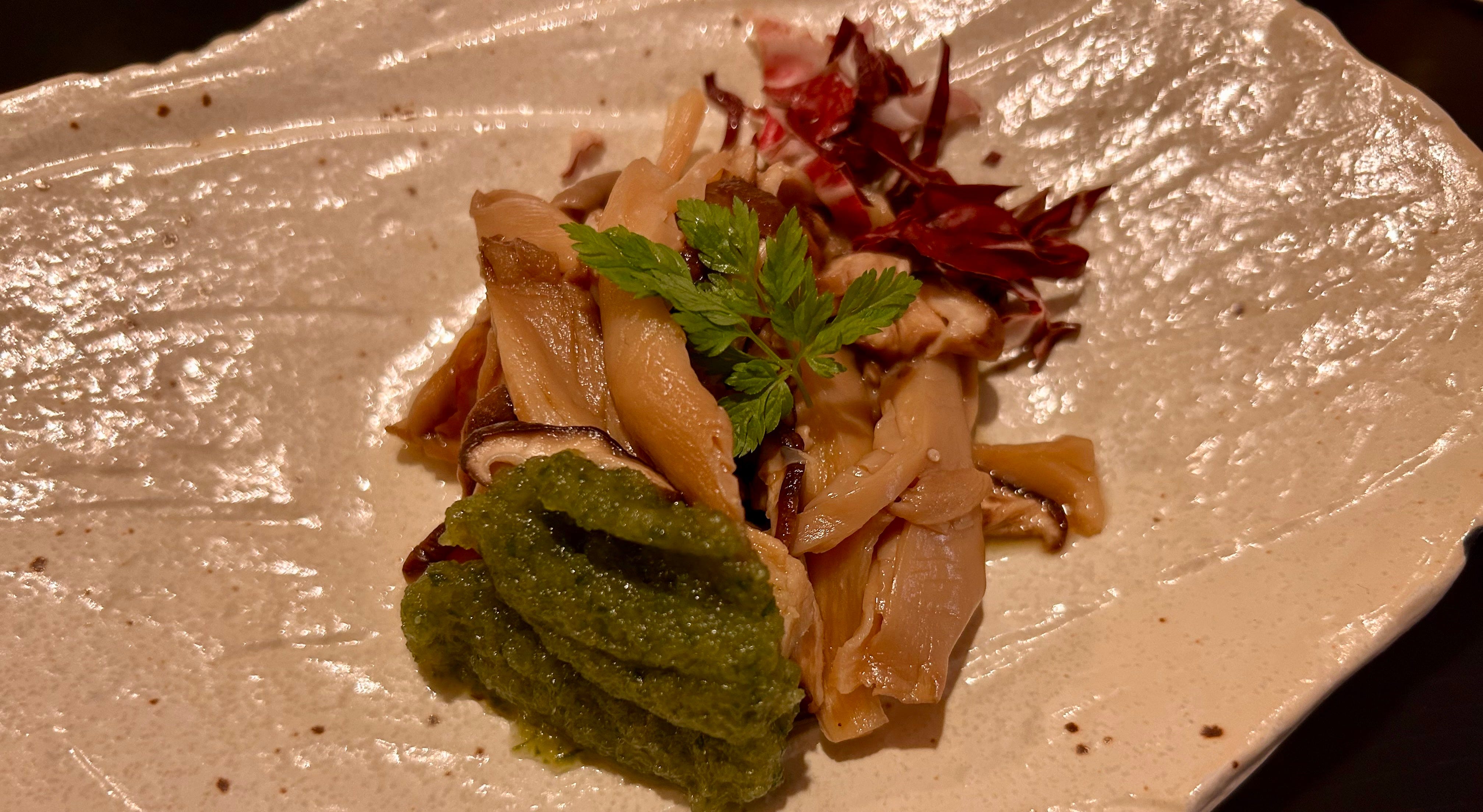
Next came shiitake mushrooms, which are rich in beta-glucans and other bioactive compounds that may support immune function. Some research suggests potential anti-cancer properties. The dish also included cucumber, leek, and kale, adding fiber and micronutrients.
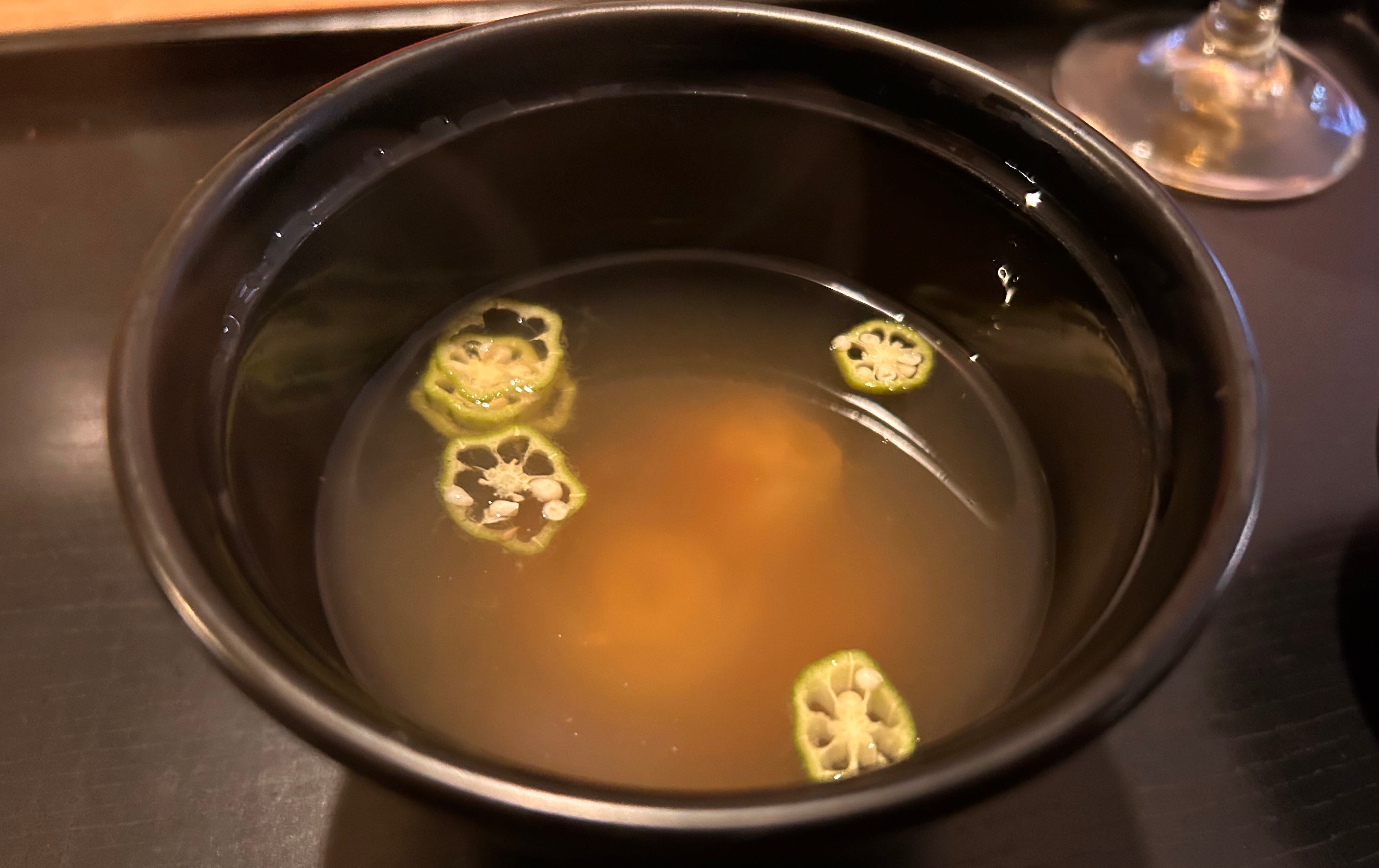
This was followed by a lightly fermented soup. Because it was hot, most live bacteria were likely destroyed before consumption. It is also important to understand that for bacteria to truly colonize the gut, they must survive stomach acid, bile salts, and immune barriers. Most do not permanently colonize, but they can still exert transient benefits.
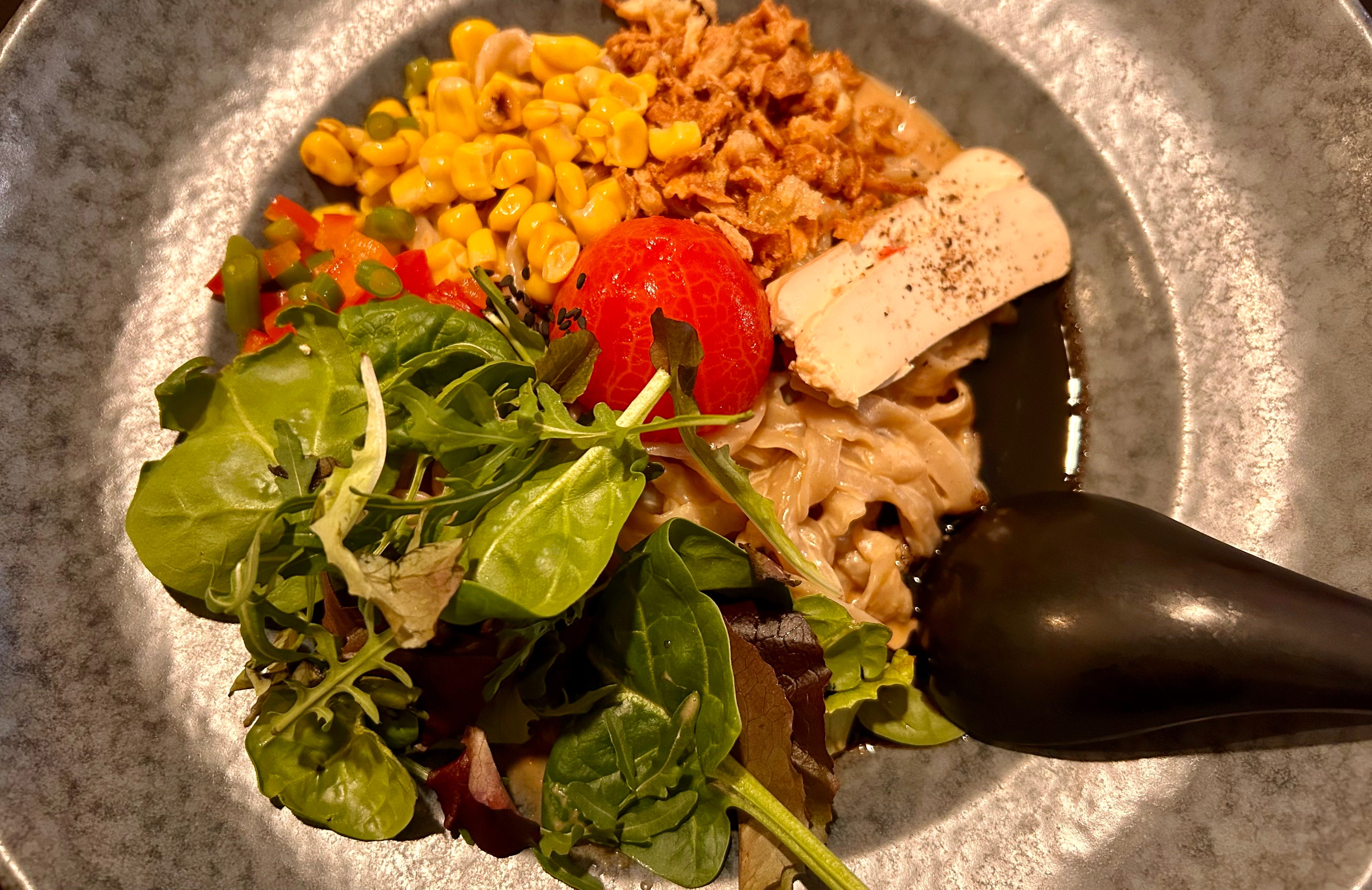
The final dish was the ramen itself. This dish was primarily about pleasure. The noodles are refined carbohydrates, which are quickly converted to glucose. Similar to dessert, this is not about nutritional optimization, but enjoyment.
Monday
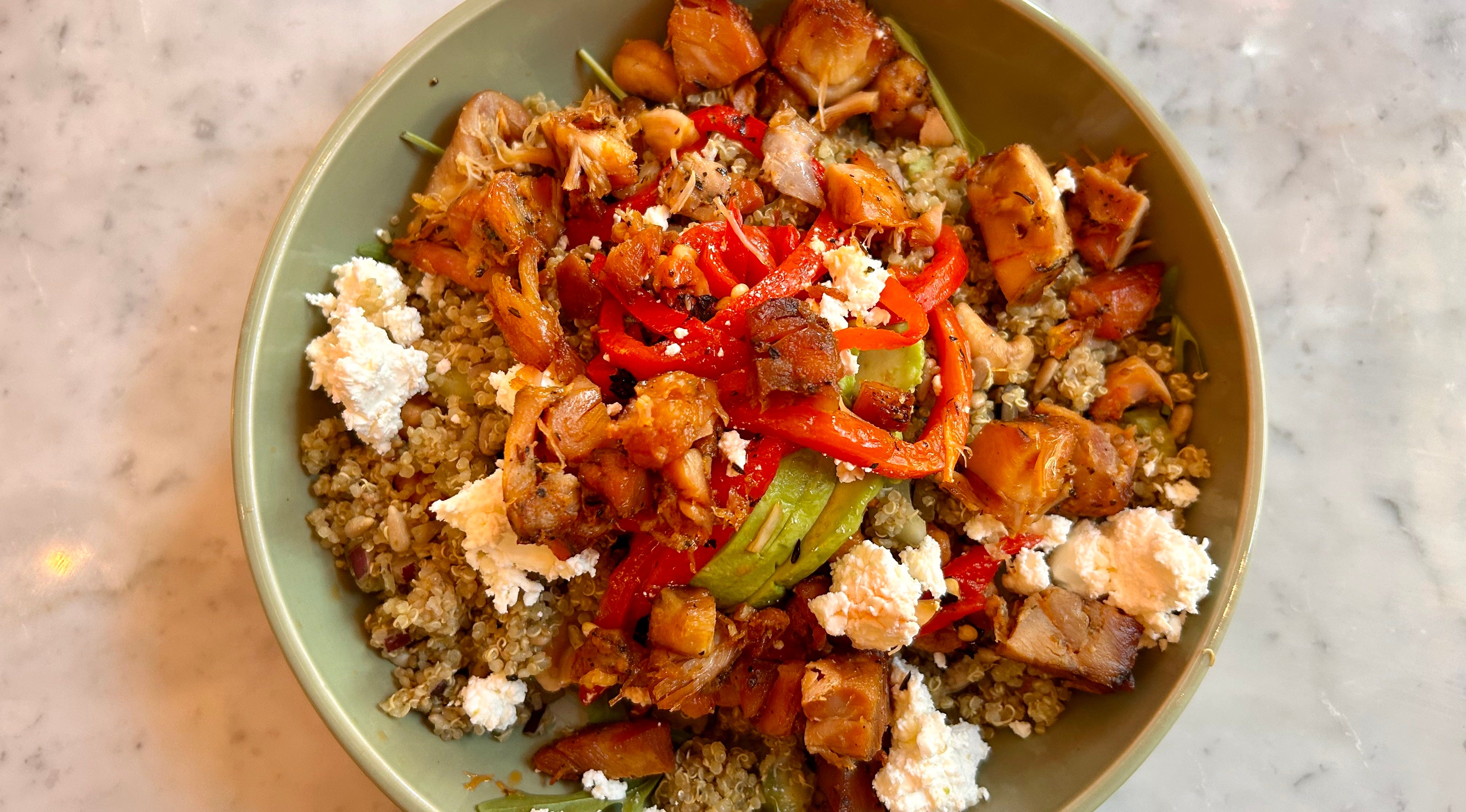
On Monday, I returned to my normal routine. I started the day with a quinoa bowl. The quality was average and not particularly memorable. It contained chicken that did not seem very fresh, avocado, bell pepper, and little else. It was nourishing enough, but not something worth expanding on.
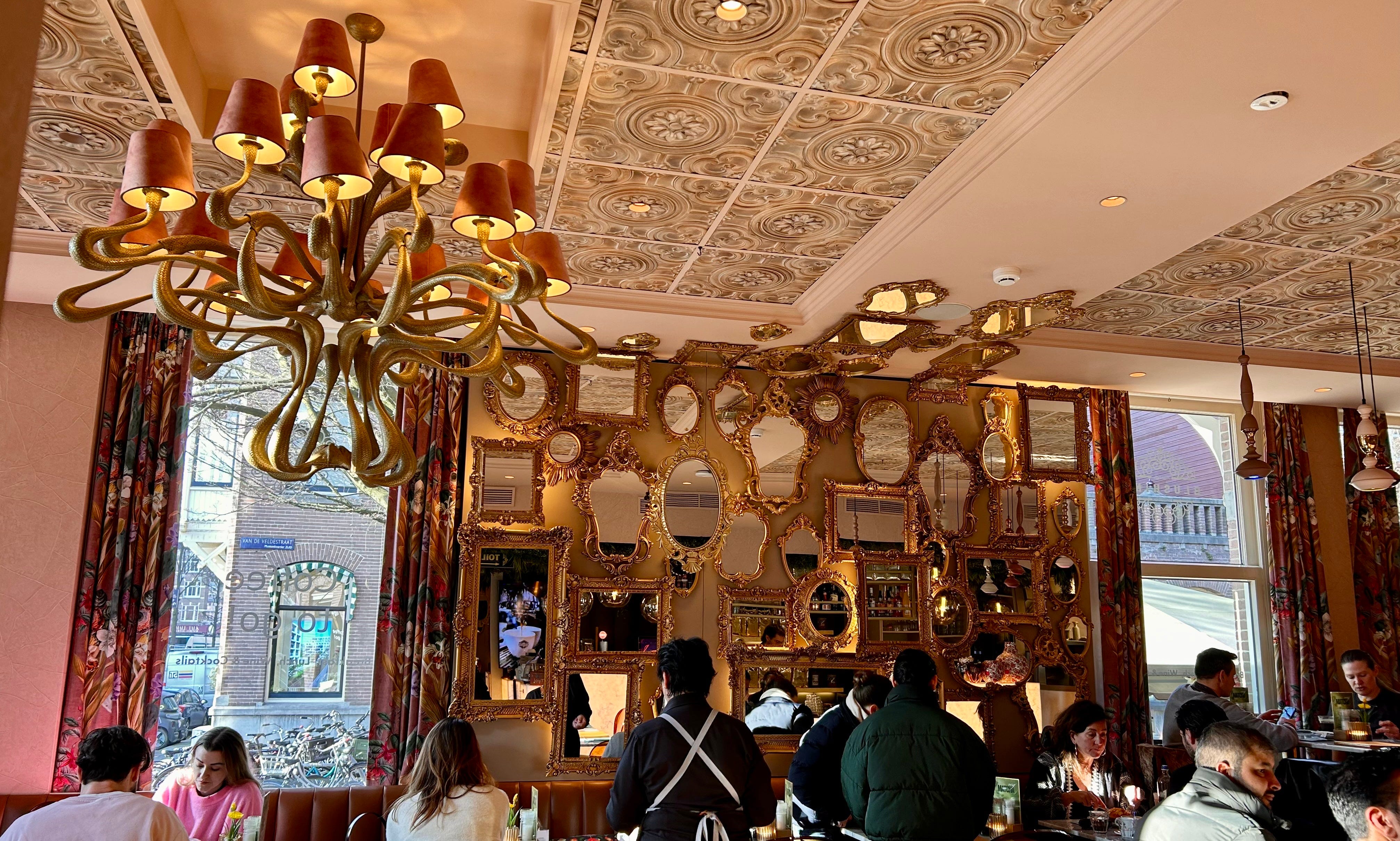
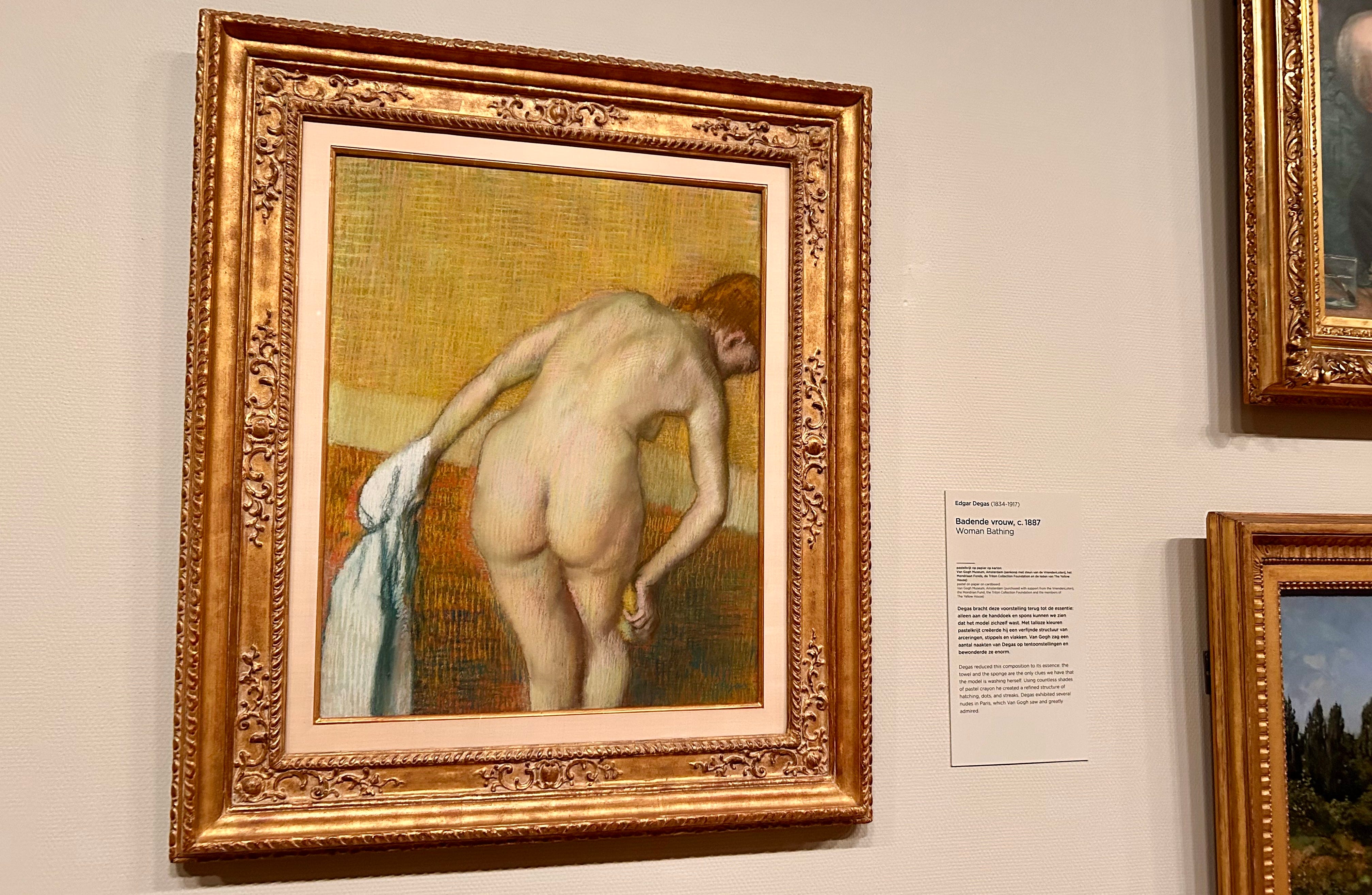
We visited the Van Gogh Museum, and one artwork made me laugh. At first glance, it looked like a woman dry-brushing her skin, which made me think that I should probably add dry brushing to my lipedema care routine. First step will be getting a proper brush.
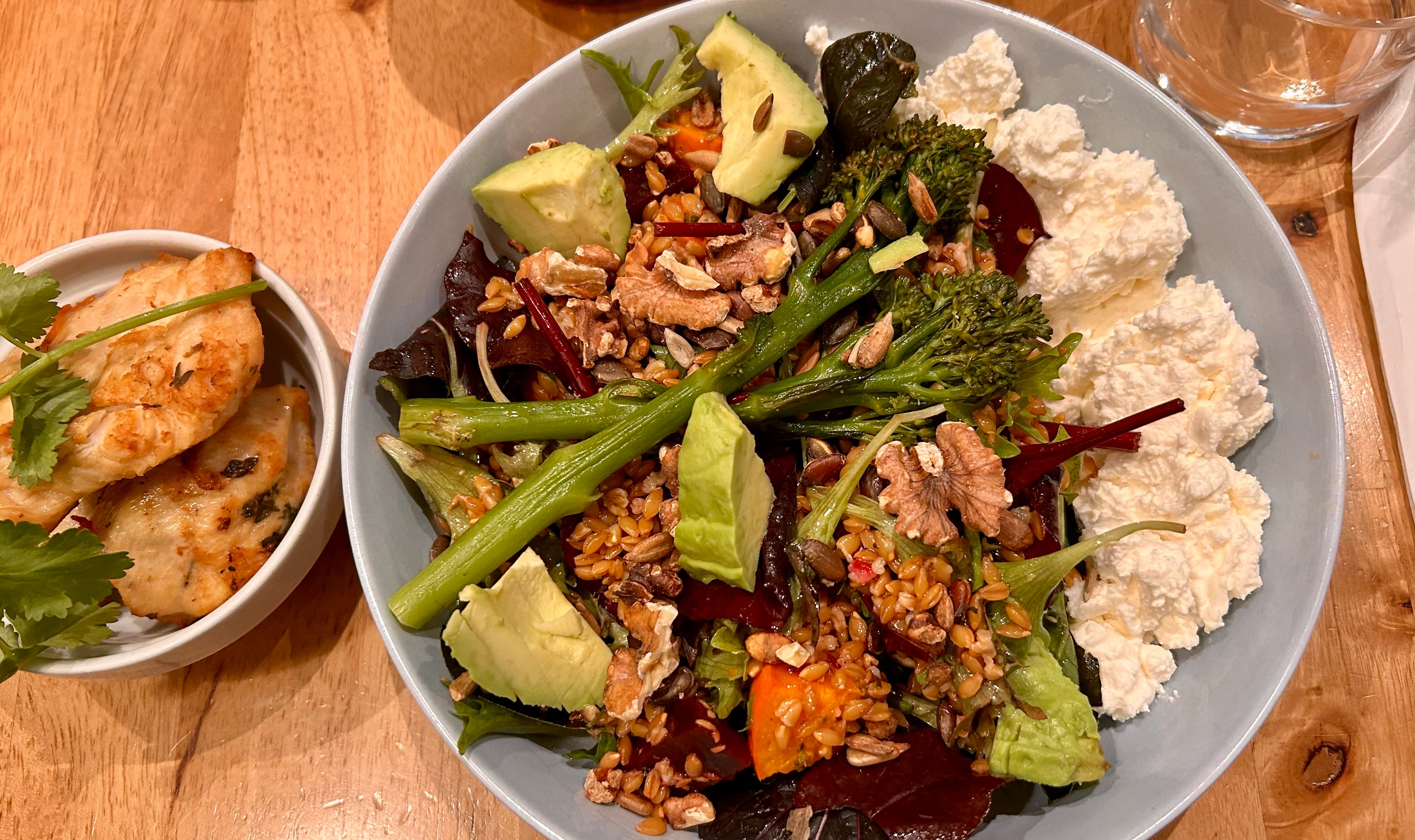
Our final meal before heading to the airport was another salad, this time with roasted pumpkin and walnuts. Pumpkin contains beta-carotene, which the body converts to vitamin A, and walnuts provide omega-3 fatty acids that support inflammation balance and vascular health.
Thank you for following my account. I hope you enjoy both the personal reflections and the science-based content. This platform is meant to show the whole picture of a lipedema life. The lived one, with travel, food, joy, and flexibility, and the biological one, happening inside adipose tissue, where not everything is within our control.
Both matter.
Veldig fint å lese! -Når det er sagt, setter jeg alltid av plass til slike helger. Det er nettopp derfor min 80–20-livsstil er bærekraftig over flere år. Det er rett og slett ikke realistisk å leve hele livet i restriksjoner hvis kostnaden aldri er å leve fullt ut det ene livet du har.
Dette traff meg spesielt godt, kunne ikkje vore meir enig!! <3